
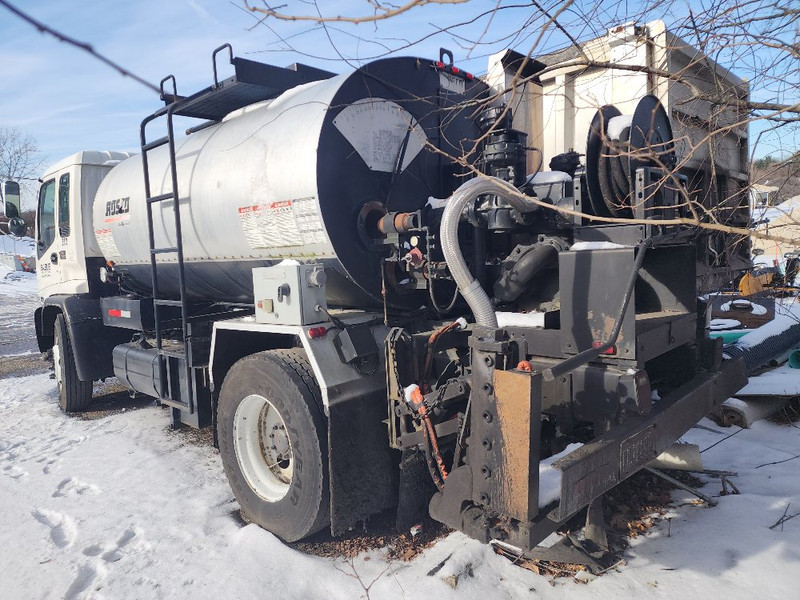
Finding the right asphalt distributor truck comes down to how well the machine fits the way your crew works and the jobs you run most. A good distributor truck applies tack or binder cleanly, keeps material at the right temperature, and lets operators control flow without fighting the equipment.
Contractors on IronmartOnline seek used distributor trucks that offer good heat, clean spray, and reliable chassis. The right setup helps your crew stay productive whether you're prepping a driveway, covering large parking lots, or handling municipal roadwork.
Understanding how tanks, pumps, burners, and spray bars differ gives you a clear picture of what will actually serve your fleet long-term. This overview explains truck functions, key features, and how to evaluate a used unit for optimal performance from day one.
What Is an Asphalt Distributor Truck?
An asphalt distributor truck sprays heated liquid asphalt for road and pavement work. It uses a heated tank, pump, heated lines, and a spray bar to apply a controlled coat of asphalt, tack, or sealant.
Key Functions in Road Construction
The truck applies uniform layers of liquid asphalt to prepare surfaces for paving. You use it to spray tack coats that help new asphalt bond to existing pavement or to apply prime and sealing coats for protection.
The heated tank keeps asphalt at the right temperature for spraying, so viscosity stays consistent. Common tasks include applying tack coat before overlays, spraying fog seals or chip-seal binder, and laying prime coat before paving.
Controls let you adjust spray rate, nozzle pattern, and boom width. Accurate application reduces waste and helps your crew meet project specs.
Differences Between Asphalt Distributor, Tack Truck, and Spreader Truck
An asphalt distributor truck and an asphalt distribution truck are the same: a truck-mounted heated tank with a spray bar for liquid asphalt. A tack truck is a distributor used mainly for tack coats and may have smaller tanks or simpler controls.
An asphalt spreader truck applies mix or textured material instead of spraying liquid. Spreaders drop or fling aggregate and binder for chip seal, while distributors spray a uniform film. Use a distributor for liquid application and bonding, and a spreader for chips or thick binder layers.
Main Components and Features
This section explains the key parts that make an asphalt distributor truck work. Learn about spray systems, tank heating, transmission choices, and useful control options.
Spray Bar Systems & Spray Wand
Spray bars, mounted on the rear or sides, deliver a consistent film of tack or binder. Stainless steel or corrosion-resistant bars with replaceable nozzles are best. Nozzle spacing and size control application rate, so pick bars with quick-change tips.
Many trucks include a handheld spray wand for tight spots and patchwork. A wand gives fine control for driveways or joints. Check hose length, anti-kink sleeve, and that the shutoff valve is reachable from ground level.
Pressure regulation is important. A reliable pump and pressure gauge keep coverage uniform. Inspect boom mounting, fold systems, and breakaway hardware for safety and ease of use.
Hot Oil Tank and Diesel Burners
The hot oil tank holds and heats the asphalt emulsion or binder. Tanks use hot oil circulation, heat transfer coils, or direct-fire systems. Look for good insulation, a level sight gauge, and easy-access baffles to reduce sloshing.
Diesel burners provide heat. Dual-burner setups or easy-to-service single burners reduce downtime. Burners should have a flame detector, thermostatic control, and simple starting switches.
Safety features like over-temp shutoffs, pressure relief valves, and proper venting prevent incidents. Confirm tank mounts and ladder access meet regulations for a secure hot oil tank truck.
Transmission Types: Eaton Fuller vs Allison Automatic
Eaton Fuller manual and semi-automatic transmissions are common when operators need direct control. They allow torque management during heavy spraying and hauling. Expect clutch service and operator skill requirements.
Allison automatic transmissions simplify driving and reduce operator fatigue. They shift smoothly under load, helping less-experienced drivers maintain spray speeds. Allison units lower the risk of stalling and reduce driveline shock.
Match transmission choice to your crew and job mix. For short runs or less-experienced drivers, Allison automatics ease operations. For precise gear control and rugged service, Eaton Fuller is a solid choice.
Optional Technology and Controls
Modern distributors offer spray rate controllers, GPS mapping, and remote-control consoles. Spray rate controllers adjust flow by speed and pressure for precise coverage, reducing waste and keeping bids accurate.
Digital displays show tank temperature, pump hours, and nozzle selection. Remote wands, wireless boom controls, and auto-shutoff features add safety. Some trucks include data logging for documentation.
Consider adding a heated hose reel, automated boom fold, and anti-siphon valves. These options speed setups and make resale easier. Clear records of tech upgrades and functioning controls strengthen listings.
Heating Performance Defines Daily Productivity
Keeping asphalt emulsion or binder at the right temperature is critical, especially when working at the start or end of the season. According to the Federal Highway Administration’s pavement preservation guidelines, binder temperature directly influences viscosity and sprayability.
If a tank heats slowly or unevenly, your application rate becomes inconsistent, and downtime increases while you wait for temperatures to stabilize. Evaluating burner output, tank insulation, and circulation systems gives you a realistic sense of whether the truck can maintain material temperature throughout the shift.
Popular Makes and Models
These makes and models cover most asphalt distributor truck needs. They offer reliable pumps, easy spray controls, and chassis choices for driveways, parking lots, or road projects.
Etnyre and Etnyre Shooter Series
Etnyre builds purpose-made asphalt distributors with rugged pumps and simple controls. The Shooter Series offers timed and continuous spray modes, a gravity-fed tank, and calibrated spray bars.
Look for Etnyre Centennial II and Black-Topper versions for larger tanks (1,000–2,000 gallons), hydraulic agitation, and corrosion-resistant tanks. These pair well with medium-duty chassis for good maneuverability.
Lighter Etnyre distributor rigs suit contractors who do seal-coating and driveway work. These models save fuel and lower maintenance, while still providing accurate application and quick warm-up times.
Mauldin MT300 and MT600
Mauldin’s MT300 and MT600 target different job scales, but both offer precise asphalt metering. The MT300 fits smaller crews and patch or driveway work, with a 300–600 gallon tank and simple spray bar.
The MT600 is for municipal and highway contractors. It has 600+ gallon tanks, more powerful burners, and optional heated transfer pumps. Wider spray bars and stringless paving controls speed up coverage.
Both models use proven gearboxes and pumps for long service life. Used MT300/MT600 trucks often need only routine maintenance to return to full productivity.
Freightliner, International, Peterbilt, and Ford Models
Chassis choice matters. Freightliner M2 106 and Business Class M2 offer strong frames and common parts, making them popular for full-size distributors. They handle 1,000–2,000-gallon bodies and provide easy service access.
International 4700 and older White/GMC Brigadier models are common in fleets. These trucks pair well with larger distributor bodies and offer long wheelbases for stable spray control. Peterbilt 330 and cab-over Peterbilt COE 200 appeal to operators who want driver comfort and advanced suspension.
Ford F800 and similar models fit compact distributor bodies and cut operating costs. When buying used, check service history, axle ratings, and wiring for tank heat and pump controls.
Choosing the Right Asphalt Distributor Truck
Pick a distributor truck that fits your jobs, budget, and needs. Focus on tank type, heating system, spray controls, and whether a used truck gives you the value you need.
Considerations for New vs Used Distributor Trucks
Buying new gives you full warranties, modern controls, and fresh tanks. You pay more up front, but reduce downtime and repair risk.
A used distributor truck cuts initial cost and can be ideal if you need a reliable truck fast. Inspect pumps, valves, spray bar, controls, and tank lining for rust or repair. Ask for service history and recent rebuilds.
For resale or fleet turnover, consider how easy it will be to sell later. For heavy daily use, favor newer engines and better heating systems. If you buy used, budget for cleaning, gasket replacement, and a test run with hot oil or tack material.
Capacity and Tank Size Selection
Match tank size to job length and site access. Smaller tanks (500–1,500 gallons) work well for driveways, parking lots, and short runs. Larger tanks (2,000+ gallons) suit long road stretches and municipal contracts.
Consider compartments if you need multiple products. Compartmental tanks cut trips back to the plant and let you switch materials on the same run.
Check pump output, agitation, and heating BTU. Higher pump flow and strong heating prevent material cooling on long jobs. Make sure the chassis can handle full weight and that axle limits match your typical loads.
Type of Projects and Applications
Choose features based on your projects. For driveway and sealcoat work, you need accurate spreader controls and a responsive spray bar for precise applications.
For parking lots and large jobs, prioritize wide spray bars, high-capacity tanks, and easy compartment switching. Meters that give consistent coat rates across large areas are valuable.
For roadwork and highway projects, durability and heating power matter most. A hot oil distributor with robust agitation keeps the binder at the right temperature. Pick a truck with an easy hookup for hauling and simple transport between sites.
Inspection Tips When Buying Used
Focus inspection on the engine, chassis, spray system, and service records. Check hydraulics for leaks, confirm spray pattern and burner operation, and verify ownership and maintenance history.
Assessing Mechanical and Hydraulic Systems
Start with the engine. Look for oil leaks, smoke, and a clean service tag showing recent oil and filter changes. Run the truck at operating temperature and listen for knocking or an inconsistent idle.
Inspect the transmission and drive axles for smooth shifts and no grinding. Check the chassis for rust, previous repairs, or welds that weaken the structure. Measure tire tread and inspect rims and suspension.
Hydraulics are critical. Look for hose wear, dripping fittings, and jerky cylinder movement. Run all hydraulic functions under load and note any overheating or unusual noise.
Checking Sprayer and Burners
Test the spray bar and nozzles for even flow. Run the distributor at different speeds to check for clogging and proper viscosity handling. Inspect nozzle condition and spacing.
Examine the tank interior for rust, residue, or patched areas. Check baffles and mounting points for secure attachment. Open manways and visually confirm the heater coil and internal plumbing are intact.
Burners must light reliably and maintain temperature. Run the burner through startup, full, and low cycles. Inspect fuel lines, flame sensors, and the exhaust for soot or poor combustion.
Reviewing Maintenance and Repair History
Ask for a written service log with dates, hours, and repairs performed. Prioritize trucks with documented routine maintenance like pump rebuilds and burner servicing.
Verify ownership and accident history by matching VIN records to title documents. Look for major repairs such as frame work, engine rebuilds, or replaced axles.
If possible, get a pre-buy inspection from a technician familiar with asphalt tack trucks and related rigs. Use the inspection report to negotiate price or require repairs before purchase.
Buying Process and Ownership Considerations
Know the major buying steps, what to check before purchase, and how to keep the truck in service. Focus on truck condition, service history, parts, and resale value.
Where to Find Asphalt Distributor Trucks for Sale
Look for trucks on multi-listing sites, specialty classifieds, and industry email blasts. Filter by model year, tank condition, pump type, and mileage to compare options.
Inspect spray bars, heating system, hoses, and controls in person or via a paid pre-buy inspection. Ask for service records, recent repairs, and proof of leak-free tanks. Request photos of the frame, chassis, and underside for rust or collision damage.
Target sellers who list used distributor trucks from paving, seal-coating, or municipal fleets. If you prefer dealer support, check that the seller can arrange transport and payment protection steps before transfer.
Email Alerts, Auctions, and Dealer Options
Set email alerts using keywords like “asphalt distributor truck,” “asphalt tack truck,” and “used distributor truck.” Use a vendor or broker with a commercial buyer list to get early notice on high-value machines.
Auctions can offer deals, but you get limited inspection time and pay buyer fees. For high-value paving machinery, choose brokered sales for vetted buyers, transparent fees, and negotiation support.
A broker can handle global listings and qualify buyers. Dealers and brokers often offer financing options, such as zero-down plans, and can arrange heavy hauling. Always confirm the broker’s buyer screening, payment protection, and whether they hold listings until the sale finishes.
Support and Spare Parts Availability
Check parts availability for pumps, nozzles, heaters, and controls before buying. Common components wear out, so local or national parts sources reduce downtime and repair costs.
Ask for manufacturer part numbers and aftermarket options for spray bars, meter assemblies, and valves. See if the seller can share contacts for parts suppliers or service shops for asphalt distributor systems.
If you use a broker or seller with a large commercial list and transport service, confirm they can connect you to spare-parts channels and certified technicians. Save contact details for recommended suppliers.
Choosing a Distributor Truck That Fits Your Work
The right asphalt distributor truck should make your work smoother, not harder. Matching tank size, burner strength, spray-bar capability, and chassis condition to the way your crew operates helps you start each job with fewer delays and more control over application.
IronmartOnline helps contractors compare used distributor trucks that are already field-proven. These trucks come with documented service histories, robust spray systems, and reliable heating performance.
Understanding what matters most in a distributor truck ensures you bring home a machine that supports your team, your schedule, and the work you’re known for. Review your options, clarify your must-have features, and reach out to start the conversation today.
Frequently Asked Questions
This section gives clear, practical steps for buying, renting, and maintaining asphalt distributor and tack trucks.
What should I consider when purchasing a used asphalt distributor truck?
Check the tank for rust, leaks, and proper baffling. Confirm the spray bar, nozzles, and heating system work and hold pressure. Inspect the chassis, transmission, and engine hours. Ask for maintenance records and look for signs of heavy frame repair or collision damage.
Can I rent an asphalt distributor truck, and what are the typical terms?
Yes, you can rent distributor trucks from rental houses or brokers. Rental periods range from daily to monthly, with longer terms offering better rates. Expect a security deposit, mileage or hour limits, and extra fees for insurance, delivery, and pickup.
What are the differences between new and used asphalt tack trucks?
New trucks offer full warranties and the latest tech, but cost more upfront. Used trucks save money but need careful inspection and possible repairs. You can often get higher spec used equipment for the price of a basic new model.