
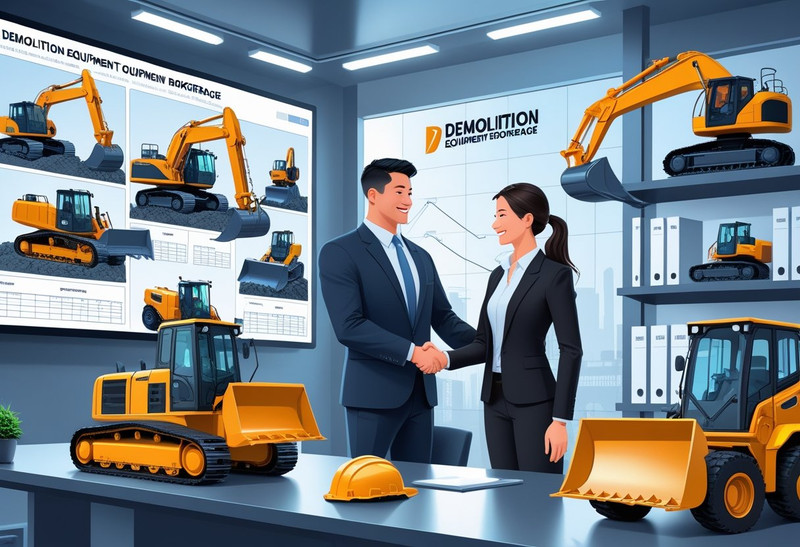
Demolition equipment brokerage helps you navigate complex sales and sourcing with a clear process that moves equipment quickly. By using a streamlined system, you stay in control while gaining expert support from valuation to final delivery.
Working with IronmartOnline gives your demolition equipment broad visibility, professional marketing, and direct access to qualified buyers. Their structured approach removes guesswork, strengthens decision-making, and protects every transaction.
In this guide, you’ll learn how brokerage works, what types of demolition machines are commonly brokered, and how brokers manage pricing, logistics, and negotiations. Each section is designed to simplify the process so you can sell or source equipment with confidence.
Key Takeaways
- Demolition equipment brokers connect sellers with qualified buyers quickly.
- Brokers handle marketing, pricing, and transport to simplify sales.
- Using a broker gives you access to a global audience and expert support.
What Is Demolition Equipment Brokerage?
Demolition equipment brokerage helps you buy or sell heavy machinery like excavators and material handlers used in demolition and scrap work. Brokers connect buyers and sellers, offering services that make these transactions smoother, faster, and more secure.
Definition and Core Services
Demolition equipment brokerage acts as a middleman between equipment sellers and buyers. Brokers list your machinery on multiple platforms to reach more potential buyers. They help you price the equipment fairly by providing appraisals and valuations based on market data.
You get marketing support, including listings on websites, social media, and email databases. Brokers handle negotiations, ensuring you get the best deal without dealing with tire-kickers or low offers. Some brokers offer financing options and coordinate heavy hauling so your equipment moves safely after the sale.
How Brokerages Operate
Brokers take your equipment details and market them widely. They vet potential buyers to reduce wasted time on unqualified leads. You keep control of your equipment until the sale is complete and payment is secured.
The brokerage uses online listings, emails, and social channels to attract buyers worldwide. They manage inquiries and offers so you don’t have to. This saves you from complicated negotiations and logistics. Brokers may charge no hidden fees and no long-term contracts, so you only pay when your equipment sells.
Brokerage vs. Direct Sales
Selling through a demolition equipment broker differs from selling directly to buyers or through auctions. Direct sales often require you to find buyers on your own, which can take longer and involve more hassle.
With a broker, you benefit from a large network and professional marketing tools you might not have access to. Auctions can be quicker but may result in lower offers and extra fees, while brokerages aim to give you transparency, control, and a fair deal.
Types of Demolition Equipment Brokered
Demolition equipment brokerage covers many types of machines, tools, and safety gear. Knowing what falls under each category helps you sell or buy the right equipment quickly and with confidence. You want clear options for heavy machinery, attachments, and essential protective gear.
Heavy Machinery
Heavy machinery includes large, powerful equipment used for major demolition work. Common types are excavators, bulldozers, and demolition shredders. Excavators fitted with specialized attachments can break down concrete, steel, and wood structures.
These machines are often high-value assets that require careful marketing. Brokers help reach millions of potential buyers worldwide. They ensure your machinery is priced right and stays listed until it sells. Financing and transportation coordination are part of the process, making it easier for you to close deals.
Attachments and Tools
Attachments range from grapples and shears to pulverizers and hammers. These tools fit onto your heavy machinery to perform specific demolition tasks, like cutting metal, sorting debris, or breaking concrete.
For example, demolition grapples attach to excavators and enable precision handling of scrap. Knowing the right size and fit is crucial—like pin openings and ear spacing—so you can pair tools with compatible machines. Attachments often sell separately from the heavy equipment, and a broker can showcase them to the right buyers globally.
Safety Gear
Safety gear is vital to protect workers on-site during demolition. This category includes helmets, gloves, respiratory protection, and visibility vests designed to meet safety standards.
While often less costly, safety equipment is essential for compliance and worker well-being. Brokers sometimes help sellers reach contractors or firms seeking reliable bulk purchases of certified safety gear. Selling through a broker ensures your gear gets exposed to buyers who need trusted, quality products for their teams.
How the Demolition Equipment Brokerage Process Works
Selling or buying demolition equipment involves several clear steps. You stay in control while a broker handles marketing, finds qualified buyers, and manages paperwork. This process helps you move equipment efficiently and for the best price.
Client Consultation
You start by sharing details about your equipment or what you're looking to buy. This includes the condition, age, brand, and any special features. During this step, the broker evaluates your equipment’s market value based on current demand and trends.
You also discuss your goals, timeline, and pricing expectations. This ensures that marketing and sales strategies fit your needs. Transparency is key—no hidden fees or contracts tie you down. By understanding your priorities, the broker can create a tailored plan to meet your goals efficiently.
Sourcing Equipment
Once your needs are clear, the broker taps into a broad network of buyers and sellers. Using multiple listing platforms, your equipment gets seen by millions worldwide. This includes websites, social media channels, and email marketing to targeted commercial buyers.
The broker filters serious buyers to avoid time wasters or low-ball offers. This vetting process protects your interests and speeds up the sale. If you’re buying, the broker helps you find equipment that fits your specs and budget by searching all available listings and negotiating on your behalf.
Transaction Management
After a buyer is found, the broker handles all negotiation details and paperwork. This includes securing funds before ownership transfers, so you avoid financial risk. You keep control of your equipment until payment is confirmed, adding a layer of security.
The broker coordinates inspections, financing options, and transportation logistics. This end-to-end support means you don’t have to juggle multiple contacts or worry about hidden costs. Clear communication throughout ensures you know what’s happening and when, keeping the process smooth and reliable.
Benefits of Using a Demolition Equipment Broker
Working with a demolition equipment broker gives you strong marketing reach, expert advice, and better deals. You save time and effort while getting access to quality equipment options and professional support through the entire sale or purchase. Below are key reasons why using a broker can help you.
Access to a Wider Inventory
When you use a demolition equipment broker, you gain access to a large variety of equipment that is hard to find elsewhere. Brokers list machinery on multiple platforms, reaching millions of buyers and sellers globally. This means you can find or sell equipment faster and with better choices.
You don’t have to spend hours searching through scattered listings or worry about missing good opportunities. The broker’s network covers trucks, shredders, material handlers, and other specialized demolition machines. This broad exposure improves the chances of connecting with the right match for your needs, whether you want to buy or sell.
Expert Guidance
Navigating demolition equipment sales can be complicated. Brokers offer expert advice on pricing, equipment value, and market trends so you can make smart decisions. You get help with appraisals and professional insights to set fair prices and avoid low-ball offers or time wasters.
A reliable broker will also guide you through buyer qualification, financing options, and paperwork. This reduces stress and keeps the sale secure. You have support every step of the way, from marketing analysis to finalizing the deal, giving you confidence and control.
Negotiating Power
Brokers bring strong negotiation skills and market knowledge to get you the best deal. Because they connect you with multiple qualified buyers or sellers, you can leverage competition to improve price and contract terms.
Your broker handles the back-and-forth with offers and counteroffers, saving you time and protecting your interests. This makes sure you avoid low offers and hidden fees. You keep control over the sale while the broker works to maximize your financial outcome with trusted buyers.
Choosing the Right Demolition Equipment Brokerage
Picking a good brokerage requires checking their history in the business, hearing from past clients, and making sure they follow all rules and hold the right licenses. These details help you sell your demolition equipment safely and for a fair price.
Evaluating Experience and Track Record
Look for a brokerage with a strong history in demolition equipment sales. They should have years of experience and a proven ability to connect sellers with serious buyers. Ask about how many machines they have sold and what types of equipment they handle most often.
A good broker will understand the demolition market, pricing trends, and buyer preferences. This knowledge ensures they can help you get the best value for your equipment.
Checking Reviews and References
Before choosing a broker, read reviews from past clients to see how well they perform. Positive feedback about communication, sales speed, and final prices paid shows reliability. Ask the brokerage for references so you can contact previous sellers.
Clear and honest reviews help you avoid brokers who overpromise or charge hidden fees. Sellers who feel in control and well-informed usually share this in their testimonials.
Verifying Licensing and Credentials
Confirm that the brokerage is licensed and follows all laws related to heavy machinery sales. Licensing ensures the company meets industry standards and operates legally. You can ask for their registration number or proof of certification.
A licensed broker also keeps proper contracts and handles payments securely. This protects you from scams or losses during the transaction.
Ask about any additional credentials specialized in demolition equipment sales. These may include certifications for handling hazardous items or adherence to safety rules that are important in this sector.
Working with a licensed and credentialed broker means your transaction has a solid legal foundation and that you can trust the equipment changes hands properly.
Key Considerations in Demolition Equipment Transactions
When buying or selling demolition equipment, you need to focus on three main areas: the condition of the equipment, how it is priced, and how it will be moved. Paying close attention to these points helps you avoid surprises and makes the process smoother.
Equipment Condition and Inspection
You should always check the equipment’s condition carefully before making a deal. Look for wear and tear common in demolition gear, such as damaged hydraulic lines, worn teeth on excavator attachments, or structural cracks.
Ask for detailed inspection reports or arrange a third-party inspection if possible. Knowing the machine’s service history, including recent repairs, can save you money and trouble later.
If you are selling, make sure to provide accurate and honest information about the equipment’s state. This builds trust and attracts serious buyers.
Safety and Compliance Requirements
Demolition equipment must meet strict safety standards before being sold or operated, and compliance issues often slow transactions. The Occupational Safety and Health Administration outlines specific requirements for machine guarding. They also regulate maintenance practices and operational safety in demolition environments.
These standards affect buyer confidence and can determine whether a sale advances or stalls. Including guidance on compliance helps sellers prepare documentation and inspections early.
Clear safety records also reduce risk for buyers and ensure the equipment enters its next project legally and safely.
Pricing and Valuation
Pricing demolition equipment depends on factors like brand, model, age, hours of use, and overall condition. Recent market trends and demand for specific types of machinery also affect value.
You can use appraisal services to get a data-backed price. This helps set a fair asking price and avoids low-ball offers. It also gives you clear reasons to justify your price to buyers.
Watch out for hidden fees or unexpected costs in the sale process. Transparent pricing means no surprises for you or the buyer.
Logistics and Delivery
Once the equipment sells, planning its transport is key. Demolition machines are often heavy and oversized. You will need specialized hauling services to handle permits, route planning, and loading.
Coordinate timing closely with the buyer to avoid storage fees or delays. Confirm who handles costs like insurance during transport. Clear communication ensures your equipment arrives safely and on time without extra hassle.
Demolition Equipment Brokerage Trends
The demolition equipment market is evolving with new tools, a stronger focus on eco-friendly options, and changing buyer demands. Understanding these shifts helps you sell smarter and get the best price for your equipment.
Technology Advancements
Technology is reshaping how demolition equipment is sold and marketed. Online platforms now reach millions of qualified buyers worldwide, making it easier and faster for you to connect with serious prospects.
Digital listings include detailed photos, videos, and specs, giving buyers clear insights without needing an in-person visit. Brokers use data analytics to price your equipment accurately based on market trends, helping you avoid low offers.
GPS tracking and telematics on machines provide proof of hours and condition. This transparency builds buyer trust and speeds up sales. Multi-channel marketing posts your equipment across multiple websites and email lists to widen exposure.
Sustainable Solutions
Sustainability plays a bigger role in demolition equipment sales. Buyers prefer machines that reduce fuel use and emissions or can handle recycling materials efficiently.
Attachments like specialized grapples allow you to sort and process scrap onsite, cutting waste and lowering disposal costs. High-torque, low-speed shredders reduce material size while saving energy, making them popular on the resale market.
If you have equipment with eco-friendly features, highlight those benefits. Showing buyers how your machinery supports green demolition can boost interest and value.
Market Dynamics
Demand for demolition equipment depends on construction cycles, government projects, and regulations. When infrastructure work increases, so does the need to sell or upgrade machines.
You may notice more buyers looking for used machinery to save costs, especially with financing options like zero-down offers. Brokers vet buyers, ensure serious inquiries, and handle negotiations to get you top dollar.
The rise of online sales lets you sell globally without moving your equipment. This wider reach reduces selling time and gives you control over your listing until the sale is final.
Legal and Regulatory Factors
When selling demolition equipment, you need to follow several legal rules. These include safety standards, environmental laws, and equipment registration. You must ensure your equipment meets all current regulations before selling.
Documentation is essential. You should provide clear titles, maintenance records, and any safety certifications. This helps protect you from legal issues and builds trust with buyers.
Certain equipment may require compliance with emissions or noise limits. Knowing these rules helps avoid fines or delays. Always check local, state, and federal requirements for the area where the equipment will be used.
Key legal points to consider:
|
Area |
What to Check |
|
Equipment Titles |
Proper ownership and transfer |
|
Safety Compliance |
OSHA and other safety standards |
|
Environmental |
Emissions, disposal requirements |
|
Registration |
State and local permits |
Following these legal and regulatory factors keeps your sales smooth and trouble-free. You stay in control, knowing everything is handled right.
Future Outlook for Demolition Equipment Brokerage
You can expect the demolition equipment brokerage market to grow steadily. As construction and demolition projects increase, more businesses will need fast and reliable ways to buy and sell used equipment. This makes a strong case for brokers who connect sellers with ready buyers efficiently.
Technology will play a bigger role in marketing and sales. More digital tools will improve buyer screening and secure payments, helping you avoid time wasters and low-ball offers.
Sustainability will also shape the future. Reusing and recycling equipment reduces waste and saves money. You benefit from brokers who understand these trends and help position your equipment as a cost-effective and eco-friendly option.
Here’s what you can count on from a good demolition equipment broker:
- Wide global reach: Access millions of qualified buyers
- Transparent, no-hidden fee model: You stay in control of your sale
- End-to-end service: From pricing to hauling assistance
- Fast, secure transactions: Protected payments before equipment changes hands
Using a brokerage service means less stress, faster sales, and better prices. Your equipment stays listed until it sells, so you don’t have to worry about timing.
The future is about smarter, easier selling. With trusted support, you can focus on your business while the broker handles the details.
Why Brokerage Simplifies Every Demolition Equipment Transaction
Selling or sourcing demolition equipment is easier when you work with a structured process that supports pricing, inspections, marketing, and logistics. A well-run brokerage removes uncertainty, provides market insight, and speeds up connections with qualified buyers.
By working with IronmartOnline, you gain a trusted partner that emphasizes transparency, reach, and seller control at every step. Their expertise keeps transactions efficient while maintaining clear communication and dependable support.
If you're ready to sell or source demolition equipment with confidence, now is the time to take action. Call us to get started today and move your equipment with a process designed to work in your favor.
Frequently Asked Questions
You want clear answers about finding and buying demolition equipment. This includes knowing where to look, how to pick good gear, and how to take part in auctions safely.
How do I find reputable demolition equipment brokerage companies near me?
Look for brokers with a strong online presence and verified customer reviews. You can also ask local contractors or industry groups for recommendations.
What are the top-rated demolition equipment brokerages?
Top brokerages list equipment across multiple platforms to reach the biggest audience. Choose companies that offer transparent fees, seller control, and handle everything from marketing to logistics.
Where can I find used demolition equipment for sale?
Used demolition equipment is listed online on specialized broker websites and marketplaces. You can also find listings through heavy equipment brokers who vet buyers and sellers.
Can you guide me to heavy equipment auctions in my area?
Local auctions happen regularly, but check their reputation and the type of equipment featured before attending. Auction listings are often online. Brokers sometimes provide auction info and can help you understand the process for better bidding.
What are the best practices for purchasing second-hand demolition equipment?
Always inspect equipment in person or hire a professional inspector. Verify maintenance records and check for damage or wear that might affect performance. Work with brokers who support pre-buy inspections and offer buyer qualification to avoid issues.
How do I ensure the quality of used equipment bought at auction?
Set a clear budget and stick to it. Research the model’s history and common issues before bidding. Attend a pre-auction inspection or ask sellers for detailed information. Auction purchases usually come “as is,” so use caution and do your due diligence.