
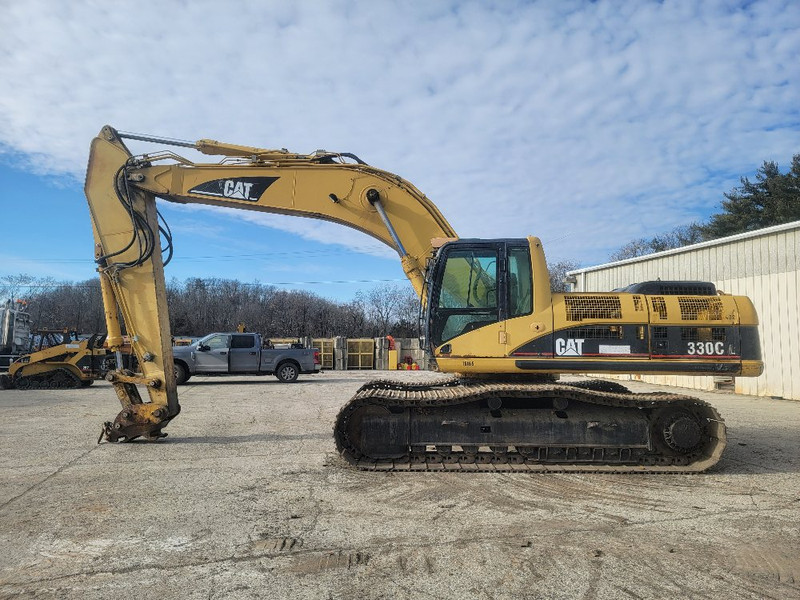
You want a real number, not just a ballpark guess. Your heavy equipment’s value hinges on the model, age, hours, condition, actual sales, and what buyers will pay right now. When we put those together, we get a market value you can actually use.
You can get that value fast by checking comparable listings, recent auction results, and professional appraisals. A broker with serious reach will test demand and bring you real offers - no need to waste your time.
If you want speed and wide exposure, our team at IronmartOnline markets your equipment across multiple high-traffic channels, qualifies serious buyers, and guides pricing with real market data - so you stay in control and avoid low-ball offers.
Heavy Equipment Valuation
Valuing heavy equipment means looking at condition, hours, demand, and recent sales. You’ll see which details push value up or down, what machines get the most attention, and how age and wear play into the final number.
Factors That Affect Equipment Value
Condition and hours matter most. Track total engine hours, keep up with maintenance, and note any major repairs. Machines with solid service records and new big-ticket parts (hydraulics, transmissions, engines) always sell higher.
Model and attachments come next. Popular models from trusted brands hold value better. Quick-couplers, big buckets, GPS systems, or cold-weather kits all bump up resale.
Market demand and your region play a big role. If there’s a local rush for excavators or road gear, prices climb. Seasonality - like paving season or harvest - can bump offers up too.
Title, liens, and how easily you can move the machine all affect buyer interest. A clean title and easy transport make things smoother and usually mean a better sale price.
Heavy Equipment Commonly Appraised
Appraisers see a lot of excavators, wheel loaders, dozers, graders, backhoes, skid steers, and articulated trucks. Each has its own value triggers—excavators rely on boom and stick condition, loaders on bucket size and axles.
Specialty machines like forklifts, compactors, and pavers need extra checks. Forklift mast wear, compactor drums, and screed hours on pavers all matter.
Trailers, trucks, and attachments get appraised separately too. Sometimes, a good trailer or high-demand attachment boosts the whole package beyond what you’d get selling them apart.
Depreciation and Age Considerations
Equipment doesn’t follow a neat depreciation curve. Heavy gear drops fast in value early, then slows down if you keep it up. Expect the biggest hit in the first 5–7 years, then a slower fade.
How you use it matters more than just its age. A 10-year-old machine with low hours and recent rebuilds could be worth more than a 5-year-old that’s been run hard. Parts availability and emissions rules can also drag down older models, especially where emissions are strict.
Rebuilds and certifications help fight depreciation. If you’ve got proof of recent engine or transmission work, solid inspections, or emissions compliance, buyers will pay more.
How to Work Out What Your Heavy Equipment Is Worth Today
You need a real-world, up-to-date price for your machine. Use market data, online tools, and maybe a professional appraisal to set a fair price and avoid getting low-balled.
Methods for Assessing Current Market Value
Start by comparing recent sales for your make, model, and year. Look at hours, maintenance, attachments, and condition—a well-kept, low-hour machine always fetches more.
Adjust for your location and demand. If there’s a local shortage or big projects, prices go up. Don’t forget to factor in transport costs and any downtime before the sale.
There are three main approaches: comparable sales (what similar machines sold for), income approach (if it’s earning money), and cost approach (replacement cost minus wear). Weigh them and pick a price that fits your market and timeline.
Online Tools and Value Calculators
Check industry listing sites and classified histories for asking and sold prices on similar equipment. Filter by model, year, hours, and region to get a closer match.
Value calculators can spit out quick numbers, but they’re only as good as what you put in. Enter real hours, service history, and attachments for better results. Treat these numbers as a starting point, not gospel.
Watch active listings for a month or two to see where prices are moving. Save screenshots or links to back up your price when negotiating. Our broad reach can show you where similar machines are actually selling.
Professional Appraisal Services
Hire a certified equipment appraiser if you need a value that holds up for loans, insurance, or taxes. Appraisers check the machine, look at your records, and use local sales to back up their numbers.
A written appraisal gives you a solid, defendable value for buyers or lenders. You’ll pay a fee, but it can speed up the sale and fend off low offers.
Pick an appraiser with real experience in your machine type. Ask for sample reports and where they get their data so you know how they’re coming up with numbers.
Gathering Information for Accurate Valuation
Get clear, specific details about your machine: condition, service history, and exact model info. These are what drive value and make any appraisal or sale go faster.
Documenting Equipment Condition
Walk around and note any wear—dents, rust, cracked glass, leaks, tire or track wear. Snap dated photos from all angles: front, back, sides, engine bay, cab, and close-ups of any issues.
Record hours and any recent repairs or new parts. Pay attention to how it starts, idles, and works under load. Check if attachments or hydraulic lines have play or leaks.
Use a checklist so you don’t forget anything: frame, hydraulics, drivetrain, electrical, tires/tracks, cab controls, safety gear. A clear log helps buyers trust you and makes your valuation more accurate.
Recording Service and Maintenance History
Pull together invoices, service logs, and parts receipts for the last few years. List out routine work: oil changes, filters, hydraulic flushes, and any big repairs like engine or transmission jobs.
Note dates, shop names, and hours at each service. Highlight big-ticket items like hydraulic or engine replacements, turbochargers, or undercarriage work.
If you used OEM parts or factory shops, mention that—buyers love proof of professional care. Missing records make buyers nervous and can drag down your price.
Identifying Manufacturer and Model Details
Write down the exact make, model, year, and serial/VIN. Double-check data plates and engine serials.
List all factory options and aftermarket add-ons: GPS, quick couplers, heated cabs, upgraded hydraulics, special buckets. Note original specs like horsepower, weight, and transmission.
Accurate model info helps buyers and appraisers match comps and set depreciation. Wrong or vague IDs slow things down and can hurt your value.
Trending Market Conditions for Heavy Equipment
Market swings are hitting prices faster than before. Supply issues, strong project pipelines, and buyer activity on multiple channels can shift values in a hurry.
Impact of Supply and Demand
When buyers outnumber machines, your value goes up. Watch for construction booms, municipal projects, or big infrastructure work—these drive up demand for excavators, loaders, and trucks.
If a bunch of similar units hit the market at once, prices drop. Fleet retirements, seasonal trade-ins, or lots of listings can flood the market. Keep an eye on how many comps are online and how quickly they move.
Buyers love certain brands and low-hour machines. If yours has recent service, low hours, or hot attachments, you can ask more. Use multiple channels to get your listing in front of as many buyers as possible.
Seasonal Price Fluctuations
Season matters for some gear. Spring and summer usually mean higher prices for earthmovers, paving, and landscaping equipment—contractors are busy. List before peak season if you want top dollar.
Winter slows down in a lot of places, but snow work and specialty jobs keep demand up for certain trucks and loaders. If you list off-season, highlight storage, service, and financing.
Timing depends on your region. Warm areas stay busy year-round, northern markets have clear peaks. Flex your price: hold firm in the busy season, but be ready to negotiate when things slow down.
Maximizing the Value of Your Heavy Equipment
Keep up with records, fix problems early, and focus on upgrades buyers actually want. Small, smart investments and clean paperwork usually add more value than a flashy paint job.
Tips for Maintaining Higher Resale Value
Keep a detailed service log—dates, hours, parts, who did the work. Buyers pay more when they see solid maintenance history. Change fluids and filters on time and record each one.
Replace wear parts early: tires/tracks, hoses, pins, bushings. These show you’ve cared for the machine and keep it running right. Don’t ignore leaks or engine smoke.
Wash and protect the outside and cab. Clean machines look better in photos and say you cared. Store under cover if you can to fight rust and sun damage.
Hang onto manuals, keys, and emissions papers. A clean title and inspection docs speed up the sale and cut down on haggling.
Upgrades and Repairs That Matter
Put your money into mechanical reliability, not just looks. Rebuild or swap transmissions, hydraulics, or engines if they’re near the end. Buyers will pay extra for a machine that’s ready to work.
Only spend on expensive wear parts if you’ll get it back in the sale price. A new undercarriage on a crawler, for example, often pays off more than a new coat of paint.
Add upgrades that buyers want: GPS controls, quick-couplers, heavy-duty buckets, safety lighting. These are easy to list and attract serious buyers.
Keep receipts and before/after photos for any upgrades. Showing what you did and what it cost builds trust and supports a higher price. Consider a professional appraisal or broker marketing (like IronmartOnline) if you want help with pricing and buyer reach.
Selling Your Heavy Equipment
Selling heavy equipment starts with knowing where to reach qualified buyers and how to price your machine with confidence. Serious buyers look for accurate details, clear photos, maintenance records, and a number that reflects real market demand - not guesses. Our approach keeps you in control while eliminating the time-wasters that slow most private sales.
Choosing the Right Sales Channel
The right exposure is everything. We distribute listings across multiple high-traffic platforms, direct email, industry channels, and social networks to reach motivated buyers fast. You keep ownership of your equipment the entire time, while we handle the marketing, buyer screening, negotiations, and the back-and-forth that drains your schedule.
If speed matters, our multi-channel reach helps your equipment get in front of contractors and commercial buyers quickly. If your goal is top dollar, we test demand across our network and bring you verified offers, ensuring you never deal with low-ballers or unqualified leads. Every listing includes clear photos, detailed information, and the documentation buyers need to move with confidence.
Setting a Competitive Asking Price
Accurate pricing starts with real data — recent sales, live market conditions, make, model, hours, and overall condition. We analyze all of it to help you set a number that attracts qualified buyers while still protecting your bottom line. Most sellers aim slightly above their target to leave room for negotiation, and we guide that strategy based on current demand.
Being upfront about terms also accelerates serious offers: inspection windows, payment requirements, attachments included, and who handles hauling. We make those details clear so buyers can act quickly and you stay in the driver’s seat from first inquiry to final payment.
Common Mistakes to Avoid in Heavy Equipment Valuation
Don’t just look at age or hours—two machines the same year can have totally different histories and add-ons that change value.
Skipping a pro appraisal can cost you. A certified value shows market trends and makes buyers more confident.
Relying on one online price guide isn’t enough. Market demand, region, and current listings change fast, so check several sources.
Ignoring repair or transport costs eats into your return. Figure in hauling, prep, and inspections before you set your price.
Overpricing because you’re attached to the machine turns buyers away. Be realistic to get serious offers and sell faster.
Jumping at the first offer risks leaving money on the table. Let buyers compete and check them out to avoid time-wasters.
Not keeping service and ownership records kills trust. Hang onto records, photos, and details to prove condition and uptime.
Limiting your marketing to one channel means fewer buyers. Services like IronmartOnline use multiple platforms to get your machine in front of more qualified people and boost your sale price.
Final Thoughts: Get a Value You Can Actually Use
Knowing what your heavy equipment is worth today isn’t about guessing or relying on a single number from an online tool. It’s about combining real market data, condition, demand, and timing to arrive at a price that attracts serious buyers and protects your bottom line. When you understand what drives value — and what holds it back — you’re in a much better position to sell confidently and efficiently.
Whether you’re planning ahead or ready to sell now, taking the time to document your machine, review current sales, and test demand can mean the difference between a quick, low offer and a strong, competitive sale. And if you want help validating pricing, reaching qualified buyers, and avoiding the usual headaches, IronmartOnline provides the reach, market insight, and hands-on support to help you move forward with clarity — no surprises, no pressure, and full control from start to finish.
Frequently Asked Questions
Here are some real-world answers to common questions about figuring out and checking the value of your heavy equipment. You’ll get practical steps and tools you can actually use.
How can I find out the current market value of my heavy equipment?
Check recent sold listings for your make, model, year, and hours. Compare condition, attachments, and location, and adjust prices from there.
If you need a certified value for insurance, financing, or a sale, get a professional appraisal. Brokers and appraisers can spot trends you might miss.
What methods are available to calculate the resale value of my machinery?
Look at comparable sales for similar specs, hours, and condition.
Use depreciation schedules based on age and hours for a rough estimate. Don’t forget to factor in recent maintenance or big repairs.
Where can I find equipment value guides similar to the Blue Book for heavy machinery?
Check online marketplaces and broker platforms that show transaction history and price ranges. Industry forums and trade groups sometimes share recent sale prices.
Reach out to reputable brokers or appraisers for guides and market reports. They’ll have region-specific data for construction and trucking.
Is there a free tool for estimating the value of used heavy equipment?
Some listing sites and broker pages offer free price ranges and sold-listing searches. Use them to get a quick sense of the market.
Free estimates are fine for a ballpark figure, but expect some variation. For a firm asking price or loan value, pay for a formal appraisal or broker valuation.
How should I go about determining the worth of used construction equipment?
First, jot down the basics: make, model, year, hours, VIN, and whatever attachments come with it. Don’t forget to mention any recent repairs, service history, or upgrades—even the little fixes can matter.
Look at what’s selling nearby and think about transport costs. If the machine’s a common sight in your area, it’ll probably move quickly. For rare or specialty gear, you might need to wait for the right buyer, but sometimes that means a better price. IronmartOnline has seen both sides of this—sometimes it’s a waiting game, sometimes it’s a quick turnaround.
What are the steps to evaluate my heavy machinery's value accurately?
- Collect all your paperwork—service records, usage hours, the title, and snap several photos from different angles.
- Check out recent sales of similar machines in your area.
- Factor in things like condition, any attachments, and what buyers are actually looking for right now.
- If you really need an exact number, consider bringing in a broker or certified appraiser.
And hey, if marketing feels overwhelming, IronmartOnline can help get your equipment in front of more buyers and handle some of that screening hassle too.