Description
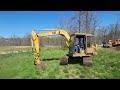
1989 CAT E70B EXCAVATOR - 30” Bucket, Mitsubishi, Excellent Condition-Runs Strong
Specs and Dims
Description Continued...
1989 CAT E70B Excavator
Quick answer: The 1989 CAT E70B is a 7-ton hydraulic excavator built for light to medium excavation work. Key buying factors include undercarriage condition, hydraulic system health, and documented service history. A well-maintained unit can still deliver reliable performance — but skipping inspection is the fastest way to inherit someone else's problems.
The CAT E70B was Caterpillar's answer to a growing demand for compact, maneuverable excavators in the late 1980s. At roughly 7 metric tons operating weight and a dig depth of around 14 feet, this machine was built for utility work, landscaping, trenching, and tight job sites where a larger machine has no business being.
Decades later, these units still trade hands. The question isn't whether the E70B is capable — it is. The question is whether the specific machine you're looking at is worth your money.
What Are the Core Specs of the 1989 CAT E70B?
The E70B runs a Caterpillar 3204 diesel engine producing approximately 52 horsepower. Standard configuration includes:
- Operating weight: ~15,600 lbs
- Max dig depth: ~14 ft
- Bucket capacity: ~0.28 cu yd (standard)
- Swing radius: compact, suited for restricted sites
- Hydraulic system: load-sensing, pilot-controlled
These numbers put the E70B squarely in the mini-to-mid excavator range. It won't move the earth a large-class machine moves, but it gives you precision and site access that bigger iron can't match.
What Should You Inspect Before Buying a 1989 CAT E70B?
A 35-year-old machine has 35 years of wear. Three areas will tell you more about the unit's real condition than any seller's description.
Undercarriage. This is where your money goes first if the machine has been worked hard. Check track pad thickness, sprocket wear, and roller condition in person. An undercarriage rebuild on a machine this size runs $8,000–$18,000 depending on parts and labor. That cost should factor directly into your offer price.
Hydraulic system. Slow or jerky boom, stick, or bucket movement signals seal wear or pump fatigue. Cycle all functions under load. Watch for drift — any unintended movement when the controls are released points to internal leakage.
Engine and hours. The 3204 is a proven powerplant, but verify hours independently where possible. A unit showing 4,500 hours with a complete service history tells a better story than one with 2,800 hours and no paperwork at all.
How Do You Evaluate a Fair Price for a 1989 CAT E70B?
Prices on 1989 E70B units typically range from $8,000 to $22,000 depending on condition, hours, attachments, and location. The spread is wide because condition varies enormously at this age.
A freshly serviced unit with undercarriage work already done sits at the top of that range. A runner with deferred maintenance belongs at the bottom — or off your list entirely.
Don't negotiate based on asking price. Negotiate based on documented condition. Every repair you can identify before purchase is a credit against the seller's number.
Is the CAT E70B Still Worth Buying in 2025?
For light excavation, landscaping, utility trenching, or farm use — yes, a well-maintained E70B is still a productive machine. Parts availability through CAT's dealer network and the aftermarket remains reasonable for a machine of this era.
The case against it: fuel efficiency and operator comfort don't match modern compact excavators. If you're running the machine daily on a commercial job site, a newer unit with lower hours and a warranty may be the smarter long-term decision.
The case for it: the purchase price is a fraction of a current-year equivalent. For occasional use or budget-constrained operations, a clean E70B delivers real value.
Choose a 1989 E70B if low acquisition cost matters more than fuel savings or cab comfort. Choose a newer unit if daily productivity and reduced downtime risk are the priority.
Final Word: Buy the Condition, Not the Brand
CAT builds durable machines. The E70B is proof of that — these units are still working nearly four decades after production. But durability doesn't make every unit a good deal.
Inspect in person. Run every hydraulic function. Check the undercarriage wear before you agree to a price. A machine that passes those tests at a fair number is worth buying. One that doesn't isn't, regardless of what the seller says about it.
Know what you're walking into before you write the check.
Frequently Asked Questions
What engine does the 1989 CAT E70B use?
The 1989 CAT E70B is powered by a Caterpillar 3204 diesel engine producing approximately 52 horsepower.
What is the operating weight of the CAT E70B?
The CAT E70B has an operating weight of approximately 15,600 lbs (roughly 7 metric tons).
What is a fair price for a 1989 CAT E70B excavator?
Depending on condition, hours, and attachments, expect a price range of $8,000–$22,000. Units with documented service history and recent undercarriage work sit toward the top of that range.
What is the most expensive repair on a CAT E70B?
Undercarriage rebuilds are typically the highest repair cost, ranging from $8,000 to $18,000 for a machine this size. Inspect track pads, sprockets, and rollers before purchasing.
Are parts still available for the 1989 CAT E70B?
Yes. Parts remain available through Caterpillar dealers and the aftermarket, making the E70B a serviceable option despite its age.