
Table of Contents
- Why Accuracy Matters When Valuing Your Machinery
- 1. Secure Financing and Asset-Based Lending
- 2. Get the Right Insurance Coverage at the Right Premium
- 3. Support Tax Reporting and Maximize Deductions
- 4. Make Informed Decisions for Mergers and Acquisitions
- Fair Market Value vs Liquidation Value: What's the Difference?
- How to Price Used Construction Equipment With an Appraisal
- 5. Gain a Defensible Position in Disputes and Litigation
- What Does a Professional Appraisal Cost?
- Get a Professional Equipment Appraisal Before You Sell
- Frequently Asked Questions
Last Updated: September 9, 2026
Why Accuracy Matters When Valuing Your Machinery
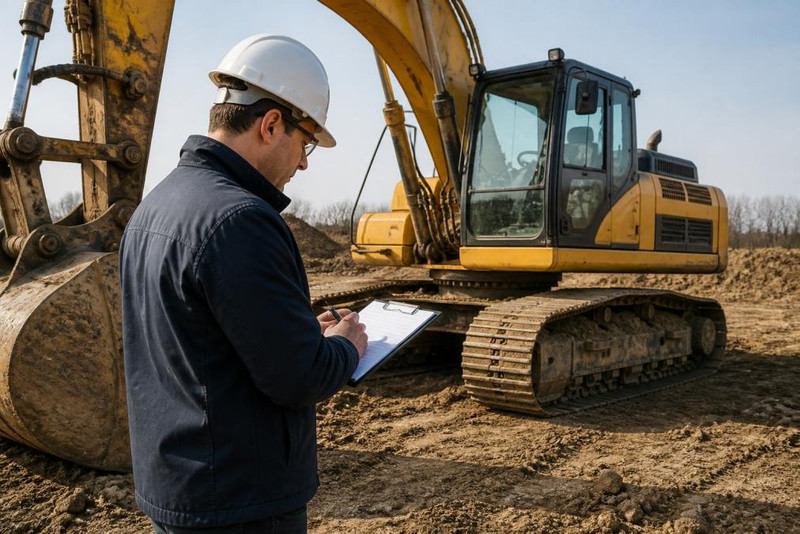
Professional equipment appraisal is the systematic process of determining the fair market value of machinery and tangible assets through documented inspection and analysis. Selling a used excavator or dozer without an accurate valuation is like pricing a house without ever walking through it. You might get lucky, but you are far more likely to leave significant money on the table or scare away serious buyers with an inflated asking price. The difference between a guess and a defensible valuation often amounts to thousands of dollars on a single machine.
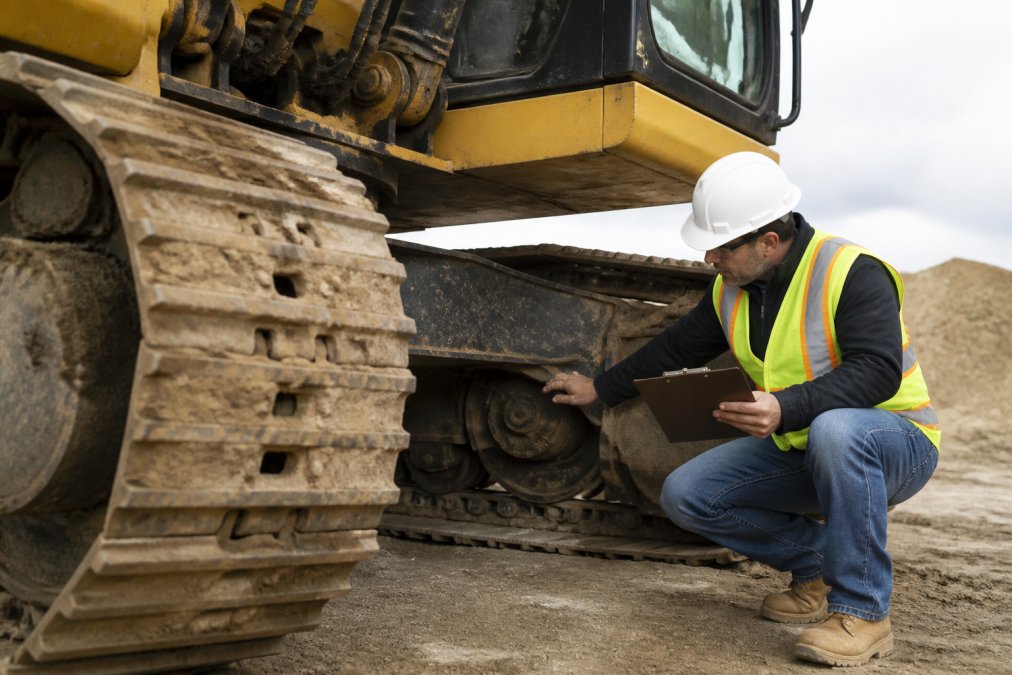
Why use Ironmartonline equipment broker when you already have a machine to sell? Because an accurate appraisal is the foundation of a profitable sale, and our brokerage expertise ensures that valuation translates into real buyer interest across nine specialized web-based selling platforms. The Ironmartonline team has seen too many owner-operators list machinery based on gut feeling, only to watch it sit idle for months. Certified appraisers are trained by financial experts to identify specific value drivers and asset conditions that non-certified individuals often overlook, according to the Association of Machinery and Equipment Appraisers.
A professional appraisal establishes a credible baseline for every transaction that follows, whether you are negotiating with a buyer, securing a loan, or settling an insurance claim. Below, we break down the five concrete ways an appraisal protects your bottom line, and where the process fits into a smart selling strategy.
1. Secure Financing and Asset-Based Lending
Equipment appraisal is the backbone of asset-based lending, where lenders use your machinery as collateral for a loan. Banks and credit unions will not take your word on what a machine is worth. They require a certified valuation that meets USPAP compliance standards before they commit capital.
A professional appraisal for financing gives you negotiating use. When the certified appraiser documents the physical condition, economic life, and replacement cost of your equipment, the lender can underwrite with confidence. This often means you can borrow against a higher percentage of the machine's true value rather than a conservative estimate a lender's internal team might assign. For contractors needing to free up cash for payroll or a new project bid, this difference is the line between winning work and watching it go to a competitor.
Appraisal reviews conducted under USPAP standards significantly increase the reliability of valuations for attorneys, CPAs, and business owners, notes NorCal Valuation. That reliability is exactly what lenders want to see in your loan file.
2. Get the Right Insurance Coverage at the Right Premium
Insurance underwriting depends on accurate replacement cost figures, and an equipment appraisal delivers precisely that. Insure your machinery for too little and a total loss leaves you unable to replace the asset. Insure for too much and you pay premiums on coverage you can never collect.
A certified appraiser determines the actual replacement cost based on current dealer pricing and market trends, not the original purchase price from a decade ago. This valuation method accounts for depreciation, salvage value, and the specific attachments that change what a machine is worth. The appraisal report becomes the documentation your insurer uses to set premiums and, more importantly, the evidence you present if you need to file a claim.
Professional appraisals are required to ensure compliance with IRS regulations for equipment donations to maximize tax benefits, and the same rigorous documentation protects you in an insurance dispute, according to Equipment Appraisal. Without it, you are trusting the adjuster to decide what your machine was worth.
3. Support Tax Reporting and Maximize Deductions
Tax liability on equipment sales and donations is calculated from the asset's value, so an appraisal directly affects what you owe. The IRS expects taxpayers to substantiate deductions and report gains accurately. A certified equipment appraisal provides the audit trail you need if the return is ever questioned.
Depreciation tracking is another area where professional valuation earns its fee. An appraiser documents the economic life and physical condition of your machinery, which feeds directly into capital expenditure planning and financial reporting. When you know exactly what an asset is worth at any point in its life, you can time sales and replacements to minimize tax exposure.
BCAM Asset Management found that implementing professional equipment valuation for asset management enhanced operational efficiency and reduced cost risks for business owners, as reported by BCAM Asset Management. That is the practical payoff of knowing your numbers before tax season arrives.
4. Make Informed Decisions for Mergers and Acquisitions
Equipment appraisal is essential during mergers and acquisitions, where the value of tangible assets can make or break a deal. Buyers and sellers rarely agree on what machinery is worth without an independent, certified valuation to anchor the negotiation.
During due diligence, an appraisal report identifies not just what equipment is worth today, but its remaining economic life and likely replacement cost. This information shapes the purchase price, the allocation of assets, and the financing structure of the entire transaction. A seller who skips the appraisal risks accepting a lowball offer based on the buyer's optimistic depreciation schedule.
The same logic applies to estate settlement and insolvency proceedings. Courts and beneficiaries need a defensible valuation of equipment assets, and an appraisal prepared to USPAP standards carries weight in arbitration and litigation. Appraisal Dream notes that AI is increasingly used to pull current dealer pricing and historical cost data for Replacement Cost New lookups faster than manual searches, but that technology still requires a certified appraiser's judgment to interpret the results for unique asset conditions.
Fair Market Value vs Liquidation Value: What's the Difference?
The distinction between fair market value and liquidation value determines how you price used construction equipment, and mixing them up is a costly error.
Fair market value assumes a willing buyer and a willing seller, neither under pressure, with reasonable time to complete the transaction. This is the figure you want when selling machinery through a brokerage or planning for financing.
Liquidation value assumes a forced sale within a limited timeframe, often at auction or under distress. This figure is typically lower because the buyer knows the seller must move the asset quickly.
Fair Market Value Defined
Fair market value is the price a machine would fetch on the open market between informed parties acting in their own best interest. Certified appraisers determine this by analyzing comparable sales, current market trends, and the specific condition of your equipment. This valuation method supports financing, insurance, and tax reporting, where the assumption of a reasonable sale timeline holds true.
Liquidation Value Defined
Liquidation value reflects a sale under compulsion, where time constraints reduce the pool of potential buyers. Auction houses and liquidators work in this framework, and the resulting prices often run well below fair market value. Understanding this distinction matters because it sets realistic expectations. If you need cash within 30 days, you are operating in liquidation territory. If you can wait for the right buyer, fair market value is your target.
| Valuation Type | Assumed Timeline | Typical Use Case | Expected Price Level |
|---|---|---|---|
| Fair Market Value | Reasonable, flexible | Financing, insurance, brokerage sale | Higher, reflects open market |
| Liquidation Value | Forced, short | Auctions, distress sales | Lower, reflects time pressure |
How to Price Used Construction Equipment With an Appraisal
Pricing used construction equipment starts with a certified appraisal that establishes fair market value, then adjusts for market conditions and buyer demand. The appraisal report gives you a defensible number, not a guess, to anchor your asking price.
Working with a heavy equipment broker adds another layer. At Ironmartonline, we connect your appraised machine with millions of potential buyers through nine specialized web-based selling platforms, with no contracts and no hidden fees. The appraisal tells you what the machine is worth; the brokerage tells you who is willing to pay it. This combination of certified valuation and broad market reach is what separates a quick sale at a fair price from a listing that lingers for months.
5. Gain a Defensible Position in Disputes and Litigation
When a dispute escalates to litigation or arbitration, the conversation shifts from what a machine is "worth" to what you can prove it is worth. In that arena, an unsubstantiated opinion is worthless. A certified appraisal, prepared under the Uniform Standards of Professional Appraisal Practice (USPAP), transforms your claim into a documented, methodical argument that can withstand cross-examination.
The Evidentiary Weight of a USPAP-Compliant Report
Courts and arbitrators do not accept valuations on faith. They rely on evidence that meets specific standards of reliability. A USPAP-compliant appraisal report is designed to be that evidence. It outlines the scope of work, the definition of value used (e.g., Fair Market Value vs. Liquidation Value), the effective date of the valuation, and the methodology applied. This structure allows the court to see the appraiser's reasoning, not just the conclusion.
Standard 3 of USPAP governs the appraisal review process, providing a framework for evaluating the accuracy and reasonableness of another appraiser's work. This is critical in litigation because it allows the opposing side to challenge a flawed report, and it protects your position if your report is the one being challenged. A report that follows USPAP guidelines is far more difficult to dismantle than a simple letter of opinion.
The Appraiser as an Expert Witness
The value of the appraisal extends beyond the written document. The appraiser who authored the report can serve as an expert witness. Their testimony is not just about the number; it is about the process. They can explain why a specific comparable sale was chosen, how market conditions were analyzed, and why the physical condition of the asset justified a particular adjustment.
A common pattern in partnership dissolutions is one partner wanting to buy out the other's share of the equipment. The departing partner gets an appraisal that reflects the replacement cost of the machinery. The remaining partner argues the equipment is worth less because it would take months to sell at auction. The appraiser's testimony clarifies the distinction between Fair Market Value (the standard for a buyout) and Liquidation Value (the standard for a forced sale), giving the court the framework to make a fair decision.
Where Appraisals Matter Most in Disputes
- Partnership Dissolutions: Establishing a fair buyout price for shared equipment.
- Insurance Claims: Disputing an adjuster's lowball settlement offer after a loss.
- Bankruptcy Proceedings: Valuing collateral for creditors and the court.
- Estate and Probate Litigation: Defending the valuation of inherited equipment against challenges from beneficiaries.
- Breach of Contract: Quantifying damages when a deal falls through and equipment was not sold at the expected price.
The Cost of a Weak Position
Without a certified appraisal, you are left arguing opinion against opinion. The opposing side will bring in their own expert, and the court will have to decide whose narrative is more believable. That is a coin flip. With a USPAP-compliant appraisal and a qualified appraiser on the stand, you are presenting a defensible, methodical case. The difference is not just the outcome of the dispute; it is the cost of getting there. A well-documented appraisal can often facilitate a settlement before trial, saving both parties the significant expense of extended litigation.
What Does a Professional Appraisal Cost?
Professional appraisal fees are a function of scope, asset type, and report purpose. Understanding that structure is the first step in a cost-benefit analysis.
The Fee Structure: What You Are Actually Paying For
Appraisal fees typically fall into one of three models:
- Per-Asset Pricing: Common for a small fleet or a single high-value machine. A straightforward, on-site appraisal of a single excavator might be quoted as a flat project fee. The price scales with the complexity of the inspection, not just the machine's sticker price.
- Per-Diem Plus Expenses: Used for large, multi-site portfolios where the appraiser travels to inspect assets. You are paying for the appraiser's time on-site, travel costs, and the subsequent report preparation time.
- Percentage of Value: Less common for individual pieces but sometimes used for entire plant liquidations. This model aligns the appraiser's incentive with the final valuation figure, though it is rare in the construction equipment sector.
The intended use of the report also dictates the price. A narrative appraisal report prepared for litigation or IRS compliance is significantly more detailed, and more expensive, than a shorter-form valuation used for internal asset management. The former requires extensive market comparables and methodology explanations; the latter is a data point.
The ROI of the Appraisal Fee: A Simple Math Exercise
Here is the mechanism that justifies the fee in nearly every scenario:
- Financing: A certified appraisal that supports a loan-to-value ratio increase of just 5% on a $200,000 piece of equipment frees up an additional $10,000 in capital. The cost of the appraisal is a fraction of that newly accessible cash.
- Insurance: Over-insuring a $150,000 machine by 10% means you are paying premiums on $15,000 of coverage you can never collect. The annual premium difference between insuring for $150,000 versus $165,000 often exceeds the one-time cost of the appraisal that corrects the figure.
- Tax Reporting: An accurate valuation for a like-kind exchange or charitable donation substantiates the deduction. A 10% overstatement of value on a $100,000 donation could trigger penalties and interest that dwarf the appraisal fee.
The Hidden Cost of Skipping the Appraisal
The cost-benefit analysis is incomplete without weighing the risk of not getting one. A common pattern is the owner who relies on a gut feeling or a quick online search for a price guide. That number is often a retail asking price, not a fair market value. When that owner tries to secure a loan, the bank's internal review will discount that number, reducing the available credit line. When they file an insurance claim after a total loss, the adjuster's valuation, based on actual market sales, not asking prices, becomes the settlement figure, leaving the owner short of the funds needed to replace the asset.
:::tip The Decision Framework For a precise quote, contact an appraisal firm with a detailed equipment list and the specific purpose of the valuation. The quote you receive will be tied to the complexity of the report, not a vague hourly rate.
For a precise quote, contact an appraisal firm with a detailed equipment list and the specific purpose of the valuation. The quote you receive will be tied to the complexity of the report, not a vague hourly rate.
Get a Professional Equipment Appraisal Before You Sell
The five benefits of professional equipment appraisal, from securing financing to building a defensible legal position, all point to the same conclusion. An appraisal is not an expense; it is an investment that protects your equity in every transaction involving your machinery.
Accurate valuation is the first step, but reaching the right buyers is what completes a profitable sale. Ironmartonline combines certified appraisal insights with nine web-based selling platforms that put your equipment in front of millions of potential buyers, globally and locally, with no contracts and no hidden fees. Get a professional equipment appraisal before you sell, then let our brokerage team turn that valuation into a completed transaction. Join Our Email List to receive market insights and selling strategies for your heavy equipment.
Frequently Asked Questions
What is an equipment appraisal?
An equipment appraisal is a formal, documented opinion of a machine's value, conducted by a certified professional. It involves a physical inspection and analysis of market data to determine values like fair market value or liquidation value. The report follows standards like USPAP, making it defensible for legal, financial, and tax purposes. This process provides a credible, third-party valuation that goes beyond a simple estimate.
What is the difference between an appraisal and a market valuation?
A market valuation is often a quick estimate based on comparable sales, useful for setting an asking price. A professional appraisal is a formal, documented process conducted under USPAP standards. It includes a thorough on-site inspection, condition assessment, and detailed analysis to establish defensible values like fair market value. Lenders, courts, and the IRS require a certified appraisal, not just a market valuation, for critical financial decisions.
How often should you get an equipment appraisal for tax purposes?
The frequency depends on your specific tax situation. For depreciating assets, an annual appraisal helps track value for financial reporting. For donations or estate settlements, you need an appraisal dated as close as possible to the event. If you use equipment as collateral, lenders often require a fresh appraisal annually or every two years to confirm the asset's value supports the loan.
What documents are required for a professional equipment appraisal?
Bringing the right documents helps the appraiser provide an accurate report. You should provide the equipment's make, model, and serial number, plus any maintenance records and service history. A list of attachments or recent repairs is also helpful. If you have the original purchase invoice, that gives the appraiser a baseline for depreciation calculations and helps establish a clear audit trail.