
Table of Contents
- Why Use an Equipment Broker Instead of Traditional Machinery Traders
- How to Sell Used Excavators Online: Platform Comparison
- Auction-Based vs. Fixed-Price Machinery Trader Alternatives
- Heavy Equipment Brokerage Services: What Sets Them Apart
- Key Factors to Consider When Choosing a Machinery Trader Alternative
- Market Reach and Buyer Demographics Across Platforms
- Equipment Inspection and Verification Services
- Transaction Fees and Commission Structures Explained
- Making Your Final Decision
Last Updated: August 23, 2026
The heavy equipment market is shifting. More than 60% of North American equipment buyers research machinery online before making purchase decisions, according to Hard Asset Equipment Online Auction Market analysis, yet most sellers still rely on outdated platforms that limit their reach. The construction equipment market alone is projected to reach $60.7 billion by 2033, growing at a 7.4% CAGR. This guide explores the best machinery trader alternatives 2026 and answers a critical question many equipment owners face: why use Ironmartonline equipment broker instead of traditional marketplaces?
The answer lies in reach, efficiency, and control. Ironmartonline operates nine specialized web-based selling platforms simultaneously, connecting your equipment to millions of potential buyers across global and local markets. Unlike fixed single-platform solutions, this multi-channel approach eliminates guesswork about where to list and ensures your machinery reaches the right audience without contracts or hidden fees.
Below, we'll compare how different machinery trader alternatives stack up, examine auction-based versus fixed-price selling mechanics, and provide the framework you need to choose the right platform for your specific equipment and timeline.
Why Use an Equipment Broker Instead of Traditional Machinery Traders
An equipment broker serves as your intermediary between buyer and seller, handling logistics that individual marketplaces don't. Rather than managing multiple listings across different platforms, you work with a single expert who knows which channels perform best for excavators, dozers, trucks, and specialty equipment.
Brokers access verified buyer networks, handle pricing strategy, manage inquiries, and coordinate inspections. According to Sandhills Global used equipment analysis, inventory levels in January 2026 fell 2.6% month-over-month and 13.05% year-over-year, meaning sellers who stand out get noticed faster.
Ironmartonline's approach differs because it doesn't force you into a single channel. Your equipment appears across nine specialized channels, each with its own buyer demographic and search patterns. This redundancy matters when market conditions shift.
How to Sell Used Excavators Online: Platform Comparison
Selling a used excavator online requires matching your equipment to the right platform. The machinery trader alternatives 2026 market includes auction-based sites, fixed-price marketplaces, and broker-managed channels. Each serves different seller priorities.
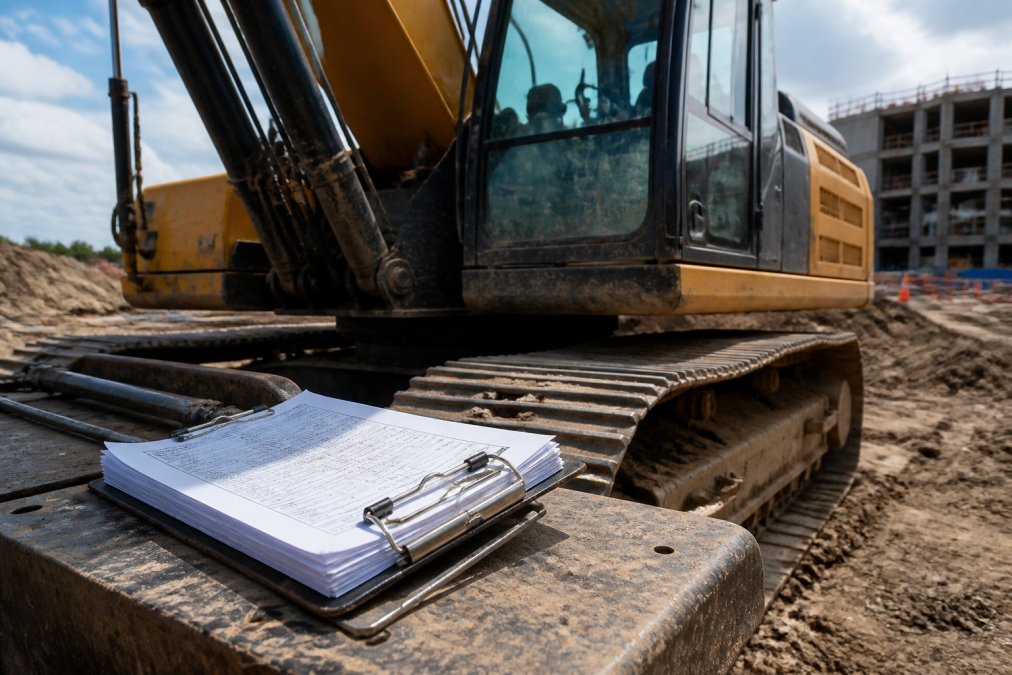
Excavators depreciate 15-20% in the first year, then stabilize into gradual decline. Timing and presentation matter enormously. A CAT 259D listed with full maintenance records, high-quality photos, and video will outsell identical equipment without documentation.
| Platform Type | Best For | Speed to Sale | Price Control | Reach |
|---|---|---|---|---|
| Auction-based | Quick liquidation, bulk sales | 7-14 days | Low (bidding determines price) | National/International |
| Fixed-price marketplace | Individual machines, premium pricing | 21-45 days | High (you set price) | Regional/National |
| Equipment broker | Maximum exposure, hands-off selling | 14-30 days | Medium (broker advises) | Global + Local |
| Direct private sale | Highest net price (theory) | 30-90+ days | High (you control) | Local only |
Ironmartonline's approach places your excavator across nine channels simultaneously, combining auction reach with fixed-price control.
Auction-Based vs. Fixed-Price Machinery Trader Alternatives
Auction-based machinery trader alternatives like Ritchie Bros. Auctioneers move equipment fast through competitive bidding. However, if buyer interest is lower than expected, your equipment may sell significantly below market value.
Fixed-price marketplaces give you control. You set the asking price based on condition, hours, attachments, and market research. This typically takes 21 to 45 days but protects you from fire-sale pricing.
Auctions transfer pricing risk to the market. Fixed-price selling transfers risk to your pricing accuracy. Ironmartonline's model hedges this risk by operating across both auction and fixed-price channels, increasing the probability of finding the right buyer at fair market value.
According to MarketsandMarkets heavy construction equipment forecast, the heavy construction equipment market will expand from $160.1 billion in 2026 to $226.9 billion by 2033 at a 5.1% CAGR. This growth creates sustained demand for equipment presented through channels where buyers actually look.
Heavy Equipment Brokerage Services: What Sets Them Apart
Professional equipment brokers use specialized web-based selling platforms designed specifically for heavy machinery. Unlike generalist marketplaces, brokers work within channels where serious buyers congregate.
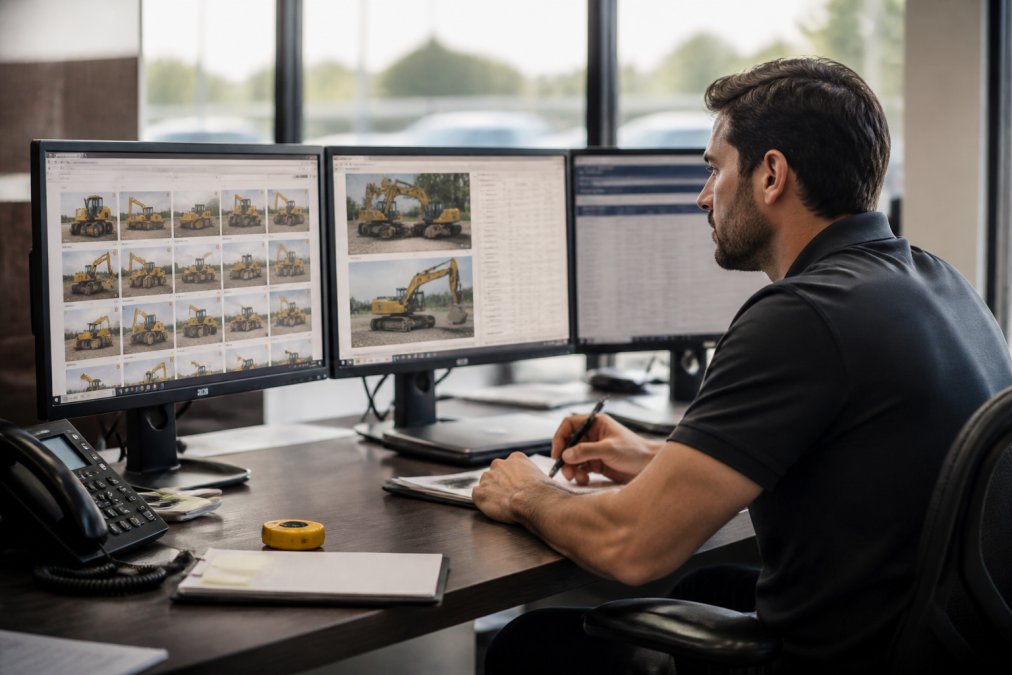
What separates brokers from marketplaces is specialization and buyer vetting. Brokers connect pre-qualified buyers with specific equipment needs. A broker knows which buyers actively seek dozers, excavators, or specialty attachments. This matching process accelerates sales and improves price outcomes.
Ironmartonline's brokerage model emphasizes this advantage through nine specialized platforms. Rather than hoping a buyer finds your equipment through search, brokers actively market to their networks and match equipment to buyer profiles. The no-contract, no-hidden-fees structure means you retain flexibility while accessing professional networks.
Key Factors to Consider When Choosing a Machinery Trader Alternative
Selecting the right machinery trader alternative depends on five core factors: timeline, equipment value, buyer geography, documentation quality, and risk tolerance.
Timeline is paramount. If you need cash in two weeks, auction-based machinery trader alternatives suit your needs despite pricing risk. If you have 60 days, fixed-price marketplaces give better control. Brokers typically deliver results in 14-30 days by combining both approaches.
Equipment value determines channel choice. A large excavator deserves multi-channel exposure and professional marketing. A used attachment may sell adequately through a single marketplace. Brokers can be particularly valuable when equipment value is significant.
Buyer geography matters more than sellers realize. Local construction companies may never find your equipment if listed only on national auction sites. International buyers won't discover equipment listed only in regional classifieds. The best machinery trader alternatives balance local and global reach.
Documentation quality amplifies whichever channel you choose. Complete maintenance records, service history, and video walkthroughs increase buyer confidence and price realization across all platforms.
Risk tolerance determines auction versus fixed-price preference. Conservative sellers prefer fixed-price control. Aggressive sellers embrace auction competition. Brokers offer middle ground by diversifying across both.
Ironmartonline's machinery trader alternative framework addresses all five factors simultaneously through multi-platform exposure, no-contract flexibility, professional pricing guidance, and risk distribution.
Market Reach and Buyer Demographics Across Platforms
North America accounts for approximately 38% of hard asset equipment online auction market share in 2025, according to Hard Asset Equipment Online Auction Market Growth analysis. Buyer demographics vary sharply by platform.
Auction-based machinery trader alternatives attract time-sensitive buyers: contractors with immediate equipment needs, rental companies rotating inventory, and dealers sourcing stock. These buyers expect competitive pricing and accept limited inspection time.
Fixed-price marketplaces draw different buyers: owner-operators seeking specific equipment, small fleet managers planning upgrades, and international buyers with flexible timelines. These buyers research extensively and value detailed documentation. trailer rental options.
Broker networks attract sophisticated buyers: large fleet operators, equipment rental companies, and contractors bidding on major projects. These buyers prioritize reliability, verified condition, and relationship continuity.
A well-maintained excavator listed only on a fixed-price marketplace might attract local contractors but miss national rental companies actively seeking inventory. Listed only on an auction site, it might sell quickly but below fair value if bidding is weak.
Ironmartonline's nine-platform approach captures all three buyer types simultaneously, increasing the probability of finding the right buyer at market-clearing price.
Equipment Inspection and Verification Services
Buyer confidence hinges on transparent condition reporting. Heavy equipment purchases typically range from tens of thousands to hundreds of thousands of dollars, and buyers cannot physically inspect machines listed online. Verification services bridge this gap by providing third-party credibility.
Platform-specific inspection approaches differ significantly:
Auction-based platforms typically offer pre-sale inspections that buyers can view online. Ritchie Bros. Auctioneers provides detailed condition reports including photos from multiple angles, operating hours, and known defects. Buyers can review these before bidding, which increases competition and price realization.
Fixed-price marketplaces rely primarily on seller-provided documentation. Verification is optional and often costs extra, creating a two-tier market where well-documented equipment commands premiums.
Broker networks often coordinate third-party inspections as part of their service, using certified appraisers. These inspections carry professional credibility and are typically absorbed into the broker's commission.
What professional inspections should include:
- Operating hours and usage patterns (verified against hour meters)
- Recent repairs and replacement parts (with receipts or service records)
- Maintenance schedule compliance (oil changes, filter replacements, fluid levels)
- Rust, wear, or damage assessment (structural integrity, paint condition, attachment wear)
- Attachment condition and functionality (hydraulic hoses, pins, buckets, blades)
- Fluid levels and system diagnostics (engine oil, hydraulic fluid, coolant, fuel quality)
- Safety features and compliance (lights, alarms, emergency stops, ROPS/FOPS certification)
- Tire or track condition (tread depth, sidewall damage, replacement cost estimate)
Equipment with complete service records and professional inspection reports can command higher prices than identical equipment with gaps in documentation.
Well-inspected equipment typically sells faster than equipment with minimal documentation.
Ironmartonline's brokerage model includes coordination of inspections and documentation review, ensuring your equipment's condition is accurately represented across all nine platforms. This consistency prevents buyer surprises, reduces post-sale disputes, and typically results in faster sales and higher net proceeds.
Transaction Fees and Commission Structures Explained
Marketplace fees vary dramatically across machinery trader alternatives, and most sellers underestimate total cost of sale by ignoring hidden charges.
Auction-based platforms typically charge seller commissions of 5-10% of final sale price, plus buyer's premiums (often 10-15% added to the hammer price). The buyer's premium is absorbed into the final price, which means the hammer price itself may be lower than it appears.
Fixed-price marketplaces charge listing fees or percentage-based commissions, sometimes both. The advantage is transparency. The disadvantage is that lower commissions often correlate with lower buyer traffic, meaning longer time-to-sale.
Broker fees vary based on service level. Some charge flat commissions. Others charge listing fees plus percentage. The broker model's cost is higher upfront but often justified by faster sales and access to pre-qualified buyers.
Hidden fees across all platforms include:
- Inspection or appraisal fees
- Advertising or promotion charges
- Administrative or closing fees
- Payment processing fees
- Removal or delisting fees
When evaluating machinery trader alternatives, calculate total cost of sale, not just headline commissions:
| Fee Category | Auction-Based | Fixed-Price Marketplace | Broker |
|---|---|---|---|
| Seller commission | 5-10% | 2-5% | 5-8% |
| Buyer's premium (absorbed in price) | 10-15% | None | None |
| Listing fee | None | Varies | Varies |
| Inspection coordination | Usually included | Seller pays | Usually included |
| Advertising/promotion | Included | Varies | Included |
| Payment processing | Included | Varies | Included |
Fixed-price marketplaces appear cheapest on commission alone, but often require additional advertising spend to reach buyers. Auction-based platforms bundle marketing into their commission but transfer pricing risk to you. Brokers charge mid-range fees but typically deliver faster sales and higher prices due to targeted buyer access.
The real cost calculation requires comparing net proceeds, not just fees. If a fixed-price marketplace sells your excavator in 45 days but a broker sells it in 20 days for a higher price, the broker's higher fee may be offset by the price premium and time savings.
Ironmartonline's machinery trader alternative model operates on transparent fees with no contracts and no hidden charges. You know exactly what you'll pay before listing and retain flexibility to adjust strategy if market conditions change.
Making Your Final Decision
Choosing among machinery trader alternatives 2026 requires matching your specific situation to platform strengths.
Choose auction-based machinery trader alternatives if:
- You need to sell within 14 days
- You have multiple machines to liquidate
- You prefer competitive bidding to set price
- You accept pricing volatility for speed
Choose fixed-price marketplaces if:
- You have 30-60 days to sell
- Your equipment is well-documented
- You want pricing control
- You're selling one or two machines
Choose a broker like Ironmartonline if:
- You want maximum exposure without managing multiple listings
- Equipment value is significant
- You prefer professional handling of inspections and paperwork
- You value global and local reach simultaneously
- You want to avoid contracts and hidden fees
The data supports broker models for most serious equipment sellers. According to research from Coherent Market Insights, the heavy-duty construction equipment market is projected to reach $132.1 million by 2033, growing at 6.0% annually. This sustained growth creates consistent buyer demand for equipment presented through channels where those buyers actually search.
Ironmartonline's machinery trader alternative approach eliminates the false choice between speed, price, and reach. By operating nine specialized platforms simultaneously, you gain auction-level exposure, fixed-price-level control, and broker-level professional handling. No contracts mean you retain flexibility. No hidden fees mean your net proceeds are predictable.
The machinery trader alternatives 2026 market has matured. Sellers who understand platform economics, buyer demographics, and fee structures consistently achieve better outcomes than those treating equipment sales as a one-time transaction. Your excavator, dozer, or truck is a significant asset. It deserves a selling strategy, not just a listing.
=== FAQ ANSWERS (audit these too, same rules) ===
[1] Q: What are the main advantages of using a machinery trader alternative over selling privately? A: Machinery trader alternatives and equipment brokers provide access to millions of potential buyers across multiple platforms, reducing the time your equipment sits unsold. They handle buyer verification, manage logistics coordination, and provide transparent pricing guidance. Private sales often require significant time managing inquiries and carry financial risks including accurate pricing, screening buyers, and handling paperwork. A professional broker or marketplace platform minimizes these burdens while maximizing your equipment's exposure.
[2] Q: How do I know which platform is best for selling my used excavators online? A: When choosing how to sell used excavators online, evaluate platforms based on their buyer demographics, geographic reach, and equipment inspection standards. Consider whether the platform specializes in construction equipment and attracts your target buyer pool. Check their transaction security features and whether they offer logistics support. Compare commission structures and any additional services like equipment appraisal or financing options for buyers. A heavy equipment brokerage service can guide you through this evaluation and recommend the best platform for your specific machinery.
[3] Q: Are there hidden fees with machinery trader alternatives? A: Reputable machinery trader alternatives disclose their fee structures upfront. Commission rates typically vary based on equipment value, sale method, and additional services used. Some platforms charge flat fees, others use percentage-based commissions. Always request a detailed fee breakdown before listing your equipment. Look for platforms that explicitly state they have no hidden charges and provide transparent pricing. Professional brokers should provide written quotes showing exactly what you'll pay.
[4] Q: How long does it typically take to sell heavy equipment on these platforms? A: Sales timelines vary significantly based on equipment type, condition, pricing, and market demand. Equipment in good condition typically sells within a reasonable timeframe on active platforms. Auction-based methods can produce faster results when buyer interest is strong, though final prices depend on bidding activity. Fixed-price listings offer more control but may take longer. Equipment with complete maintenance records and documentation sells faster. Current market conditions and equipment depreciation rates also affect timing.
Frequently Asked Questions
What are the main advantages of using a machinery trader alternative over selling privately?
Machinery trader alternatives and equipment brokers provide access to millions of potential buyers across multiple platforms, reducing the time your equipment sits unsold. They handle buyer verification, manage logistics coordination, and provide transparent pricing guidance. Private sales often require significant time managing inquiries and carry financial risks including accurate pricing, screening buyers, and handling paperwork. A professional broker or marketplace platform minimizes these burdens while maximizing your equipment's exposure.
How do I know which platform is best for selling my used excavators online?
When choosing how to sell used excavators online, evaluate platforms based on their buyer demographics, geographic reach, and equipment inspection standards. Consider whether the platform specializes in construction equipment and attracts your target buyer pool. Check their transaction security features and whether they offer logistics support. Compare commission structures and any additional services like equipment appraisal or financing options for buyers. A heavy equipment brokerage service can guide you through this evaluation and recommend the best platform for your specific machinery.
Are there hidden fees with machinery trader alternatives?
Reputable machinery trader alternatives disclose their fee structures upfront. Commission rates typically vary based on equipment value, sale method, and additional services used. Some platforms charge flat fees, others use percentage-based commissions. Always request a detailed fee breakdown before listing your equipment. Look for platforms that explicitly state they have no hidden charges and provide transparent pricing. Professional brokers should provide written quotes showing exactly what you'll pay.
How long does it typically take to sell heavy equipment on these platforms?
Sales timelines vary significantly based on equipment type, condition, pricing, and market demand. Equipment in good condition typically sells within a reasonable timeframe on active platforms. Auction-based methods can produce faster results when buyer interest is strong, though final prices depend on bidding activity. Fixed-price listings offer more control but may take longer. Equipment with complete maintenance records and documentation sells faster. Current market conditions and equipment depreciation rates also affect timing.
Selling heavy equipment requires reaching the right buyers at the right time through the right channels. Ironmartonline connects you to millions of potential buyers across nine specialized web-based selling platforms, eliminating the complexity of managing multiple listings. With no contracts, no hidden fees, and access to both global and local markets, you maintain control while gaining professional exposure. Get started with Ironmartonline and transform how you sell surplus machinery.
This article was written using GrandRanker