
Table of Contents
- Why Use an Equipment Broker to Sell Used Industrial Machinery
- Quick Comparison: Top Platforms for Industrial Equipment Sales
- 1. Ironmartonline: Multi-Platform Brokerage with No Hidden Fees
- 2. IronPlanet: Global Auction Marketplace with Buyer Financing
- 3. Ritchie Bros. Auctioneers: Unreserved Auctions with Transparent Pricing
- 4. eBay Business & Industrial: DIY Approach with Massive Reach
- 5. My Little Salesman: Targeted Print and Digital Listings
- How to Sell Used Excavators Online: Key Steps for Success
- Selling Industrial Equipment on Consignment: When to Use This Model
- What to Know About Fees, Logistics, and Asset Liquidation
Last Updated: August 30, 2026
Why Use an Equipment Broker to Sell Used Industrial Machinery
When you're ready to sell used industrial machinery, the decision of how to do it shapes your timeline, net proceeds, and stress level. You could list directly on marketplaces, manage inquiries yourself, and handle logistics. Or you could work with an equipment broker.
The global used machine tools market was valued at $8.4 billion in 2025 and is projected to reach $13.9 billion by 2034, reflecting growing demand from manufacturers seeking cost-effective alternatives to new equipment (dataintelo.com). Within this expanding market, the online sales channel is capturing an increasingly large share of total used machine tool transactions, with an estimated 32.5% share in 2025. This shift underscores a critical question: why use a Heavy Equipment Broker like Ironmartonline instead of selling machinery independently?
The answer lies in reach, efficiency, and expertise. Used machinery typically sells for 30% to 70% less than new machines, but finding the right buyer quickly requires access to qualified prospects across multiple channels (surplex.com). A Heavy Equipment Broker connects your machinery to millions of potential buyers through specialized platforms, reaching global markets while handling the operational complexity of negotiations, inspections, documentation, and logistics.
At Ironmartonline, we use nine specialized web-based selling platforms to ensure your equipment reaches the right audience without the burden of contracts or hidden fees. The difference between listing alone and working with a broker often comes down to whether you're maximizing your asset's value or simply moving it.
Below, we'll walk you through the top platforms for selling used industrial machinery, explain how to prepare your equipment for sale, and show you when a brokerage model makes financial sense compared to consignment or direct auction.
Quick Comparison: Top Platforms for Industrial Equipment Sales
| Platform | Model | Best For | Key Advantage |
|---|---|---|---|
| Ironmartonline | Multi-platform brokerage | Sellers seeking comprehensive reach without hidden fees | Nine platforms, no contracts, seller-controlled pricing |
| IronPlanet | Online auction with financing | Global buyers seeking equipment with condition certification | IronClad Assurance and buyer financing options |
| Ritchie Bros. Auctioneers | Unreserved live & online auctions | Rapid liquidation with transparent market pricing | Transparent pricing, global buyer network |
| eBay Business & Industrial | DIY marketplace | Small sellers and individual operators | Massive reach, low barrier to entry |
| My Little Salesman | Print + digital classifieds | Targeted reach to equipment buyers | Affordable per-listing pricing, print distribution |
1. Ironmartonline: Multi-Platform Brokerage with No Hidden Fees
Ironmartonline stands apart because it removes the friction that plagues independent sellers and auction-based approaches. Rather than forcing your equipment into a single marketplace or auction schedule, Ironmartonline distributes listings across nine specialized web-based platforms simultaneously, reaching global and local buyers without the overhead of managing multiple accounts yourself.
The brokerage model works differently than auctions. You set the price. There's no reserve requirement, no auction-style bidding pressure, and no percentage of the final sale going to the platform. Instead, Ironmartonline handles marketing, buyer screening, negotiations, and logistics support, then you keep the proceeds minus a transparent brokerage fee. This structure aligns incentives: the broker succeeds when you get top dollar, not when the auction gavel falls fastest.
The platform's strength is operational simplicity. You don't photograph, re-list, field inquiries across platforms, or coordinate shipping logistics. Ironmartonline manages the buyer funnel, handles condition documentation, and coordinates with logistics partners. For fleet managers, rental companies, and contractors managing multiple units, this hands-off approach converts operational burden into recoverable time.
Pros:
- Nine web-based selling platforms maximize visibility
- No contracts or hidden fees
- Seller maintains price control
- Comprehensive support for marketing, negotiations, and logistics
- Transparent brokerage fee structure
Cons:
- Pricing not publicly listed; requires direct contact for fee structure
- Less direct control over the sales process compared to selling independently
2. IronPlanet: Global Auction Marketplace with Buyer Financing
IronPlanet operates as a global online auction platform with more than 1.8 million registered users worldwide (ironplanet.com). The platform combines auction-style bidding with fixed-price and "Make Offer" options, giving sellers flexibility in how they present equipment.
The standout feature is IronClad Assurance, a third-party condition certification and inspection process that builds buyer confidence. Rather than relying on seller descriptions alone, IronPlanet provides detailed inspection reports and condition ratings. For buyers concerned about purchasing sight-unseen equipment, this verification reduces friction and often justifies higher bids.
IronPlanet also offers integrated buyer financing through partner lenders, which expands your potential buyer pool. A contractor who might not have immediate cash can still bid confidently knowing financing is available. This liquidity on the buyer side translates to competitive bidding and better prices for sellers.
The tradeoff is auction fees and commissions. Final sale prices are reduced by platform fees and buyer's premiums, which can meaningfully impact your net proceeds on high-value equipment. Additionally, bids are final and binding, once a bid is accepted, the buyer is committed to the transaction. IronPlanet's fees and commissions for sellers are available on their website.
Pros:
- Global reach to more than 1.8 million registered users
- IronClad Assurance condition certification builds buyer trust
- Flexible selling options (auction, Make Offer, fixed price)
- Integrated buyer financing expands buyer pool
- Parallel listing capability (list on your own site simultaneously)
Cons:
- Auction commissions and fees reduce net proceeds
- Bids are final and binding, no bid rescission
- Auction-driven pricing may not maximize value in slow markets
3. Ritchie Bros. Auctioneers: Unreserved Auctions with Transparent Pricing
Ritchie Bros. is the established heavyweight in equipment auctions, conducting unreserved public auctions worldwide with both live and online bidding. The "unreserved" model means there's no minimum bid or reserve price, equipment sells to the highest bidder, period. This transparency appeals to buyers and often generates competitive bidding.
The auction house manages everything: marketing to its global buyer network, handling in-person inspections at live auction sites, coordinating online bidding, and processing transactions. For sellers with large inventories or those seeking rapid liquidation, Ritchie Bros.' established reputation and buyer traffic often deliver strong results.
Ritchie Bros. also publishes selling price data and market insights, helping sellers understand fair market value for their equipment. This transparency is valuable for pricing decisions and validating whether you're getting competitive offers.
The cost structure includes transaction fees, documentation fees, and commission on the final sale price. These cumulative fees can be substantial on high-value equipment, and the unreserved model means you have no control over the minimum price, if bidding stalls, your equipment sells for whatever the highest bid reaches. For example, transaction fees can be 10% on items selling for $12,000 or less, with a minimum of $100, or 4.85% on items over $12,000 up to $75,000, with a minimum of $1,200, and $3,638 on items over $75,000. Documentation fees can also apply, such as a $115 fee for titled items.
Pros:
- Transparent unreserved auction model determines fair market value
- Extensive global buyer network
- Multiple bidding channels (live, online, mobile app)
- Professional marketing and buyer outreach
- Detailed selling price data for market insights
Cons:
- Transaction, documentation, and commission fees reduce net proceeds
- No reserve price, equipment sells regardless of final bid
- Auction schedule may require waiting for the next sale date
4. eBay Business & Industrial: DIY Approach with Massive Reach
eBay's Business & Industrial section serves as a massive general marketplace for used industrial equipment, from CNC machinery to heavy equipment to specialized tools. The platform's strength is sheer traffic, hundreds of millions of potential buyers worldwide.
For individual sellers and small operations, eBay offers a low-friction entry point. You create a listing, set your price or choose auction format, upload photos, and eBay's algorithm surfaces your equipment to interested buyers. The platform handles payment processing and dispute resolution, reducing transaction risk.
The flexibility is real: you can run auctions, fixed-price listings, or "Best Offer" negotiations. You control the listing duration, pricing, and when to relist if an item doesn't sell. For sellers comfortable managing inquiries and coordinating their own shipping, eBay provides direct access to a massive buyer pool.
The catch is operational overhead. You're responsible for photography, detailed descriptions, responding to questions, arranging inspections, and coordinating logistics. For high-value industrial equipment, this DIY approach often means slower sales and lower final prices compared to specialized marketplaces where serious equipment buyers congregate. eBay charges insertion fees and final value fees, which can vary by category. For heavy equipment, final value fees are 3% on the total sale amount up to $15,000, and 0.5% on the portion over $15,000. Insertion fees for certain heavy equipment categories can be $20.
Pros:
- Massive global audience and high traffic
- Complete seller control over listing details and pricing
- Low barrier to entry for new sellers
- Flexible selling formats (auction, fixed price, Best Offer)
- Optional listing upgrades for increased visibility
Cons:
- Time-consuming to manage listings, inquiries, and shipping
- Insertion fees and final value fees accumulate, especially on high-value items
- Mixed buyer audience, not specialized equipment buyers
- Requires seller to handle all logistics and buyer communication
5. My Little Salesman: Targeted Print and Digital Listings
My Little Salesman operates as a hybrid print and digital classifieds platform specifically for heavy equipment, trucks, trailers, and parts. The platform publishes monthly print magazines (My Little Salesman Truck & Trailer and Heavy Equipment) distributed nationally, complemented by digital listings on their website.
The value proposition is targeting. Buyers reading My Little Salesman are actively shopping for equipment, not browsing general marketplaces. This specialization often results in higher-quality leads and faster sales compared to general platforms like eBay. sourcing industrial tools.
Listings include up to 100 high-resolution photos and product videos, giving buyers detailed views of equipment condition. Featured listing upgrades position your equipment prominently, increasing visibility within the platform. Analytics tools track listing effectiveness, showing you how many views and inquiries your equipment generates.
For sellers with small inventories (under 15 units), this per-listing model is cost-effective. For example, a single ad costs $44.95 per month, with multi-month discounts available. A featured listing upgrade costs an additional $25 per month.
Pros:
- Targeted audience actively shopping for equipment
- National reach through print and digital channels
- Affordable pricing for individual listings
- Up to 100 photos and video per listing
- Listings don't auto-renew, seller maintains control
- Analytics track listing performance
Cons:
- Higher cost for large inventories compared to some alternatives
- Featured listing upgrades cost additional fees
- Smaller audience compared to general marketplaces like eBay
How to Sell Used Excavators Online: Key Steps for Success
Selling excavators and heavy equipment online requires more than just uploading photos and hoping for offers. The process demands careful preparation, detailed documentation, and strategic pricing to maximize your net proceeds.
Document Equipment Condition and Specifications
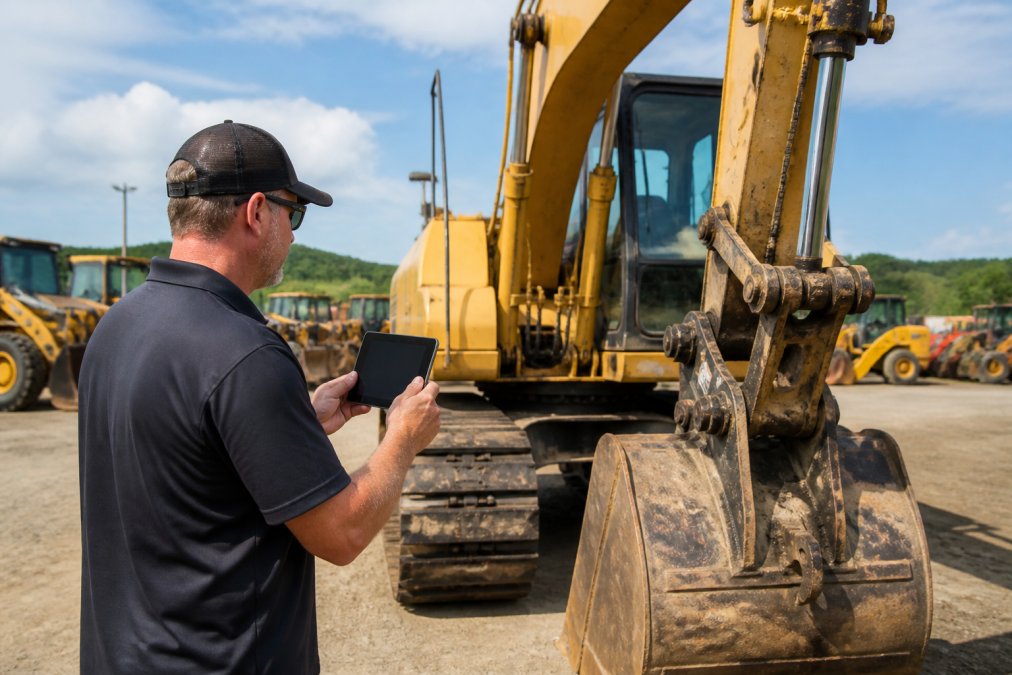
Before listing, create a comprehensive condition report. Photograph the equipment from multiple angles, engine compartment, hydraulic systems, undercarriage, cab interior, and any visible wear. Document operating hours, maintenance history, and any repairs or recent service. Include serial numbers and model specifications.
Today's buyers of heavy equipment want to see machines in action through video, including engine startup, hydraulic performance, cab features, undercarriage condition, and attachments, before contacting a dealer. A 2-3 minute walkaround video showing the excavator operating builds confidence and reduces buyer hesitation.
Condition grading matters. Be honest about wear, rust, or mechanical issues. Buyers expect transparency, and misrepresenting condition kills deals and invites returns. A well-documented piece of equipment with known issues sells faster than a vaguely described unit with hidden problems.
Create Detailed Listings with Photos and Video
Your listing is your sales tool. Write a clear headline that includes the equipment type, year, and key specification (e.g., "2019 Caterpillar 320 Excavator, 2,400 Operating Hours, Excellent Condition"). The description should cover:
- Year, make, model, and serial number
- Operating hours and maintenance history
- Key specifications (bucket capacity, reach, power output)
- Condition of tracks/tires, hydraulics, engine
- Attachments included
- Any recent repairs or upgrades
- Location and availability for inspection
Use all available photo slots. Buyers scrutinize equipment visually, poor photography loses sales. Include close-ups of wear areas, interior cab condition, and any damage. Professional photos shot in good lighting outperform phone snapshots.
Price Competitively and Prepare for Negotiations
Research comparable equipment on the platform you're using. Check recent sales prices, not just asking prices. Equipment that's been listed for 60+ days at a certain price point is a weak benchmark, focus on what actually sold recently.
Price slightly below market to generate early interest and bidding momentum. In auction formats, early competitive bids attract additional bidders. In fixed-price formats, aggressive pricing often shortens time-to-sale, reducing carrying costs and depreciation risk.
Prepare for negotiation. Buyers will ask about condition, offer below-asking prices, and request additional photos or videos. Respond quickly and professionally. The speed of your response often determines whether a buyer moves forward or shops elsewhere.
Selling Industrial Equipment on Consignment: When to Use This Model
Consignment is an alternative to brokerage or direct sales, particularly useful when you lack time or expertise to manage the sales process. Under consignment, a dealer or broker takes possession of your equipment and sells it on your behalf, typically taking a commission on the final sale price.
The consignment model works well if you have multiple units, need rapid liquidation, and prefer not managing the sales process. The dealer handles marketing, buyer screening, inspections, and logistics. You receive payment after the sale closes minus the consignment fee.
The tradeoff is cost. Additionally, consignment dealers prioritize equipment that moves quickly, which may mean your specialized or slower-moving machinery receives less attention.
Consignment also means less control over pricing. The dealer sets the price based on market conditions and their inventory needs. If the market softens, your equipment may be discounted to clear inventory.
Compare consignment costs against brokerage fees. Many brokers charge flat fees rather than percentages, which can be more cost-effective for high-value equipment. Ironmartonline's brokerage model, for example, charges a transparent fee structure that doesn't scale with sale price, meaning you keep more of the proceeds on high-value sales.
What to Know About Fees, Logistics, and Asset Liquidation
The financial outcome of selling industrial machinery depends heavily on understanding fee structures, logistics costs, and the tax implications of asset liquidation.
Fee Structures Across Platforms
Auction houses like Ritchie Bros. and IronPlanet charge commission-based fees (typically 10-15% of the final sale price) plus transaction and documentation fees. These cumulative charges can reduce net proceeds by 15-20% on high-value equipment.
Marketplace platforms like eBay charge insertion fees (listing cost) plus final value fees (typically 12-15% of the sale price).
Brokerages like Ironmartonline charge a transparent fee that doesn't scale with sale price. This structure favors sellers of high-value equipment, where percentage-based fees become prohibitive.
Consignment dealers typically charge a commission, which can range from 6% to 12% of the sale price, plus storage fees if equipment sits beyond a certain period.
Calculate the net proceeds under each model before committing. A high-value excavator sold through an auction house at percentage-based commission may net significantly less than the same equipment sold through a flat-fee broker, depending on the broker's fee structure.
Logistics and Rigging Costs
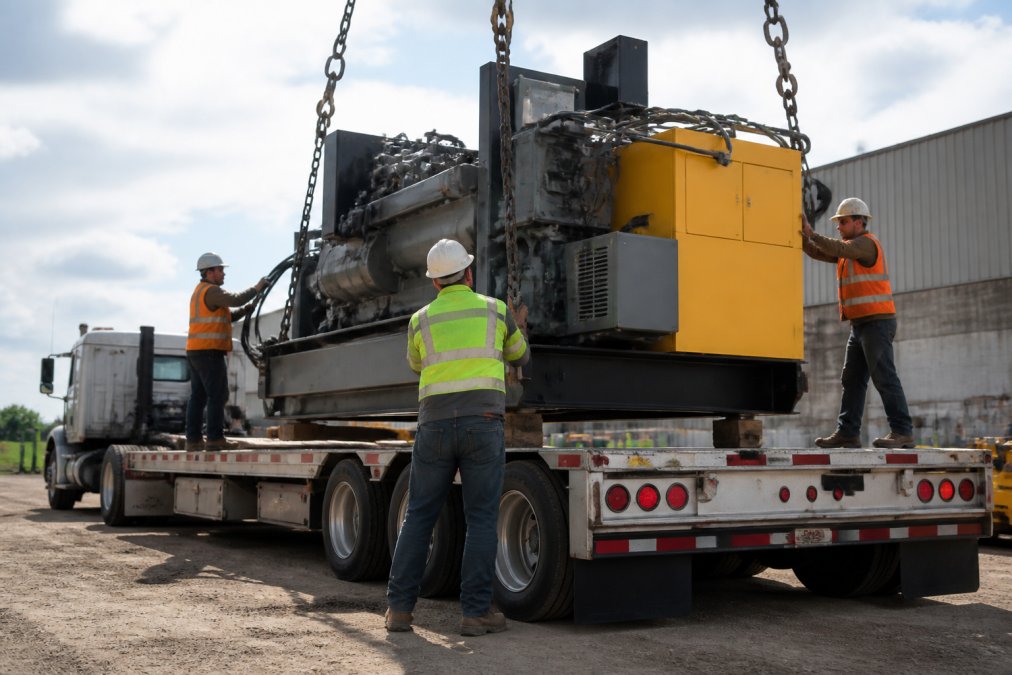
Rigging and decommissioning costs are often underestimated. Moving a large excavator requires:
- Professional rigging crew
- Flatbed transport (costs vary depending on distance)
- Permits for oversized loads (varies by jurisdiction)
- Equipment preparation and decontamination (if required)
These costs may be the buyer's responsibility or negotiated as part of the sale. Clarify in your listing who bears these costs. If you're responsible, factor them into your pricing.
Tax and Legal Implications
Asset liquidation has tax consequences. Selling equipment at a loss may generate a tax deduction. Selling at a gain triggers capital gains tax. Consult a tax professional before liquidating large equipment portfolios.
Additionally, ensure all documentation is in order: title, bill of sale, maintenance records, and any lien releases. Missing documentation can delay closing and reduce buyer confidence, potentially lowering final offers.
Selling used industrial machinery successfully requires choosing the right platform, preparing equipment thoroughly, and understanding the full cost structure. Whether you work with a broker like Ironmartonline, list on a specialized auction platform, or manage the process independently depends on your timeline, equipment value, and operational capacity.
For most sellers, especially those managing multiple units or seeking hands-off service, a multi-platform brokerage eliminates the complexity of juggling multiple marketplaces while maximizing buyer reach. For rapid liquidation, auction houses deliver transparent pricing and established buyer networks. For DIY sellers with time and expertise, specialized classifieds and marketplaces offer direct access to equipment buyers at lower cost.
Ready to sell your equipment efficiently? Join the Ironmartonline email list to stay updated on market trends, selling strategies, and platform updates. Ironmartonline connects your machinery to millions of potential buyers across nine specialized platforms, no contracts, no hidden fees, just transparent brokerage service designed to maximize your net proceeds.
=== FAQ ANSWERS (audit these too, same rules) ===
[1] Q: What's the fastest way to sell used industrial machinery online? A: Online marketplaces like Ironmartonline and IronPlanet reach millions of potential buyers, significantly reducing time to sale. Brokers handle buyer screening and negotiations, accelerating the sales process compared to managing private sales directly.
[2] Q: How do I price used excavators and heavy equipment competitively? A: Research comparable equipment on multiple platforms to establish market value. Used machinery typically sells for 30% to 70% less than new machines. Consider equipment age, operating hours, maintenance history, and current market demand. Set pricing that reflects condition while remaining competitive, overpriced equipment sits longer, while underpriced equipment leaves money on the table.
[3] Q: What documentation do I need when selling industrial equipment? A: Essential documents include the bill of sale, maintenance logs, serial numbers, operating hour records, warranty status information, and equipment specifications. High-quality photos from multiple angles and a walkaround video demonstrating operation significantly increase buyer confidence. Detailed condition reports and any inspection certifications strengthen your listing. Complete documentation reduces buyer hesitation and supports faster sales.
[4] Q: Is selling industrial equipment on consignment worth the commission? A: Consignment works well if you lack time to manage the sales process, need expert marketing across multiple platforms, or prefer hands-off liquidation. Brokers like Ironmartonline handle buyer vetting, negotiations, and logistics, valuable services that justify fees. However, if you have time and marketing capability, direct sales on platforms like eBay or My Little Salesman let you keep more of the final price. Evaluate your situation: convenience and reach versus commission costs.
[5] Q: What are the main differences between auction platforms and fixed-price marketplaces? A: Auction platforms like Ritchie Bros. and IronPlanet determine price through competitive bidding, often resulting in fair market value but with less control over final price. Fixed-price marketplaces like My Little Salesman and eBay let you set the price, giving you control but requiring you to attract buyers yourself. Brokers like Ironmartonline use multiple platforms, combining auction reach with fixed-price control depending on equipment type and market conditions.
Frequently Asked Questions
Q: What's the fastest way to sell used industrial machinery online?
A: Online marketplaces like Ironmartonline and IronPlanet reach millions of potential buyers, significantly reducing time to sale. Brokers handle buyer screening and negotiations, accelerating the sales process compared to managing private sales directly.
Q: How do I price used excavators and heavy equipment competitively?
A: Research comparable equipment on multiple platforms to establish market value. Used machinery typically sells for 30% to 70% less than new machines. Consider equipment age, operating hours, maintenance history, and current market demand. Set pricing that reflects condition while remaining competitive, overpriced equipment sits longer, while underpriced equipment leaves money on the table.
Q: What documentation do I need when selling industrial equipment?
A: Essential documents include the bill of sale, maintenance logs, serial numbers, operating hour records, warranty status information, and equipment specifications. High-quality photos from multiple angles and a walkaround video demonstrating operation significantly increase buyer confidence. Detailed condition reports and any inspection certifications strengthen your listing. Complete documentation reduces buyer hesitation and supports faster sales.
Q: Is selling industrial equipment on consignment worth the commission?
A: Consignment works well if you lack time to manage the sales process, need expert marketing across multiple platforms, or prefer hands-off liquidation. Brokers like Ironmartonline handle buyer vetting, negotiations, and logistics, valuable services that justify fees. However, if you have time and marketing capability, direct sales on platforms like eBay or My Little Salesman let you keep more of the final price. Evaluate your situation: convenience and reach versus commission costs.
Q: What are the main differences between auction platforms and fixed-price marketplaces?
A: Auction platforms like Ritchie Bros. and IronPlanet determine price through competitive bidding, often resulting in fair market value but with less control over final price. Fixed-price marketplaces like My Little Salesman and eBay let you set the price, giving you control but requiring you to attract buyers yourself. Brokers like Ironmartonline use multiple platforms, combining auction reach with fixed-price control depending on equipment type and market conditions.
This article was written using GrandRanker