
Streamline Freight Logistics US Canada Shipping Guide: A Practical Guide
Quick answer: Streamlining freight logistics across the US and Canada means confirming freight details before dispatch, matching equipment to the actual load, planning routes and permits in advance, and working with a carrier that gives proactive updates instead of silent handoffs. For shippers, freight coordinators, and equipment owners moving heavy, oversize, or specialized loads across the border, that sequence is what prevents delays, blown budgets, and damaged freight that a tighter process would have avoided.
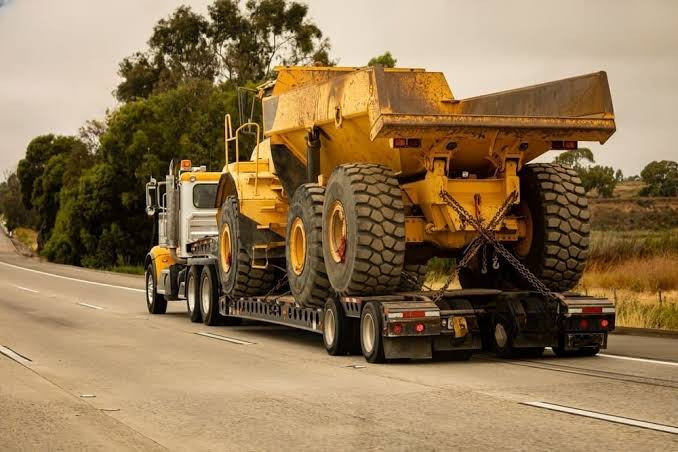
Heavy Equipment Freight logistics fails in the same three places every time: unclear load details, mismatched equipment, and poor communication after the truck leaves the yard. Each failure compounds the next. A vague commodity description leads to the wrong trailer. The wrong trailer leads to a route that can't legally carry the load. And a shipper left in the dark doesn't find out until the truck is already stuck at a bridge with a clearance problem.
This guide focuses on the decisions that keep US-Canada freight moving: confirming specs for accurate quotes, choosing the right trailer — whether that's an RGN, lowboy, or flatbed — coordinating routes and permits for oversize shipments, maintaining communication in transit, and selecting a carrier that can handle cross-border heavy haul work without preventable surprises. None of this is complicated to fix. It just requires sequencing the work correctly — confirm the load, match the equipment, plan the route, then dispatch.
To Get The Job Completed From Start to Finish
Contact: Bruce Brown 406-546-9214
Bruce Has Been Handling all of Ironmartonline
Freight for over 20 years now
he can without a doubt handles anything you have.
Why Do Most Freight Delays Start Before The Truck Ever Moves?
Delays get blamed on weather, traffic, or carrier capacity. The real cause is usually upstream: incomplete freight information submitted at quote time, including cross-border paperwork gaps that slow customs clearance. A carrier can't plan a route or select the right trailer off a vague description like "construction equipment, roughly 30 feet."
Precision prevents this. Before requesting a quote, confirm:
-
Origin and destination (exact shipper and receiver address details, not just city/state)
-
Commodity or equipment type, named specifically
-
Length, width, and height
-
Total weight
-
Ready date and timing
-
Site access and loading requirements
-
Photos, if the equipment is non-standard
-
For cross-border loads, confirm the bill of lading, commercial invoice, importer of record, and customs broker before dispatch; a Bill of Lading (BOL) is essential for shipping, a commercial invoice is required for customs clearance, the importer is responsible for customs compliance, and customs brokers assist with the required documents.
A quote built on these seven data points produces an accurate trailer match and a realistic timeline. Accurate documents also reduce border delays and customs issues. A quote built on guesswork produces a change order mid-route — and a shipper who pays for it.
How Do You Match Equipment To The Load And Bill Of Lading Instead Of Guessing?
The fastest way to blow a freight budget is booking a generic flatbed for a load that needed a lowboy. Oversize or overweight freight — drill rigs, excavators, service trucks, auction machinery — needs a trailer selected around the cargo's actual dimensions and clearance profile, not a default choice based on commodity category.
For standard freight, ltl shares trailer space with other shipments and is more cost effective for smaller or mid-size loads. full truckload avoids extra stops or transfers, which means faster delivery but usually makes more sense for larger moves.
This is where equipment knowledge matters more than price per mile:
-
RGN (removable gooseneck) trailers handle tall, tracked, or drive-on equipment that can't be loaded with a ramp from a standard deck.
-
Lowboy trailers give taller machinery the clearance it needs when height is the limiting factor, not weight.
-
Standard flatbeds work fine for freight that doesn't require special clearance or axle configuration — but using one outside that lane invites fines, delays, or a damaged load.
A heavy-haul specialist like FreightMonster builds the load plan around the equipment itself — verifying dimensions and weight, then selecting the trailer and capacity to match. When a shipment needs a dedicated trailer, direct transit, or warehouse-to-warehouse delivery, that option is often more suitable. That sequencing, confirm first, then match, is what separates a smooth move from a mid-route scramble to find a different truck.
What Role Do Permits, Routing, And A Customs Broker Play In US-Canada Freight?
Oversize and overweight loads don't move on default highway routing. Permits, escorts, and bridge clearances vary by state and by route, and missing even one requirement stops a load cold — sometimes at the worst possible point in transit.
Shippers moving freight across the US and into Canada should treat permit coordination and customs preparation as a pre-dispatch task, not an afterthought handled once the truck is already loaded. A carrier that coordinates permits, helps file documents before dispatch, and plans routing before wheels turn removes this risk from the shipper's plate entirely. One that doesn't leaves the shipper exposed to fines, impound delays, or a truck sitting at a weigh station while someone tracks down paperwork.
Carriers should pre-clear shipments electronically and pre-file eManifest data when required to improve speed at the border.
Choose a carrier that handles permit coordination in-house if your freight routinely crosses state lines or involves oversize dimensions. Accurate cargo classification, automated reporting for compliance, and complete customs data are also critical to avoid inspections, rework, and border delays. Choose a standard carrier only if your freight is straightforward, within legal dimensions, and doesn't require escort vehicles.
If you run frequent cross-border lanes, choose partners that rely on trained drivers, use systems to track border and Hours of Service requirements, and can access dedicated lanes through trusted trader programs such as FAST or C-TPAT.
How Do You Avoid Getting Left In The Dark After Dispatch?
A load leaving the yard isn't the end of the shipper's involvement — it's the point where communication matters most. Freight that goes quiet after pickup puts the shipper in a reactive position: calling for updates, chasing answers, and finding out about problems only after they've already cost time.
Proactive dispatch communication solves this. A reliable carrier that provides status updates without being asked — including shipment milestones and real time tracking when available — gives the shipper the information needed to plan the receiving end, from labor and site access to unloading equipment and handling needs, instead of guessing at an arrival window. The receiver should also confirm dock, gate, or unloading details in advance so the driver can identify the correct delivery point.
This matters even more with high-value or oversize freight, where a missed update can mean a crew standing idle at the delivery site or a piece of equipment sitting on a trailer longer than necessary, sometimes leading to waiting time or storage charges when delivery arrangements are unclear.
Who Should You Use For Cross Border Freight Between The US And Canada?
Not every carrier is built for the same freight or every cross-border move. Here's how to match the shipment to the right type of carrier:
-
Choose a general freight carrier if you're moving standard palletized goods within legal dimensions and weight limits. Cost per mile matters most here, and most carriers can handle the load without specialized planning, though standard cross-border freight may move with parcel or common carriers such as UPS or FedEx depending on size.
-
Choose a heavy-haul specialist if your freight is oversize, overweight, or requires specialized trailers — RGN, lowboy, or multi-axle configurations. Machinery, drill rigs, service trucks, and auction equipment fall into this category, and a generalist carrier will either reject the load or quote it inaccurately. For moves into the USA or Ontario, the carrier should have suitable customs handling, understand that driver credential requirements differ by country, and confirm whether a Certificate of Origin is needed under USMCA for tariff treatment.
-
Choose a carrier with in-house permit coordination if your route crosses state lines with variable clearance or weight restrictions. This removes a major point of failure from the shipper's side. It also helps to establish who the importer of record is, who the customs broker will be, and who is responsible for tariffs before drivers are dispatched.
-
Choose a carrier with a named point of contact over one offering instant, automated rate quotes if your freight has any non-standard element. Complex loads need a person who can close information gaps the shipper didn't know to fill and explain how carriers operate versus who clears the shipment.
FreightMonster, for example, operates specifically in the heavy-haul lane — RGN and lowboy capacity, permit and escort coordination, and dispatch communication built around keeping shippers informed rather than chasing them for updates. For straightforward, standard-dimension freight, a general carrier with competitive per-mile pricing may be the more cost-effective choice. Even then, customs clearance should still be established with the importer and broker before dispatch to help avoid penalties and delays, since the ocean arrival date or requested delivery day does not by itself determine release timing.
Put The Shipping Process Ahead Of The Price
Streamlined freight logistics isn't about finding the cheapest quote. It's about removing the points of failure that hurt cross-border execution and reduce efficiency. Confirm the load details before you request a quote. Match the trailer to the actual freight, not the category. Push permit and route planning ahead of dispatch instead of discovering problems in transit. And work with a carrier that treats communication as part of the service, not an optional extra. Canada's vast geography, winter weather, and low route density can raise fuel, labor, and insurance costs even when the plan is sound.
Shippers who build their process in that order spend less time firefighting and more time running their business. The next load you book is the next chance to prove it out — start with accurate load details, maintain records and related documents for six years to support audits and compliance, and let the carrier build the shipping process from there while balancing freight density with delivery commitments.
Frequently Asked Questions
What information does a carrier need to give an accurate freight quote?
A carrier needs the origin and destination, commodity or equipment type, exact length/width/height, total weight, ready date, and any site access or loading requirements. Photos help when the equipment is non-standard. Missing any of these often leads to a revised quote after the carrier reviews the actual load.
How much does oversize freight shipping typically cost compared to standard freight?
Oversize and overweight freight costs more than standard freight because it requires specialized trailers (RGN or lowboy), permit fees, and sometimes escort vehicles. Exact pricing depends on dimensions, route, and permit requirements specific to the states crossed, so get a direct quote rather than estimating from standard freight rates.
What's the risk of using a general freight carrier for oversize equipment?
A general carrier may not have RGN or lowboy trailers available, may underestimate permit and routing requirements, and may not coordinate escorts for loads that legally require them. This can result in delays, fines, or a canceled pickup once the actual dimensions are confirmed.
Do shippers need permits for moving equipment between US states?
Yes, if the load exceeds standard legal dimensions or weight limits for a given state. Requirements vary by state and by route, which is why permit coordination should happen before dispatch, not after the truck is loaded.
How do you set up a company for repeat freight shipments?
Most heavy-haul carriers, including FreightMonster, offer a customer setup and credit request process where shippers submit company details, billing contacts, and freight profile information for review. This streamlines future quotes and bookings, though submission doesn't guarantee credit approval.