
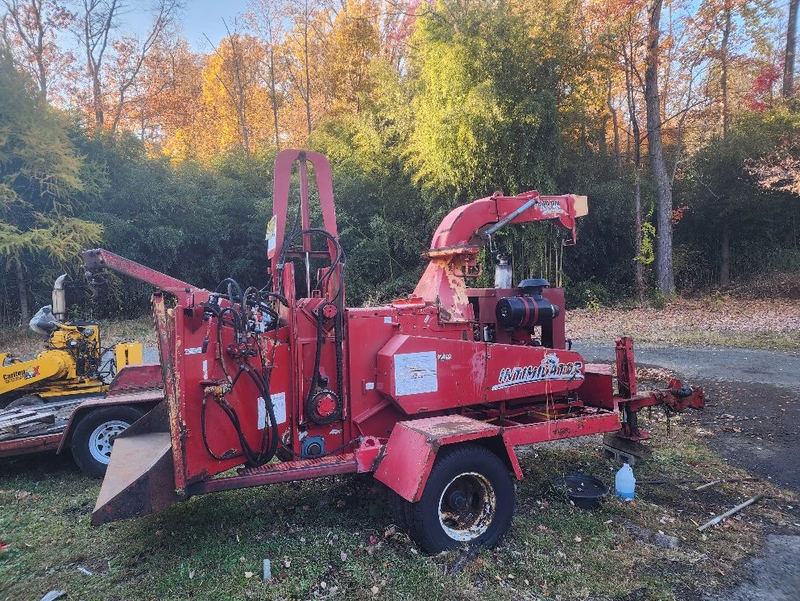
Buying a Used 2004 Bandit Intimidator 1890? Here's What to Check First
Quick answer: The Bandit Intimidator 1890 is an 18-inch disc-style wood chipper built for commercial tree care and land-clearing crews. A 2004 model is now over 20 years old, so the purchase decision comes down to engine hours, disc condition, and feed system wear — not the badge on the side. Verify maintenance records, inspect the disc and knives in person, and price the machine against repair costs before you buy.
Buying a 20-year-old wood chipper is not like buying a new one. The sticker price looks great. The real cost shows up later, in a cracked disc, a worn feed wheel, or a clutch that needs rebuilding six months after you drive it off the lot. If you're looking at a 2004 Bandit Intimidator 1890, you need to know what this machine is built to do, what typically wears out after two decades of use, and what questions to ask the seller before you hand over a check.
This guide walks through the Intimidator 1890's design, the inspection points that matter most on a unit this age, and the numbers you should use to negotiate a fair price.
See 2004 BANDIT INTIMIDATOR 1890 Wood Chipper
What Is the Bandit Intimidator 1890?
The Intimidator 1890 is Bandit Industries' 18-inch capacity disc chipper, part of the towable Intimidator series built for professional arborists, municipal crews, and land management contractors. The "18" in the model number refers to maximum chipping capacity — the machine is rated to process branches and trunk sections up to 18 inches in diameter, depending on wood species and condition.
Disc-style chippers like the 1890 use a heavy steel flywheel fitted with replaceable knives to shear material as it's fed through the hopper. Compared to drum chippers, disc models are generally prized for faster chip ejection and simpler knife changes — two things that matter on a job site where downtime costs money.
A 2004 unit would be roughly two decades old by now. That doesn't make it a bad buy. It makes due diligence mandatory.
Why Does the Machine's Age Matter More Than the Model Name?
A machine's model and capacity rating tell you what it was built to do. They tell you nothing about what 20 years of operation did to it. Two 2004 Intimidator 1890s can be worth dramatically different amounts depending on hours of use, maintenance history, and storage conditions.
A unit with a full service binder and consistent knife-sharpening records tells a far better story than one with no paperwork and a seller who "thinks it's been running fine." Don't let the model name substitute for your own inspection.
What Should You Inspect Before Buying a Used Wood Chipper?
Run through these points on any used disc chipper before negotiating price:
- Engine hours and service records. Ask for maintenance logs covering oil changes, belt replacements, and clutch service. No records means you negotiate as if the worst-case scenario is true.
- Disc and knife condition. Check the flywheel disc for cracks, pitting, or excessive knife-bolt wear. Replacement knives are a normal consumable cost; a warped or cracked disc is a major expense.
- Feed wheel and chute wear. The feed wheels and chute liner take constant abrasion from bark and debris. Heavy grooving or thinning metal signals years of hard use.
- Hydraulic system. Inspect hoses, cylinders, and the feed control system for leaks or soft spots. Hydraulic failures are expensive and often happen without warning.
- Tires, axle, and hitch. As a towable unit, the 1890 depends on a sound trailer frame. Check tire wear patterns, axle alignment, and hitch integrity before you tow it anywhere.
- PTO or engine power unit. Confirm whether the unit is PTO-driven or has its own engine, and verify that power source starts, runs, and holds steady RPM under load.
Choose a unit with documented maintenance and visible, verifiable wear over one with a lower price tag and no history. The cheaper machine often costs more once repairs start.
How Do You Price a 20-Year-Old Bandit Intimidator Fairly?
Pricing a used chipper this age means weighing purchase price against likely near-term repair costs. A lower asking price with a cracked disc or worn feed system can cost more within the first year than a higher-priced unit in verified working condition.
Before agreeing to a price:
- Get a written condition disclosure from the seller covering hours, known issues, and repair history.
- Request a live demonstration. Insist on seeing the chipper feed and process material before purchase, not just idle.
- Price out known wear items. Get quotes on knife sets, feed wheel liners, or hydraulic components that show visible wear, and subtract that from your offer.
- Compare against current listings for similar hours and condition to confirm you're not overpaying for age alone.
A machine priced below market with undisclosed issues isn't a deal. It's a repair bill waiting to happen.
Is a 2004 Bandit Intimidator 1890 Still a Good Investment?
For contractors who need an 18-inch capacity disc chipper and don't need the latest emissions-compliant engine, a well-maintained 2004 unit can still deliver years of reliable service at a fraction of new-equipment cost. Choose this route if verified maintenance records and a hands-on inspection support the asking price. Walk away if the seller can't produce service history or won't allow a live test run.
Make the Decision With Your Eyes Open, Not Your Wallet First
A 20-year-old chipper can still earn its keep on a job site, but only if you inspect it like your business depends on it — because it does. Verify the hours, check the disc and feed system in person, and price the machine against what repairs would cost if the seller's claims don't hold up.
Before you buy, request the full maintenance history, schedule an in-person inspection, and run the numbers on wear items. Do that, and the 2004 Bandit Intimidator 1890 can be a calculated purchase instead of a gamble.
Frequently Asked Questions
How much does a used 2004 Bandit Intimidator 1890 typically cost?
Pricing varies widely based on hours, condition, and location. Rather than relying on a single number, compare several current listings for similar-aged disc chippers and adjust for documented maintenance and visible wear on the disc and feed system.
What's the biggest risk when buying a wood chipper this old?
Undisclosed mechanical issues — especially disc cracks, worn feed wheels, or hydraulic leaks — pose the biggest financial risk. These repairs can cost thousands and are often invisible until the machine is under load.
Can I finance a used chipper like the Intimidator 1890?
Many equipment dealers and third-party lenders offer financing for used heavy equipment, including towable chippers. Terms depend on the machine's age, condition, and your credit profile, so check with your lender before shopping.
Is a disc chipper better than a drum chipper for a 2004-era machine?
Choose a disc chipper if faster chip ejection and simpler knife changes matter more for your crew's workflow. Choose a drum chipper if you prioritize handling larger, denser material at lower RPM. Neither is universally better — it depends on the job.
What should I ask the seller before making an offer?
Ask for engine hours, service records, reason for selling, and whether the disc and feed system have been inspected or serviced recently. Request a live demonstration before finalizing any price.