
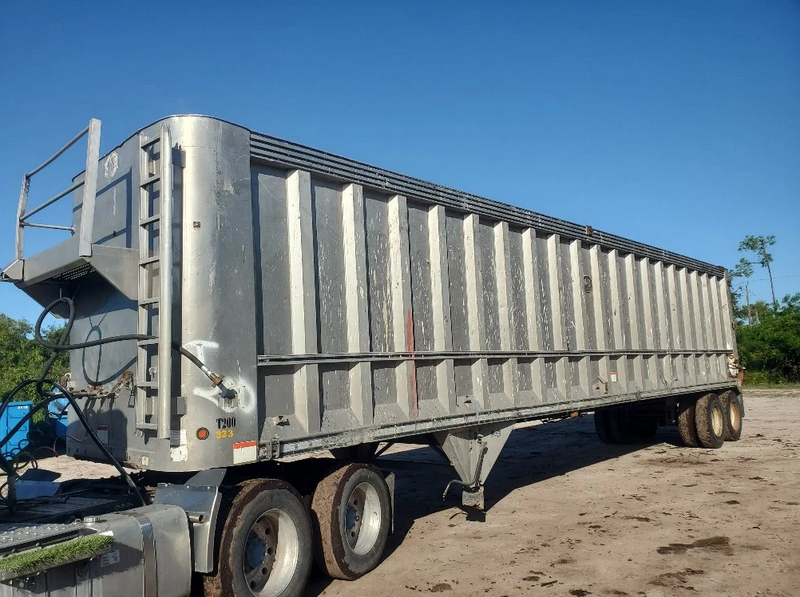
2007 MAC 100 Yard Walking Floor Trailer: What to Know Before You Buy
TL;DR: A 2007 MAC 100 yard walking floor trailer is a live-floor trailer built for self-unloading bulk materials like mulch, demolition debris, and biomass. At this age, the deal comes down to three things: hydraulic floor system condition, floor slat wear, and maintenance records. Verify all three in person before you commit, not after.
A walking floor trailer earns its keep by doing the unloading for you. No tipping, no tarps flying off mid-dump, no backing up to a pit and hoping gravity does the rest. The floor itself — a series of aluminum or steel slats driven by a hydraulic cylinder — pushes material out the back in stages, which makes these trailers the default choice for hauling mulch, wood chips, construction debris, recyclables, and other bulk loads that don't behave well in a standard dump trailer.
A 2007 MAC 100 yard unit sits in a specific niche: large enough to move serious volume per run, old enough that the asking price should reflect nearly two decades of service life, and specialized enough that a bad floor system can turn a "good deal" into a five-figure repair bill. Here's what actually determines whether this trailer is worth buying.
See 2007 MAC 100 Yard WALKING FLOOR TRAILER
What does "100 yard" mean on a walking floor trailer?
The 100-yard figure refers to cubic yard capacity, not length. It tells you how much loose material — mulch, chips, scrap — the trailer can carry by volume, not by weight. A 100-yard trailer is on the larger end of the walking floor category, typically running in the 48 to 53 foot length range depending on configuration.
Capacity numbers matter less than payload reality. A trailer rated for 100 cubic yards of mulch won't carry 100 cubic yards of wet demolition debris — weight limits hit first. Match the cubic yard rating against your actual material density before assuming this trailer fits your job.
Why does the hydraulic floor system matter more than the trailer's age?
The hydraulic floor system is the single most expensive component to repair on any walking floor trailer, and it's also the part buyers inspect least. The system includes the hydraulic cylinder, the floor slats, drive chains or cables, and the control valve — and failure in any one of these can mean a repair bill running into the tens of thousands of dollars.
On a 2007 unit, assume the floor system has seen real use. Ask for these specifics before you negotiate price:
- Hours or cycle count on the hydraulic system, if tracked
- Date of last floor slat replacement or repair
- Whether the hydraulic pump and cylinder are original or rebuilt
- Any history of floor jams, chain breaks, or slat cracking
A seller who can't answer these questions — or won't let you run the floor system yourself — is telling you something. Walk the trailer before you buy it, not after.
What should you physically inspect on a 2007 MAC walking floor trailer?
Age-appropriate wear is normal. Hidden damage is not. Run through this checklist in person:
- Floor slats — Check for cracking, warping, or excessive gaps between slats. Aluminum slats should show even wear; uneven wear points to alignment or drive problems.
- Hydraulic cylinder and hoses — Look for leaks, corrosion, or soft spots in the hose lines. A rebuilt cylinder isn't a red flag by itself, but a seller who doesn't disclose it is.
- Frame and crossmembers — Rust is expected on a trailer this age. Structural rust — pitting that's eaten through steel, not surface rust — is a dealbreaker.
- Tires and brakes — Tread depth, sidewall cracking, and brake lining thickness tell you how much you'll spend in the first six months of ownership.
- Tarp system — If equipped, check for tears, motor function, and roller alignment. A failed tarp system on a debris hauler means fines on the road.
- Service records — A trailer with a documented maintenance history is worth more than one without, even if the asking price is identical. Paperwork is leverage in negotiation.
How much should a 2007 MAC 100 yard walking floor trailer cost?
Pricing on used walking floor trailers varies by floor system condition more than by model year. Two trailers from the same year can differ by $10,000 or more based on hydraulic system health alone. Use these guidelines when evaluating an asking price:
- A trailer with a recently rebuilt hydraulic system and documented maintenance commands a premium — pay for it, because a rebuild out of pocket costs more than the difference.
- A trailer with original, aging floor components and no service history should price lower to offset the repair risk you're inheriting.
- Compare any listing against current market rates for 100-yard walking floor trailers of similar age before assuming the number on the sheet is fair.
Choose the higher-priced, better-documented trailer if your business depends on daily uptime. Choose the lower-priced unit only if you have the shop capacity and budget to handle a floor system repair without it costing you contracted hauls.
Who is a 2007 MAC 100 yard walking floor trailer a good fit for?
This trailer fits operations that move large, consistent volumes of bulk material and have the infrastructure to maintain a hydraulic live-floor system. That includes mulch producers, demolition contractors, waste haulers, and biomass operations running regular routes.
It's a poor fit for buyers who need occasional hauling capacity, lack access to hydraulic repair service, or are hauling material where a standard dump trailer does the job at lower cost and lower complexity. Walking floor trailers earn their price premium through unloading speed and material versatility — if your operation doesn't need either, you're paying for capability you won't use.
Get the inspection done before you negotiate
A 2007 MAC 100 yard walking floor trailer can be a strong addition to a hauling fleet, but the trailer's value lives in its floor system and its paperwork, not its model year. Verify hydraulic condition, confirm slat wear, and get maintenance records in hand before you talk price. Buyers who skip this step are the ones who find out the hard way what a floor rebuild costs.
Frequently Asked Questions
What does a walking floor trailer do differently than a dump trailer?
A walking floor trailer unloads material using a hydraulic-driven slat floor that pushes cargo out the back gradually, without tipping the trailer bed. A dump trailer unloads by raising the bed and letting gravity do the work. Walking floor trailers handle a wider range of material types and don't require overhead clearance to dump.
How long do walking floor hydraulic systems typically last?
Lifespan depends heavily on usage cycles and maintenance, not calendar age alone. A well-maintained system can run for well over a decade, while a neglected one can require major repair in half that time. This is why service records matter more than model year when evaluating a used unit.
Is a 2007 model year too old to buy for commercial use?
Age alone doesn't disqualify a trailer. What matters is documented maintenance, current floor system condition, and structural integrity. A well-maintained 2007 trailer can outperform a poorly maintained trailer several years newer.
What's the biggest risk in buying a used walking floor trailer?
The biggest risk is buying a trailer with hidden hydraulic floor damage — cracked slats, a failing cylinder, or a worn drive chain — that isn't visible without running the system. Always test the floor in operation before finalizing a purchase.
Are financing options typically available for trailers like this?
Many equipment dealers and third-party lenders offer financing for used trailers, often structured around the trailer's age, condition, and documented value. Check with the seller or a commercial equipment lender before assuming cash is your only option.