
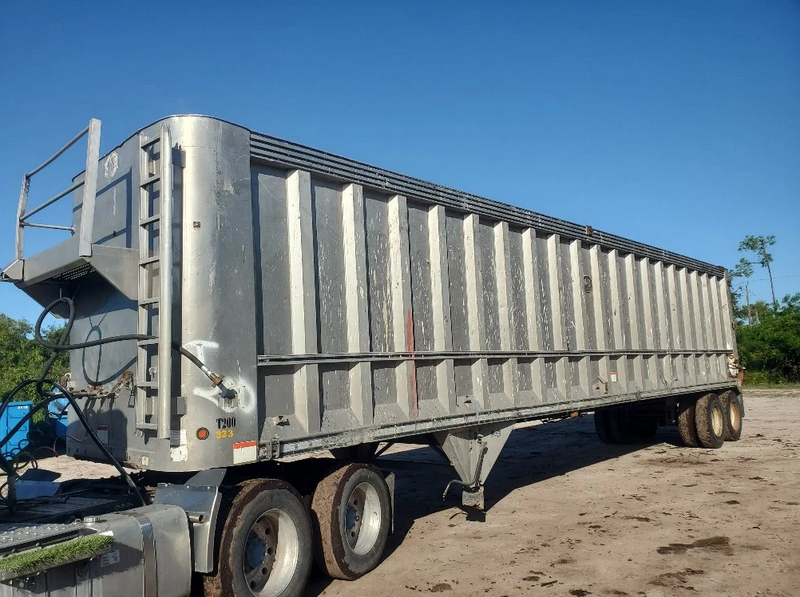
2015 MAC 100 Yard Walking Floor Trailer: What Buyers Need to Know Before They Bid
Quick answer: A 2015 MAC 100-yard walking floor trailer is a live-floor trailer built for bulk hauling — mulch, demolition debris, recyclables, agricultural waste — using hydraulic slat floors instead of dump mechanisms. At roughly a decade old, buyers should verify floor slat condition, hydraulic cylinder wear, tarp system function, and axle/brake history before paying full market price. Expect $35,000–$60,000 depending on condition, with maintenance records making or breaking the deal.
Walking floor trailers don't get the attention that flatbeds or dry vans do, but for the right operation, they're the backbone of the business. If you move bulk material — wood chips, construction debris, scrap, ag waste — a 2015 MAC 100 yard walking floor trailer might be exactly what your fleet needs. The question isn't whether the trailer type works. It's whether the specific unit you're looking at is worth the asking price.
MAC Trailer has built a reputation on durable, no-frills equipment, and the walking floor line is no exception. But a trailer built in 2015 is now operating in its second decade of service. That changes the questions you need to ask before you sign anything.
See 2015 MAC 100 Yard Walking Floor Trailer
What is a 100 yard walking floor trailer used for?
A 100 yard walking floor trailer is a live-bottom trailer designed to haul loose, bulk material without tipping or dumping. Instead of lifting the bed, hydraulic cylinders move floor slats in a sequenced pattern that walks the load out the back of the trailer.
This matters for three reasons:
- No tipping hazard. Unlike a dump trailer, a walking floor stays level during unloading — critical near overhead power lines, in enclosed facilities, or on uneven ground.
- Bulk capacity. A 100-yard capacity puts this trailer in the range used for mulch, wood waste, municipal solid waste, demolition debris, and agricultural products like silage or cotton.
- Versatility. The same trailer that hauls recyclables to a transfer station can haul fresh mulch to a landscaping yard the next week.
If your operation moves low-density, bulk material on a regular basis, a walking floor trailer earns its keep fast. If you're hauling palletized freight or anything that needs to stay contained and clean, this isn't the right equipment category.
How much does a 2015 MAC 100 yard walking floor trailer cost?
Pricing on a 2015 MAC 100 yard walking floor trailer typically falls between $35,000 and $60,000, depending on hour/mile usage, floor slat condition, and hydraulic system health. That's a wide range, and the spread exists for a reason: walking floor trailers wear unevenly, and two units from the same model year can be in dramatically different shape.
Choose the lower end of that range if the trailer shows heavy slat wear, deferred cylinder maintenance, or no service records. Choose the higher end if the seller can document consistent maintenance, newer floor chain, and recent hydraulic pump service. A trailer with a full paper trail is worth more than an identical trailer with none — full stop.
What should you inspect before buying a used walking floor trailer?
Inspect these five systems before you commit to any used walking floor trailer, 2015 MAC units included:
- Floor slats and chain. These take the most abuse. Look for cracked, warped, or replaced slats, and check the drive chain for stretch. Replacement slat sets run into the thousands, so factor that into your offer if wear is visible.
- Hydraulic cylinders and pump. The walking floor mechanism lives or dies by its hydraulics. Ask to see the floor cycle under load. Slow, uneven, or hesitant movement signals cylinder or pump issues ahead.
- Axles and brakes. A decade-old trailer has likely seen at least one brake job and possibly a bearing replacement. Ask for records. No records means budget for inspection and probable replacement.
- Tarp system. Most walking floor trailers run an electric or manual tarp for covering loose loads. Test it. A broken tarp motor is a cheap fix now and an expensive citation later if you skip it.
- Frame and flooring integrity. Bulk material is abrasive. Walk the length of the trailer and check for corrosion, cracked welds, or soft spots in the floor structure, especially near the tailgate.
A seller who hesitates to let you run the floor system or pull maintenance records is telling you something. Walk away or renegotiate — don't assume good faith on a trailer you haven't tested.
Is a 2015 model year too old to buy?
Age alone doesn't disqualify a 2015 MAC 100 yard walking floor trailer. Usage and maintenance history matter more than the year on the title. A 2015 trailer that's been serviced on schedule and run moderate annual mileage can outperform a newer trailer that's been worked hard with no maintenance discipline.
What a 2018 unit with light documented use and a 2015 unit with heavy undocumented use have in common: neither price should be set by year alone. Request service logs, ask how many hours the hydraulic system has logged if available, and inspect in person before comparing price tags. A trailer with ten years on the title and a clean maintenance binder is a safer buy than a five-year-old trailer with zero paperwork.
Making the final call
A walking floor trailer is a specialized asset, and the used market rewards buyers who inspect before they negotiate. Before you make an offer on a 2015 MAC 100 yard walking floor trailer, confirm floor and chain condition, test the hydraulic cycle, review axle and brake records, and verify the tarp system works. Price the trailer on documented condition, not model year.
If the seller can answer every one of those points with specifics instead of adjectives, you're looking at a trailer worth bidding on. If they can't, keep looking — the right unit is out there, and it's worth the extra week of searching to find it.
Frequently Asked Questions
What does "100 yard" mean on a walking floor trailer?
The 100-yard figure refers to the trailer's volumetric hauling capacity — roughly 100 cubic yards of loose material per load, depending on how the material is loaded and compacted.
How long do walking floor trailers typically last?
With proper maintenance, a walking floor trailer can remain in service 15–20 years. Floor slats, chains, and hydraulic components need periodic replacement, but the frame and core structure typically outlast several sets of wear components.
What's the biggest risk when buying a used walking floor trailer?
The biggest risk is buying a unit with worn floor slats or a failing hydraulic pump without knowing it. Both issues are expensive to fix and easy to miss without running the floor system under load during inspection.
Are MAC walking floor trailers good for agricultural hauling?
Yes. MAC's walking floor line is commonly used for agricultural bulk products like silage, cotton, and feed, alongside waste and recycling applications, because the live-floor design unloads loose material evenly without tipping.
Should I finance or pay cash for a used walking floor trailer?
That depends on your cash flow and how the trailer will be used. Financing preserves working capital for maintenance and repairs, which matters more on an older trailer. Paying cash avoids interest costs but ties up capital you may need if the hydraulic system needs work sooner than expected.