
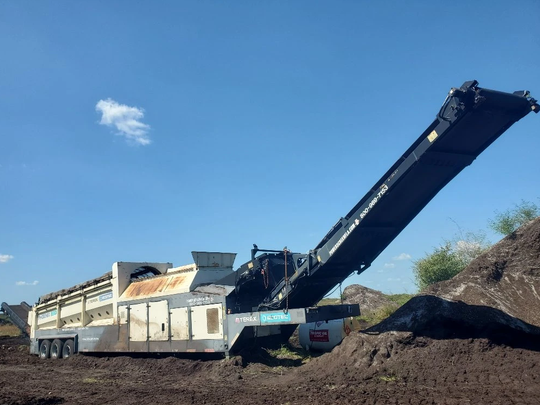
What Should You Know Before Buying a 2021 Terex Ecotec Phoenix 3300?
Quick answer: The 2021 Terex Ecotec Phoenix 3300 is a mobile trommel screener built for high-volume material separation — topsoil, compost, mulch, C&D debris, and aggregates. Buyers should verify drum hours, screen media condition, and engine service records before purchase, since these three factors drive 80% of post-sale repair costs on trommel screeners. At three years old, a well-maintained unit should still carry significant working life ahead of it.
The used equipment market doesn't reward guesswork. A trommel screener looks the same whether it's been babied or beaten, and the difference between those two machines can run into tens of thousands of dollars in deferred maintenance. If you're evaluating a 2021 Terex Ecotec Phoenix 3300, you need more than a walk-around and a handshake. You need a checklist.
This guide breaks down what the Phoenix 3300 is built to do, what separates a good unit from a problem unit, and the exact questions to ask before you sign.
See 2021 TEREX ECOTEC PHOENIX 3300 Trommel Screener.
What Is the Terex Ecotec Phoenix 3300 Trommel Screener Built to Do?
The Phoenix 3300 is a tracked mobile trommel screener designed for contractors, landscapers, recycling operations, and demolition crews who need to process bulk material fast. Terex Ecotec built this platform to separate materials by size — topsoil from rocks, compost from contaminants, mulch from oversized debris — using a rotating drum fitted with interchangeable screen media.
Named for its 3.3-meter trommel drum, the Phoenix 3300 handles throughput that smaller screeners can't match. It's a step up for operations that have outgrown a compact screener but don't need the footprint or cost of a full-size static plant.
Key capabilities include:
- High-volume processing of topsoil, compost, mulch, sand, gravel, and construction and demolition (C&D) waste
- Interchangeable trommel screens for different material grades
- Self-contained diesel power unit for use at remote sites
- Tracked undercarriage for mobility across uneven job sites
- Radio remote control for operator positioning away from the machine
Choose the Phoenix 3300 if your operation processes high volumes of mixed material and needs mobility between sites. Choose a smaller trommel or a static screening plant if your throughput needs are lower or your site is fixed.
How Many Hours Is Too Many on a 2021 Trommel Screener?
There's no universal hour ceiling, but context matters more than the number itself. A 2021 unit used seasonally in a landscaping operation might show 800 hours with light wear. The same machine run around the clock at a recycling yard could show 4,000 hours and heavier component fatigue.
The mistake buyers make is treating hours as the only data point. Don't. Ask for the full usage history — application type, duty cycle, and maintenance intervals — alongside the hour count. A 2021 unit with 1,500 hours and a complete service log tells a far better story than a 2021 unit with 900 hours and no paperwork at all.
Request these records before you negotiate price:
- Full maintenance and service history
- Screen media replacement dates
- Drum bearing inspection records
- Conveyor belt condition reports
- Engine service intervals and any warranty claims
No paperwork is itself a red flag. Walk away or renegotiate.
What Parts of the Phoenix 3300 Wear Out First?
Three components take the most abuse on any trommel screener, and the Phoenix 3300 is no exception.
The trommel drum and screen media. Constant rotation under load wears the screen panels and drum bearings faster than almost any other part of the machine. Inspect the screen media for tears, gaps, or excessive wear patterns. Spin the drum manually if possible and listen for grinding or irregular resistance in the bearings.
The conveyor system. Feed conveyors and discharge conveyors see continuous abrasive contact with processed material. Check belt tension, look for fraying or tears, and inspect rollers for flat spots or seized bearings.
The diesel power unit. This machine lives or dies on its engine. Verify the make, model, and hours separately from the machine's overall hour meter if they differ, and confirm the most recent oil analysis or service report. An engine with documented oil changes every 250 hours tells you more than a seller's claim that it "runs great."
Inspect all three in person, or send someone qualified to inspect them for you. Photos and a phone call aren't due diligence.
Is a 2021 Model Still a Smart Buy in Today's Market?
Yes, if the price reflects real condition rather than just the model year. The used heavy equipment market in 2026 looks different than it did two or three years ago. Pandemic-era bidding wars have cooled, and buyers finally have room to negotiate. But softer prices don't mean every used Phoenix 3300 on the market is priced fairly.
A 2021 model sits in a sweet spot: old enough that the initial depreciation hit has already happened, young enough that major components should still have substantial working life left. That combination only pays off if the specific unit you're looking at has been maintained to spec.
Compare the asking price against three data points before you commit: current hours, condition of the three wear components above, and recent comparable sales for the same model year. If a seller can't or won't provide maintenance records, price in the risk — or move to a different listing.
Take the Next Step
A 2021 Terex Ecotec Phoenix 3300 can deliver years of reliable screening if you verify condition before you buy, not after. Request the full service history, inspect the drum, screen media, conveyors, and engine in person, and compare the price against real market data for the model year. Skipping any one of these steps turns a calculated purchase into a gamble.
Browse current Phoenix 3300 listings and request inspection records before you make an offer.
Frequently Asked Questions
How much does a used 2021 Terex Ecotec Phoenix 3300 cost?
Pricing varies based on hours, condition, and location, but buyers should expect used pricing well below the original MSRP for a three-year-old unit. Get a direct quote based on the specific unit's hours and maintenance history rather than relying on general price guides.
What is the typical lifespan of a trommel screener like the Phoenix 3300?
With proper maintenance, a trommel screener's major structural components can last well over a decade. Engine and wear parts (screen media, conveyor belts, bearings) require periodic replacement regardless of age, so total lifespan depends heavily on maintenance consistency.
What are the risks of buying a used trommel screener without an inspection?
The main risks are hidden wear on the drum bearings, undisclosed engine issues, and conveyor damage that isn't visible in photos. These repairs can cost thousands of dollars and erase any savings from a lower purchase price.
Are there alternatives to the Phoenix 3300 for smaller operations?
Yes. Compact trommel screeners and static screening plants suit operations with lower throughput needs or fixed job sites. Choose the Phoenix 3300 if you need mobility combined with high-volume capacity; choose a smaller unit if your material volume doesn't justify the larger footprint.
Who is the Phoenix 3300 best suited for?
Contractors, landscapers, composting operations, and C&D recycling businesses that process large volumes of mixed material and need a mobile solution between job sites get the most value from this machine.