
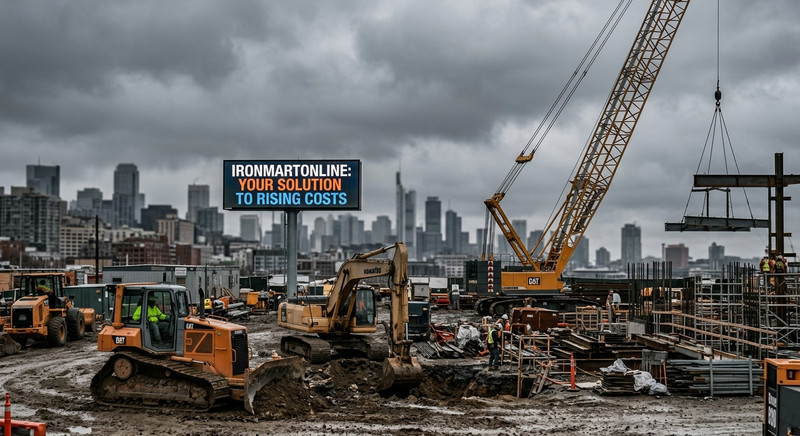
What the 2026 Market Shift Means for Contractors and Equipment Dealers
Quick answer: The 2026 used truck and heavy equipment market favors buyers for the first time in years. Interest rates remain elevated, freight demand is soft, and dealer lots are carrying more inventory than they have since 2019. Contractors who move now can negotiate harder, but they need verified data — not dealer talk — to avoid overpaying for machines that look good on paper and fail on the job site.
Contractors and equipment dealers spent the last three years chasing inventory that didn't exist. Pandemic-era supply shortages turned routine fleet purchases into bidding wars. Dealers sold units sight unseen. Buyers paid above asking price for machines they'd never inspected. That market is gone.
What's replaced it is more complicated than a simple "buyer's market" headline suggests. Prices have softened in several equipment categories, but softer prices don't automatically mean better deals. Interest rates are still elevated compared to the 2020–2021 financing environment, freight volumes remain inconsistent, and dealer inventories have grown unevenly across regions and equipment classes. A contractor in Texas looking at dozers faces a different negotiating position than a dealer in the Midwest moving semi-trucks.
This shift changes how contractors should approach every purchase decision, and it changes what equipment dealers need to do to move inventory. Here's what's actually happening, and what to do about it.
Why Are Used Truck and Equipment Prices Falling in 2026?
Three forces are driving the current pricing environment: cooling freight demand, normalized supply chains, and higher cost of capital.
Freight volumes that spiked during pandemic-era e-commerce growth have leveled off, reducing demand for Class 8 trucks and trailers in several markets. Fewer active freight contracts means fewer carriers expanding their fleets, which means more used trucks sitting on dealer lots longer than they did in 2021 and 2022.
At the same time, manufacturing supply chains have largely normalized. New equipment that was backordered 12 to 18 months during the chip shortage era is now available on far shorter lead times. That reduces pressure on the used market, since contractors who previously had no choice but to buy used now have new equipment as a realistic option again.
Financing costs remain the third factor. Interest rates sit well above the near-zero environment contractors got used to going into 2020. Monthly payments on financed equipment are higher even when the sale price is lower, which changes the math on what counts as a genuinely good deal.
Decision criteria: If your business depends on predictable freight contracts, slower-moving trucking inventory works in your favor at the negotiating table. If you're financing a purchase, calculate total cost of ownership including interest — not just the sticker price — before comparing deals.
Does a Softer Market Mean Every Used Equipment Deal Is a Good Deal?
No. Softer prices don't eliminate risk — they just change where the risk is hiding.
A lower asking price can still represent a bad deal if the machine needs an undercarriage rebuild, has an incomplete maintenance history, or doesn't match your actual job requirements. The fastest way to overpay in a buyer's market is to assume every discounted listing is a bargain. Dealers carrying excess inventory are often motivated to move units fast, and "motivated seller" doesn't always mean "well-maintained machine."
A 2018 unit with 4,000 hours and a complete dealer service binder tells a far better story than a 2020 model with 2,000 hours and zero paperwork. Hour count alone doesn't tell you how a machine was used, maintained, or stored. Paperwork does.
Before treating a lower price as a win, verify three things:
- Maintenance history. Request service records, not a verbal summary. A complete paper trail is worth more than a few thousand dollars off the asking price.
- Component-level condition. Ask about the undercarriage, hydraulics, and engine hours specifically — not a general "good condition" claim.
- Fit for the job. Confirm the specifications, lift capacity, or attachment compatibility match your actual project needs. A cheap machine that's wrong for the job costs more than a correctly specified one at full price.
How Should Contractors Approach Equipment Purchases in This Market?
Define your needs before you start browsing prices.
Contractors who shop by price first and specifications second consistently end up with equipment that's wrong for their job site. Define the specifications, lift capacities, and required attachments your project actually demands before you look at a single listing. This prevents chasing a "good deal" on a machine that can't do the work you need it to do.
Once your specifications are locked in, follow a consistent evaluation process:
- Set a budget that includes financing costs, not just the purchase price. At current interest rates, a $10,000 discount can be offset by thousands in additional interest over the loan term.
- Compare multiple listings with the same specifications side by side. A single low price means nothing without a comparable baseline.
- Request maintenance and inspection records before scheduling an in-person look. Dealers unwilling to provide this information are telling you something.
- Inspect in person or send a qualified third party if the equipment is out of state. Photos and verbal assurances are not a substitute for a direct inspection.
- Negotiate using data, not instinct. A machine sitting on a lot for 90-plus days has more room for negotiation than one listed last week.
This process takes longer than buying off a single listing that looks good. It also prevents the kind of six-figure mistake that a soft market makes easy to walk into.
What Does This Market Mean for Truck and Equipment Dealers?
Dealers face the inverse problem: moving inventory without eroding margin.
Carrying costs on unsold inventory climb every month a unit sits unsold, especially with current financing rates applied to floor-plan debt. Dealers who priced units based on 2022 demand are now adjusting, and the dealers moving inventory fastest are the ones providing the verifiable detail buyers are demanding — hours, service records, named components, and real photos instead of stock images.
Dealers who treat this market like the last one — holding firm on inflated prices and assuming scarcity will bail them out — are watching inventory age on their lots. Dealers who adjust pricing to current demand and lead with transparent, specific listings are closing deals faster.
Where IronMart Online Fits Into This Market
Contractors need verified data to negotiate with confidence. Dealers need qualified buyers who are ready to transact. IronMart Online is built to serve both sides of that transaction in the exact conditions defined above.
IronMart Online lists used trucks and heavy equipment with the level of detail this market demands — hours, component condition, maintenance history, and direct seller contact, not vague condition claims. Contractors browsing IronMart Online can compare specifications across multiple listings in one place instead of chasing scattered information across dealer websites and classified ads. That means a tighter buying process: define your specs, filter listings that match, and verify condition before you ever pick up the phone.
For dealers, IronMart Online provides direct access to buyers actively searching for specific equipment classes, cutting the time a unit sits unsold. Listings built around real specifications — not marketing adjectives — move faster in a market where buyers are comparison-shopping harder than they have in years.
The 2026 market rewards prepared buyers and transparent sellers. Whether you're a contractor sourcing one machine or a dealer managing a full lot, the tools you use to verify and compare listings determine whether you win or lose on the deal. Browse current listings on IronMart Online and see what verified inventory looks like.
Frequently Asked Questions
Is 2026 a good time to buy used heavy equipment?
For prepared buyers, yes. Prices have softened in several categories due to slower freight demand and normalized supply chains. But the savings only materialize if you verify maintenance history and component condition before buying — a low price on a poorly maintained machine isn't a deal.
Why are truck prices dropping in 2026?
Freight demand has cooled from pandemic-era highs, leaving more trucks on dealer lots longer. Combined with normalized new-equipment supply chains and higher financing costs, dealers are adjusting prices to move aging inventory.
What's the biggest risk in a buyer's market for equipment?
Assuming every discounted listing is a good deal. Lower prices can mask maintenance issues, incomplete service history, or equipment that doesn't match your project's specifications. Verify before you negotiate.
How can dealers move inventory faster in a slower market?
Price to current demand instead of 2022-era scarcity, and lead listings with specific, verifiable details — hours, component condition, maintenance records — rather than general condition claims. Buyers are comparison-shopping harder, and transparency wins the deal.
How does IronMart Online help in the current market?
IronMart Online connects contractors with verified, detail-rich equipment listings and connects dealers with buyers actively searching for specific machines, reducing time-on-lot and mismatched purchases on both sides.