
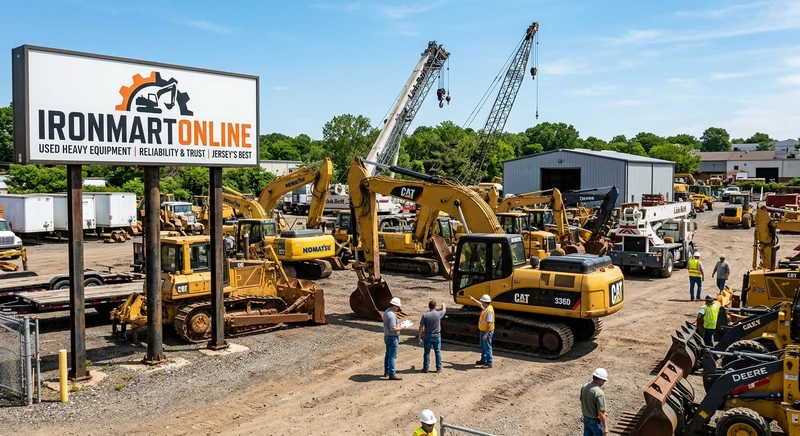
Why Buying Used Heavy Equipment Is the Smarter Play in 2026
Quick answer: Buying used heavy equipment cuts your upfront cost by 20-50% compared to new, skips the steepest depreciation curve a machine ever faces, and gets you working faster since used units sit ready for pickup instead of months out on a factory order. The tradeoff is more diligence on inspections and service history — but for most fleets, the math still favors used.
Heavy equipment is one of the biggest line items on any contractor's balance sheet. A new wheel loader can run well into six figures. A new dozer costs even more. Every dollar sunk into that purchase is a dollar that isn't funding payroll, fuel, or the next job.
That's why more buyers — from one-truck operations to established fleets — are turning to the used market. Not because new equipment doesn't work. It's because used equipment often delivers the same productivity at a fraction of the financial risk.
This post breaks down exactly where the advantages come from, what to watch for before you sign, and how to know if a used purchase makes sense for your operation.
How much money does buying used heavy equipment actually save?
The savings are immediate and substantial. Used heavy equipment typically costs 20-50% less than a comparable new unit, depending on age, hours, and market demand. That difference isn't marginal — on a $150,000 excavator, a 30% discount puts $45,000 back into your operating budget.
Depreciation is the reason this gap exists. New equipment loses the largest share of its value in the first few years of ownership, the same way a new vehicle does the moment it leaves the lot. Buy a three- or four-year-old machine instead, and the previous owner has already absorbed that steepest part of the depreciation curve. You get a machine with plenty of working life left, at a price that reflects someone else's loss, not yours.
Lower purchase price also means lower financing costs. Smaller loan principal translates to smaller monthly payments and less interest paid over the life of the loan. If you're financing multiple units for a fleet expansion, that difference compounds fast.
Does used heavy equipment sacrifice reliability?
Not if you buy right. A well-maintained used machine with clean service records is often a better bet than a new machine with zero operating history. A 2018 unit with 4,000 hours and a complete dealer service binder tells a far better story than a 2020 model with 2,000 hours and zero paperwork.
Modern heavy equipment is built to run for tens of thousands of hours before major components need rebuilding. A machine with 5,000 hours on a 20,000-hour rated engine still has most of its productive life ahead of it. The key is verifying that history, not assuming it.
Before you buy, you should:
- Request full service records — oil changes, fluid analysis, any major repairs.
- Check hour meter against visible wear — mismatched wear and hours is a red flag.
- Inspect undercarriage, hydraulics, and engine compartment in person or through a third-party inspector.
- Ask about the machine's work history — quarry work and demolition wear equipment faster than general grading.
The fastest way to end up with a bad used machine is skipping the paper trail. Don't buy on photos and a handshake. Verify the history, then verify the machine matches it.
What are the tax advantages of buying used heavy equipment?
Section 179 of the U.S. tax code allows businesses to deduct the full purchase price of qualifying equipment — new or used — in the year it's placed into service, up to annual limits set by the IRS. This isn't a used-equipment-exclusive benefit, but it matters more on a used purchase because you're deducting against a smaller total cost while still getting full operational value from the machine.
Pair that with bonus depreciation rules, and a used equipment purchase can meaningfully reduce your tax liability in the same year you buy. Talk to your accountant about current-year limits before you finalize a purchase — thresholds change, and you want the deduction sized correctly for your business.
How fast can you get used equipment to the job site?
Immediately, or close to it. New equipment orders — especially for specialized configurations — can mean a wait of several months from order to delivery, depending on manufacturer backlog and attachment availability. Used equipment is already built, already on a lot, and ready to move.
If a job starts in three weeks and you need a compact track loader, waiting on a factory order isn't an option. A used machine that matches your specs can be inspected, financed, and delivered in days. For contractors bidding on time-sensitive jobs, that lead-time advantage can be the difference between winning the bid and passing on it.
What should you check before buying used heavy equipment?
The fastest way to overpay — or worse, buy a machine that fails on the job — is skipping due diligence because the price looks good. Define your specific needs first: required lift capacity, attachment compatibility, and job-site conditions. A low price on the wrong machine is still a bad deal.
Once you know what you need, verify the machine itself:
- Confirm hours and compare them against the machine's rated service life.
- Pull maintenance and repair records from the seller or dealer.
- Inspect for fluid leaks, worn tracks or tires, and cracked welds.
- Run the machine yourself — or have an operator run it — before you commit.
- Get a third-party inspection on any purchase over $50,000.
- Check title and lien status to confirm clear ownership.
Skip any of these steps, and you're buying on faith instead of facts. Verify everything, then negotiate.
Is buying used heavy equipment a good investment in 2026?
For most buyers, yes — with conditions. Choose used if your priority is minimizing upfront cost and getting equipment on-site fast, and you have the ability (or a trusted inspector) to verify condition and service history. Choose new if you need the latest emissions compliance, the longest possible warranty coverage, or a highly specialized configuration that's rarely available secondhand.
The 2026 market specifically favors used buyers. Pandemic-era bidding wars have cooled, supply chains have normalized, and inventory on used lots has grown. That combination means more selection and more room to negotiate than buyers saw just two or three years ago. Softer prices don't mean every used listing is a good deal — but they do mean serious buyers have more leverage than they've had in years.
Make your next equipment purchase a calculated one
Buying used heavy equipment isn't a compromise. It's a financial strategy that lets you deploy capital where it matters most — payroll, fuel, new contracts — instead of locking it into a machine's first, steepest years of depreciation.
The advantage only holds up if you do the work on the front end: define your specs, verify the hours, pull the service records, and inspect before you buy. Skip that diligence, and the savings disappear fast. Do it right, and a used machine gets you to the job site faster, cheaper, and with less financial risk than a new one ever could.
Start by defining the specs your next job requires, then browse listings that match.
Frequently Asked Questions
How much does used heavy equipment typically cost compared to new?
Used heavy equipment generally costs 20-50% less than a comparable new model, depending on age, hours, condition, and current market demand.
Is financing available for used heavy equipment?
Yes. Most equipment lenders finance used machines, often with similar terms to new equipment, though interest rates and down payment requirements can vary based on the machine's age and hours.
What's the biggest risk when buying used heavy equipment?
Buying without verified service history or a professional inspection. Mismatched hours, hidden hydraulic issues, and undisclosed accident damage are the most common problems buyers run into when they skip diligence.
How many hours is too many on a used machine?
It depends on the equipment type and component ratings, not a fixed number. An engine rated for 20,000 hours with 8,000 on the clock and documented maintenance can be a sound purchase; the same hours with no service records is a bigger gamble.
Can you get the same tax benefits on used equipment as new?
Yes. Section 179 deductions and bonus depreciation apply to both new and used qualifying equipment, as long as it's placed into service during the tax year and meets IRS requirements.