
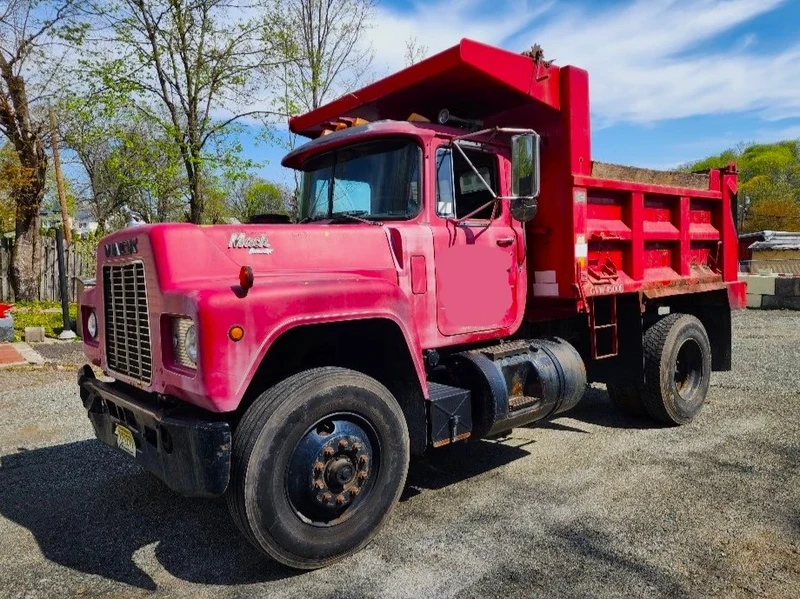
Where to Compare Used Dump Trucks by Axle Type, Specs, and Condition
TL;DR: The best sources for comparing used single axle, tandem axle, and tri axle dump trucks are commercial truck marketplaces with standardized spec sheets, dealer networks that publish maintenance records and inspection photos, and auction platforms with third-party condition reports. Prioritize listings that show hours or mileage, axle configuration, GVWR, engine hours, and multiple photos of the undercarriage and bed. Avoid listings with vague descriptions and no verifiable data.
Buying a used dump truck is a specs decision first and a price decision second. The axle configuration determines your legal payload, your maneuverability on job sites, and your resale value three years from now. A single axle truck handles light residential hauls and tight streets. A tandem axle truck is the workhorse for most construction and aggregate hauling. A tri axle truck carries more weight per trip but costs more to maintain and insure. None of that matters if the listing you're looking at doesn't tell you the truck's real condition.
This guide breaks down what to look for in a dump truck listing, which platform types give you the clearest comparison data, and how to avoid the mistakes that cost buyers thousands after the sale.
What should a dump truck listing include before you trust it?
A trustworthy listing names the axle configuration, GVWR, engine make and hours, transmission type, bed material and length, and tire condition — not just "ready to work." Photos should show the frame, undercarriage, hydraulic cylinder, and bed interior, not just a clean exterior shot.
Here's the minimum spec set to demand from any seller:
- Axle configuration: single, tandem, or tri axle, stated explicitly
- GVWR and payload capacity: not just "heavy duty"
- Engine: make, model, horsepower, and hours or mileage
- Transmission: automatic or manual, number of speeds
- Bed: material (steel or aluminum), length, hoist cycle time
- Tires and brakes: tread depth, brake type (air or hydraulic), recent replacements
- Title and inspection status: clean title, current DOT inspection, any liens
If a listing is missing more than two of these, treat it as a red flag, not a bargain.
Which platform types give you the clearest side-by-side comparison?
Three platform categories dominate the used dump truck market, and each serves a different buyer need.
Manufacturer-certified used truck networks
Dealer networks tied to major truck manufacturers typically publish the most complete spec sheets because they're built off the original build data. You get factory specs cross-referenced against current condition, which eliminates a lot of guesswork on engine and drivetrain details. These networks often include a dealer-performed inspection report alongside the listing, which gives you a documented baseline instead of a seller's word.
Choose a certified network if you want factory-verified specs and dealer accountability — and you're willing to pay a premium for that assurance.
Equipment marketplace aggregators
These platforms pull listings from multiple independent dealers and private sellers into one searchable database, filterable by axle type, GVWR, hours, and price range. The upside is volume: you can compare dozens of tandem axle trucks side by side in minutes. The downside is inconsistency — one dealer's "excellent condition" might mean something different than another's.
Choose an aggregator if you want to compare price and spec ranges fast, but verify every listing independently before committing.
Auction platforms with inspection reports
Auction marketplaces that include third-party condition reports — not just seller photos — give you the most objective read on a truck's real state. A good inspection report will score the engine, transmission, hydraulics, frame, and tires separately, rather than rolling everything into one vague grade.
Choose an auction platform if you want price flexibility and are comfortable bidding, provided the listing includes a documented inspection.
How do single, tandem, and tri axle trucks compare on cost and capability?
|
Axle type |
Typical GVWR |
Best for |
Maintenance cost |
|---|---|---|---|
|
Single axle |
Up to 33,000 lbs |
Residential hauling, tight sites |
Lowest |
|
Tandem axle |
46,000–54,000 lbs |
General construction, aggregate |
Moderate |
|
Tri axle |
60,000+ lbs |
High-volume hauling, fewer trips |
Highest |
A tandem axle truck with 8,000 hours and full maintenance records is often a better buy than a tri axle truck with 3,000 hours and no paperwork. Hours tell you how hard a truck worked. Paperwork tells you how well it was cared for. You need both numbers before you decide.
What mistakes cost buyers the most money?
The fastest way to overpay is to compare listings on price alone. Two tandem axle trucks priced $15,000 apart can have identical specs — the cheaper one might just have a seller who hasn't updated the hour count in two years. Pull the current hours and inspection date before you compare price tags.
The second-fastest way to overpay is skipping the in-person or video walkaround. Photos hide undercarriage rust, hydraulic leaks, and frame cracks. Request a walkaround video of the frame rails, cylinder, and bed hinges before you wire a deposit.
The third mistake: ignoring title and lien status until after you've negotiated price. Confirm clean title and DOT inspection status up front. A great price on a truck with a lien attached isn't a deal — it's a delay you haven't priced in yet.
Make your next comparison count
Buying a used dump truck comes down to matching axle configuration to your job requirements, then verifying every spec claim against documentation — not adjectives. Pull hours, inspection reports, and title status before you compare prices across platforms. Then call the seller, ask for a walkaround video, and get the real numbers in writing.
Frequently asked questions
What's the price difference between single, tandem, and tri axle dump trucks?
Single axle trucks typically cost the least due to lower GVWR and simpler maintenance needs. Tandem axle trucks sit in the middle and represent the bulk of the used market. Tri axle trucks command the highest prices because of their higher payload capacity and more complex drivetrain and suspension systems.
How many hours is too many on a used dump truck?
There's no universal cutoff — a truck with 10,000 hours and full maintenance records can outlast one with 5,000 hours and no service history. Focus on documented maintenance intervals rather than the hour count alone.
Is it safer to buy from a dealer or an auction?
Dealers typically offer more accountability and often provide warranties or return windows. Auctions can offer better pricing but shift more inspection responsibility onto you. Choose a dealer if you want post-sale support; choose an auction if you're comfortable verifying condition yourself.
What financing options exist for used dump trucks?
Most dealers and some marketplaces offer commercial truck financing through third-party lenders, typically requiring a down payment and proof of business operation. Terms vary by lender, truck age, and buyer credit profile.
Should I buy a single, tandem, or tri axle truck for construction work?
Choose a tandem axle truck if you need a balance of payload and maneuverability for general construction. Choose a tri axle truck if you're hauling high volumes of aggregate and fewer trips matter more than tight-site access. Choose a single axle truck only if your job sites are residential or space-restricted.