
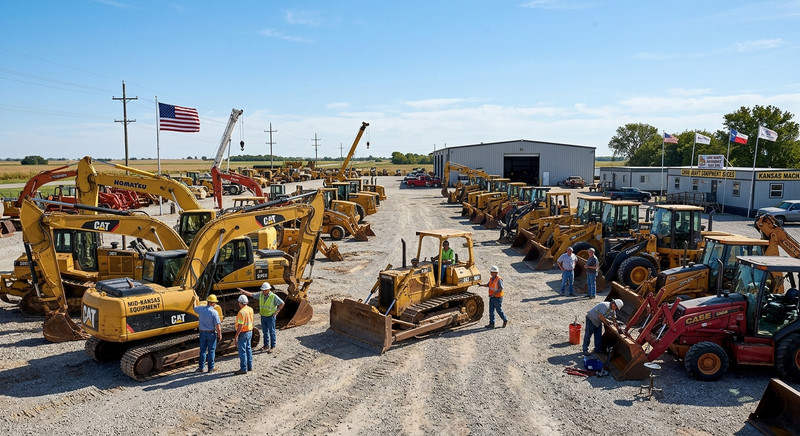
How Do You Find the Best Used Heavy Equipment Broker in Kansas?
Quick answer: The best used heavy equipment broker in Kansas connects you to a wide, verified network of buyers and sellers, handles shipping and paperwork, and gets you below-market pricing without the usual auction-house guesswork. Look for a broker with multi-location reach, transparent financing options, and a track record of fast turnarounds on both buying and selling heavy equipment.
Buying used heavy equipment in Kansas without a broker is a gamble. You're stuck comparing listings from a handful of local sellers, negotiating blind, and hoping the machine's condition matches the description. A dedicated broker changes that math. They widen your pool of options to a nationwide network, verify equipment before it reaches your shortlist, and negotiate pricing you'd never land on your own.
This guide breaks down what a heavy equipment broker actually does, why Kansas buyers and sellers benefit from using one, and how to evaluate your options before you commit to a deal.
What Does a Used Heavy Equipment Broker Do?
A used heavy equipment broker acts as the middleman between buyers and sellers of machinery — excavators, dozers, loaders, cranes, and other industrial equipment. Instead of searching dozens of regional listings yourself, the broker taps into an existing network of inventory and connects you directly to equipment that matches your specifications.
The value isn't just access. A strong broker also handles the logistics that typically slow down a deal:
-
Sourcing equipment from sellers outside your immediate region
-
Negotiating price on your behalf using market data, not guesswork
-
Coordinating shipping and freight arrangements
-
Managing title transfers, inspection paperwork, and financing documentation
-
Offering warranty or inspection services to reduce buyer risk
Ironmartonline, a heavy equipment broker operating across multiple U.S. locations, built its network specifically around this kind of coast-to-coast buyer-seller access. For Kansas business owners, that means you're not limited to what's sitting on a lot three counties over. You're pulling from inventory anywhere the network reaches.
Why Should Kansas Buyers Use a Broker Instead of Buying Direct?
The fastest way to overpay for used heavy equipment is to start browsing before you compare it against a broader market. A local dealership has no incentive to tell you their price is high — they only know their own lot. A broker's entire job is comparing your target machine against what's available nationally, which puts real negotiating leverage back in your hands.
There are three concrete advantages to using a broker in Kansas specifically:
1. Wider inventory access. Kansas has a strong agricultural and construction equipment market, but regional supply still fluctuates by season and by county. A broker with a national network fills gaps that local inventory can't.
2. Price comparison at scale. Brokers see transaction data across multiple states. That means they can tell you whether a $140,000 asking price on a used excavator is fair or inflated — something a single dealership can't credibly claim about its own inventory.
3. Reduced logistics burden. Buying equipment from out of state used to mean arranging your own freight, inspections, and title transfer. A broker folds that into the transaction, which matters most when the seller is hundreds of miles away.
What Should You Look for When Choosing a Construction Equipment for Sale Broker?
Not every broker operates the same way. Before signing anything, confirm the following:
-
Network size and geographic reach. A broker limited to Kansas and its neighboring states offers less leverage than one with a coast-to-coast network.
-
Transparency on pricing. Ask for comparable sale data, not just a quoted price. If a broker can't show you why a machine costs what it costs, that's a red flag.
-
Shipping and financing support. Confirm upfront whether the broker arranges freight directly or simply hands you a shipping contact. The difference affects both cost and timeline.
-
Turnaround speed. If you're selling equipment, ask how quickly the broker typically moves inventory. A broker who lets equipment sit unsold for months is costing you money in depreciation and storage.
-
Documentation handling. Confirm the broker manages title transfer and inspection paperwork rather than leaving you to chase it down independently.
A 2018 excavator with 4,000 hours and a complete service record from a broker who verified it in person tells a far better story than an unverified listing with no maintenance history. Choose the broker who can document that difference, not just describe it.
How Does Selling Used Heavy Equipment and Equipment Sales in Kansas Through a Broker Work?
Selling heavy equipment on your own means listing it, fielding calls, negotiating with strangers, and handling your own paperwork and shipping — all while the equipment sits idle and depreciates. A broker removes most of that friction.
Here's what that process typically looks like:
-
List your equipment with the broker, either through their platform or by handing off inventory details directly.
-
The broker matches your equipment to buyers in their network, including those outside Kansas or even outside the country.
-
Shipping and paperwork get handled by the broker, including financing the shipping charges in many cases.
-
You get a faster turnaround than you would listing independently, since the broker is actively matching inventory to demand rather than waiting for a buyer to stumble across your listing.
Ironmartonline describes this exact model on its own platform: sellers get the same service whether they're local to Kansas or located across the country, with the broker managing shipping, paperwork, and financing arrangements on the seller's behalf. For a seller juggling day-to-day operations, that kind of hands-off process is often worth more than squeezing out a slightly higher price through a private sale.
Turning a High-Stakes Purchase Into a Calculated Decision: Keeping Kansas Projects Moving
Buying or selling used heavy equipment in Kansas carries real financial stakes — a single bad deal can cost tens of thousands of dollars in overpayment, downtime, or unexpected repair costs. A broker's job is to strip the guesswork out of that transaction: wider access on the buy side, faster turnaround on the sell side, and logistics handled start to finish.
Before you commit to any equipment purchase or sale, define your specifications, get comparable pricing data, and confirm your broker's network reach and documentation process. That groundwork turns a high-stakes transaction into a calculated one.
Frequently Asked Questions
How much does it cost to use a heavy equipment broker in Kansas?
Broker fees vary by transaction size and service level, but many brokers build their fee into the negotiated price rather than charging a separate commission to the buyer. Confirm fee structure before listing or buying.
How long does it take to sell used heavy equipment through a broker?
Turnaround depends on equipment type, condition, and market demand, but brokers with wide buyer networks typically move inventory faster than private listings since they're actively matching equipment to active buyers rather than waiting for inquiries.
Can a broker help me finance a used heavy equipment purchase in Kansas?
Many brokers offer or coordinate financing options, including financing shipping charges separately from the equipment purchase price. Ask specifically what financing support is included before finalizing a deal.
Is it safe to buy heavy equipment from out of state through a broker?
Yes, provided the broker verifies equipment condition and handles title transfer and shipping logistics directly. Ask for documented inspection details and confirm who holds liability during transit.
What's the alternative to using a broker?
You can buy or sell equipment directly through private listings, auctions, or dealerships. This often means more legwork — comparing prices yourself, arranging your own shipping, and handling paperwork without a dedicated point of contact.