
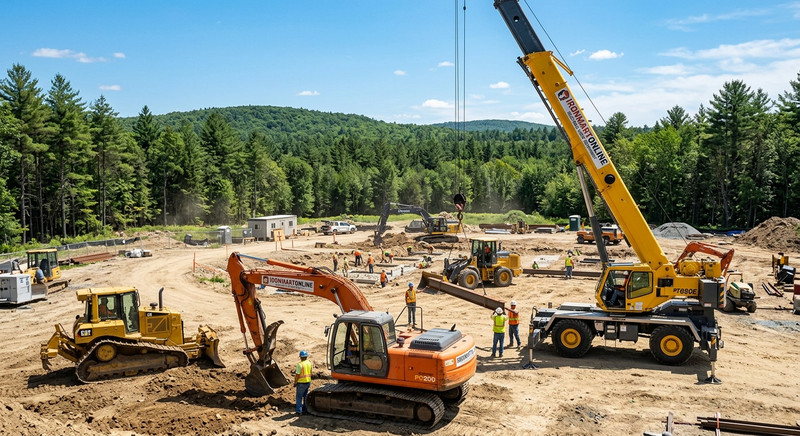
Best Used Heavy Equipment Broker in Maine: How to Choose
TL;DR: The best used heavy equipment broker in Maine gives you verifiable machine histories, nationwide inventory access, and handles financing and shipping logistics for you. Ironmartonline fits that standard, operating a coast-to-coast buyer-seller network with multiple locations and direct financing on shipping charges. Before you commit to any broker, verify their inspection process, network size, and whether they handle logistics end-to-end.
Maine's construction, logging, and municipal contractors don't have the luxury of a dozen equipment dealers within driving distance. Your state's geography means the nearest "good deal" on a dozer or excavator is often three states away, and that changes how you should shop. A broker with a narrow, local-only inventory limits your options before you've even started negotiating.
The right broker closes that gap. Instead of settling for whatever three machines happen to be sitting on a lot in Bangor or Portland, you get access to a national pool of sellers, verified specs, and a process that handles the paperwork you'd otherwise be stuck doing yourself.
This post breaks down what separates a reliable used heavy equipment broker from one that leaves you exposed, and what to check before you sign anything.
What does a heavy equipment broker actually do for a Maine buyer?
A broker connects buyers and sellers of used heavy equipment and manages the transaction between them. That includes sourcing machines that match your specs, verifying condition and hour meters, coordinating financing, and arranging shipping if the equipment isn't local.
For Maine buyers specifically, this matters more than it does in equipment-dense states. Limited local inventory means your broker's network size directly determines how many real options you see. A broker working only within New England shows you a fraction of what's available nationally. A broker with coast-to-coast reach — like Ironmartonline, which operates multiple locations across the country — puts machines from Texas, Illinois, or California on the same table as anything sitting closer to home.
Why does network size matter more than lot size?
A large physical lot in one location tells you nothing about pricing competitiveness. A large network does.
When a broker has built relationships with buyers and sellers across the country, you benefit in two ways:
-
More comparison points. You can cross-check a machine's asking price against similar units in other regions instead of accepting the one number on offer locally.
-
Faster turnaround. A seller with a broad buyer network moves equipment faster, which means better pricing leverage for you as the buyer and a quicker sale if you're the one selling.
If you're comparing brokers, ask directly how many active buyer and seller relationships they maintain and in how many states. A vague answer is a red flag. A specific number — "active listings in 15+ states" or similar — is verifiable and worth confirming independently.
What should you check before buying used construction equipment through a broker?
Define your specs before you look at a single listing. The fastest way to overpay is to start browsing before you know what you need. In Maine, harsh winters and heavy frost can accelerate machinery wear, so define your specs and condition standards before you browse. Lock in required attachments, lift capacity, hour range, and engine type first. This prevents chasing a "good deal" on a machine that's wrong for your job site.
Once your specs are set, verify these five things with any broker:
-
Hour meter and service history. A 2018 unit with 4,000 hours and a complete dealer service binder tells a far better story than a 2020 model with 2,000 hours and zero paperwork. Ask for verifiable maintenance logs and service records, not an adjective like "well-maintained."
-
Liens and title status. Make sure the broker verifies there are no active liens and that ownership can transfer cleanly before the sale closes.
-
Shipping arrangements. Confirm whether the broker handles freight directly or leaves you to coordinate a third-party hauler. This is a major cost and timeline variable, especially for buyers in Maine sourcing equipment from outside New England.
-
Financing terms. Some brokers finance the shipping charges themselves, which reduces your upfront cash outlay. Ask specifically whether shipping costs can be rolled into financing or require separate payment.
-
Return or inspection window. Can you inspect the machine in person, or have the broker encourage or arrange inspection and evaluation standards, before the deal closes? They should also facilitate an independent mechanical inspection to confirm condition. A broker confident in their listings will accommodate this without resistance, and some inspect equipment at no additional cost to buyers, so clarify that upfront.
How does selling used equipment rentals and heavy equipment through a broker work?
If you're on the selling side, the process should move in your favor just as much as it does for buyers. A broker with a national network gets your equipment in front of buyers you'd never reach posting a classified ad or listing with a single local dealer.
Ironmartonline handles this directly: list your equipment, and the company manages shipping arrangements, paperwork, and can finance the shipping charges on your behalf. You get the same service whether you're located in Maine, a different state, or a different country entirely. That's a meaningful distinction for sellers who assume regional brokers only work regional deals.
The practical benefit is turnaround speed. A seller sitting on an idle machine loses money every month it doesn't sell. A broker with an active, nationwide buyer network moves inventory faster than a local-only operation waiting for foot traffic.
Does a national network really beat buying local in Maine?
Choose a national network if price competitiveness and selection matter more to you than same-day pickup. Choose a local-only dealer if you need to physically inspect a narrow set of machines within a short drive and speed of pickup outweighs price.
For most commercial buyers — contractors, logging operations, municipalities — the math favors the broader network. A wider pool of sellers means more negotiating leverage, and a broker who arranges shipping removes the main obstacle to buying out of state. Local-only purchases rarely win on price; they win on convenience, and convenience usually costs you more per machine.
Where does Ironmartonline fit into this?
Ironmartonline operates as a national heavy equipment broker with multiple locations and a buyer-seller network spanning the country. For Maine buyers, this means access to pricing and inventory you won't find by limiting your search to in-state dealers. While used equipment is widely available from Maine dealers and private sellers, a broker expands the pool further. Maine dealers also offer financing and sell new and used heavy construction equipment and forestry machinery, which makes side-by-side broker comparison more important, not less. For Maine sellers, it means a faster sale cycle and full-service handling of shipping, paperwork, and financing — regardless of where the buyer is located.
If you're sourcing used heavy equipment, define your specs, verify the broker's network and documentation practices, and confirm who handles logistics before you commit. If you're selling, prioritize a broker who can reach buyers outside your immediate region and manage the transaction end-to-end.
Call Ironmartonline at (973) 886-3020 to discuss buying or selling used heavy equipment today.
Frequently Asked Questions about mini excavators
How much does it cost to use a heavy equipment broker in Maine?Broker fees vary by transaction and whether financing or shipping is included. Used equipment prices in Maine range from $450 to $615,158, so buyers should separate machine cost from broker, shipping, and financing charges. Ask for a full cost breakdown — including shipping and financing terms — before agreeing to a deal, since some brokers roll these costs into the final price rather than itemizing them, and some dealers advertise 0% financing deals plus year-end financing specials.
How long does it take to buy used heavy equipment through a broker?Turnaround depends on equipment availability and shipping distance. Maine supply includes dealer, private-seller, and auction inventory, including large auctions with over 700 lots. A broker with an active national network typically sources comparable machines faster than a local-only dealer, since more active listings mean more immediate matches to your specs.
What are the risks of buying used heavy equipment sight unseen?The main risks are undisclosed mechanical issues and inaccurate hour meters. Mitigate this by requesting documented service history, asking for recent photos or video of the machine running, and arranging third-party inspection where possible before finalizing payment.
Can I sell equipment through a broker if I'm not located in Maine or even in the US?Yes. A broker with a coast-to-coast network, such as Ironmartonline, provides the same listing, paperwork, and shipping-coordination services regardless of your location, and can finance shipping charges on your behalf.
What's the alternative to using a broker for used heavy equipment?Buyers can source directly through local dealers, auctions, or private classified listings. Listings may include a 2019 CAT 323 with 5,290 hours, and excavators can also be rented in Maine starting at $350 per day. These options may offer faster local pickup but typically provide less price competition and leave buyers to manage shipping and paperwork independently, with local alternatives including Frank Martin Sons and financing options as well as seasonal promotions from Whited Equipment.