
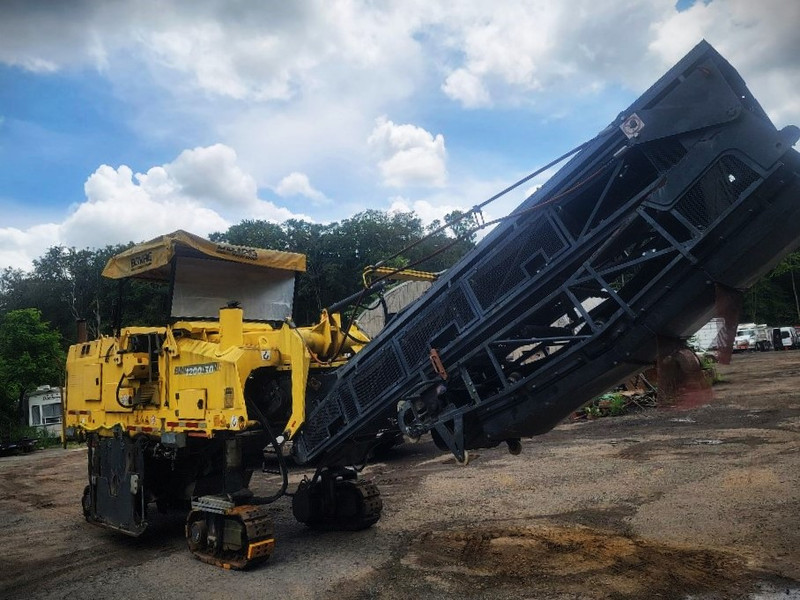
If you’re searching for Bomag milling machines for sale, you want a unit that delivers reliable cut quality, manageable operating costs, and strong resale value when your needs change. The right used Bomag mill should match the size of your jobs, your transport setup, and the daily demands of driveway, parking-lot, or municipal work.
IronmartOnline helps buyers evaluate used Bomag mills with clarity by focusing on the details that shape long-term performance. Factors like drum condition, engine hours, hydraulic health, and support for high-wear components.
In this article, you’ll learn what matters most when choosing a used Bomag cold planer, which features are essential to productivity, and how to assess the condition before you commit. Everything is laid out simply so you can compare machines and move quickly when the right one shows up.
Overview of Bomag Milling Machines
Bomag milling machines are built for heavy road and pavement work. They offer wide cutting widths, strong engines, and durable rotors so you can handle driveways, parking lots, and road resurfacing with fewer passes.
Key Features of Bomag Milling Machines
Bomag mills commonly use high-horsepower diesel engines and robust milling rotors that handle asphalt and concrete. Cutting widths range from small attachments to large 48" (1,200 mm) rotors, letting you match machine size to the job. Many models include folding conveyors for fast material removal and interchangeable tool holders for quick tooth changes.
Hydraulic controls and adjustable cutting depth give precise, repeatable results. Track or wheel undercarriage options improve mobility on different sites. Routine maintenance points are accessible to cut downtime and keep resale value high when you sell used Bomag mill units.
Advantages of Using a Bomag Cold Planer
A Bomag cold planer cuts pavement cleanly while preserving base layers, which lowers repair costs. The machines mill evenly to specified depths, aiding consistent overlays and surface restoration. Their durable rotors and available tool choices reduce wear and lower operating costs per hour.
You get faster cycle times on parking lots and driveways because wider drums cover more surface per pass. Controls and conveyors speed material handling and reduce manual cleanup. For sellers, Bomag name recognition helps attract buyers when you list a used Bomag mill.
How Rotor Condition Impacts Cut Quality and Operating Cost
Rotor wear directly affects cut consistency, fuel use, and tooth replacement frequency. According to technical documentation from the Federal Highway Administration, worn or uneven milling drums increase vibration, force deeper corrective passes, and accelerate tooth loss.
Proper rotor balance and sharp carbide tools reduce machine stress and produce a smoother overlay profile. A used Bomag mill with a well-maintained rotor typically lowers operating cost per hour and reduces rework on parking-lot or roadway jobs.
Popular Applications for Bomag Equipment
Contractors use Bomag milling machines for roadway resurfacing, repair of parking lots, driveway removal, and prepping surfaces for overlays. The machines suit both small jobs—driveways and seal-coating prep—and large projects like commercial parking lots and municipal roadwork.
You can mill right up to curbs and walls with offset rotor designs, which helps tight-site work. Bomag planers also work as loader-mounted attachments in some setups, giving flexibility for contractors who need both transportability and power.
Bomag Cold Planer Models Available
These Bomag cold planers cover a range of cutting widths, engine power, and drum depths suited for driveway patching, parking lots, seal-coating prep, and heavier roadwork. You’ll find compact machines for tight jobs and larger models built for high-production milling.
Bomag BM1200 Series Overview
The BM1200 series includes models built for mid-to-large surface milling. Expect diesel engines around 275–300 hp, cutting widths near 4 feet, and drum depths that handle most asphalt removal needs for parking lots and local roads.
These machines balance power and mobility so you can move between municipal jobs and contractor sites. Common features include robust cutting drums with many replaceable cutting heads, large fuel tanks for long shifts, and operator cabins or stations designed for visibility and control.
For used buyers, check hours, drum condition, and maintenance records. Proper service history keeps resale value high and reduces downtime on critical projects.
BM600/15 Model Details
The BM600/15 targets smaller-scale work like driveways, sidewalks, and tight parking-lot lanes. It usually has a smaller engine and a narrower cutting width (around 1.5 meters), which helps in confined spaces and when transport width matters.
This makes the BM600/15 easier to trailer and position on urban or residential sites. Look for simple hydraulic controls and fewer complex systems, which lowers repair costs.
Inspect the cutter drum, hydraulics, and conveyor condition when buying used. A clean service log and well-kept cutting heads mean the machine will perform reliably for small contractors and seal-coating prep crews.
BM1200/35 Technical Highlights
The BM1200/35 steps up cutting capacity for larger parking lots and road resurfacing. It pairs a powerful engine with a wider drum and deeper cut capability, letting you remove thick asphalt layers faster. Productivity gains matter when you bid for larger parking-lot or municipal contracts.
Key specs to confirm on a used unit: engine hours, number and condition of cutting heads, conveyor function, and track or wheel condition. Also, verify fuel and hydraulic tank sizes to match your job length. A well-maintained BM1200/35 cuts cycle time and reduces crew hours on large resurfacing projects.
Other Popular Bomag Planer Models
Bomag’s lineup includes compact and heavy-duty planers beyond the BM600 and BM1200 families. Models vary by cutting width, depth, drive type, and control complexity. Small planers suit driveway and patch work; larger units suit commercial paving and municipal road crews.
When evaluating other used Bomag planers, focus on these points: drum wear and replacement cost, availability of spare parts, hydraulic system health, and transport dimensions.
If you sell or buy through a broker, choose one that offers multi-platform reach, hauling coordination, and buyer vetting to speed the sale and protect your funds. A reputable broker can help list the unit, market to qualified buyers, and arrange hauling for high-value machines.
Buying Used Bomag Mills
Focus on engine health, cutter drum condition, and transport logistics. Check service history, hours, and any recent rebuilds to avoid surprise repairs.
How to Evaluate a Used Bomag Milling Machine
Start with the engine. Run it at operating temperature and listen for knocking, smoke, or irregular idling. Check oil condition and coolant levels for contamination. Inspect the cutter drum and holders. Look for broken, missing, or unevenly worn cutting heads.
Measure drum runout and check for bent shafts or cracked housings. Test hydraulic functions under load. Verify conveyors, steering, and depth control work smoothly. Confirm that electrical systems, gauges, and safety interlocks operate.
Review maintenance records and hour meter history. A machine with documented service and recent major work costs less in the long term.
Checklist for Inspecting a Used Bomag Mill
- Visual
- Frame and chassis for cracks or rust
- Drum housing and conveyor wear plates
- Engine
- Compression, oil analysis, coolant clarity
- Turbocharger and exhaust condition
- Hydraulics
- Hose condition, leaks, and pump pressures
- Smoothness of lift and depth controls
- Cutting system
- Number and condition of cutting heads
- Holder wear and drum balance
- Controls & electronics
- Console function, gauges, cameras, and lights
- Documentation
- Service logs, parts receipts, and previous repairs
- Transport & cost
- Weight, width, and trailer requirements
- Estimated hauling and reconditioning costs
Bring a mechanic or third-party inspector. Use a test-cut on asphalt to verify cutting depth, conveyor feed, and dust control.
Common Signs of Wear and Maintenance Needs
Uneven wear on the drum or frequent broken cutters shows misalignment or past abuse. Vibration during milling often points to a bent drum shaft or bad bearings. Hydraulic leaks, slow actuator response, or erratic steering signal, pump, or valve issues.
Dark smoke on acceleration can mean injector or turbo problems. High fuel burn with low power suggests engine tune or turbo failure. Excessive rust in the engine bay or electrical corrosion often causes intermittent faults.
Failing conveyors, torn belts, and worn sprockets mean added downtime and replacement costs. Factor these repairs into your offer and shipping plan when you negotiate.
If you plan to buy multiple high-value paving machines, state that in listing notes so buyers can see package pricing and hauling options. A broker can help with marketing and transport coordination.
Where to Find Bomag Milling Machines for Sale
You can find Bomag mills and cold planers through dealers, broker listings, and auction sites that specialize in roadwork and paving equipment. Look for machines with clear service records and photos of the cutting drum, engine bay, and undercarriage.
Reputable Dealers and Marketplaces
Search dealers that list used Bomag models like the BM1200 and other cold planers. Choose sellers who post the machine year, hours, engine model, drum width, and drum condition.
Ask for recent service records and photos of the cutter heads and holders. These parts wear fast and are costly to replace.
Prefer dealers that offer buyer protections: escrow, inspection options, and transport coordination. Some brokers provide multi-channel marketing and buyer vetting, financing help, and hauling support if you plan to sell a high-value paving machine.
Verify the seller’s location and whether the machine is sold “as is” or with a limited warranty. That affects the total cost and downtime for your crew.
Tips for Comparing Listings and Prices
Compare listings by key specs: model (BM1200, etc.), drum width and depth, engine make and hours, and included cutting heads. List those in a simple table for side-by-side comparison.
Check photos for wear patterns, frame straightness, and belt or chain condition. Low hours alone don’t guarantee low wear.
Factor in transport, reconditioning, and parts replacement costs when judging price. Ask whether the seller can coordinate heavy hauling and provide crating or load-out help.
Request a video of the machine running and a clear bill of sale. That reduces risk and speeds purchase decisions for contractors working in driveway, parking lot, seal-coating, and roadwork sectors.
Ownership Tips and Maintenance
Keep the machine running and protect resale value by doing scheduled checks, using recommended parts, and keeping clear service records. Focus on engine, hydraulic systems, drum and teeth, and transport prep.
Routine Maintenance for Peak Performance
Check the engine oil, hydraulic fluid, and coolant every 50 hours or as the Bomag manual specifies. Change oil and filters at the intervals the engine maker requires. Inspect hydraulic hoses and fittings weekly for leaks, cracks, or swelling.
Replace any damaged hose before heavy use. Clean the milling drum area daily. Remove debris from between teeth and the rotor to prevent uneven wear.
Tighten loose tool holders and check rotor balance. Grease bearings, pivots, and the swing arm per the schedule. Track walk and undercarriage on tracked models need regular tension checks and sprocket inspections. Keep the operator station clean and test gauges, lights, and safety interlocks before each shift.
Recommended Replacement Parts and Upgrades
Carry spare teeth and a full set of tool holders for the 48" (1200 mm) drum size common on Bomag mills, and match the tooth style to your work (asphalt vs. concrete). Stock hydraulic filters, engine filters, V-belts, and a spare thermostat.
These wear items cut downtime when you swap them quickly on site. Consider upgrading to heavy-duty carbide teeth if you do lots of concrete or reclaimed asphalt. They last longer and reduce drum change frequency.
Install a calibrated depth-control sensor or a more durable conveyor wear liner if you move high volumes of material. These upgrades improve accuracy and lower repair costs. Keep receipts and part numbers in a binder or digital folder for fast ordering and warranty claims.
Long-Term Value and Resale Considerations
Log every service, repair, and part replacement with dates and hours. Buyers pay more for machines with full, verifiable maintenance records. Address corrosion and paint damage promptly.
Surface rust on the drum housing, frame, or conveyor lowers perceived value and invites faster deterioration. Replace worn operator comforts—seat, controls, and canopy—before listing. Small investments often increase the sale price and attract more buyers in the driveway, asphalt, and parking-lot sectors.
When you plan to sell, prepare a clear parts list and a recent inspection report. Market the machine with hours, service history, and pictures of key components to reach serious contractors quickly.
Use professional transport quotes and factor hauling into your asking price to avoid surprises for both you and the buyer.
Smart Choices That Keep Your Milling Work Moving
Choosing the right used Bomag milling machine comes down to matching drum size, engine strength, and overall condition to the type of pavement work you handle most. When you know what to check—cutting system health, hydraulics, and grade responsiveness—you can sort strong units from costly mistakes with far more confidence.
IronmartOnline supports contractors who want clarity and transparency when buying high-value paving equipment. Their process emphasizes accurate descriptions, clean inspections, and support services that help you compare options without losing time on the job.
Give us a call, start by outlining the work you handle most and the production you need from a mill. Make the choice that supports your crews, protects your schedule, and sets you up for better long-term results.
Frequently Asked Questions
This section answers common buyer questions about used Bomag cold planers and milling machines. It covers machine features, inspection steps, maintenance needs, parts availability, common issues, and typical price ranges.
What features can I expect from a used Bomag cold planer?
Used Bomag cold planers often have diesel engines in the 200–300 hp range and cutting widths from about 4 ft (1.2 m) to larger rotors. Expect adjustable cutting depth, interchangeable tool holders, and conveyors for material removal.
Many machines include hydraulic controls, operator cabins or canopies, and built-in diagnostics. Hours, wear on cutting teeth, and maintenance history affect capability.
How do I ensure the quality of a second-hand Bomag milling machine before purchasing?
Check service records for regular oil, hydraulic, and rotor maintenance. Confirm engine hours and look for consistent maintenance entries. Inspect the rotor, cutting teeth, holders, and bearing play in person.
Run the machine if possible to hear for unusual noises and test hydraulic and electrical systems. Ask for clear photos and video, and request a mechanic or third-party inspector if needed. Verify the VIN/serial number and match it to records.
What are the typical maintenance requirements for a Bomag milling machine?
Regularly change engine oil, filters, and hydraulic fluid. Check and rotate cutting tools, replacing worn teeth and holders as needed. Grease bearings and pivot points on schedule.
Inspect conveyors and drive chains for wear. Keep cooling systems clean and check belts and hoses for cracks or leaks.
Can I find parts easily for Bomag cold planers?
Common service parts like filters, belts, and cutting teeth are available through OEM dealers and aftermarket suppliers. Major components may require dealer support or specialty suppliers.
Keep serial and model numbers handy to speed parts orders. A broker with nationwide reach can help locate rare parts faster.