
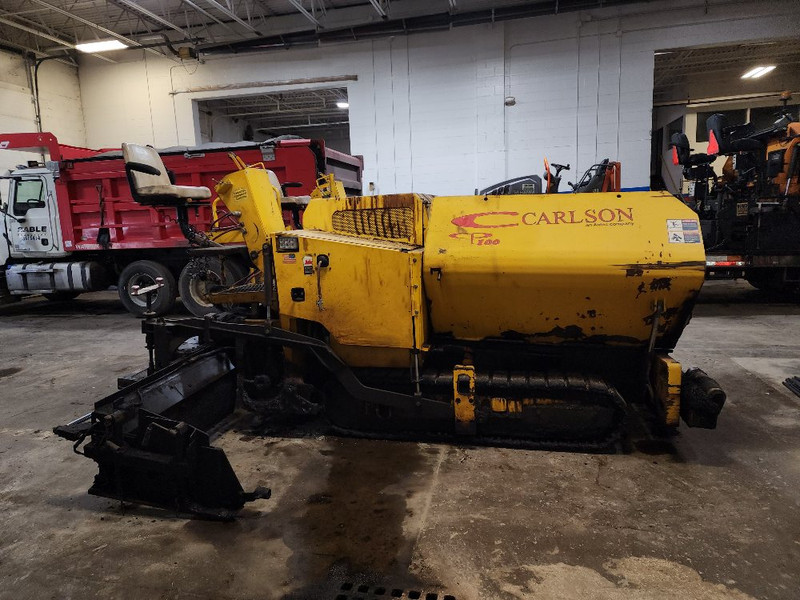
When contractors shop for Carlson paving equipment—whether it's a CP85, CP100, CP100 II, or a matched screed—they’re not looking for a friendly walkthrough. They want clarity, proof of value, and confidence that the machine they buy will deliver uptime, consistent mat quality, and a fast return on investment.
That’s why IronmartOnline works closely with serious buyers and sellers of commercial paving machinery. Contractors rely on Carlson pavers because they’re compact, powerful, and built for the driveways, parking lots, and municipal work that fill the bulk of annual revenue.
In this article, you’ll learn what matters most before investing in Carlson paving equipment: which models hold demand, how to assess screed and hydraulic systems, what affects resale value, and the key specs that determine whether a machine strengthens your fleet or becomes a liability.
Overview of Carlson Paving Equipment
Carlson pavers offer durable, commercial-grade machines for driveways, parking lots, and roadwork. You’ll find compact units for small crews and larger models for continuous production, all with heated screeds and reliable engines.
You can choose between compact models for tight spaces or bigger options for higher output. Heated screeds and robust engines help you tackle a range of jobs efficiently.
Popular Carlson Models and Their Features
The Carlson CP100 is a compact commercial paver with an 8.5-ton hopper and a heated EZB815 screed, paving 8'–15' widths. The CP100 II adds updated controls and improved fuel efficiency. Smaller CP85 models fit tight residential drives and small parking areas.
Larger models like the CP130 provide wider pave widths and higher throughput for municipal or contractor fleets. Many machines use Tier 4F-compliant engines like the Cummins QSF 3.7, while some older units run Cat 3.4B diesels.
Features include hydrostatic drives, adjustable screed platforms, and modular extensions. When buying used, check the engine model and hours, screed condition, hopper capacity, and look for hydraulic leaks. These details impact resale value and daily uptime.
Asphalt Paver Market Growth and Equipment Demand
Market data indicates that the asphalt paver segment is expanding steadily, driven by road construction and infrastructure investment worldwide.
A recent 2026 asphalt and concrete paving equipment market report estimates that the asphalt paving equipment market will be valued at approximately USD 1.38 billion in 2025 and will continue to grow as highway and infrastructure projects expand.
This ongoing demand supports resale values for well-maintained used pavers like Carlson machines.
Key Advantages of Carlson Asphalt Pavers
Carlson pavers combine power with maneuverability. Their compact footprint lets you work on driveways and tight lots without losing hopper size or paving width. Heated screeds ensure uniform mat density, even in cooler weather.
Maintenance is simple. Common engines like Cummins and Cat have wide service support. Hydrostatic drives and straightforward hydraulics allow for quick troubleshooting on the job.
For resale, models like the CP100 hold value because contractors need dependable commercial pavers for short- to mid-size projects. Prioritize machines with service records, rebuilt screeds, and recently replaced wear parts to minimize downtime and hauling costs.
Commercial Applications and Use Cases
Carlson machines suit driveway contractors, seal-coating firms, parking lot resurfacing, and small municipal road repairs. The CP100 and CP100 II work well for contractors switching between private driveways and small commercial lots.
Choose wider models for larger parking lots and continuous paving runs. The heated screed and adjustable platform help you produce consistent mat quality for overlays and new construction.
Carlson CP100 Paver: Specifications and Benefits
The CP100 pairs a compact Cat diesel powerpack with an electric, heated screed and dual operator stations. It handles driveways, parking lots, and small road work with a slat-fed conveyor, manual thickness adjustment, and built-in washdown features.
Engine and Powertrain Details
The CP100 uses a Cat diesel engine of around 100 hp to drive hydraulics and the slat-fed conveyor. You get reliable torque for steady material flow and consistent paving speeds on thin lifts or small overlays.
Hydraulic drive enables smooth, low-speed control for tight work near curbs and driveway edges. Dual operator stations let one person steer while another monitors screed and material flow.
Washdown plumbing and a hose reel let you clean the hopper and conveyors quickly after a shift. This reduces downtime and keeps hydraulics and belt components cleaner between jobs.
Screed Technology and Heating Options
The CP100 features an electric heated screed with a proven plate and extension design. Electric heat warms the screed plate evenly, improving mat finish and reducing sticking with sticky mixes.
Manual thickness adjustment lets you change mat depth quickly. This helps when moving from a 1.5-inch driveway skim to a 2.5-inch parking-lot patch.
Heated screed controls use simple dials or a small panel, so you don’t need complex programming. Spare parts for elements and thermostats are common and easy to service.
Controls and Operator Features
Dual controls allow two operators to work together on tight jobs or let one switch sides without climbing over the machine. Controls group paving speed, conveyor rate, and screed heat in intuitive layouts.
Manual thickness adjustment gives you tactile, reliable control for grade and slope correction. Simple indicators and labeled levers speed up crew training.
Operator stations place critical switches and emergency stops within reach. This setup keeps you safer and lets you react quickly if material flow or screed temperature changes.
Durability and Maintenance Considerations
The CP100’s frame and conveyor handle high-cycle use on commercial and residential jobs. Slat-fed conveyors resist abrasion from hot mix and deliver consistent feed to the screed.
Routine maintenance is easy: check hydraulic oil, greases, and screed heaters, and flush washdown lines to prevent buildup. Access panels and common fasteners speed service calls.
Inspect the electric screed elements, conveyor slats, and washdown reel when buying used. These parts show wear and affect resale and uptime.
Used Carlson Paving Equipment for Sale
Find reliable Carlson CP100 pavers, used Carlson screeds, and other commercial pavers for driveway, parking lot, seal-coating, and roadwork jobs. Look for machines with clear service records, working screeds, and solid transport plans to move high-value units safely.
Key Benefits of Buying Used Carlson Pavers
Buying used saves you money while keeping proven Carlson CP100 performance. A well-maintained used CP100 offers the same electric-heated screed and pave width options at a lower cost. Used equipment is often available faster.
You can get a working paver ready for the season without waiting months for new builds. Financing and hauling options make used purchases practical. Look for sellers offering zero-down or fast financing and arranged heavy hauling so you avoid transport hassles.
What to Check Before Purchasing Used Equipment
Start by checking hours, service records, and recent repairs. Confirm the engine, hydraulics, and the CP100’s electric-heated screed all work correctly.
Inspect wear parts: conveyor chains, augers, screed plates, and paver tracks or tires. Look for frame cracks, uneven screed heating, and patch repairs that may hide issues.
Confirm transport and payment terms up front. Verify hauling quotes for a high-value paver and require secured payment before transferring ownership. Use email confirmations for all agreements to keep records clear.
Top Dealers and Marketplaces for Used Units
Search heavy-equipment marketplaces that list commercial pavers and used Carlson screeds. Choose dealers who market across multiple platforms, offer appraisals, and coordinate financing and heavy hauling.
Contact reputable brokers who vet buyers and hold funds until transfer. Brokers that run multi-channel marketing and maintain large databases connect you to buyers quickly.
IronmartOnline lists and markets high-value paving machines and can help you find or sell used CP100 pavers and screeds.
Selecting the Right Carlson Screed
Pick a screed that fits your work, paver, and paving surfaces. Focus on the heat source, the width range, and how the screed mounts to your paver.
Heated Screeds vs. Electric Screeds
Heated screeds use burners or heat tubes to keep the mat temperature stable. They work best for wider lanes and long runs, reducing thermal joints and helping compaction. Electric screeds heat faster and are cleaner to run.
They suit smaller jobs like driveways and narrow parking areas, where quick startup and simple controls matter. Electric screeds often weigh less, making transport and handling easier for small crews.
EZC815 Screed and Other Popular Options
The EZC815 (also called EZB815 or EZC815) is a common choice on CP-series pavers for 8–15 ft widths. It provides even heat and easy adjustment for lane width, so you can switch between driveways and mid-size lots.
Other screeds include fixed 8 ft heated screeds for small contractors and adjustable electric screeds for quick changeovers. If you see a CP85 paver, check if the screed mounts match the plate and hydraulic controls.
Screed plate and vibratory component condition matter more than cosmetic wear.
Compatibility with Different Paver Models
Match the screed to the paver model and mounting pattern. CP100 and CP85 series use specific mounting frames and hydraulic hookups. Confirm bolt pattern, hydraulic flow needs, and electrical connectors before you buy.
If you buy a used screed, ask for photos of the mounting frame and control panel. Also, verify that extension kits, heating elements, and vibrator motors are included. For sellers, note compatibility in listings so buyers can confirm fit quickly.
Comparing Other Carlson Models
Each Carlson model suits different jobs, from tight driveways to larger parking lots and small road repairs. They vary by size, hopper capacity, and engine options.
Carlson CP85: Compact Power
The CP85 fits tight jobs and small crews. Its narrower paved width and smaller hopper let you work on narrow driveways and patch jobs without wasting material. You get easier transport and lower fuel use compared to larger pavers.
This matters for frequent short jobs and quick setup. The CP85 often uses compact diesel engines that balance torque and economy, keeping running costs down while still handling dense mixes.
When buying or selling used CP85s, check the screed condition and hydraulic systems, as these wear first on low-hour machines.
Carlson CP130: Enhanced Capacity
The CP130 targets larger contractors needing higher production. It offers a wider pave range and a bigger hopper, reducing passes on parking lots and long driveways. This model usually uses higher-output engines and stronger conveyors, improving material flow for thicker lifts and coarse mixes.
Expect heavier undercarriage components built for daily paving. When evaluating used CP130 units, inspect screed extension systems and conveyor chain wear, as these are costly to repair and affect pavement smoothness.
The CP130 fits municipal patch crews, parking lot contractors, and mid-size roadwork where uptime and material capacity are priorities.
Carlson CP100 II: Modern Innovations
The CP100 II combines compact size with updated features for easier operation. It often includes modern controls and improved material handling for faster setup and less operator fatigue.
Some CP100 II machines use Tier 4F-compliant engines like the Cummins QSF 3.7, helping you meet local emissions rules while maintaining performance.
Used CP100 II pavers offer strong value, holding more current technology than older CP100 models, but still fitting tight job sites. Check electronics, sensor calibration, and heated screed elements when assessing condition.
Buyers focused on driveways, seal-coating, and small parking lots will appreciate the CP100 II for its modern controls and transportable size.
Making a Confident Carlson Investment
Serious contractors evaluate Carlson paving equipment beyond price, considering uptime, mat quality, parts access, and support for profitable work. Models like the CP85, CP100, CP100 II, and CP130 remain in demand as they handle commercial paving jobs that keep crews busy year-round.
When you assess engine performance, screed condition, hydraulics, and documented service, you protect your investment and lower the risk of mid-season downtime. The right Carlson unit can deliver years of reliable production at a significantly lower total cost than buying new.
If you’re ready to buy or sell, IronmartOnline can support inspections, marketing, and hauling so your transaction stays smooth and secure.Reach out to make the decision that strengthens your fleet—and your ROI—for the long term.
Frequently Asked Questions
This section covers practical questions about buying, inspecting, and maintaining Carlson paving machines. It also provides dealer guidance and cost expectations for high-value used units.
What features should I look for when purchasing a used Carlson CP100 paver?
Check engine hours and service records for maintenance. Inspect hopper, conveyor, auger, and screed for wear or cracks. Confirm the screed model and heating system. Look for recent repairs and tire or track condition. Ask about screed plate replacements.
How do I ensure the quality of a second-hand Carlson paving machine before buying?
Ask for a full maintenance log and recent photos of key components. Have a qualified technician inspect the machine on-site and run test operations. Watch the machine run under load to check feed consistency and screed heating.
Verify the title, lien status, and any transport history that could reveal damage. Use a checklist to compare units and record defects. Negotiate a price based on repair needs and parts that need replacement soon.
Can you recommend some reputable dealers for buying used Carlson screeds?
Choose dealers with experience selling commercial pavers and screeds. Pick sellers who provide detailed listings, clear photos, and inspection reports. Prefer dealers offering buyer protections like escrow, financing, or help with transportation. IronmartOnline lists global options and offers verified leads and sales support.
What maintenance tips should I be aware of for my Carlson paving equipment?
Change hydraulic fluid and filters as scheduled for the engine and hydraulics. Clean the conveyor, auger, and screed after each use to prevent buildup and corrosion. Check screed heaters and thermostats for accurate temperature control.
Inspect belts, hoses, and seals regularly and replace worn parts before failure. Store the machine under cover. Winterize fuel and cooling systems if idle for months. Log every service to help maintain resale value.
What are the expected costs for spare parts and service for Carlson pavers?
Minor wear parts like screed plates, auger bits, and belts usually cost from a few hundred to a few thousand dollars each. Major parts like hydraulic pumps and screed components can cost several thousand dollars.
Budget for labor on diagnostics and repairs, as mobile service adds to costs. Include transport and downtime when estimating total ownership expenses.
How does the performance of Carlson paving equipment compare to other brands?
Carlson-class commercial pavers deliver consistent results for driveways, parking lots, and road-edge work. You can expect good material flow, reliable screed heating, and solid build quality, making them suitable for small to mid-size contractors.
Always compare the condition and service history of individual machines instead of focusing only on the brand name. A well-maintained Carlson CP100 can match the paving quality and uptime of newer units from other brands.