

Day Cab Tractors: Used Buyer's Guide and Specs
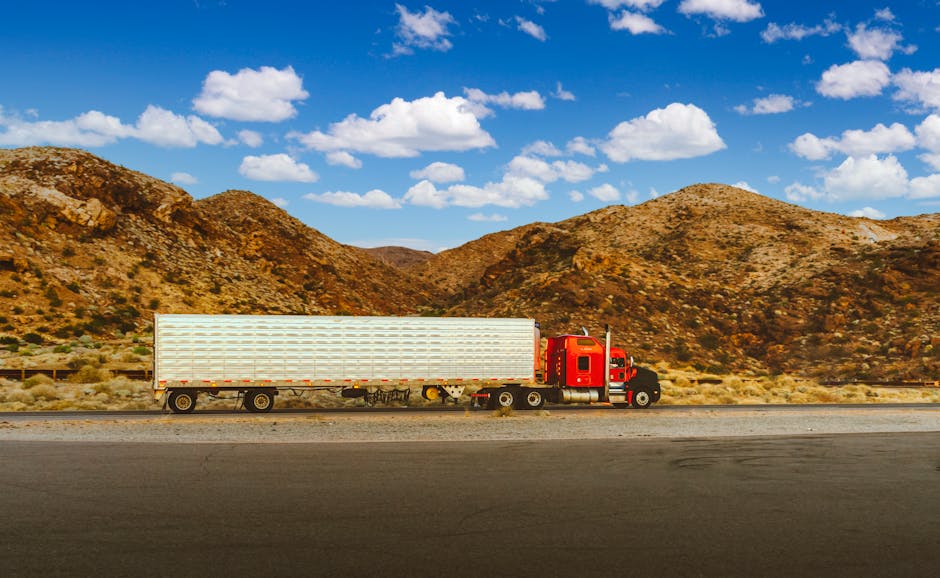
Photo by Quintin Gellar on Pexels
Not every load needs a bunk behind the seats. A day cab tractor is a Class 7 or Class 8 truck with no sleeper berth, built for local and regional freight where the driver finishes the run and heads home instead of stopping overnight. That single design choice shapes everything about the truck: the cab is shorter, the footprint is smaller, and the whole package is easier to place in a tight yard than a long sleeper tractor. For contractors, distributors, and fleets running shuttle routes or regional delivery, a day cab often does the job with less truck than a long-haul unit.
What Actually Makes a Truck a Day Cab
The defining feature is the absence of a sleeper berth behind the seats. A day cab tractor is a Class 7 or Class 8 heavy duty semi truck built for local and regional freight, and its features include no sleeper space behind the seats, making it ideal for nearby routes rather than the longer hauls handled by sleeper cabs; in the U.S., the conventional long-hood layout is also common. Because there is no bunk, the overall design is smaller, more compact, and shorter than a comparable sleeper truck, and intended use helps determine which cab style makes the most sense if you plan to buy.
That compact shape has real consequences on the job site and at the dock. That single design choice shapes everything about the truck: day cabs are lighter, more maneuverable, and more cost-effective than sleeper trucks, with lower purchase and maintenance costs and possible fuel-efficiency gains on short trips. Parking is simpler, turning radius feels tighter in crowded lots, and backing into a narrow dock door is less of a production than it is with a long wheelbase sleeper. Drivers who spend their shift hopping between stops rather than holding a steady highway lane tend to notice the difference quickly, which is important when weighing options for short- and medium-distance work.
Day cabs are also common in vocational work, where the truck pulls a dump trailer, a flatbed, or a tanker during the day and returns to the same yard at night. The truck is a tool for the shift, not a home on wheels. For contractors, distributors, and fleets, those advantages make day cabs especially practical in urban work where maneuverability matters most.
Where Day Cab Tractors Fit in a Fleet
Day cab trucks are defined by two key features: no sleeper space and a shorter cab, and choosing between a day cab and a sleeper cab depends on the truck’s intended use. That covers more ground than it first sounds. Typical assignments include:
-
Regional freight runs that start and end within a single shift, reaching nearby destinations on within-a-day round trips
-
Local delivery and distribution routes with multiple stops, moving goods on predictable routes between businesses
-
Yard switching and trailer shuttling between lots or plants
-
Construction and aggregate hauling tied to a jobsite schedule, where they are capable of handling jobsite deliveries efficiently
-
Drayage and short-distance transfer work, making them ideal for port and intermodal applications
Because there is no bunk, the cab is lighter, shorter, and usually easier to maneuver in tight urban or industrial spaces. Conventional long-hooded cabs are common in the U.S., but for buyers, the day cab versus sleeper distinction is usually the more important one. Those practical benefits also shape buying decisions, especially for fleets focused on local or regional work.
A fleet that already runs sleeper tractors can still benefit from adding day cabs for the short legs, keeping the long-haul equipment available for over-the-road lanes. Owner-operators who work locally often find the same logic applies at a smaller scale. The truck is a tool for the shift, which is often why buyers choose a day cab instead of a sleeper cab when they buy for local work.

Photo by Kamus Cheung on Pexels
Common Specs on Used Day Cab Tractors
Listings for used day cabs show a wide range of engine, transmission, and axle combinations. These day cab tractors are ideal for local and regional freight-hauling applications and short-haul deliveries where drivers can reach destinations within a day's round trip. The table below gathers examples that appear in current dealer and classified inventories, giving buyers a better sense of the variety in cab trucks for sale and what may be available for sale as they explore the market.
|
Example listing |
Specs noted |
|---|---|
|
2018 Peterbilt 579 3-axle day cab tractor |
Cummins ISX12 at 425 HP, engine brake, Eaton Fuller FAO-16810C-EA3 10-speed automatic transmission |
|
Detroit DD13 day cab tractor |
450 HP, DT12 transmission, non-sleeper, 117,169 miles, listed at $89,950 |
|
2016 Freightliner Cascadia 113 day cab |
Listed at $24,500 |
|
2006 Mack CHN613 day cab |
597,000 miles |
Common applications include:
-
Local delivery and distribution routes with frequent stops and predictable routes, including hauling goods between businesses or facilities
-
Construction material delivery
-
Port and intermodal drayage operations
These trucks can handle those jobs without the extra sleeper-related overhead of long-haul equipment.
Engine and Horsepower
Used day cab tractors for sale in dealer and classified inventory come with a wide variety of engine, transmission, and axle setups, so it is important to compare the full spec sheet, not just the headline rating. Horsepower ratings in the listings above fall in the 425 to 450 HP range, which is typical for a day cab pulling a van, dump, or flatbed trailer on regional routes.
Buyers can explore a market with over 13,870 day cab trucks listed for sale before comparing specs in detail.
Engine model matters more than the number on the badge. A Cummins ISX12 and a Detroit DD13 have different service intervals, parts availability, maintenance records, and repair costs, so identify the engine by its data plate rather than by the seller's description. Engine brakes show up as a listed feature on many trucks and are worth confirming, since they help on grades with a loaded trailer.
Transmission and Gearing
Automated and automatic transmissions dominate the examples above: a 10-speed Eaton Fuller automatic in the Peterbilt and a DT12 in the Detroit-powered truck, and listings may show different transmission configurations across similar trucks. Manual gearboxes still appear in older inventory. For a fleet with multiple drivers, an automated transmission reduces training time and clutch wear. For an owner-operator running steady routes, either type can work. Confirm the transmission model stamped on the tag, ask whether it has been serviced, and weigh maintenance history carefully when comparing one engine family to another. Engine brakes matter most when the truck will spend its day under load or in stop-and-go vocational service.
Mileage and Hours
Mileage on used day cabs varies enormously, and buyers will see different transmission configurations in used day cab listings, including automated, automatic, and older manual setups. The examples above run from roughly 117,000 miles on a newer truck to 597,000 miles on a 2006 Mack. Neither number tells the full story, and there may be more or less room to negotiate depending on condition and service history. A local truck can accumulate high engine hours while showing modest miles, so ask for hour readings along with the odometer. Service records, oil analysis history, and a mechanical inspection are key factors and carry more weight than the number alone.
Axle Configuration
Tri-axle and 3-axle day cab tractors appear regularly in dealer inventory, and axle count affects how the truck matches up with a trailer and the loads you plan to pull. Before you commit, confirm the rear axle ratio, the fifth wheel position, and the gross weight rating against the work you intend to do. Common configurations include 4x2, 6x2, and 6x4 setups, and a tandem-axle model may be more capable and stable for heavy duty hauling. A truck spec'd for one application does not automatically suit another.
Day Cab and Frame Condition
Because used day cab tractors appear in multiple axle configurations, including 4x2, 6x2, and 6x4 setups, the cab interior, door hinges, and steps take a beating from constant entry and exit. On the walkaround, check cab mounts, frame rails for cracks or welds, the fifth wheel plate, air lines, suspension, and the condition of the deck, and ask for maintenance records when available. Before you commit, remember these heavy duty trucks typically carry a GVWR of 26,001 lbs or more, so confirm the rating matches the work you plan to do. In the right spec, a day cab can be capable of hauling up to 80,000 lbs within legal limits. Rust is easier to spot on a short cab than on a sleeper, but it still hides under fenders and behind steps.
What Used Day Cab Tractors Cost
Prices in the used market cover a wide spread, and that spread reflects age, mileage, spec, and brand more than anything else. A 2016 Freightliner Cascadia 113 day cab tractor appears at $24,500 in one listing, while a Detroit DD13 day cab with 117,169 miles is listed at $89,950. A Premier Truck Group day cab is priced at $50,900. Dealer inventories often hold several comparable units at once, which gives buyers room to compare before making an offer. There are real cost benefits here, since these trucks are often less expensive than sleeper cabs, and whether you buy or lease can make sense depending on your route needs and budget.
Treat any listed price as a starting point. Freight, taxes, inspection costs, and any immediate repairs all land on top of the sticker. The exact negotiating room depends on several factors. Budget for tires, brakes, fluids, suspension components, and maintenance records on a used truck unless the seller can document recent work, which makes it easy to judge condition against upkeep.

Photo by cottonbro studio on Pexels
Brands You Will See in Day Cab Listings
Used day cab tractors come from the major North American manufacturers. Listings routinely include Peterbilt, Kenworth, Freightliner, Mack, International, and Western Star. Older and vintage day cab models carry names like Brockway alongside the more familiar badges, and collectors occasionally seek out those older short-cab trucks. Parts networks, dealer support, and resale demand vary by brand and by region, so factor local service access into the decision.
A Practical Buying Checklist
Work through the same sequence on every truck you consider. It keeps the comparison honest and stops emotion from driving the deal.
-
Identify the engine, transmission, and rear axle from the data plate, not the sales description.
-
Record odometer miles and engine hours together.
-
Ask for service records, rebuild documentation, and any warranty transfer details.
-
Inspect cab mounts, frame rails, crossmembers, and the fifth wheel.
-
Check tires, brakes, air system, and lights as if you were doing a pre-trip inspection.
-
Confirm the title is clear and matches the truck's identification numbers.
-
Verify the axle and weight ratings against the trailers and loads you plan to haul.

Photo by abdo alshreef on Pexels
Buying and Selling Cab Trucks for Sale Through a Marketplace
Ironmartonline connects buyers and sellers of used heavy equipment, trucks, and machinery through a web-based marketplace. The search is easy for buyers, and financing options are available if you buy or lease. For a day cab tractor, that means a seller can put a single truck in front of regional and national buyers at once, while a buyer can explore a variety of day cab trucks and compare several units without driving to five different lots. Buyers can also review cab trucks for sale that fit local and regional hauling needs, including routes with frequent stops and tighter urban maneuvering. Listings typically carry the details that matter most: year, make, model, horsepower, transmission, mileage, location, and whether a unit is off-lease or part of a current sale. If you want to talk through options, IronMartOnline can help match inventory to your fleet needs.
Frequently Asked Questions
What is the difference between a day cab and a sleeper truck?
A day cab has no sleeper berth behind the seats, so the cab is shorter and more compact. A sleeper truck extends the cab to include a rest area for overnight stays. Day cab tractors are Class 7 and 8 short-haul trucks built for local and regional freight where the driver returns to base instead of stopping on the road.
Are day cab tractors harder to park?
No, they are generally easier. A day cab has no sleeper space, while a sleeper truck adds a rest area built for longer hauls. The overall design is smaller, more compact, and shorter than a sleeper truck, which makes parking, urban maneuverability, and turning in tight yards simpler. Drivers who work around crowded docks and narrow lots usually find the shorter cab an ideal advantage rather than a limitation. Intended use should determine which cab style fits the job.
How many miles is too many on a used day cab?
There is no fixed cutoff. Listings range from roughly 117,000 miles on a newer truck to 597,000 miles on an older Mack. A well-documented high-mileage truck can outperform a low-mileage one with poor service history. Ask for records and engine hour readings, then have a mechanic inspect it.
Can a day cab tractor be used for long hauls?
A day cab is designed for shorter trips and local hauling where overnight accommodations are not necessary. Without a sleeper, it is not set up for overnight rest on the road. Drivers planning long runs should confirm current hours-of-service requirements with the relevant authority and choose a truck suited to the route.
Which brands are available in the used day cab market?
Listings regularly include Peterbilt, Kenworth, Freightliner, Mack, International, and Western Star, along with older names such as Brockway. Availability shifts with region and season. Check several sources before settling on a brand, and weigh local dealer and parts support as part of the decision.
Start with the work the truck will do, match the spec to that work, and let condition and documentation separate one listing from another. A day cab that fits the route, checks out mechanically, and comes with records is worth more than a cheaper truck that needs a shop visit in its first month.