
What size asphalt pavers do I need for residential driveways?
For residential driveways, a compact or mini paver with a 3–8 ft screed width handles most jobs, but the size should also match your daily production targets, not just driveway width. You need good maneuverability for tight access, a hopper capacity of 2–4 tons for smaller loads, and a machine that transports easily on a standard trailer. Lift thickness of 2.5–4 inches covers most residential structural requirements. The right fit also depends on how much material you expect to place in a day.
What is the difference between tracked and wheeled asphalt paving equipment?
Tracked pavers provide better flotation on soft or uneven ground, while a rubber tire paver is distinct from tracked machines because it prioritizes on-road mobility and quick repositioning between jobs. Wheeled pavers travel faster between sites, cost less to transport, and suit urban or driveway jobs where mobility matters more than traction. Caterpillar offers both rubber tire and steel track pavers for different site conditions. The key tradeoff: tracked units deliver more traction on loose base, while wheeled units are easier and cheaper to move.
How many horsepower does an asphalt paver need?
Driveway and small parking-lot pavers typically operate on 80–160 hp. As one brand example, Caterpillar models like the AP555 suit smaller work, while the AP1055 is a powerful option for higher-output jobs. Road and commercial pavers require 150–300+ hp to keep conveyor and auger systems fed at higher paving speeds without bogging under load. Caterpillar asphalt pavers are known for their reliability and efficient performance, and this equipment can offer lower operating costs plus increased operator comfort on longer runs. Match horsepower to your typical screed width and material volume — not the maximum job you might someday take.
What should I check when buying a used asphalt paver?
Inspect the undercarriage first — track pads, sprockets, and rollers on tracked units; tires, axles, and drive systems on wheeled units. Check screed plates, conveyor chain wear, and hydraulic system condition. Review service records for engine hours, oil changes, and part replacements, since consistent maintenance reduces downtime over the life of the machine. Test every control for responsiveness. Newer equipment may include automated systems that make setup and paving easier, so verify those features work properly. A machine with full documentation is worth more than an undocumented unit with fewer hours.
How does hopper capacity affect paving production?
Hopper capacity determines how often you stop for material reloads, since dump trucks unload hot asphalt into the hopper and smaller hoppers need refilling more often. Stops create joints and slow production. A steady material flow from the tractor helps reduce segregation, giving the screed more time to react and resulting in a smoother mat. Small jobs can run on 2–4 ton hoppers with a single truck. Road jobs typically require 10+ ton hoppers or a continuous truck shuttle to maintain production without interruption. Match hopper size to your expected truck delivery rate and average job length. Conveyor belts move asphalt from the hopper to the back of the paver, where rotating augers spread it evenly across the paving width.
What is the total cost of owning versatile and reliable solutions in asphalt pavers?
Total cost of ownership includes the purchase price, hauling and transport, pre-use repairs, fuel, oil, filters, screed plates, conveyor chains, operator labor, and projected resale value. If ownership costs do not fit your budget, rentals often come with daily, weekly, and monthly terms. A small driveway paver running 300 hours per year costs significantly less to own annually than a highway-class machine at 2,000 hours. Competitive rental pricing can also make short-term access easier for seasonal or lower-hour work. Calculate your full annual cost — not just the purchase price — before finalizing any decision.
Where can I buy a used asphalt paver with verified condition information?
IronmartOnline lists used compact, midsize, and road-class pavers with detailed inspection data and model guidance, and buyers can also find high-output options through Warren CAT’s rental fleet. Inventory is searchable by screed width, engine output, and hopper capacity. These machines are used on streets, highways, and parking lots, and Caterpillar pavers are also common on roadways and bridges across many types of site work. Contractors and builders widely trust Caterpillar equipment and can work with a local dealer when comparing options. Financing options are available with zero down and a fast application process. Browse listings at ironmartonline.com or call (973) 886-3020.
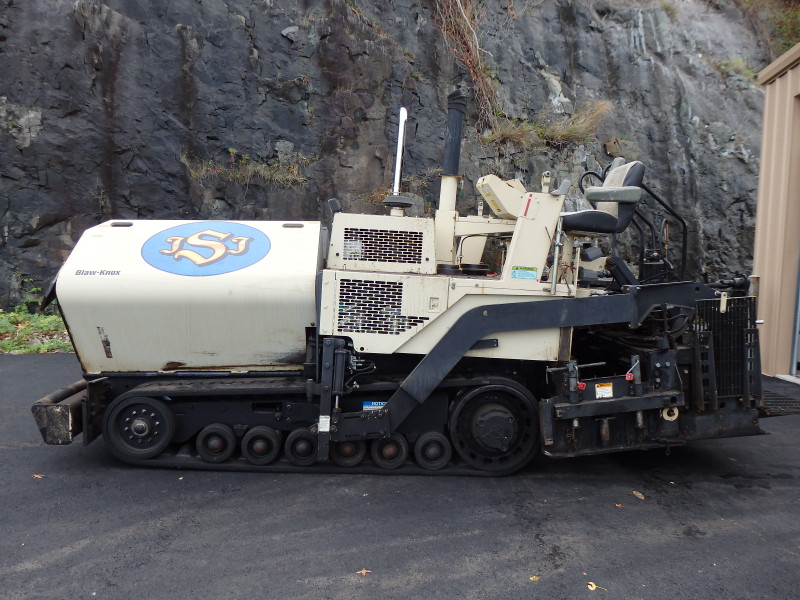
Frequently Asked Questions About Choosing an Asphalt Paver
Published by Ironmartonline on 24th Feb 2026