

Goose Neck Trailers: Buying Guide for Heavy Haul Use
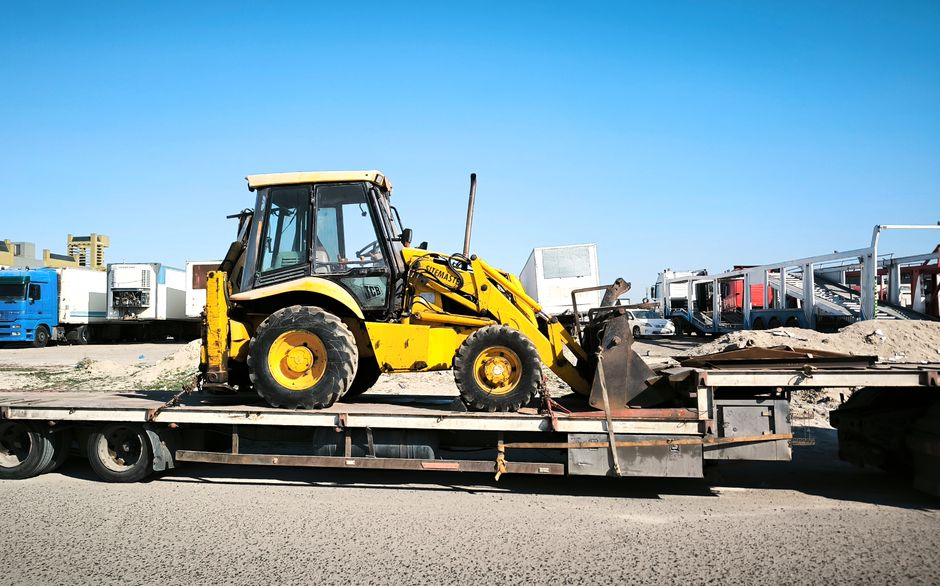
Photo by Tayssir Kadamany on Pexels
Hauling heavy equipment, building materials, or livestock puts real stress on a trailer and on the truck pulling it. Goose neck trailers solve several of the problems that come with that kind of work. The name comes from the curved neck section that rises above the trailer deck and reaches into the bed of the tow vehicle, where it connects over the rear axle rather than at the rear bumper.
That single design change affects weight distribution, towing stability, and how much usable deck space a trailer can offer. For contractors, farmers, loggers, and equipment fleet owners, those differences matter every time a load leaves the yard. This guide covers how the design works, the main configurations on the market, typical size and capacity ranges, and the points worth checking on a used unit.
How the Goose Neck Design Works
On a bumper pull trailer, the tongue attaches at the hitch behind the rear axle of the tow vehicle. On a goose neck, the neck arcs upward and forward so the coupler sits directly over the rear axle. The trailer pivot point moves closer to the truck's center of gravity, which is why manufacturers describe the design as improving weight distribution and towing stability.
The connection uses a coupler that drops over a ball mounted in the truck bed. That arrangement transfers a larger share of the tongue weight straight down onto the rear axle and frame instead of hanging it off the back of the bumper. The practical result is a more planted feel, especially with tall loads and long decks.
Trailer makers have refined the structure over the years. Some manufacturers point to engineered beam frames, low profile deck heights, and heavy duty torque tube construction as the features that let their trailers handle big payloads with stability.
Main Types of Goose Neck Trailers
The goose neck format appears in several trailer categories, each aimed at a different kind of work. The right choice depends on what you haul most often.
Flatbed Gooseneck Trailers and Deckover Models
Flatbed gooseneck trailers carry equipment, materials, and machinery on an open deck. Deckover versions place the deck above the wheels rather than between them. This is the configuration built for hauling heavy, oversized, and wide equipment with maximum stability and load capacity, since the full deck width stays clear of obstructions.
Manufacturers list deckover goose neck lengths starting around 16 feet and going up from there. Some hydraulic dovetail goosenecks are rated at 25,900 lbs GVWR. A wide, flat, unobstructed deck makes loading and unloading easier, and hydraulic dovetail setups can simplify loading heavy equipment for machines that do not fit neatly between fenders.
Dump Trailers
Goose neck dump trailers show up on construction jobsites and landscaping jobs. They are primarily used to haul landscaping material and other bulk materials, with the raised neck providing the same weight distribution benefit as on a flatbed. The dump function adds a hydraulic lifting capability, so the trailer both hauls and unloads bulk materials.
Livestock Trailers
Livestock hauling has its own trailer tradition. Gooseneck Trailer Mfg. Co., Inc., based in Bryan, TX, is a trusted leader in the livestock industry and has been family owned and operated since 1965. Agricultural buyers often choose this configuration because the forward neck area can be used for storage or dressing space while the main deck holds animals.
Photo by Peter Buhler on Pexels
Size and Load Capacity Ranges
Goose neck trailers vary widely in dimensions, GVWR, and cargo capacity. One manufacturer's lineup shows trailers ranging in size from 21 ft to 37 ft, with a weight capacity of 20,000 to 30,000 lbs., available with tandem or triple axle options. Deckover models from other builders start shorter, with lengths listed from 16 feet upward.
|
Specification |
Typical Range in the Research |
What It Means for Buyers |
|---|---|---|
|
Deck length |
16 ft to 37 ft, depending on model |
Match length to the longest machine or load you plan to haul |
|
Load capacity |
20,000 to 30,000 lbs. on listed models |
Confirm the rating covers your equipment plus attachments |
|
GVWR |
18,000 to 58,000 lbs. |
Check the trailer’s total rated weight, including the trailer itself and the load |
|
Cargo capacity |
8,710 to 39,050 lbs. |
Use this range to compare how much equipment or material the trailer can carry |
|
Deck width |
Common 102-inch standard width |
Make sure the deck is wide enough for your machine and legal for transport |
|
Axle configuration |
Tandem or triple axle options |
More axles generally spread weight across more tires |
|
Deck style |
Flatbed or deckover |
Deckover suits wide and oversized equipment |
These figures describe specific manufacturer lineups, not universal standards. Always check the data plate and the manufacturer's published specifications on the exact trailer you are considering, and match GVWR and cargo capacity to the intended load. Axle count, tire ratings, and frame construction all influence the real working capacity.
Where Goose Neck Trailers Fit in Heavy Equipment Work
Manufacturers design goose neck trailers to handle a wide range of hauling tasks in construction, agriculture, and other demanding work, including moving equipment, machinery, and other heavy duty loads. That describes a broad slice of the work contractors and operators do every week.
-
Moving excavators, loaders, and other machines between jobsites
-
Hauling construction cargo and aggregate to active projects
-
Transporting farm equipment and feed supplies
-
Delivering landscaping material on dump models
-
Carrying wide or oversized loads on deckover decks
For rough terrain transport, some operators also consider pintle hitch trailers, though goose necks remain common for heavy loads that benefit from better highway stability.
A truck and trailer combination that handles these tasks well reduces the number of trips and cuts the risk that comes with cargo that shifts or feels unsettled at highway speed. The forward mounted connection point is the main reason the format is common in commercial hauling.
Buying New Versus Used
Buyers can find new and used gooseneck trailers through dealer inventories and private listings, including used gooseneck trailers for sale. Dealer inventory often includes well known trailer brands, and buyers can explore dealer inventory and private listings depending on their hauling needs. A used marketplace brings a different mix, including owner operator units and fleet equipment that has been maintained as part of a working lineup.
What to Inspect on a Used Trailer
A used trailer can be an excellent value, but the inspection needs to go beyond a walk around. Work through the structure, the running gear, and the connection point with the same attention you would give a used truck.
-
Check the neck and coupler area for cracks, deformation, or previous welding repairs.
-
Inspect the frame rails and crossmembers for bends, rust through, or fatigue at stress points.
-
Look at the deck surface for soft spots, corrosion, or damaged flooring.
-
Verify axle configurations, tire condition, and that tire ratings match the trailer's weight capacity.
-
Test the braking system for safety-related braking performance if the trailer is equipped with one.
-
Confirm the data plate information matches the advertisement and the actual configuration. If present, inspect the rub rail and stake pockets for damage or poor repairs.
If the trailer has been used for dump duty, look at the hydraulic system, cylinders, and hydraulic jacks where applicable. On a livestock unit, examine the interior panels and gates for damage from animals. Reading the manufacturer's original specifications alongside the trailer in front of you is the most reliable way to confirm what you are buying, including any sealed wiring harness details.
Matching a Trailer to Your Tow Vehicle
The goose neck design places the load over the rear axle of the tow vehicle, and many gooseneck trailers require a dedicated pickup truck with a properly rated in-bed, hitch mounted ball setup. Compared with bumper pull trailers, they also typically offer a higher weight capacity. Before committing to a trailer, buyers should match the right trailer to the truck’s payload and towing limits, not just confirm that rated capacity covers the trailer's loaded tongue weight plus everything else carried in the cab and bed.
Length and width matter as much as weight. A deckover that handles wide equipment may be wider than the lanes and site entrances a buyer normally uses. A longer deck may limit where the trailer can turn or park. Measure the equipment, the route, the storage location, and loading needs before choosing a size.
Drivers should also confirm licensing requirements for their specific combination with the appropriate state authority, since rules vary by weight, length, and use.
Why Condition and Configuration Drive Value
Two trailers of the same length can be worth very different amounts because condition, gvwr, and configuration all influence value. Deck style, axle configurations, braking equipment, suspension, and overall condition all affect the value equation. Deckover models with higher ratings generally command more than shorter flatbeds with lighter construction.
For sellers, the details that buyers search for are the same details that support a strong price: clear specifications, honest condition notes, and photos of the neck, frame, deck, and running gear. For buyers, focusing on how well a trailer's configuration matches the work ahead is more useful than chasing the lowest listed number, since the best fit depends on the job and the trailer’s versatility, not just price.
Frequently Asked Questions
What is the difference between a goose neck and a bumper pull trailer?
A bumper pull trailer attaches at a hitch behind the tow vehicle's rear axle. A goose neck connects inside the truck bed, directly over the rear axle. That forward connection point helps improve weight distribution and towing stability, which is why goose neck designs are common for heavy equipment, wide loads, and other demanding hauling work.
What can you haul on a goose neck trailer?
Manufacturers build goose neck trailers for a variety of hauling needs, from equipment and materials to livestock. Deckover versions are built for oversized and wide equipment. Dump models handle landscaping material and similar loose loads on construction jobsites, and livestock versions are used in agricultural hauling. Some models can haul loads up to 58,000 pounds, depending on configuration and ratings.
What sizes and capacities are available?
One manufacturer's lineup lists trailers from 21 ft to 37 ft with load capacities of 20,000 to 30,000 lbs., available with tandem or triple axle options. Deckover models from other builders are listed starting at 16 feet. Specifications vary by builder, so confirm capacity on the data plate of the exact trailer.
How do I inspect a used goose neck trailer before buying?
Start with the neck and coupler area, looking for cracks, deformation, or prior welding repairs. Check frame rails and crossmembers for bends or fatigue, examine the deck for soft spots, and verify axle count and tire condition. Test the brakes, confirm the data plate matches the listing, and inspect the hydraulic system on dump models.
Does a goose neck trailer require a special hitch?
Yes. The trailer uses a coupler that drops over a ball mounted in the bed of the tow vehicle rather than at the rear bumper. Buyers should confirm the truck has a properly installed ball mount rated for the trailer's loaded tongue weight, and that the vehicle's payload capacity covers the load placed over the rear axle.
Choosing the right goose neck trailer comes down to matching three things: the load you haul most often, the capacity and deck configuration that load requires, and the tow vehicle set up to carry it safely. Buyers who confirm specifications against manufacturer data and inspect condition carefully end up with a trailer that earns its place in the fleet for years.