
Which Screener Delivers the Highest Mulch Output Per Hour?
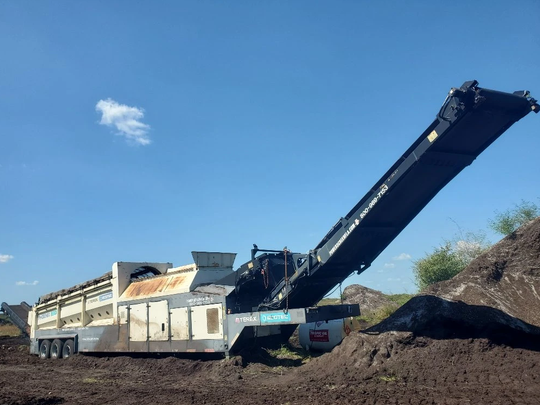
Quick answer: The Terex Ecotec Phoenix 3300 delivers the highest mulch throughput per hour among trommel screeners built for high-volume producers. Its large-diameter screening drum, aggressive drum speed, and oversized hopper let it process more raw material per cycle than smaller or mid-tier trommel units, making it the top choice for operations that measure success in tons moved, not hours worked.
If you run a mulch yard, you already know the math. Every hour your screener sits idle or underperforms is an hour of labor, fuel, and feedstock you can't get back. Buyers shopping for a high-output trommel screener need more than a brand name — they need to understand what actually drives throughput, and why one machine consistently outpaces the field.
See 2021 TEREX ECHOTEC PHOENIX 3300 Trommel Screener.
What factors actually determine a screener's mulch output?
Throughput on a trommel screener comes down to four variables: drum diameter, drum speed, hopper capacity, and screen configuration. Get any one of these wrong for your material, and your tons-per-hour number drops fast, regardless of what the spec sheet promises.
- Drum diameter: A larger drum surface area means more material contacts the screen per rotation. Undersized drums bottleneck throughput even when horsepower is sufficient.
- Drum speed (RPM): Faster rotation increases material agitation and separation rate, but speed has to be matched to material density. Wet, heavy mulch needs a different RPM profile than dry, light feedstock.
- Hopper capacity: A deep, wide hopper keeps the drum continuously fed, which prevents the stop-start cycling that kills average hourly output.
- Screen media configuration: Interchangeable screen sizes let you fine-tune particle size without sacrificing speed, which matters when you're producing multiple mulch grades from the same yard.
A screener can excel at one of these and still underperform overall. The machines that lead in tons-per-hour get all four right at once.
Why does the Terex Ecotec Phoenix 3300 lead in mulch throughput?
The Phoenix 3300 combines a large screening drum with a high-capacity hopper, which keeps feed rate consistent even during high-volume runs. That consistency is the real differentiator. A screener that spikes in output for ten minutes and then stalls for feeding doesn't win on hourly averages — a screener that sustains a high feed rate for the full shift does.
Choose the Phoenix 3300 if your operation processes large volumes of mixed organic material and needs flexibility across multiple screen sizes without swapping machines. Choose a smaller trommel unit instead if your yard's volume is modest and the extra throughput capacity of a 3300-class machine would sit unused — oversizing your screener wastes fuel and increases cost per ton processed for low-volume operations.
How do trommel screeners compare to other screener types for mulch?
Trommel screeners outperform vibrating flat-deck screeners for mulch production because the rotating drum design handles stringy, fibrous material — bark, branches, root balls — without clogging the screen media. Flat-deck screens are better suited to sand, gravel, and construction debris, where material flows more uniformly and clogging isn't a constant risk.
If your feedstock is primarily wood waste, yard debris, or land-clearing material, a trommel screener will consistently deliver higher sustained output than a flat-deck alternative processing the same volume. Flat-deck units can still make sense for operations that split time between aggregate and organic material, since they offer more versatility across material types, even though they sacrifice some peak mulch throughput.
What specs should you check before buying a high-output screener?
Don't take a listed tons-per-hour figure at face value. Manufacturer throughput numbers are typically tested under ideal conditions — dry material, optimal moisture content, consistent particle size. Your real-world number will vary based on your feedstock.
Before you buy, verify:
- Drum diameter and length — larger dimensions generally correlate with higher sustained throughput.
- Engine horsepower and hydraulic system specs — confirm the power plant can sustain full drum speed under continuous load, not just at startup.
- Hopper dimensions — measure against your typical loader bucket size to avoid feeding bottlenecks.
- Available screen sizes — confirm the manufacturer offers screens matched to the mulch grades you actually sell.
- Hours and maintenance history if buying used — a screener with heavy hours and no service records is a bigger risk than one with moderate hours and a documented maintenance trail.
Skipping this verification step is the fastest way to buy a machine that looks right on paper and underperforms on your site.
Build your mulch operation around sustained output, not peak specs
A screener's peak-rated throughput means little if it can't sustain that rate across a full shift. The Terex Ecotec Phoenix 3300 earns its place at the top of high-volume mulch production because it's built to hold a high feed rate continuously, not just hit a number in a test run.
If you're evaluating a screener purchase, don't start with price. Start with your material volume, your target mulch grades, and your daily production goals. Match those numbers to the machine's real specs — drum size, hopper capacity, screen flexibility — and you'll land on the right equipment the first time.
Talk to a dealer about Phoenix 3300 availability.
Frequently Asked Questions
What makes a trommel screener better for mulch than other screener types?
Trommel screeners use a rotating drum that handles fibrous, stringy material like bark and branches without clogging, which is a common failure point for flat-deck vibrating screens processing the same feedstock.
How much does a high-output mulch screener like the Phoenix 3300 cost?
Pricing varies by dealer, configuration, and whether the unit is new or used. Contact a Terex Ecotec dealer directly for current pricing, since published list prices often don't reflect regional freight, attachments, or financing terms.
Is a large trommel screener worth it for a small mulch operation?
Not usually. If your yard processes low volumes, a smaller or mid-tier trommel screener will cost less to operate and still meet your output needs. Oversizing your screener increases fuel burn and cost per ton without adding usable capacity.
What's the biggest risk when buying a used mulch screener?
Buying based on hours alone. A unit with lower hours but no maintenance records carries more risk than a higher-hour machine with a complete service history. Always request documentation before purchase.
Can one screener handle multiple mulch grades?
Yes, if it supports interchangeable screen media. Confirm the manufacturer offers the specific screen sizes your product lineup requires before assuming a single machine can cover your full grade range.