
How Do I Sell My Equipment and Trucks? A 2026 Guide from IronMartOnline
Selling heavy equipment and trucks requires proper preparation and strategic pricing-but it doesn't have to be overwhelming. Whether you're moving a single semi truck or liquidating an entire fleet, this guide walks you through the complete selling process so you walk away with the best possible return in 2026.
Quick Answer: Your Main Options to Sell Equipment & Trucks in 2026
If you're asking "how do I sell my equipment and trucks," the answer comes down to three core paths: sell directly to a buyer through private channels, work with an equipment marketplace or broker like IronMartOnline, or go through an auction company (unreserved or timed online). Selling methods include auctions, online marketplaces, and private sales-and each affects your speed, proceeds, and effort differently.
Here's how they compare at a glance:
|
Method |
Speed |
Price Control |
Seller Effort |
|---|---|---|---|
|
Private sale |
45–90 days |
High |
High |
|
Brokerage/Marketplace |
30–60 days |
Moderate–High |
Low |
|
Auction |
30–45 days |
Low |
Moderate |
|
In 2026, global buyer demand for used equipment is strong across construction, trucking, agriculture, and industrial sectors. Inventory levels for categories like wheel loaders and crawler dozers have dropped 15–25% year-over-year, giving sellers real leverage when assets are clean and well-presented. |
IronMartOnline is a full-service online marketplace and brokerage that can manage the listing, marketing, buyer screening, and paperwork for heavy equipment, semi trucks, vocational trucks, and trailers. The rest of this article walks step-by-step through valuation, choosing a selling method, preparing machines, marketing to potential buyers, and closing the deal safely.
Step 1: Know What Your Equipment and Trucks Are Worth
Pricing a 2019 Peterbilt 579 or a 2017 Cat 320 excavator correctly is the foundation of a successful sale. Price too high and you'll sit on it for months, racking up carrying costs. Price too low and you leave money on the table.
Start by gathering specifics for each asset:
-
Year, make, model, VIN or serial number
-
Hours or miles (verified readings are critical)
-
Maintenance history and major repairs (engine overhauls, transmission rebuilds)
-
Attachments and features (18-speed transmission, wet kit, auxiliary hydraulics, quick coupler)
Research equipment pricing and industry trends for accurate valuation. Look at recent auction results and asking prices on reputable marketplaces to frame a realistic price range. Researching comparable sales helps determine accurate pricing, and researching comparable equipment helps set competitive market prices across 2024–2026 conditions. IronMartOnline's equipment appraisal and valuation services can provide data-backed estimates beyond just asking prices.
Adjust for condition tiers-excellent, work-ready, or needs repair. A needs-repair machine can trade at 50–70% below an excellent-condition equivalent. Region matters too: late-model dump trucks may command more in the Northeast USA than in oversupplied areas.
Inspect your equipment to determine its fair market value before listing. Selling equipment before major scheduled overhauls retains high value because buyers see remaining useful life, not looming costs. Establish a price range to negotiate confidently-your heavy equipment value guide is a good place to understand what drives worth. Global buyer demand can push values higher for clean, low-hour machines, especially Tier 3 or Tier 4 equipment eligible for export, where a broker can help spot premiums you'd otherwise miss.
Step 2: Decide How You Want to Sell (Private, Broker, or Auction)
The best selling method in 2026 depends on how fast you need cash, how involved you want to be, and the type of asset. Selling a single skid steer is a different process than moving a fleet of day cabs.
Private sale (Facebook Marketplace, local classifieds, industry forums like Truck Paper) gives you control over price with no commissions. The downside: it's time-consuming, you'll field calls from tire-kickers, and you carry the full risk of payment fraud and safety concerns.
Full-service brokerage through a company like IronMartOnline is the middle ground. Equipment brokers handle listing creation, buyer communication, negotiation, and paperwork-typically for a performance-based fee. Consigning equipment allows sellers to leverage industry expertise. The consignment process includes inspecting and valuing equipment, agreeing on terms before selling, and positioning the asset for better market prices. Sellers can also benefit from financing and title services during consignment. Learn more about how broker partnerships speed up deals.
Auction (timed online or unreserved onsite) offers speed and a guaranteed sale date. Unreserved auctions have been used since the late 1950s and can reach thousands of potential buyers. The trade-off: sellers sacrifice price control for certainty, and combined seller commissions plus buyer premiums often amount to 10–25% of the hammer price.
Using hybrid strategies can maximize exposure while maintaining control. Consign premium equipment through a broker while moving obsolete or damaged items via auction for fast liquidation.
An older parts machine may sell best at auction to the highest bidder, while a 2022 low-mile sleeper semi often performs better on a curated marketplace where serious buyers search by spec.
Step 3: Prepare Your Equipment, Trucks, and Trailers to Sell
Modest refurbishing and proper documentation can add thousands of dollars to the sale price. Data suggests that $500–$2,000 in cosmetic fixes can return $3,000–$5,000 or more depending on the machine.
Basic preparation steps:
-
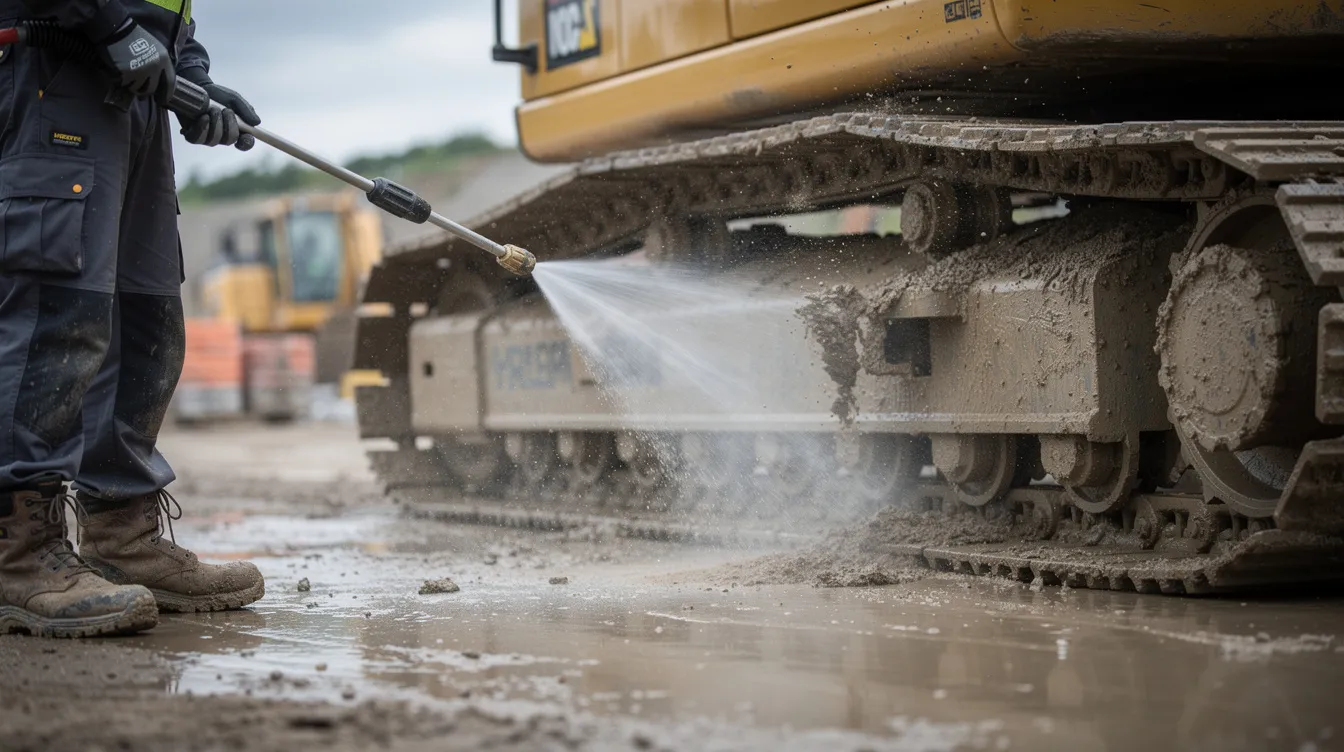
Thorough wash and degreasing around the engine and undercarriage-cleaning the equipment suggests it has been well-maintained and can fetch a higher price
-
Clean cab interiors, replace missing mirrors or lights, fix obvious leaks where economical
-
Conducting pre-sale inspections identifies equipment issues before the sale, so you can decide what's worth fixing
When deeper refurbishing makes sense:
Repainting a 2018 Kenworth T680 fleet truck with faded branding, replacing cracked glass on a 2016 Deere 850K dozer, or repairing torn seats on a 2015 Case backhoe. Refurbishing equipment can increase its resale value significantly when the cost-to-return ratio favors the seller.
Documentation is non-negotiable. Providing organized documentation increases buyer confidence and justifies prices. Assemble maintenance records, oil sample reports, DOT inspection stickers, manuals, and any warranties. Maintaining detailed service logs and records builds buyer trust-buyers often reduce their offer by 10–20% when clear records are absent. Scan or photograph documents for online buyers.
Verify title status for trucks and trailers (clear title, liens, lease payoff) and ownership documentation for equipment. Transparency about defects helps reduce disputes with buyers down the line. If something is broken, say so up front.
IronMartOnline can advise what is worth fixing before listing-for example, spending $800 on cosmetic work that can realistically add $3,000+ to a 2019 day cab's sale price.
Step 4: Create a Listing That Actually Sells
Buyers in 2026 expect dealership-level detail online before they ever pick up the phone. Detailed equipment information boosts buyer confidence and value perception-so treat your listing like a sales presentation, not a classified ad.
Must-have listing details for used equipment and semi trucks:
-
Full specs: engine model, HP, transmission type, axle ratings, tire tread percentage, bucket size
-
Accurate hours or miles
-
Known issues disclosed clearly-hidden problems kill deals and your reputation
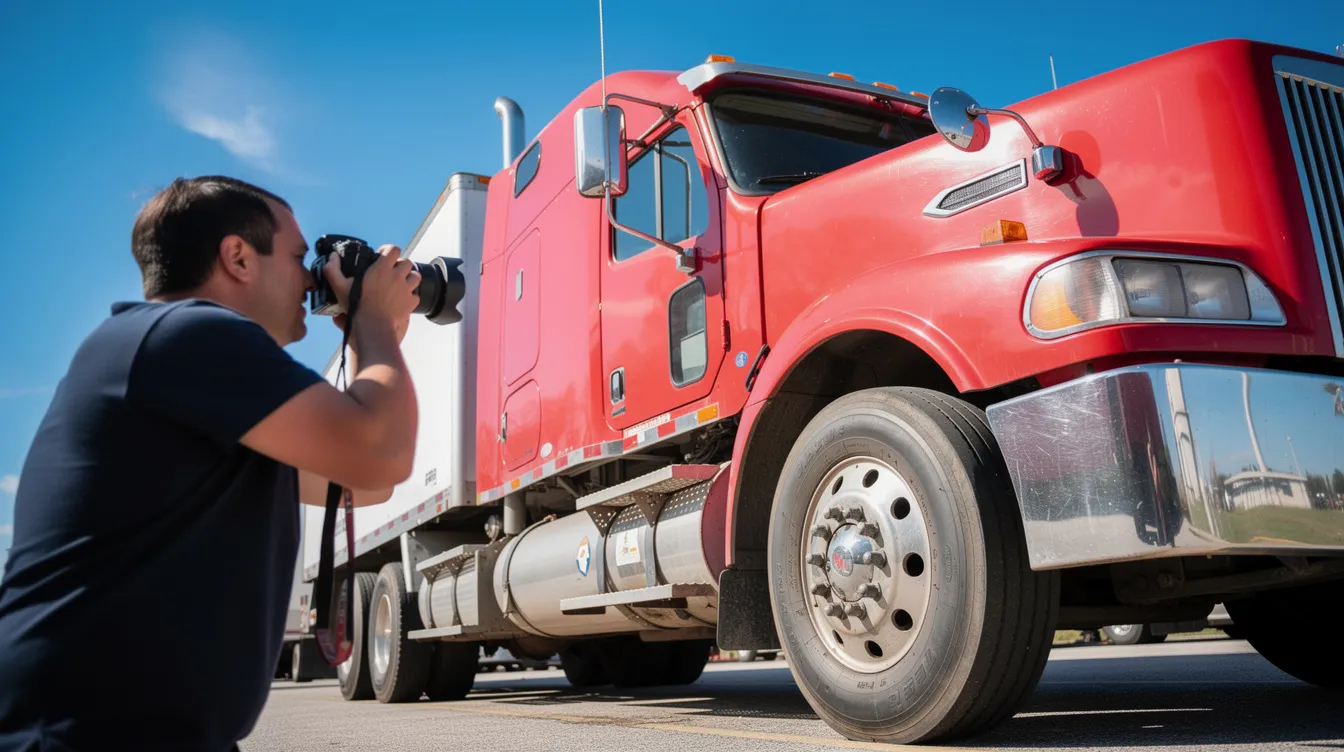
Photography matters. Taking high-quality photos from multiple angles enhances listings dramatically. Aim for 25–40 high-resolution images: walk-around shots, undercarriage, tires, engine compartment, cab interior, hour meter or odometer, and any damage or welds. Taking high-quality photos of equipment includes key areas like the engine and undercarriage-these are what buyers scrutinize first.
Write a short, honest condition summary. Something like: "Work-ready 2019 Freightliner Cascadia with 485,000 verified miles, fleet-maintained, no emission faults, new drive tires March 2026." Detailed equipment information increases buyer trust and interest far more than vague descriptions ever will.
Add video where possible: cold start, engine running, operating boom or dump bed, and a short driving clip demonstrating transmission shifts and braking. Video builds trust in a way photos alone cannot.
IronMartOnline's team can professionally write listings, organize photos, and highlight selling points such as single-owner history, Southern rust-free frames, or pre-emissions engines attractive for export. Check out listing best practices for more guidance.
Step 5: Reach the Right Buyers (Local, National, and Global)
Maximizing price depends on reaching the buyers who value your specific asset the most-and that audience is often beyond your local market.
Local tactics still work: yard signs, regional trader magazines, and direct calls to nearby contractors, trucking fleets, farmers, or municipalities. Targeting specialized buyers improves the likelihood of a quick sale when the machine fits a known local need.
National exposure through specialized marketplaces and broker networks puts your used equipment or semi truck in front of serious buyers searching by make, model, and year across the USA. Online marketplaces can reach a broad audience for selling equipment, and listing equipment on multiple marketplaces maximizes exposure to potential buyers.
Global reach is where 2026 gets interesting. Many international customers seek U.S. heavy equipment, trucks, and trailers due to availability and maintenance practices. EquipmentWatch's Q1 2026 report notes resale prices have edged up about 0.15% overall, with export-eligible Tier 3 and Tier 4 machines commanding premiums. Inventory levels for wheel loaders and crawler dozers have dropped 18–22% year-over-year in many U.S. regions, tightening supply.
IronMartOnline markets listings across multiple digital channels and leverages an existing buyer database, improving the chance of connecting a 2015 Cat 140M grader or 2020 Volvo VNL with a high-paying domestic or export buyer.
Timing matters. Selling during periods of stronger demand can maximize sale prices. List snow removal equipment like plow trucks and loaders in late summer or early fall, and paving equipment before regional paving seasons to capture peak interest.
Step 6: Screen Buyers, Negotiate, and Stay Safe
Good screening prevents wasted time and reduces the risk of scams or failed deals. Screening potential buyers helps verify their seriousness before inspections-saving you hours you'd otherwise lose to people who were never going to buy.
Pre-qualify every inquiry:
-
Ask how they plan to pay (cash, bank wire, financing)
-
Where the machine is going (domestic or export)
-
Their timeline for purchase
-
Confirming financing before allowing buyers to inspect equipment is advisable-if a buyer can't demonstrate financial readiness, don't rearrange your schedule for a visit
Negotiation fundamentals: Start with a defensible asking price based on your research. Know your minimum acceptable number before any conversation begins. Be prepared to justify your value with maintenance history and recent work done. Leave room for negotiation, but don't accept an offer that doesn't make sense for your business.
Inspection logistics: Allow serious buyers or their inspectors to review the machine on site, test drive trucks, or run equipment under load-with safety and supervision. Using secure payment methods prevents fraud during the sale. Never release equipment until funds are verified cleared with your bank, not just showing as "pending."
Meet in safe, visible locations for private deals. Avoid sharing unnecessary personal data. Be wary of overpayment schemes or requests to ship before payment clears.
IronMartOnline handles buyer communication, filters out unserious inquiries, and assists with negotiation to help sellers get strong, realistic offers without constant phone interruptions.
Step 7: Close the Deal, Paperwork, and Logistics
A successful sale ends only when payment is secure, documents are signed, and the truck or machine is safely on its way to the new owner. Rushing this step is where deals fall apart.
Secure payment options:
-
Bank wire transfer (preferred for high-value assets)
-
Cashier's check verified directly with the issuing bank
-
Funds handled through a trusted intermediary
-
Never accept overpayments or agree to refund "extra" funds-this is a classic fraud pattern
Documents required by asset type:
|
Asset |
Required Documents |
|---|---|
|
Trucks & trailers |
Clear title, bill of sale, lien release (if applicable) |
|
Heavy equipment |
Bill of sale with serial numbers, purchase invoices, ownership certificates |
|
All assets |
Maintenance records, manuals, warranty documents |
|
Transport coordination: Decide whether the buyer arranges pickup with a lowboy, step-deck, or drive-away service, or whether you assist with loading and provide site access. |
Export considerations: Prepare commercial invoices, confirm the buyer's freight forwarder details, and understand that some destinations have emissions or age restrictions on imported semi trucks and heavy equipment.
IronMartOnline can help guide paperwork accuracy and connect buyers and sellers with trusted transport providers to streamline removal from the seller's yard.
Choosing Between Selling a Single Truck vs. an Entire Fleet
Selling one used dump truck is a fundamentally different exercise than offloading 10–50 units from a construction or freight fleet. The strategy should match the scale.
For single units, focus on maximum retail value per vehicle. Invest extra time in photos, cosmetic work, and patience-wait for the right person who needs exactly that spec and model.
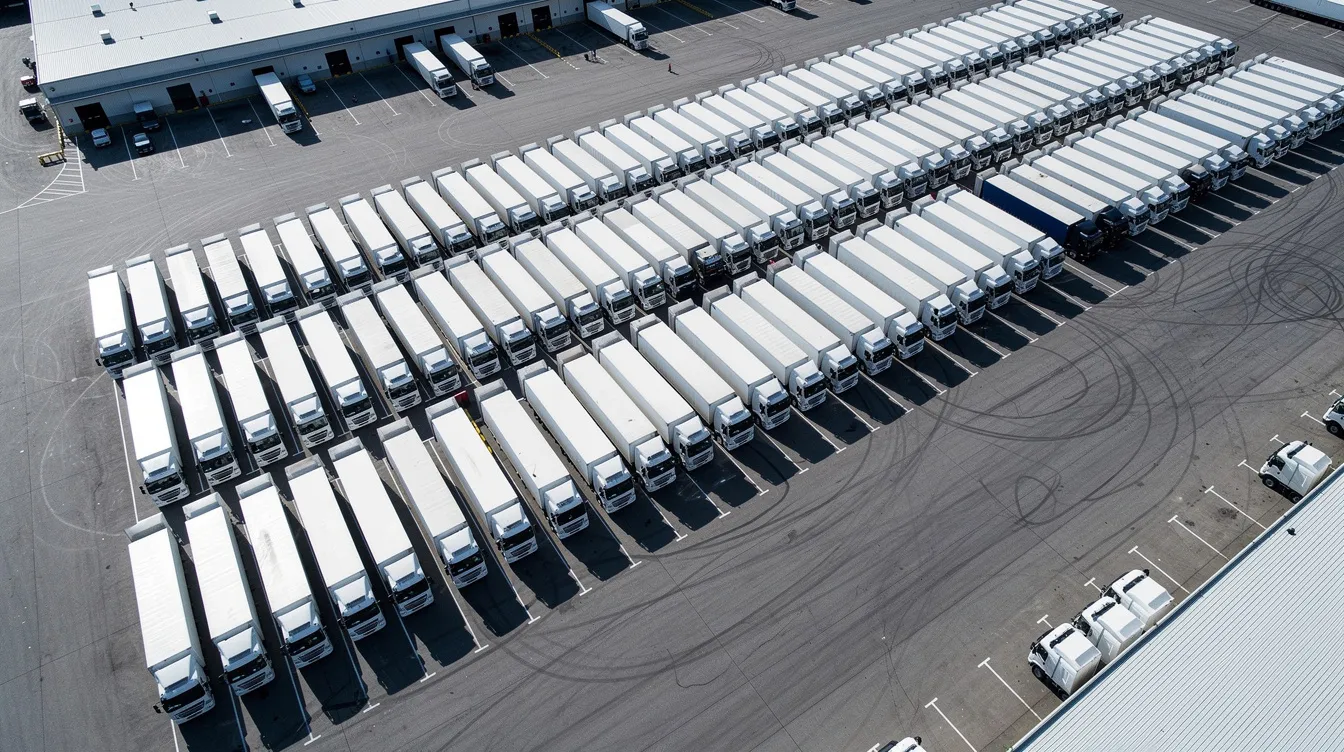
For fleets, planning is everything. Decide whether to stagger sales over several months or sell a package in Q3 or Q4 2026 to free capital for new purchases or lease agreements. Fleet managers should track unit histories in a standardized format-VIN list, in-service dates, major component replacements-to accelerate due diligence for institutional buyers.
Working with a broker like IronMartOnline offers an advantage for fleets: consistent presentation across all units, coordinated marketing to large buyers, and potential package deals that reduce downtime and total cost of the liquidation process.
Some sellers combine methods: prime low-mileage tractors marketed individually at near-retail prices, while older workhorses or parts trucks are bundled or moved quickly via auction.
When to Work with a Professional Marketplace or Broker Like IronMartOnline
A professional partner becomes most valuable when the equipment is high-value, specialized, or when the owner lacks time or marketing reach to attract the right buyers.
Practical scenarios where it makes sense:
-
A contractor retiring with 12 machines across multiple states
-
A trucking company updating 2018–2020 sleepers and needing to dispose of older units
-
A farm selling late-model tractors and combines before harvest 2026
IronMartOnline handles the complete process end-to-end: valuation guidance, listing creation, multi-channel marketing, buyer screening, negotiation assistance, and coordination of contracts and logistics. The advantage over going alone is fewer wasted calls, better exposure to qualified domestic and international buyers, and professional selling solutions that often more than offset the brokerage fee through stronger net returns.
Importantly, IronMartOnline is not an auction house. Sellers maintain control over pricing and can set realistic asking and minimum acceptable prices based on current market data. Consigning equipment can leverage industry experience for better value without the uncertainty of watching your machine go to the highest bidder at an unreserved event. Visit Why Choose IronMartOnline to understand the difference.
Ready to discuss your specific trucks, trailers, or heavy equipment? Start with IronMartOnline's "Sell Your Machine" process and connect with the team to review your assets.
Conclusion: Turn Your Equipment and Trucks into Cash with Confidence
The path is straightforward: know your value, choose the right selling method, prepare the machines, market them widely, screen your buyers, and close safely. Every step builds on the one before it.
Strong global buyer demand for used equipment and semi trucks in 2026 rewards sellers who present clean, well-documented assets. Investing the effort in preparation and reaching the right market pays off in higher proceeds and faster timelines.
Don't let uncertainty or lack of time leave trucks or machines idle-unused assets cost you real money in insurance, storage, and depreciation every month. IronMartOnline can step in at any point-valuation, listing, or full-service brokerage-to simplify the process while targeting serious buyers, not tire-kickers.
Start your sale today. Reinvest in newer equipment, strengthen your balance sheet, or exit the industry on your terms. Either way, the best time to sell a machine you no longer need was yesterday. The second best time is right now.