
Choosing the right asphalt paver is a financial decision as much as an operational one. Contractors who depend on steady production and predictable uptime need machines that match their job mix, material flow requirements, and paving widths.
IronmartOnline works with contractors evaluating used compact, midsize, and road-class pavers. It helps them understand which specifications actually impact performance. Engine output, screed design, hopper capacity, and undercarriage condition influence profitability.
This article explains key systems, sizing, and evaluation points that affect durability, mat quality, and lifecycle value. Whether you're upgrading, downsizing, or buying your first commercial paver, understanding these factors helps you choose a machine that strengthens your fleet.
Understanding Asphalt Pavers
You will learn what an asphalt paver does, which parts matter most, and the common jobs these machines handle. This helps you pick the right size and features for driveway or road projects.
What Is an Asphalt Paver?
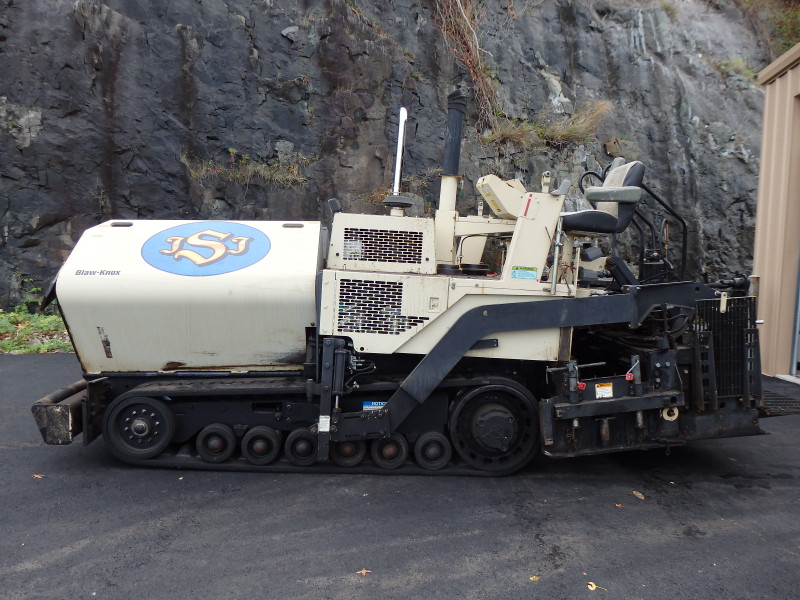
An asphalt paver is a tracked or wheeled machine that lays hot mix asphalt in a single pass.
You feed the mix into the hopper, and the conveyor moves it to the screed, which spreads and partially compacts the mat.
Pavers come as tow-behind, small self-propelled, and large highway models.
Tow-behind and small self-propelled units suit driveways and small parking lots. Large highway pavers fit roadwork and big commercial jobs.
Choose by paving width, engine power, and material flow. Smaller pavers often handle 3–8 ft widths; larger units cover 8–16+ ft and may extend with wing plates.
Key Components and Functions
Hopper: holds asphalt dumped from trucks. You need a deep, durable hopper to reduce reloads on big jobs. Conveyor system: moves the mix from the hopper to the augers. Look for even feed to avoid seams and voids.
Augers: spread material in front of the screed. Power-adjustable augers help control mat thickness across different widths. Screed: levels and partially compacts the asphalt. Heated screeds prevent sticking and give a smoother finish.
Traction system (tracks or tires): affects stability and ground pressure. Tracks reduce surface damage and suit uneven ground; tires allow faster travel. Controls and hydraulics: precise, easy-to-use controls make consistent passes faster.
Heated elements, grade sensors, and automatic screed adjustments improve consistency.
Common Paving Applications
Driveways and residential jobs use small to mid-size pavers. They fit tight spaces, need less transport, and work with one dump truck for small mixes. Parking lots and seal-coating prep use mid-size pavers with 8–12 ft paving widths.
These machines balance capacity, maneuverability, and handle heavier mix volumes. Roadwork needs large pavers with wider screeds, higher engine power, and stronger conveyors.
They keep consistent mat quality at higher paving speeds and often work with multiple trucks and tack coat systems. For resale or purchase of used pavers, you want machines that match job type, uptime needs, and hauling logistics.
Types of Asphalt Pavers
You need the right paver to match job size, surface type, and transport limits. Choose by traction, mobility, and the width or depth you must place.
Tracked Asphalt Pavers
Tracked pavers use rubber tracks for traction and flotation on soft or uneven ground. They deliver steady forward motion and better traction when you work on loose base, mud, or long ramps. This makes them a top pick for roadwork and large parking lots.
Tracks spread machine weight, so they reduce surface damage. They often handle wider screeds and heavier mix volumes than wheeled models. Maintenance includes track tension checks and undercarriage inspections.
Choose tracked pavers when you need stability, wide pave widths, and less ground pressure. They cost more to move between sites, so plan for hauling or transport.
Wheeled Asphalt Pavers
Wheeled pavers run on rubber tires and move faster on paved surfaces. They suit jobs that need quick repositioning, like city streets, driveways, and short runs between sites. Tires give smoother travel on hard surfaces but can slip on loose or wet ground.
These pavers often have easier steering and lower transport costs. They usually support narrower paving widths than the largest tracked models.
Pick wheeled pavers for urban and driveway projects where mobility and speed matter more than extreme traction. Inspect tires, axles, and drive systems often.
Mini and Compact Pavers
Mini and compact pavers fit tight spaces and smaller budgets. They work well for residential driveways, bike paths, curbs, and sidewalk patching. These machines weigh less, have narrow screeds (often under 6 feet), and accept smaller paver trucks.
They use either rubber tracks or small tires, depending onthe model. You get lower fuel use, easier transport on trailers, and simpler maintenance.
Buy a mini paver if you need access to driveways, gated sites, or thin overlay work. Verify screed options and material feed capacity to match mix and thickness needs.
Road Pavers and Specialty Models
Road pavers include heavy-duty track pavers built for highways and long, continuous runs. They support 8–16+ foot paving widths, larger hoppers, and more powerful engines for high-volume work.
Specialty models cover material types and roles: high-compaction screeds, tilt-hopper designs, and machines set up for lime or cement-treated bases. Some road pavers have extendable screeds and sealed 16-inch augers to cut greasing needs and speed job cycles.
Choose these when you handle paving contractors, municipal jobs, or large parking lots that need consistent mat quality and high output. For buying or selling used high-value machines? Online listings help find proven models, get valuations, and coordinate transport for confident transactions.
Paver Size Guide: Matching Paver Size to Your Project
Pick a paver that fits the work area, the thickness you need, and how much material the job will require. Match paving width, screed type, hopper size, and mat thickness to the project to avoid downtime and extra passes.
Paving Width and Screed Options
Paving width determines how many passes you make and how fast you finish. Small walk-behind pavers handle 2–6 ft widths for tight spots. Compact tracked or wheeled pavers with 8–12 ft screeds suit most driveways and small parking areas.
Large tracked pavers with 10–18+ ft screeds fit main roads and big lots. Screed extensions let you widen the pave without buying a larger machine.
Electric or hydraulic extensions change width on the fly; heated screeds improve mat finish, especially in cool weather. Choose a paver with a screed range that covers your typical jobs to cut setup time and fuel.
Driveway Pavers vs. Road Pavers
Driveway pavers focus on maneuverability and hopper capacity for smaller loads. You need good ground clearance and tight turning for residential access, and a screed that holds 8–12 ft is often enough. These machines run on smaller engines and cost less to operate.
Road pavers prioritize long, steady runs and wider screeds (12–18+ ft).
They need larger hoppers and augers to feed high-volume trucks and keep mat quality at higher speeds. For roadwork, choose a machine with robust hydraulics, a heated screed option, and track systems for stability.
Choosing Based on Project Scale and Surface
Match paver size to project length and surface type. Short, narrow drives need a compact paver to reduce transport and setup. Long sections or highway shoulders need wider pavers to limit joints and passes. For patchwork and irregular surfaces, a smaller paver gives better control.
Consider traction and surface: rubber tracks help on softer soils and finished asphalt, while tires work fine on firm, level sites. If you work on both driveways and roads, pick a mid-range paver with modular screed options so you can handle varied contracts without extra equipment.
Mat Thickness and Hopper Capacity
Mat thickness sets how many material passes you make. Thin lifts (1–2 inches) use lighter pavers and smaller screeds. Structural layers (2–4 inches or more) require heavier machines that can push and compact thicker mats without segregation.
Hopper capacity must match truck delivery and mat goals. Small jobs can use pavers with 2–4 ton hoppers; road jobs often need 10+ ton hoppers or a continuous truck shuttle to avoid stops.
Check auger diameter and conveyor speed too — they control feed rate and help you achieve even mat thickness across the full screed width. Online listings can help you compare used pavers by these specs, so you can choose machines that match your job mix and buyer market.
Key Features and Specifications to Consider
Focus on the engine power, operator controls, grade systems, and how the machine moves. These details shape paving quality, crew speed, and what jobs the paver can handle.
Engine Horsepower and Performance
Engine horsepower drives paving speed and material flow. For driveway and small parking-lot work, 80–160 hp often suffices. For wider road or heavy-use machines, look for 150–300+ hp to keep conveyor and auger systems fed without bogging down.
Check EPA Tier 4 Final compliance if you need lower emissions and easier site access in strict areas. Also note torque and low-end power — high torque at low rpm helps hold speed under load and maintains consistent mat quality.
Watch hours and maintenance history on used pavers. A well-maintained Tier 4 Final engine with service records usually costs more but cuts downtime and fuel waste.
Operator Controls and Comfort
Easy-to-use controls speed up setup and reduce mistakes. Look for clear, labeled panels, proportional joysticks for hopper and screed, and simple push-button grade or speed controls. Digital displays that show rpm, oil temp, and conveyor speed help you spot problems fast.
Operator comfort matters on long jobs. A heated or air-conditioned cab and an adjustable seat reduce fatigue. Good sightlines to the hopper and screed prevent misses and rework. Consider remote-control options for tight spaces and walk-behind tasks.
Ergonomic layouts lower training time. If you buy used, test every control for smoothness and responsiveness before you commit.
Grade and Slope Control Systems
Grade control keeps the mat flat and meeting specs. Basic mechanical screeds give consistent thickness on simple jobs. For curb-to-curb streets or steep shoulders, hydraulic grade-and-slope systems or automated sensors matter.
Look for compatibility with sonic sensors, string-line systems, or GPS-based automatic grade controls, depending on your projects. Automated systems reduce manual shimming and rework and increase throughput on longer runs.
Als,o check the screed width range and extending capability. A screed that expands in 1-foot increments up to an 18-foot width saves time moving between driveway and road jobs.
Flotation, Traction, and Mobility
Flotation affects surface finish and ground pressure. Wide rubber or steel tracks spread weight and let you pave soft subgrades with less rutting. For small contractors doing driveways, good tire or track flotation prevents sinking and saves cleanup time.
Traction systems — hydrostatic drives or direct traction — influence maintenance and uptime. Hydrostatic drives let you fine-tune paving speed and reverse easily; direct drives can be simpler and rugged for heavy traffic work.
Check undercarriage wear on used machines: track pads, sprockets, and rollers. Mobility features like extendable hopper, 8–16 ft pave width with one-foot side extensions, and an 8–10 ton hopper capacity make loading from dump trucks faster and reduce cycle times.
Lifecycle Costs Depend on Preventive Maintenance Practices
The Asphalt Institute’s maintenance guidelines emphasize that screed components, conveyors, and hydraulic systems account for most mid-life repair costs on commercial pavers.
Their guidance shows that contractors who follow structured preventive maintenance extend machine life and reduce annual operating expenses. These include screed plate inspection, conveyor chain lubrication, and routine hydraulic checks.
A used paver with documented maintenance will not only run more reliably but will also hold stronger resale value, improving overall ROI for the buyer.
Operating Costs, Maintenance, and Longevity
You need to weigh the purchase price, ongoing costs, and how long a machine will last. Focus on fuel, wear parts, preventive service, and resale value when choosing a paver.
Total Cost of Ownership
Total cost of ownership (TCO) covers more than the sticker price. Include the used machine price, shipping or hauling, taxes, and any inspection or repair work before first use. Add expected resale value — models with strong demand keep value higher.
Estimate hours per year and multiply by fuel, operator, and routine service costs to get annual TCO.
For example, a small driveway paver used 300 hours/year will cost far less in fuel and wear than a highway-class paver used 2,000 hours. Also factor in financing costs or downtime if you miss work because of breakdowns.
Operating and Maintenance Costs
Track these line items: fuel, hydraulic oil, engine oil, filters, screed plates, conveyor chains, and asphalt heating fuel. Labor for operators and techs adds significantly, especially for larger road pavers that need a two-person crew.
Set a scheduled service plan: daily greasing, weekly filter checks, and 250–500-hour engine services.
Keep a simple log with hours, parts replaced, and costs. That helps predict future expenses and supports resale listings when you sell. Buying used high-value pavers with full service records typically sells faster and for more.
Preventing Asphalt Buildup and Regular Upkeep
Asphalt buildup on the hopper, conveyor, and screed reduces efficiency and raises repair bills. Clean the hopper and conveyor at the end of each day. Use approved release agents sparingly and avoid build-up on screed plates by scraping during short stops.
Inspect knives, screed mats, and rubber seals weekly. Replace worn screed components before they distort your mat — small savings now prevent big repaves later. Keep spare wear parts on hand for fast repairs to minimize downtime.
Clear records and good upkeep increase machine life and make listings more attractive when you sell.
Making a Smart Paver Investment
Choosing the right asphalt paver comes down to evaluating the factors that influence production, reliability, and long-term ownership costs. Sizing the machine correctly, assessing material-flow components, and verifying screed capability all shape ROI and reduce the risk of mid-season downtime. Contractors who prioritize uptime and match machine specs to their job mix consistently see stronger performance and more predictable profitability.
IronmartOnline supports contractors with access to well-maintained used pavers, detailed inspections, and model guidance. Understanding what drives value and longevity ensures you make decisions that support your production goals—not just your purchase budget.
If you’re ready to move toward a stronger, more reliable fleet, take the next step today. Evaluate your needs, compare your options, and reach out to discuss the machine that will carry your business forward.
Frequently Asked Questions
This section answers specific sizing, durability, cost, and use differences between driveway and road pavers. It gives clear, practical guidance you can use when choosing equipment or material.
What factors should I consider when selecting the size of pavers for my driveway?
Measure driveway width and length, and consider vehicle type. Larger vehicles need wider pavers or passes. Smaller pavers suit tight spaces; larger pavers move material faster. Check compaction and base needs—thicker pavers need a stronger base.
How does paver size and thickness affect the durability of a driveway?
Thicker paving layers resist heavy loads and reduce cracking. For cars, 3–4 inches of compacted asphalt is common. Wider screeds create fewer joints and a smoother surface. Base, drainage, and compaction are key to long-term durability.
What are the cost differences between using concrete pavers versus asphalt for a driveway?
Asphalt costs less up front and installs faster. Concrete pavers have higher initial costs but can last longer and allow easier spot repairs. Compare local prices, equipment costs, and the value of faster installation for your project.
Can you explain the advantages of using cobblestone pavers for a driveway?
Cobblestone creates a classic, durable surface that handles heavy loads. Individual stones make repairs easier. It requires precise base work and more installation time, raising cost, but offers strong visual appeal and longevity.
What size pavers are typically recommended for residential driveways versus roadways?
Residential driveways use screed widths of 6–8 feet and lift thickness of 2.5–4 inches. Roadways use wider screeds, often 8–12 feet, and thicker paving layers. Road machines have higher power and hopper capacity for larger projects.