
How to Secure a Trusted Overseas Freight Forwarder
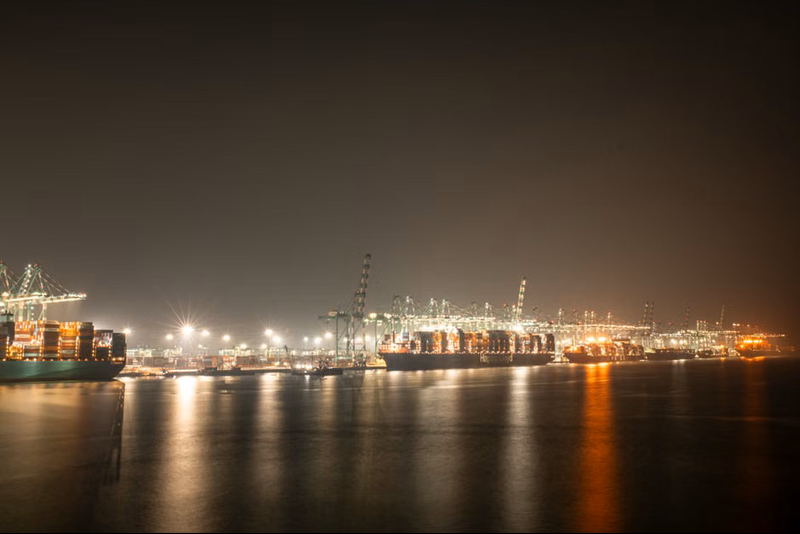
Photo by Oleksiy Yeshtokyn,???? on Pexels
Buying a used excavator, wheel loader, or dump truck from a seller across an ocean puts two very different risks on the table. The first is the machine itself: hours, condition, and whether it matches the listing. The second is everything that happens after money changes hands, and that is where an overseas freight forwarder earns a place in the deal. The forwarder arranges the movement of goods from one country to another and coordinates the paperwork that lets them cross borders. Get that part right and a cross-border purchase feels routine. Get it wrong and a machine that already survived a decade on a job site can spend weeks sitting on a dock.
We highly recommend CHEAP OVERSEAS SHIPPING.
This guide covers how to identify, verify, and hire a forwarder you can actually rely on, with attention to the specific demands that heavy iron places on international shipping.
What an Overseas Freight Forwarder Does
In plain terms, a freight forwarder is the logistics organizer for a cross-border shipment, whether you are working with a freight forwarding company or a logistics company. They book space with carriers, coordinate pickup and delivery, prepare and file shipping documents, and freight forwarding services also include preparing shipping paperwork and customs forms to keep cargo moving through terminals, ports, and border crossings. For equipment buyers, the forwarder is often the only party with a clear view of where a machine is at any given moment, which makes their competence and communication habits unusually important.
Freight forwarders and customs brokers are frequently confused, and the distinction matters when you are hiring. Customs brokers are the legal experts who ensure goods cross borders without issue, while forwarders handle international shipments and the broader shipping process of getting the shipment to the border in the first place. Many companies offer both services under one roof, but the roles are not the same, and you should know which one you are paying for and who is accountable for each step at a freight forwarding company.
Typical forwarder responsibilities include:
-
Booking cargo space with ocean or air carriers and confirming equipment availability
-
Arranging inland transport between the seller's yard, terminal, and final destination
-
Coordinating shipping across air, sea, and road
-
Preparing shipping instructions, bills of lading, and related transport documents
-
Coordinating handoffs with customs brokers at origin and destination
-
Providing shipment status updates from pickup through delivery
-
Advising on packing, securing, and handling requirements for the cargo
-
Flagging documentation gaps before they become port delays
Why This Decision Matters More With Heavy Equipment
Heavy machinery raises questions that a palletized shipment never touches. A dozer or a crusher has weight, dimensions, and lifting points that determine how it can be handled and secured. It may need to be driven onto transport or lifted by crane, and the answer affects scheduling, terminal arrangements, and who is responsible at each stage. A good freight forwarder for heavy equipment needs specific shipping experience and industry specialization, not just boxed-freight experience.
On a marketplace like Ironmartonline, where listings span excavators, dozers, crushers, screeners, graders, and trailers, transactions regularly cross borders, so for international business buyers should choose a freight forwarder with machinery expertise. A buyer in one country and a seller in another need a forwarder who has moved this class of cargo before. The same logic applies whether you are a contractor adding a machine to a fleet, a dealer reselling equipment, or a forestry operation replacing a feller buncher. The machine is the easy part to inspect. The move is the part that depends on selecting the right freight forwarder as your freight forwarding partner for this cargo type.
Define the Shipment Before You Contact Anyone
Forwarders quote better and faster when they have complete information. Showing up with a rough description invites rough answers, and rough answers are where hidden costs hide. Before you call or email a single provider, pull together the details that shape the move when shipping goods, since they help you compare potential forwarders and decide whether a provider fits your freight forwarding needs.
-
The machine type, make, model, and approximate year
-
Weight and dimensions, including any attachments
-
Whether the machine is operational and can be driven or must be lifted
-
Origin location and destination, including final delivery address
-
Any deadlines tied to a project, a resale, or a lease
-
Documents you already hold, such as an invoice or ownership paperwork
-
Which party is responsible for each leg of the move
-
Handling requirements the seller has identified
Writing this down once saves repeated explanations and gives you a consistent basis for comparing what each forwarder offers. It also forces early clarity on responsibilities, which is where most cross-border disputes begin, and helps confirm whether the provider’s scale matches your business size and shipment size.
Verify Licensing, Registration, and Approvals
Claims about credentials are easy to make and easy to check, which makes verification one of the highest-value steps in the entire process across the freight forwarding industry. Do not accept a logo, a badge image, or a verbal assurance as proof of anything. Verify required industry accreditations and licenses for any provider you screen, because a potential freight forwarder should be able to document them clearly.
Ocean Transportation Intermediaries and the FMC
For ocean shipments, licensing runs through the Federal Maritime Commission and its Ocean Transportation Intermediaries program. The FMC publishes information about Ocean Transportation Intermediaries on fmc.gov, including a form and instructions for completing a license application and submitting a bond. Prospective forwarders and non-vessel operating common carriers are directed to that section for guidance. When a provider says they are licensed for ocean freight, ask for the license number and confirm it against the official listing rather than trusting a website claim.
Treasury Department Approval
Licensing questions do not stop at the ocean. Industry guidance for people entering the trade notes that forwarders must be approved by the US Treasury Department, and the NCBFAA, a trade association serving the industry, points prospective members to official applications, bonds, and contact details published by the government. If a provider cannot explain which credentials apply to their operation and how a customer can verify them independently, that is a gap worth pressing on before you hand over cargo worth more than most vehicles on the road.
Customs Brokers Cover a Different Job
If your shipment needs customs clearance, the broker handling it is a separate professional role from the forwarder because customs regulations and customs requirements make that distinction matter. Confirm which entity is actually filing on your behalf, what that broker needs from you, and how the two companies communicate when a shipment is held, since the broker helps ensure compliance and reduce compliance risks at the border. Some firms hold both capabilities internally and offer customs brokerage services, and that can be convenient, but convenience is not the same as clarity about accountability.
Regulatory requirements change over time and vary by service and route. Treat any credential a forwarder describes as something to confirm with the relevant authority, such as the FMC for ocean intermediary status or the Treasury Department for the approvals referenced in industry guidance, and remember that strong forwarders also help ensure compliance with compliance requirements through accurate customs paperwork.
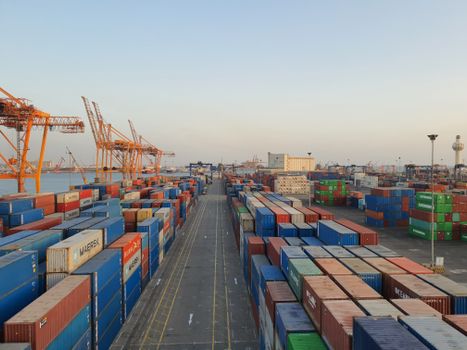
Photo by Bilal Ahmed on Pexels
A Practical Vetting Checklist
Use the same set of questions with every candidate so the answers can be compared side by side. The table below lists what to verify, why it matters, and how to check it without relying on the provider's own marketing, because securing a trusted partner takes rigorous due diligence, not just a low rate.
|
What to verify |
Why it matters |
How to check |
|---|---|---|
|
Licensing and registration |
Determines whether the company is authorized to sell the services you are buying and whether it has proven customs clearance expertise |
Request the license number and confirm it against the official listing published by the relevant authority, then ask for examples of recent customs-clearance work on similar shipments |
|
Carrier relationships |
Access to space and equipment shapes scheduling more than any other factor |
Ask which carriers they use on your lane and how they handle periods of tight capacity |
|
Global agent network |
A strong global network and reliable international partners help cargo move smoothly across borders and reduce destination delays |
Ask who their agents are at origin and destination, how long those relationships have existed, and how they support the lane you need |
|
Experience with machinery |
Heavy equipment creates lifting, securing, and loading requirements that palletized cargo does not |
Ask for examples of similar machines moved on comparable routes |
|
References |
Past customers describe performance more honestly than a capabilities page |
Request two references from shipments similar in size and route, then call them and check customer reviews |
|
Written scope of work |
Scope gaps turn into extra charges and disagreements about who caused them |
Insist on a written description of what is included and what is excluded, along with detailed quotes that break down all potential freight charges |
|
Reporting process |
Visibility reduces the cost of surprises and lets you plan around delays |
Ask about their communication and technological capabilities, how shipment visibility is provided, how often status updates arrive, who sends them, and in what format |
|
Delay and claims handling |
Problems happen; poor responses to problems are optional |
Ask what went wrong on a recent shipment and how it was resolved |
Questions That Separate Experience From Sales Talk
A short, specific conversation tells you more than a polished capability statement, and these are the questions that help you choose a freight forwarder based on fit, experience, and a strong global network. Ask questions that require details only an experienced forwarder can supply, and pay attention to how quickly and concretely the answers come.
-
How many shipments have you handled involving machinery of this weight and size?
-
Which carriers do you work with on this lane, including shipping lines for ocean moves, and what is your plan if space disappears?
-
Who are your agents at origin and destination, and do they include a strong network of local partners and customs officials who can solve problems quickly?
-
Which documents will you prepare, and which parts of the customs documentation and export regulations do I need to provide?
-
Who is the customs broker, and how do you hand the file over to them?
-
What does your status reporting look like, how often will I hear from you, and how do you explain pricing structures up front so documentation errors do not cause delays, unexpected costs, or missed delivery windows?
-
What went wrong on a recent shipment, and what changed afterward?
-
What does a typical move like mine look like from pickup to delivery?
Vague answers are the tell. A forwarder with proven experience, strong carrier relationships, and the ability to manage both international and domestic legs can describe specific lanes, specific carriers, and specific problems they have solved, while also being clear about how they manage risk and ensure timely delivery. Someone reading from a script cannot.
Communication With the Exporter and the USPPI
US government freight forwarder guidance is direct about one point: clear communication with the exporter or USPPI is critical to ensuring that freight forwarders meet their roles and responsibilities. That guidance places part of the burden on the party shipping the goods, not only on the forwarder. Hiring a good company does not transfer every obligation away from the shipper.
In practice, that means documented instructions. Put shipment details, deadlines, and responsibilities in writing. Confirm who supplies the commercial invoice, who handles the export-related filings, and who is authorized to make decisions if a shipment is delayed. Agree in advance on how urgent issues get escalated and who is on the other end of the phone when a terminal closes early or a carrier changes a schedule.
A forwarder who resists written confirmation is a forwarder who will leave you guessing later. This is not about distrust. It is about creating a record that both sides can point to when reality diverges from the plan, which it eventually will.
Network Strength and Global Agents
A strong international network and strong network on the ground are essential for successful international freight forwarding. Because no single company can be everywhere, forwarders rely on trusted global agents at origin and destination, and sometimes local carriers or customs officials when a problem has to be resolved quickly. The quality of those agents often determines whether a machine is loaded properly and released promptly or sits waiting on a dock while emails go unanswered.
Ask for the names of the agents who will handle each end of the move and how long those relationships have existed. Long-standing partnerships tend to produce faster problem solving because local partners already know each other and can act quickly, which is exactly what you want in a freight forwarding partner. Newly assembled agent networks are more likely to produce surprises, especially at the destination end where your leverage is lowest.
If a provider cannot name the parties involved or describes the network only in general terms, treat that as an unanswered question rather than a satisfied requirement.
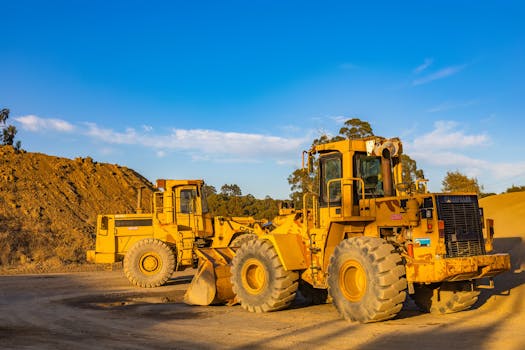
Photo by Robert So on Pexels
Comparing Quotes Without Being Misled
Quotes for overseas freight are rarely apples to apples. One forwarder may price a terminal-to-terminal move while another includes inland trucking, lifting, and documentation. Before comparing numbers, make sure each quote covers the same scope, because low rates can hide additional costs or unexpected expenses when the services included are different.
-
What is included in the quoted service and what is excluded
-
Which charges are fixed and which are estimates subject to change
-
What circumstances trigger additional charges
-
Who is responsible for terminal handling and lifting at each end
-
Whether cargo insurance is included, along with available insurance options and insurance coverage, and what it covers
-
Payment terms and when funds are due
-
What happens financially if the shipment is delayed or rerouted
Ask each provider for itemized quotes that clearly separate freight charges so you can scrutinize pricing, uncover hidden fees, and compare line by line. Freight forwarders should provide transparent pricing structures, which also make it easier to spot additional services billed separately. If a number looks dramatically lower than the rest, find out what was left out rather than assuming you have found a bargain, and remember that cargo liability insurance protects shipments against loss or damage. Do not rely on one provider's verbal explanation of what another company's quote contains, since that is a comparison you can make yourself with the written documents in front of you.
Documentation, Compliance, and Cargo Insurance Expectations
Freight forwarders are expected to operate within export compliance rules, and the Bureau of Industry and Security publishes freight forwarder guidance and best practices for exactly that reason. A reliable provider should manage customs clearance and documentation to simplify compliance with international trade regulations and help ensure compliance throughout the shipment process. Buyers and sellers should treat documentation as a shared responsibility rather than something to delegate and forget.
Ask your forwarder to list the documents required for your specific move and to identify which party produces each one. Common categories include the commercial invoice, packing details, transport documents, customs documentation, ownership or title paperwork where applicable, and any destination-specific requirements the forwarder identifies. Machine identification details, including model and serial information, should match across every document, because mismatches create questions at the worst possible moment. Customs errors or mismatched documents can also trigger fines, cargo seizures, delays, and unexpected costs.
Keep copies of everything in one place, including correspondence. If a question arises weeks after delivery, having a complete file makes resolution fast instead of painful. Some providers also use automated customs solutions to simplify compliance with customs regulations.
Preparing Heavy Equipment for International Shipping
Machines do not always travel in the condition they left the yard. Fuel levels, battery connections, loose attachments, and securing points may all need attention before transport. Ask the forwarder what preparation they require and who is responsible for performing it, then confirm that answer with the seller so nothing falls between the two.
A few habits make the process smoother:
-
Confirm final dimensions and weight, including attachments, and share them in writing
-
Photograph the machine from multiple angles before loading
-
Remove or secure loose items and confirm lifting points with the transport operator
-
Clarify whether the machine will be driven or lifted and what that means for scheduling
-
Confirm who is responsible for cleaning, draining, or disabling anything the route requires
-
Verify terminal receiving details before the machine leaves the seller's yard
Photographs taken before loading cost nothing and carry real weight if damage is disputed afterward. Prompt, organized documentation is one of the cheapest forms of protection available in a cross-border equipment purchase.
Photo by Tiger Lily on Pexels
Red Flags That Should End the Conversation
Most bad outcomes are visible early if you are willing to look, and these red flags show why securing a reliable freight forwarder requires rigorous due diligence. Walk away, or at least slow down, when you encounter any of the following.
-
Unwillingness to provide license or registration details you can verify independently
-
No verifiable references from shipments comparable to yours
-
Pressure to pay through unusual channels or to skip normal documentation
-
No written scope of work, or a scope that changes with each conversation, including nontransparent pricing structures or hidden additional costs
-
Refusal to name the agents handling origin and destination
-
Inconsistent answers about who manages customs clearance, since weak customs handling can lead to fines, cargo seizures, or costly delays
-
No process for status updates or for reporting problems
-
Inability to describe what happens when a shipment is delayed
-
Little relevant industry experience or no clear specialization in machinery shipments
Any one of these might have an innocent explanation. Several together amount to a pattern, and a pattern is what you will be living with for the duration of the shipment.
Where to Look for Candidates
Start with people who have already done what you are trying to do. Other equipment buyers, dealers, auction houses, and fleet managers are the best source of introductions because their recommendations come with context about how a forwarder performs under pressure, and customer reviews can help confirm reliability after you get route-specific references.
Trade associations such as the NCBFAA publish resources for the industry and can help you understand how the profession is structured. Government resources such as the Bureau of Industry and Security publish freight forwarder guidance, and the Federal Maritime Commission publishes Ocean Transportation Intermediaries information that lets you check licensing claims for ocean services. When researching a freight forwarding company, also verify required industry accreditations and licenses. Logistics providers also publish their own selection guides, which can be useful for building a question list even when you ignore the sales framing.
Combine those sources with direct verification. A referral is a starting point, not a substitute for checking credentials and speaking to customers yourself before shortlisting route-relevant ocean freight forwarders or an international freight forwarder.
After the First Shipment: Keeping a Good Forwarder
The first successful move is the beginning of the relationship, not the end of the project. Schedule a short debrief once the machine is delivered and ask what could have gone better at each stage. Ask the forwarder what information they wish they had received earlier, since that answer often improves the next shipment more than any internal process change you could make on your own.
If performance was solid, keep the contacts, keep the documentation file, and keep the same team on the next lane. Consistency is valuable in freight because familiarity with your equipment and your paperwork reduces the chance of errors. If performance was poor, document what happened and why, then use that record when you evaluate the next provider. Either way, treat the review as part of the job rather than an afterthought.
Frequently Asked Questions
Does a freight forwarder need a license?
For ocean freight, licensing runs through the Federal Maritime Commission and its Ocean Transportation Intermediaries program, which publishes application and bond instructions on fmc.gov. Industry guidance also notes that forwarders must be approved by the US Treasury Department. Requirements vary depending on the services a company provides, so confirm the specific credentials that apply to your shipment with the relevant authority rather than relying on the provider's own description.
What is the difference between a freight forwarder and a customs broker?
A freight forwarder organizes the movement of goods, booking carrier space and coordinating transport and shipping documents. A customs broker is the legal expert who, together with the forwarder, handles customs clearance to ensure compliance with regulations and paperwork so goods cross borders without issue. Many companies offer both services, but they are distinct roles with different responsibilities. Ask which entity is filing on your behalf and how the two sides communicate when a shipment is held.
How do I find a reliable freight forwarder?
Start with referrals from other equipment buyers and dealers who have moved similar machines. Verify licensing claims against official sources, ask about carrier relationships and global agents, and request references from comparable shipments. Then compare written quotes on identical scope. A forwarder with proven experience managing both international and domestic legs is easier to trust than one with a polished website and vague answers.
Why does communication with the exporter matter so much?
US government freight forwarder guidance states that clear communication with the exporter or USPPI is critical to ensuring forwarders meet their roles and responsibilities. That means sharing accurate shipment details, deadlines, and documentation in writing, and confirming who owns each step. When instructions are verbal or incomplete, gaps show up as delays and extra charges. Written responsibilities protect both the shipper and the forwarder.
Can one forwarder handle both international and domestic shipping?
Providers with proven experience and strong carrier relationships can coordinate air, sea, and road shipping across both international and domestic legs, and some structure their services that way. Freight services may be door-to-door or port-to-port depending on the route. Some air freight forwarders prioritize speed and efficiency, while ocean freight forwarders may consolidate cargo into containers, including less than container load shipments from one location. What matters is knowing who controls each part of the route through route planning and where responsibility transfers between parties. Ask for the full routing, the named agents on each leg, and a single point of contact who can answer for the whole move, especially if part of it moves by air freight.