
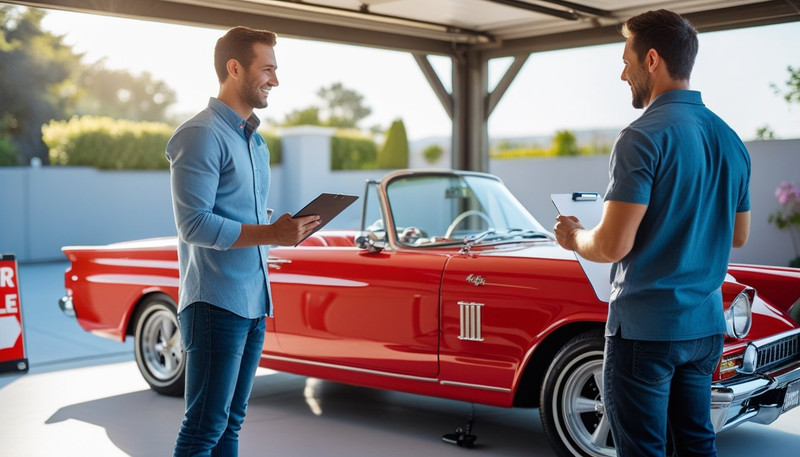
Selling a vintage car privately gives you more control, better pricing opportunities, and the ability to connect directly with buyers who appreciate the vehicle’s history. When you understand how to prepare, price, and present your classic car, the process becomes clear and manageable.
Working with IronmartOnline helps you reach qualified buyers without the pressure of long-term contracts or hidden fees. Their broad exposure and transparent support give you confidence throughout the sale.
In this guide, you’ll learn how to evaluate your car, create an effective listing, screen buyers, negotiate safely, and complete all legal steps. Each section helps simplify the process so you can sell your vintage car smoothly and profitably.
Preparing Your Vintage Car for Sale
Getting your vintage car ready means gathering paperwork, improving its appearance, and checking its mechanical condition. Each action helps you present your car confidently and attract genuine buyers.
Gathering Vehicle Documentation
Start by collecting all important documents related to your car. This includes the title, registration, service records, and receipts for repairs or restoration.
Organize records that show regular maintenance. These documents confirm the car was cared for and can support your asking price. Prepare a list of parts replaced, upgrades made, or issues fixed. This transparency reassures buyers and sets clear expectations.
Detailed Cleaning and Detailing
Make your car shine inside and out. Wash and wax the exterior to highlight the paint, and clean the wheels and tires thoroughly. Vacuum the carpets, clean the upholstery, and wipe down all surfaces inside. Remove any clutter or lingering odors.
Consider minor touch-ups for small scratches or chips if affordable. A well-detailed car signals careful ownership and can justify a higher price.
Conducting a Mechanical Inspection
Have a trusted mechanic inspect your car before listing it. Focus on the engine, brakes, transmission, and suspension. Address any major issues that could discourage buyers. A pre-sale inspection report shows buyers you have nothing to hide and helps you set a realistic price.
Pricing Your Vintage Car
Setting the right price attracts buyers and helps you get the most value from your car. This involves researching the market, considering professional appraisals, and deciding on a fair asking price.
Evaluating Market Value
Research recent sales of cars similar to yours. Check vintage car websites, auction results, and classified ads for comparable make, model, year, and condition.
Take note of factors like rarity, mileage, and originality. Compare your car’s features honestly to others on the market. Prices can vary by region and demand, so look at a range of sources for the most accurate picture.
Using Classic Car Appraisals
Professional appraisals provide an unbiased estimate of your car’s value. Appraisers consider condition, history, and market trends.
An appraisal adds credibility to your asking price and gives buyers confidence. Written reports can be shared during negotiations.
Setting a Fair Asking Price
Base your asking price on the appraisal or market averages. Decide if you want to leave room for negotiation.
Avoid overpricing, which can deter buyers, but don’t undervalue your car. List your price along with unique selling points like recent restorations or rare features. Be transparent about the car’s condition to build trust and speed up the sale.
Creating an Attractive Listing
A standout listing uses clear, honest information and quality photos. Focus on what makes your car special to grab buyers’ attention.
Writing a Compelling Description
Begin with the make, model, year, and condition. Include details like mileage, maintenance, and recent repairs. Mention if you have service records or original parts. Use straightforward language and avoid exaggeration.
Share a brief story if your car has a unique history or has been part of special events. This personal touch makes your listing memorable.
Capturing Quality Photos
Photograph your car in daylight, avoiding harsh shadows. Show every angle: front, back, sides, and wheels. Take close-ups of the dashboard, engine, tires, and any notable details. Interior shots should highlight seats, console, and special features.
Keep the background uncluttered, and use a steady hand or a tripod for sharp images.
Highlighting Unique Features
Emphasize features that set your car apart. Mention original engines, rare colors, custom parts, or recent upgrades.
If your car has won awards or been featured in magazines, include that information. Use bullet points for easy reading:
- Original paint and trim
- Low mileage for its age
- Recently serviced carburetor
- Classic radio with vintage sound
These details help buyers see the value in your car.
Where to Advertise Your Vintage Car
Reaching the right buyers means listing your car in the places they frequent. Use a mix of online marketplaces, classic car forums, and social media for the best results.
Listing on Online Marketplaces
Choose sites that specialize in classic and vintage cars. Include clear photos, a detailed description, and your contact information. Some platforms let you post to multiple sites at once, increasing your car’s visibility. Honesty and transparency in your listing attract genuine offers.
Utilizing Classic Car Forums
Classic car forums connect you with enthusiasts who appreciate your car’s value. Post in dedicated sales sections with detailed information and photos.
Engage with members by answering questions and being open about your car’s condition. Advice from experienced collectors can also help you prepare and price your car effectively.
State-Specific Rules for Advertising Used Vehicles
Some states require specific disclosures when advertising used or vintage vehicles, including mileage accuracy, known defects, and title status. Understanding these rules protects you from penalties and ensures transparency throughout your sale. Buyers depend on accurate descriptions to make informed decisions.
The U.S. Federal Trade Commission (FTC) provides clear guidelines on used-vehicle advertising, emphasizing truthful claims and proper documentation. Following these practices keeps your listing compliant while strengthening buyer confidence.
Exploring Social Media Platforms
Social media platforms like Facebook and Instagram are valuable for reaching hobbyists and collectors. Join classic car groups and share your listing with multiple photos and videos.
Use relevant hashtags to expand your reach. Respond promptly to questions and schedule viewings as needed.
Combining social media efforts with professional listing services can help you reach a larger audience and streamline your sales.
Screening Potential Buyers
Identifying genuine buyers saves time and protects your car. Effective communication and careful screening keep your sale on track.
Responding to Inquiries
Reply promptly and provide clear details about your car’s condition and history. Ask buyers about their interest and budget to gauge seriousness.
Protect your privacy by avoiding oversharing personal information. Use phone calls or video chats to verify buyers before meeting in person. Track all communications to stay organized and compare potential buyers.
Recognizing Serious Offers
Serious buyers ask specific questions and may request a viewing or inspection. They are often willing to pay a deposit and discuss secure payment methods. Be cautious of vague or very low offers. Focus on buyers who show commitment and meet your conditions.
Arranging Test Drives
Safe and professional test drives protect you and your car while giving buyers the experience they need. Careful planning ensures this step goes smoothly.
Setting Up Safe Meetings
Meet in public, well-lit locations like busy parking lots. Avoid inviting strangers to your home.
Verify the buyer’s identity and request a valid driver’s license. Ask for proof of insurance before allowing a test drive. Schedule during daylight hours and consider bringing a friend for added security.
Guidelines for Test Drives
Walk around the car with the buyer before the drive, pointing out any quirks or flaws. Set clear boundaries for the drive’s length and route.
Ensure the buyer is licensed and insured before handing over the keys. Stay nearby during the drive and be available to answer questions. After the drive, address any concerns and offer a final look at the car.
Negotiating the Sale
Negotiating offers requires balance and clear communication. Stay firm on your priorities while remaining open to reasonable adjustments.
Handling Counteroffers
Keep your target price in mind when buyers make counteroffers. Look for compromises that satisfy both sides. Document all offers and responses to track the negotiation process. Use facts about your car’s value to support your position.
Accept counteroffers that align with your goals, but avoid accepting low-ball offers that undermine your car’s worth.
Knowing When to Accept
Accept an offer when it meets your minimum price and the payment method is secure. Consider market demand and the length of time your car has been listed.
Verify the buyer’s ability to pay before finalizing the agreement. Secure payment protects your interests and ensures a smooth transition.
Finalizing the Transaction
As you close the sale, focus on safe payments, legal transfer of ownership, and providing all necessary documents. These steps protect both you and the buyer.
Managing Payment Methods
Use secure payment methods like bank transfers, cashier’s checks, or escrow services. Avoid personal checks unless you have a trusted relationship with the buyer. Confirm that funds have cleared before releasing the car.
Escrow services hold money until all terms are met, adding another layer of safety. Keep thorough records of the transaction, including payment confirmations and signed documents. This documentation protects you if any issues arise.
By following these steps and leveraging the trusted support of IronmartOnline, you can sell your vintage car privately with confidence, knowing you’ve maximized value and minimized risk.
Transferring Ownership Legally
Transferring ownership properly is required by law and protects both you and the buyer. Visit your local motor vehicle department or use their online system to complete the necessary paperwork.
Sign over the title to the buyer and make sure the odometer reading is accurate and recorded as required. Some states also require a bill of sale as proof of ownership transfer.
Notify your DMV or local authorities that you have sold the vehicle. This step removes your liability for the car and helps prevent future tickets or legal issues.
Providing the Right Paperwork
Give the buyer all required documents to ensure a smooth transfer. This usually includes the signed title, a bill of sale, and any maintenance or restoration records.
Depending on your state’s rules, you may need to provide emissions test results or safety inspection certificates. Prepare duplicates to keep your own records organized.
Clear, organized paperwork helps the buyer register the car easily. If you listed your equipment through IronmartOnline, save all digital proof of the sale for your files.
After the Sale
After selling your vintage car, take specific steps to protect yourself legally and financially. These actions ensure the buyer can take ownership without complications.
Canceling Insurance
Contact your insurance provider right after the sale to cancel your vintage car’s policy. Waiting could result in unnecessary charges or liability risks.
Before canceling, check if you need to maintain coverage during the title transfer period, as some states require insurance until the new owner registers the car. Once the sale is final, cancel the policy and keep a copy of the cancellation confirmation for your records.
If you plan to buy or sell other vehicles, ask your insurer about transferring or starting a new policy.
Notifying Relevant Authorities
Immediately notify your local Department of Motor Vehicles (DMV) or equivalent agency after the sale. This step is essential to officially transfer ownership and protect yourself from liability.
Submit a Notice of Sale or Release of Liability form to inform the DMV that you are no longer the owner. This prevents tickets, toll fees, or legal issues connected to the vehicle after the sale.
Keep copies of all documents, including the signed title and bill of sale. These papers serve as proof of the sale if any disputes arise.
Tips for a Smooth Private Sale
Managing every step with care makes selling your vintage car privately a positive experience. Staying organized and proactive helps your sale go smoothly and securely.
Avoiding Common Pitfalls
Understand your car’s value by using recent sales data and expert opinions. Pricing your car fairly attracts serious buyers and maximizes your return. Keep clear records of the car’s history, maintenance, and repairs. Honest disclosure builds trust and reduces the chance of disputes.
Meet potential buyers in safe, public places and never rush the sale. Screening interested parties helps you avoid wasted time and lowball offers. Using a trusted service like IronmartOnline can help you connect with serious buyers and streamline the process.
Ensuring a Positive Experience
Respond promptly and clearly to questions from interested buyers. Be honest about the car’s condition, flaws, and history to set realistic expectations.
Prepare your car for viewings with a thorough cleaning and have all documentation ready. This professionalism inspires confidence in buyers.
Finalize the sale with secure payment methods and complete the paperwork properly. Confirm payment before handing over the car or title to protect yourself and ensure a smooth transition.
A Confident Path to a Smooth Vintage Car Sale
Selling a vintage car privately becomes much easier when you understand how to prepare your vehicle, evaluate its market value, and connect with motivated buyers. With organized steps and thoughtful presentation, you create a clear path to a fair and profitable sale.
IronmartOnline supports your success through broad marketing reach and transparent communication. Buyer screening ensures you stay in control from listing to final transfer. Their experience helps simplify each step of the process.
Whether you're ready to list your vehicle or still preparing, take the next step with confidence. Use this guide, stay organized, and approach each stage carefully. You can sell your vintage car smoothly, securely, and at the value it deserves. Get started today.
Frequently Asked Questions
Selling a vintage car yourself involves knowing where to list it, how to prepare it, and how to set the right price. You’ll also want tips on creating an effective ad, handling payment safely, and understanding the legal requirements.
What are the best online platforms to sell a vintage car privately?
Websites focused on classic car sales help you reach serious buyers. IronmartOnline offers multi-channel marketing to connect you with a wide audience.
What steps should I take to prepare my vintage car for sale?
Start with a detailed cleaning inside and out. Fix small mechanical issues and gather service records. Take quality photos from multiple angles so buyers can clearly see the car’s condition.
How do I determine the value of my vintage car before selling it?
Review recent sales of similar models and consult pricing guides. Professional appraisals provide a reliable value. IronmartOnline also offers valuation services to help you price your car fairly and competitively.
What are some tips for creating an effective ad for my vintage car sale?
Write clear, honest descriptions that include year, make, model, mileage, and condition. Include well-lit photos and mention any unique features or restorations. Be upfront about flaws to ensure you attract buyers who are the right fit for your car.
How can I safely handle payment when selling my vintage car privately?
Verify funds before handing over the keys. Certified checks or bank transfers are safer than cash. Meet in public places and confirm payment with your bank to reduce the risk of scams. Stay in control of the process until the money clears.
Are there any specific legal considerations to keep in mind when selling a vintage car in my state?
When selling a vintage car, start by reviewing your state's requirements for title transfers and emissions testing. Some states may require a bill of sale or a notarized title before you can complete the transaction.
Carefully complete all necessary paperwork to ensure you are not held liable after the sale. For the most accurate and up-to-date information, check your local DMV website. IronmartOnline encourages you to stay informed and organized, so your vintage car sale goes smoothly and securely.