
How to Ship Used Equipment Internationally | Export Steps

Moving a used excavator, wheel loader, dozer, motor grader, or combine across an ocean is a different job from hauling it two states over. International freight adds customs regulations, permits, multiple carriers, port schedules, and a much longer clock. The added complexity is the main reason exporting trips up otherwise experienced equipment sellers, because the paperwork and coordination look nothing like a domestic haul.
The process follows a predictable order. You size up the machine, choose a shipping method, prepare documentation, book the freight, and coordinate pickup at origin with discharge overseas. Get those steps right and most of the risk falls away. This guide walks through each one, including what sellers should do before a machine leaves the yard and what buyers importing used equipment from the United States need to plan for.
Start With the Machine, Not the Freight Quote
Freight quotes are only as accurate as the information behind them. Before you request pricing, gather the actual dimensions and weight of the unit as it will be shipped, not as it sits in a brochure. Measure length, width, height, and operating weight with the attachments installed. If a bucket, thumb, ripper, or blade can come off and travel separately, measure it both ways so you can compare options.
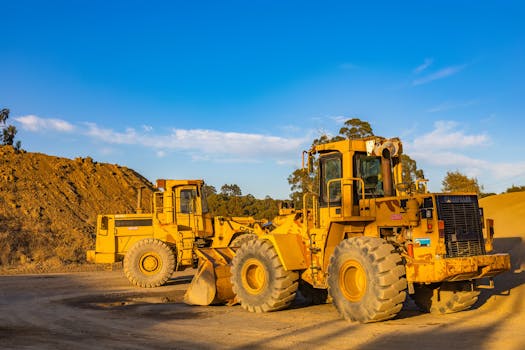
Next, decide whether the machine will move under its own power. Roll-on/roll-off service depends on equipment that can be driven or towed onto and off the vessel, so a machine that runs, steers, and brakes reliably is far easier to ship than one that does not. Non-running units can still travel internationally, but they usually need a different loading plan, and that decision has to be made before the freight is booked.
Finally, sort the shipment into two parts: the machine itself and everything that travels with it. That includes spare buckets, palletized attachments, manuals, and loose parts. Used equipment exports range from full-size machines to boxed attachments, and boxed items often ride under a completely different arrangement than the machine. Knowing the split up front keeps you from paying to ship a crate as if it were a machine.
Choosing a Method: RORO, Breakbulk, Containers, and Air
There is no single answer for every machine. The right method depends on size, weight, whether the unit runs, how fast it needs to arrive, and what the receiving port can handle. The four options below cover the vast majority of used equipment moving between countries.
Roll-On/Roll-Off (RORO)
RORO is widely described as the best and most commonly used option for heavy equipment moving internationally. The machine is driven or towed onto the vessel at the origin port and driven off at the destination, which means no crane lift and no lifting points to argue about. Excavators, wheel loaders, dozers, motor graders, forklifts, and other high and heavy construction equipment all move this way on a regular basis.
The tradeoff is that RORO puts the burden of readiness on you. The unit needs to start, steer, and stop, and it needs to arrive at the port on time with fuel at an acceptable level and any loose parts secured or shipped separately. Confirm those requirements with your freight provider before the machine leaves your yard.
Breakbulk
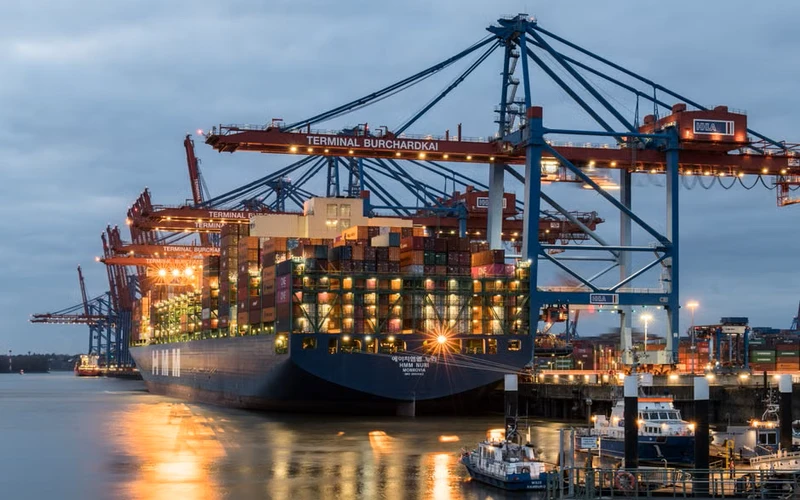
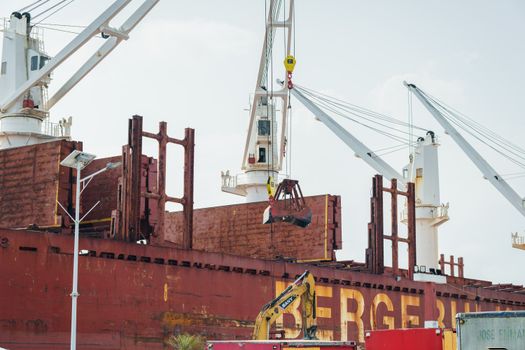
Breakbulk shipping handles cargo that will not fit into a container and cannot roll on. Oversized agricultural machinery is the classic example: combines, tractors, sprayers, balers, harvesters, and specialty implements frequently exceed standard container dimensions and carry high replacement value, which means they are lifted on and off the vessel by crane and secured on deck or in the hold. Breakbulk is also common for machines with wide footprints, tall cabs, or attached components that cannot be folded down.
Breakbulk requires more planning than RORO. Lifting points, center of gravity, and securing methods all matter, and the loading plan is often reviewed before the vessel booking is confirmed. Expect to provide precise weights and dimensions and to coordinate with the stevedores handling the lift.
Flat Racks, Open Tops, and Out-of-Gauge Containers
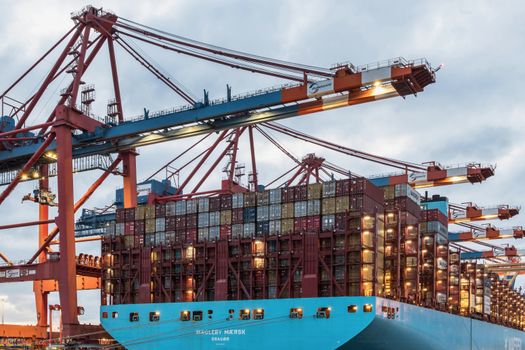
Containers are not limited to cargo that fits inside standard doors. Flat rack and open top containers handle equipment and attachments that are over height, over width, or awkward to load, and out-of-gauge cargo describes any shipment that exceeds standard container limits. This is a common route for attachments, components, and smaller machines that can be lashed to a platform, and it gives the cargo more protection from weather and handling than an open deck.
Out-of-gauge shipments need to be declared accurately. A unit that is described as standard container cargo but actually overhangs the frame will cause problems at the terminal, and those problems cost time and money at the worst possible moment.
Air Freight for Smaller Pieces
Air freight is worth considering for parts, attachments, and smaller components that are easy to crate and need to move quickly. It rarely makes sense for a full machine, since weight and volume drive the cost, but it can be a practical fix when a buyer needs a replacement component fast or when a small attachment is the last piece of an otherwise complete shipment.
| Method | Best suited for | What to plan for |
|---|---|---|
| RORO | Wheeled and tracked machines that can be driven or towed on and off the vessel | Machine must run and be delivered to port on schedule; loose parts ship separately |
| Breakbulk | Oversized equipment that will not fit a container, including large agricultural machines | Crane lifts, lifting points, securing plan, exact dimensions and weights |
| Flat rack, open top, and out-of-gauge container | Attachments, components, and equipment that is over height or over width | Accurate declaration of overhang and lashing so the terminal is not surprised |
| Air freight | Small, crated parts and attachments moving on a tight schedule | Volume and weight limits rather than machine size are the deciding factors |
Documentation and Customs Clearance
Paperwork is where international shipping separates itself from domestic hauling. Cross-border shipments involve customs regulations and a document set that has to match the cargo exactly, and a mismatch between what is on the page and what is on the trailer can hold a machine at the port for days. Customs clearance is not a formality you handle after the vessel sails.
Freight providers that specialize in equipment offer international shipping solutions via air and ocean freight and assist with required documentation, customs clearance, and the rest of the export process. That assistance is valuable because the required documents vary by destination country, by equipment type, and by the terms of the sale. Rather than guessing, request a document checklist for your specific destination from the forwarder and confirm anything ambiguous with the relevant customs authority.
Getting the Details Right
Every document that describes the machine needs to agree with every other document. Serial numbers, model year, hours, dimensions, weight, and value should be identical across the invoice, the packing list, and the booking. Attachments that ship separately should appear as separate line items rather than being folded into the machine description.
Value is a frequent point of friction. Customs officials want to see a declared value that reflects the actual transaction, and undervaluing equipment to reduce duties is a short-term move with long-term consequences. Report the sale price honestly and keep supporting records on file.
Terms of Sale and Who Handles What
Before freight is booked, the buyer and seller should agree in writing on who arranges inland transport to the port, who pays the ocean freight, who handles customs at each end, and who owns the machine if something goes wrong in transit. Exporters commonly work from standard international trade terms for this, but the specific term has to be chosen deliberately and understood by both parties.
If any of that is unclear, ask the freight forwarder to explain the options before signing anything. Misunderstanding who clears customs at the destination is one of the most common and most expensive mistakes in equipment exporting, because the machine can sit at port accruing storage charges while two parties point at each other.
Permits and Compliance
Permits vary by country, by equipment category, and sometimes by the condition of the machine. The freight professionals who handle heavy machinery overseas regularly cite permits alongside methods, costs, and documentation as core parts of the process, which tells you they are not an afterthought. Ask your forwarder which permits apply to your specific machine and destination, and start that conversation early rather than the week the vessel is due to load.
Used equipment can also raise questions about emissions standards, safety requirements, or import restrictions in the destination market. Requirements change, so verify current rules with the destination country's customs or trade authority rather than relying on what worked a few years ago. If a machine cannot legally be imported, you want to find out before it is on the water.
Planning the Timeline and Delivery Date
When shipping heavy equipment internationally, determining the desired delivery date and planning the shipment carefully comes first. Work backward from the date the buyer needs the machine: subtract transit time, port handling, customs clearance, inland transport at both ends, and the pickup window at origin. What remains is how much slack you have, and it is usually less than expected.
Two timing traps catch sellers repeatedly. The first is booking freight before the machine is actually ready to move. The second is promising a delivery date before a vessel schedule has been confirmed. Both create pressure that leads to rushed loading, incomplete paperwork, and storage charges. Build in buffer, communicate the buffer to the buyer, and treat scheduling as part of the sale rather than an administrative detail.
Port and Destination Considerations
Not every port handles every type of cargo, and not every destination has the equipment needed to unload what you are sending. A machine that rolls off a vessel is straightforward. A breakbulk machine needs a crane and a receiving site with room to set it down. Confirm that the destination port and the buyer's inland carrier can handle the machine before you commit to a routing.
What Sellers Should Do Before the Machine Leaves the Yard
Selling used equipment overseas is as much a relationship business as a logistics one. Exporters who do it successfully tend to follow a similar playbook, and it starts well before the freight booking.
Build Relationships in the Destination Market
Repeat buyers are the foundation of profitable exporting. Foster and develop relationships with dealers, contractors, and importers in the markets you serve, and treat each transaction as the start of a longer working relationship rather than a one-time sale. Buyers who trust you will come back, refer others, and give you more flexibility on timing and terms than a stranger shopping strictly on price.
Set Aside Resources for Exporting
Exporting takes more time, attention, and money than a local sale. Set aside resources specific to exporting, including staff hours for documentation, communication across time zones, and coordination with forwarders and ports. Businesses that treat international sales as a side task on top of an already full schedule tend to make mistakes in exactly the places that cost the most.
Be Fully Transparent
Be transparent about condition, hours, repairs, and anything a buyer might discover on arrival. Detailed photos, walkaround video, and honest descriptions reduce disputes because the buyer knows what is landing at the port. Transparency also protects your reputation in markets where word travels between a limited number of dealers. A single misrepresented machine can close a market for years.
Start With Lower-Risk Transactions
Start with a low-level risk when entering a new market or new shipping lane. Ship a smaller machine, a boxed attachment, or a unit with a straightforward loading profile before committing to a complex breakbulk move with a first-time buyer. Each completed shipment teaches you something about the destination's customs process, port handling, and payment expectations that no amount of research replaces.
Buying Used Equipment Overseas: The Importer's Side
Many overseas buyers purchase used high and heavy construction equipment in the United States through auction sites such as Ritchie Brothers, Iron Planet, and Machinery Trader, where excavators, bulldozers, wheel loaders, forklifts, road pavers, scrapers, and similar machines sell regularly. Buying the machine is only the first step of the import and export process.
From that point forward, an importer needs inland transport to the port, a shipping booking, export documentation, and a plan for clearing customs at home. Buyers who arrange those pieces before the auction closes avoid the scramble that comes with a machine sitting in an auction yard and a payment deadline approaching. Hiring a freight provider that handles equipment specifically makes the sequence far easier to manage.
Inspection, Photos, and Condition Records
Inspection records do double duty. They help sell the machine, and they protect you if a dispute arises after delivery. Photograph the unit from all four sides plus the cab, engine compartment, undercarriage, and any known damage. Film a cold start and a short operating video if the machine runs. Note hour meter readings and any recent repairs.
For higher-value machines, a third-party inspection adds credibility with overseas buyers who cannot easily visit your yard. Whatever inspection documentation you produce, keep a copy with the shipment file so you can produce it later if customs or the buyer asks questions.
Loading, Securing, and Handling at Both Ends
Careful handling from origin pickup to overseas discharge is what protects both the machine and the transaction. Inland transport to the port is its own step, and it often requires heavy haul equipment sized for the machine rather than a standard trailer. Coordinate the pickup so the transport arrives when the machine is ready, fueled appropriately, and free of loose material.
At the port, loading and securing are handled by the terminal and stevedores, but the quality of that work depends on the information you provided. Accurate weights, correct lifting points, and a clear description of any overhang give the loading crew what they need to do the job safely. Loose attachments that were supposed to ship separately but arrived on the machine create real hazards.
At the destination, somebody has to receive the machine, clear it through customs, and move it inland. Confirm that plan with the buyer before sailing. A machine that arrives with no receiver can sit at port accruing charges while everyone sorts out responsibility, which is exactly the scenario that turns a good sale into a loss.
Insurance and Risk Management
Ask your freight provider what coverage is available for the shipment and what it does and does not include. Ocean transit carries risks that inland hauling does not, and the limits and exclusions matter more than the headline coverage. Confirm whether the policy covers the machine at replacement value and whether attachments traveling separately are included.
Document the machine's condition thoroughly before loading. Clear photographs and inspection notes taken at origin are the foundation of any claim, and they are much harder to assemble after the fact. Keep the paperwork together in one file from booking through delivery.
Common Mistakes to Avoid
- Booking freight before the machine's dimensions, weight, and running condition are confirmed.
- Leaving customs responsibility undefined at the destination.
- Describing over-height or over-width cargo as standard container freight.
- Promising a delivery date before a vessel schedule exists.
- Failing to account for storage charges if documents are incomplete on arrival.
- Sending loose attachments without a plan for how they will be secured or shipped.
- Understating value or condition, which creates problems with customs and with the buyer.
- Treating a first export as a routine domestic haul.
Working With an Equipment Shipping Specialist
General freight experience is not the same as equipment experience. A provider that handles machinery regularly knows how machines are loaded, what documentation destinations expect, and where shipments commonly stall. Look for a forwarder that offers international shipping for equipment via air and ocean freight and that assists with required documentation and customs clearance.
Ask direct questions before you commit. Which method do you recommend for this machine and why? What documents do you need from me? Who clears customs at each end? What happens if the vessel is delayed? A provider that answers those questions clearly is worth more than one that simply quotes a lower number.
Selling Used Equipment Through a Marketplace
Getting the machine in front of the right buyer is the other half of the export equation. Ironmartonline is a web-based marketplace that connects buyers and sellers of used heavy equipment, trucks, and machinery. Sellers list across nine platforms to reach millions of potential buyers, with no contracts or hidden fees.
The inventory spans construction, forestry, aggregate, paving, and utility categories: excavators, wheel loaders, dozers, motor graders, backhoes, forklifts, dump trucks, trailers, crushers, screeners, pavers, rollers, trenchers, forestry chippers, feller bunchers, log skidders, and tub grinders, along with brand-specific listings such as used Caterpillar equipment. Financing options are available for buyers. For an exporter, that reach matters, because international sales begin with finding a buyer who is ready to handle a cross-border shipment.
Frequently Asked Questions
What is the most common way to ship used equipment internationally?
Roll-on/roll-off service is widely considered the best and most commonly used option for heavy equipment moving internationally. The machine is driven or towed onto the vessel and driven off at the destination, which avoids crane lifts. It works best for equipment that runs and steers reliably, since the unit has to move under its own power at both ports.
Do I need a freight forwarder to export used equipment?
You are not legally required to use one, but the process involves customs regulations, documentation, and coordination that most sellers cannot manage alone. Equipment shipping specialists handle air and ocean freight and assist with required documentation and customs clearance. Their main value is knowing what each destination expects before the machine sails rather than after it arrives.
How far in advance should I plan an international equipment shipment?
Start by determining the desired delivery date, then work backward through transit time, customs clearance, port handling, and inland transport. Book freight only after dimensions, weight, and running condition are confirmed. Beginning the planning process before you finalize the sale, rather than after, gives you room to absorb delays without breaking a promise to the buyer.
Can attachments and boxed parts ship the same way as the machine?
They can ship internationally, but often by a different method. Full-size machines typically move by RORO or breakbulk, while boxed attachments, buckets, and components frequently travel in flat rack, open top, or out-of-gauge containers, or by air freight if speed matters. Declaring each piece separately on the documentation prevents confusion at the terminal and at customs.
What documents does customs require for used equipment?
Requirements vary by destination country, equipment type, and the terms of the sale, so there is no single universal list. Ask your freight provider for the exact document checklist for your shipment, and confirm anything ambiguous with the destination country's customs or trade authority. Keeping serial numbers, dimensions, weights, and declared values consistent across every document prevents most clearance delays.