
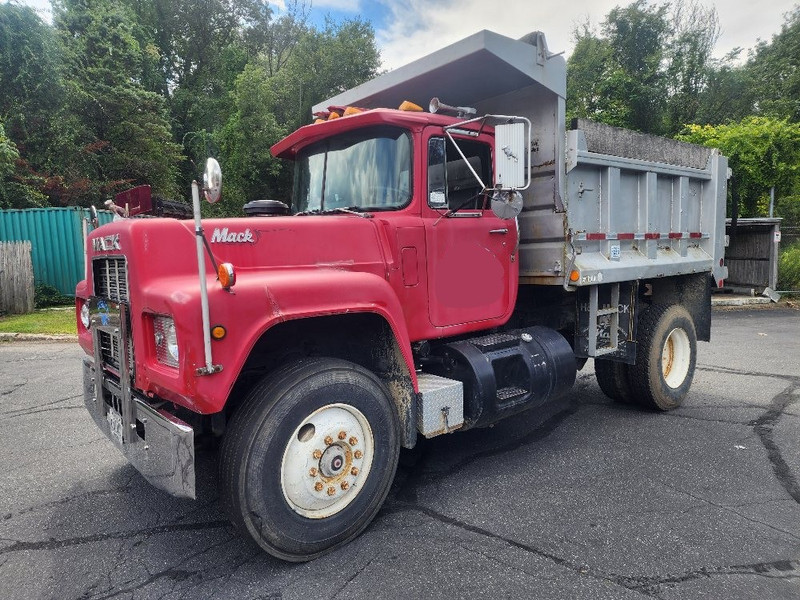
How to Spot a Reputable Seller for a Classic Mack R Model
Quick answer: Vet a Mack R Model seller by checking for verifiable maintenance records, clear title documentation, detailed photos of the engine and undercarriage components, a physical business address, and willingness to allow a pre-purchase inspection. Walk away from listings with vague condition claims, no VIN, or sellers who refuse an in-person or third-party inspection.
The vintage Mack truck market runs on trust — and that's exactly what makes it dangerous. A Mack R Model from the 1970s or 80s doesn't come with a CarFax report. There's no dealer warranty, no factory recall list, no easy way to confirm what a seller tells you. You're relying almost entirely on their word, their photos, and their paperwork.
That's where buyers get burned. A seller posts a clean-looking photo, writes "runs great," and collects a deposit before you've ever turned a wrench or heard the engine fire. By the time you find the rust hiding under fresh undercoating or the transmission that grinds on every shift, your money's gone and the seller's phone number doesn't work anymore.
This guide breaks down exactly how to separate a reputable Mack R Model seller from a risk you can't afford to take — what to ask for, what red flags to watch, and how to verify claims before you wire a dollar.
What makes a Mack truck seller trustworthy?
A trustworthy seller backs up every claim with proof. Not adjectives — documents, photos, and access.
Specifically, look for:
- A complete VIN and title in hand. The seller should provide the full VIN unprompted, not after three follow-up messages. Run it yourself through a title-check service if the truck is newer than 1981 (when the 17-digit VIN format became standard — older Mack R Models may use a shorter manufacturer-specific identifier, which the seller should still be able to explain and document).
- Maintenance records, not just claims. A logbook, receipts, or a shop invoice history tells you more than any sentence the seller writes. A Mack R Model with 15 years of oil change receipts and documented engine rebuilds is a safer bet than one described only as "well maintained."
- Specific engine and drivetrain details. Reputable sellers name the exact engine — Mack ENDT676, E6, or Maxidyne, for example — along with horsepower, transmission type (Maxitorque or manual), and rear axle configuration. Vague listings that just say "strong engine, runs good" are a signal to ask more questions, not a reason to trust less.
- Unedited photos of the undercarriage, frame rails, and engine bay. Rust hides in frame rails and around the cab mounts first. A seller with nothing to hide will send you a dozen photos from underneath the truck without being asked twice.
- A real location and a willingness to meet in person. Scammers price trucks below market and insist on remote-only transactions — wire transfers, shipping before payment clears, "my agent will handle pickup." A legitimate seller has a shop, a yard, or a home address where you can see the truck running.
How do you verify a seller's claims before you buy a Mack R Model?
Treat every listing claim as unverified until you can confirm it independently. Here's the verification sequence that protects your money:
- Request the VIN and run a title check. Confirm the truck isn't salvage-titled, isn't reported stolen, and that the seller's name matches the title. A mismatch between the seller and the titleholder is one of the clearest fraud indicators in used truck sales.
- Ask for maintenance records by date, not by description. "Full records available" means nothing until you see them. Ask the seller to send photos of actual receipts or a logbook page.
- Schedule a video call showing the engine running. A seller who can't start the truck on camera, or who stalls with excuses about the battery or weather, is telling you something important.
- Hire a third-party inspection if you can't see it yourself. Diesel mechanics who specialize in heavy trucks will check compression, inspect the frame for cracks, and assess the transmission and clutch for roughly $150–$400, depending on your region. That's a small cost against a truck that could sell for $15,000–$40,000 depending on condition and configuration.
- Confirm payment terms match normal transaction patterns. Reputable sellers accept escrow services, cashier's checks verified through the issuing bank, or in-person cash exchanges. Any seller who pressures you toward wire transfers to an individual account, especially before you've seen the truck, is a hard pass.
What are the biggest red flags when buying a Mack R Model online?
The fastest way to lose money on a classic Mack is to ignore a pattern you already noticed. Watch for these warning signs:
- Price significantly below market for the stated condition. A Mack R Model listed well under comparable trucks with similar mileage and configuration usually means something's wrong that photos don't show, or the listing itself is fraudulent.
- Stock photos or images that don't match the described VIN or location. Reverse-image search any listing photo that looks professionally staged or generic.
- Urgency language — "selling today," "another buyer is interested," "must sell by Friday." Pressure tactics exist to stop you from doing the verification steps above.
- Refusal to allow a third-party inspection. A seller who won't let a mechanic you choose look at the truck is telling you the truck won't pass one.
- Communication only through text or email, no phone calls. Scammers avoid voice contact because it's harder to maintain a false identity in real time.
- No business history or reviews, even for dealers claiming years in the industry. Check Better Business Bureau records, Google reviews, and heavy equipment marketplace seller ratings before sending any deposit.
Why does seller reputation matter more for a Mack R Model than for a modern truck?
A modern commercial truck typically has a traceable service history, available recall data, and a resale market where private parties compete with franchised dealers. A Mack R Model, often 30 to 50 years old, has none of that infrastructure. There's no centralized recall database for a truck built in 1979. There's no manufacturer warranty to check. The seller's integrity and record-keeping are often the only verification tools available to you.
This is why the specificity principle matters so much in vintage heavy truck sales. A seller who can tell you the exact year the engine was rebuilt, name the shop that did the work, and produce a receipt is operating in a completely different category of trustworthiness than a seller who says "it's a good old truck, runs fine."
What should you do before sending any deposit?
Confirm these five things, in order, before money changes hands:
- The VIN matches the title, and the title matches the seller's identification.
- Maintenance records are dated, itemized, and consistent with the truck's stated history.
- You've seen the engine running on video or in person — not in a static photo.
- A mechanic you hired, not the seller's mechanic, has inspected the truck.
- Payment terms protect you — escrow, verified cashier's check, or in-person cash — with no pressure to wire funds before pickup.
If a seller resists any one of these five steps, treat that resistance as your answer.
Buy the truck, not the story
A reputable Mack R Model seller gives you more information than you ask for — documents, photos, access, and time to verify. A seller trying to move a problem truck gives you urgency, vague descriptions, and reasons why you can't inspect it yourself.
The classic Mack market rewards patient buyers. Run the VIN, request the records, hire the inspection, and only send money once every claim checks out. A few hours of verification work is a small price against a five-figure mistake.
Frequently Asked Questions
How much should a pre-purchase inspection on a Mack R Model cost?
A diesel mechanic specializing in heavy trucks typically charges $150–$400 for a pre-purchase inspection, covering compression testing, frame inspection, and a drivetrain assessment. Confirm pricing and scope before scheduling.
What's the biggest risk when buying a Mack R Model sight unseen?
The biggest risk is paying for undisclosed frame or engine damage that photos can't reveal, particularly rust in frame rails or a worn transmission that only shows up under load. A third-party inspection is the primary defense against this risk.
Can you trust a Mack R Model listing with no VIN provided?
No. A seller who won't provide a VIN upfront, or who provides one that doesn't match the title, should be treated as a disqualifying red flag, not a minor inconvenience.
Are vintage Mack trucks a good investment compared to modern used trucks?
It depends on your use case. Choose a vintage Mack R Model if you value mechanical simplicity, parts availability through the enthusiast community, and a lower upfront cost. Choose a modern used truck if you need emissions compliance, warranty coverage, or lower immediate maintenance risk.
What payment method is safest when buying from a private seller?
Escrow services built for vehicle transactions and verified cashier's checks confirmed directly with the issuing bank are the safest options. Avoid wire transfers to individual accounts before you've inspected the truck in person.