
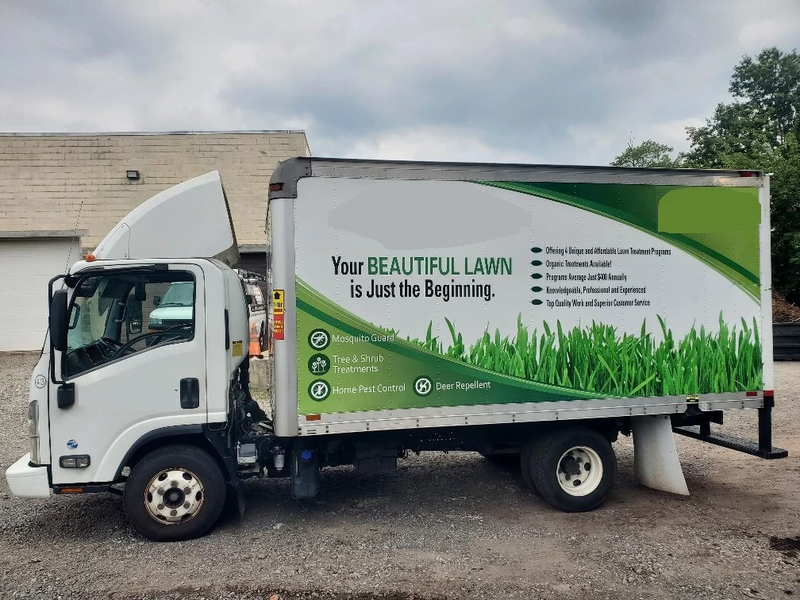
Landscape Application Truck: Uses, Job Roles, and Buying Tips
A landscape application truck is a hard-working vehicle that landscape crews rely on to move bulk materials and keep projects moving. These trucks carry products such as mulch, soil, and other landscape materials to industrial, commercial, and public properties, and in many cases they place those materials directly where they are needed. The truck is only part of the equation. Companies also need an operator who can drive safely, run commercial equipment, and support the maintenance team once the load arrives. For businesses that maintain grounds, deliver materials to customers, or handle seasonal work, the landscape application truck is one of the most useful tools in the fleet.
See ISUZU NPR Landscape Application Box Truck or GMC 4500 Box Truck - 14ft. Fully Equipped Landscape Application Truck for examples on this site.
What Does a Landscape Application Truck Do?
At its core, a landscape application truck transports materials to a job site so that landscape crews do not have to handle everything by hand. The simplest versions perform the same job as a standard hauling vehicle: they carry a load of material to a customer or crew and make it easy to unload. Dump-style configurations are common for this type of work. Companies that provide bulk landscape products use these trucks to deliver material directly to clients.
Other landscape application trucks do more than haul. Some are equipped with powered blower systems that move material into place with a stream of air. Applied Mulch & Soil, for example, provides material placement using a fleet of Express Blower trucks. The company uses them to install landscape mulch and other materials across job sites. This approach allows crews to place material in planting beds and other areas without having to spread it entirely by shovel and rake. The same truck that brings the product to the property also handles the application phase of the work.
The variety of duties shows up in hiring patterns across the landscaping industry. Job boards list landscape truck driver openings in large numbers, and the descriptions give a useful picture of what these vehicles are expected to do. A common posting describes the driver as someone who provides landscape maintenance support to industrial, commercial, and public properties. That can mean delivering materials, hauling debris away from a site, or moving equipment and supplies for the crew. Some roles are more specialized, such as a commercial truck driver who works mainly as a material transporter for a landscape company. Others are delivery positions where the driver hauls landscape materials to customers throughout the day.
Where Landscape Application Trucks Are Used
Landscape application trucks appear in almost every segment of the outdoor maintenance industry. Large national landscape companies use them to support maintenance crews at multiple properties. Postings from BrightView Landscapes, a company with locations in Florida, Arizona, and other states, describe truck driver roles that combine driving with hands-on landscape maintenance work. Employees in those positions maintain landscapes for various properties while using commercial equipment, and the truck becomes a mobile base for the workday.
Regional companies depend on the same type of vehicle. La Rosa Landscape Company, a landscape design, construction, and maintenance firm based in Southeast Wisconsin for more than 30 years, has hired commercial truck drivers to work as material transporters. Those drivers keep material moving between the company yard and its active projects. In other cases, the truck is tied directly to a material supply business that serves both contractors and individual customers. A dump truck driver posting from B&W Landscape And Patio Supply in Clinton Township, Michigan, centered on delivering landscape materials to customers, a task that requires a reliable truck and a careful driver.
Landscape supply companies also run large fleets of delivery trucks. SiteOne Landscape Supply, a major supplier of landscape products, offers a wide range of career opportunities spanning sales, customer service, supply chain, operations, and management. Drivers are an important part of that operation because they move materials from the supply yard to the job sites where contractors are waiting. In every one of these settings, the landscape application truck is the bridge between the supplier or the maintenance yard and the property that needs attention.
Seasonal and Specialty Work
Many landscape application trucks do not sit idle when the growing season slows down. The same vehicle that hauls mulch in the spring can be fitted for snow and ice work in the winter. Lawn and landscape companies in colder regions regularly hire drivers for snow plowing and salt spreading. Teddy’s Lawn & Landscape, for example, has advertised for a Snow Plow & Salt Truck Driver, a role that lets employees build on their driving and landscape maintenance skills during the winter months.
This seasonal flexibility is one reason landscape businesses treat trucks as long-term assets rather than single-purpose tools. A truck that supports landscape maintenance crews in the warm months can earn its keep through the winter by clearing parking lots, plowing driveways, and spreading salt. For the driver, it also means steadier work through the year. Job seekers who can operate a truck, attach a trailer, and handle commercial equipment are better positioned for these year-round opportunities.
What Kind of Driver Operates a Landscape Application Truck?
The people who operate landscape application trucks come from two main backgrounds. Some are landscape crew members who also drive, meaning they spend part of the day behind the wheel and part of the day performing landscape maintenance. Job postings for roles like Landscaper / Truck Driver describe exactly that combination. The employee drives a truck, maintains landscapes at various properties, and uses commercial equipment to get the work done.
Other operators are dedicated drivers whose main responsibility is moving materials safely and on time. A commercial truck driver working as a material transporter might spend most of the day loading, securing, and delivering products while the landscape crew handles the installation. Both types of workers need a valid driver’s license, and many employers ask for lawn care experience even when the primary duty is driving. The ability to operate trucks, trailers, and landscape equipment safely appears again and again in job descriptions, and it is a good summary of what the position demands.
Licensing requirements vary by employer and by vehicle. Some landscape truck driving jobs do not require a commercial driver’s license because the trucks fall below the weight threshold. Others clearly do. A dump truck driver position posted by B&W Landscape And Patio Supply asked for a minimum CDL B and stated that a CDL A was preferred. Anyone considering a career in this field should review each posting carefully, since the truck size, the trailer configuration, and the state where the work is performed all affect the license that is required.
Pay and Working Conditions in Landscape Trucking
Compensation for landscape application truck work varies by market, experience level, and the type of vehicle being driven. The pay data available in job listings gives a general sense of what employers are offering. An individual posting for a dump truck driver delivering landscape materials listed estimated pay of $18.50 to $24 per hour. Aggregated job board results for landscaping truck driver openings in the Detroit area showed advertised ranges from about $18 to $43 per hour, depending on the position and qualifications.
Entry-level landscape truck driver jobs advertised on national job boards frequently fall between $19 and $24 per hour, while some roles in higher-cost markets or with larger equipment command more. A posting from an employer in the Fort Myers, Florida area listed a pay range for a Truck Driver/Landscape position, and similar roles in Tucson, Arizona and Las Vegas, Nevada were advertised with comparable responsibilities. The common thread is that drivers are paid for more than just their time behind the wheel. They are expected to load and secure materials, assist with landscape maintenance, and represent the company when they arrive at a property.
Body Styles and Equipment Options
When a landscape company goes shopping for a truck, the first question is usually about the body style. Standard dump trucks are popular for material delivery because they allow the driver to raise the bed and unload quickly at a customer’s site. That design works well for crushed stone, soil, sand, and other materials that flow easily out of a raised bed. For customers who need a pile placed in a driveway or staging area, the dump truck is often the fastest option.
Blower trucks take a different approach. Instead of dumping the whole load in one spot, the operator uses a powered air system to move material through a hose and place it precisely in the landscape. Express Blower trucks are one example of this equipment class, and they are used to install material such as landscape mulch without heavy manual labor. The operator stands at the discharge point and directs the material exactly where it should go. This makes the truck a good match for large planting beds, erosion control areas, and sites where a loader and wheelbarrow would be inefficient.
Many landscape operations also rely on trucks that pull trailers. Job descriptions regularly mention trailers because crews use them to carry mowers, blowers, and other equipment from one property to the next. A truck that is used mainly for towing will have different requirements than one that hauls heavy bulk loads every day. Buyers should think about the full range of work the vehicle will handle before settling on a configuration.
Buying a Used Landscape Application Truck
Landscape application trucks are significant investments, which is why many businesses buy used equipment instead of new. A well-maintained used truck can handle years of material delivery and maintenance work at a much lower purchase price. Before buying, a landscaping company should consider the type of material it handles most often, the distances the truck will travel, and whether the truck needs integrated application equipment. A truck that simply delivers materials has different requirements than one that blows mulch into planting beds.
Condition matters more than age when evaluating a used truck. Buyers should review the maintenance history and look closely at the bed, the hydraulic system, and the condition of any application equipment mounted on the chassis. Trucks used for salt spreading in winter require extra attention to rust and corrosion. Trucks that have spent most of their time hauling mulch may show heavy wear in the bed and tailgate area. A thorough inspection before purchase can prevent costly repairs after the sale.
Using an Online Marketplace to Buy or Sell
Buyers and sellers of landscape application trucks have more options than ever thanks to online equipment marketplaces. Ironmartonline is a web-based marketplace that connects buyers and sellers of used heavy equipment, trucks, and machinery. Sellers list their equipment across nine platforms, giving their machines exposure to a large audience of potential buyers. The service operates without contracts or hidden fees, which makes it straightforward for a landscape company to list a truck that is no longer needed.
For buyers, online listings make it possible to compare trucks, prices, and condition across a wide geographic area without visiting every seller in person. Financing options are available for qualified buyers, which can help a growing landscape business add a truck without paying the full purchase price upfront. Whether buying or selling, the key is to use clear descriptions, accurate photos, and honest condition reports so both sides know exactly what is being offered.
Frequently Asked Questions
What is a landscape application truck?
A landscape application truck is a vehicle used by landscape professionals to transport bulk materials such as mulch and soil to a job site and, in many cases, place them where they are needed. Some trucks use a dump body to unload materials quickly, while others are equipped with blower systems that direct material into planting beds and other areas. These trucks support landscape maintenance on commercial, industrial, and public properties.
Do you need a CDL to drive a landscape application truck?
Not every position requires a commercial driver’s license, but many do. One dump truck driver job delivering landscape materials asked for a CDL B minimum with a CDL A preferred. Other postings simply require a valid driver’s license and experience operating trucks, trailers, and landscape equipment safely. Since requirements depend on truck size, trailer setup, and location, drivers should verify the rules that apply to each specific job.
What materials can a landscape application truck carry?
Landscape application trucks handle many of the bulk materials used in outdoor projects. Company postings describe deliveries of landscape materials to customers, installation of landscape mulch and soil using Express Blower trucks, and seasonal work such as spreading salt for snow and ice control. The exact materials depend on the truck configuration, the time of year, and the services a landscape company offers.
What kind of companies hire landscape truck drivers?
Landscape maintenance firms, landscape supply companies, and material placement businesses all hire drivers for these trucks. Postings referenced employers such as BrightView Landscapes, La Rosa Landscape Company, SiteOne Landscape Supply, and Applied Mulch & Soil. Job duties range from delivering materials to customers to supporting maintenance crews at industrial, commercial, and public properties, so the right fit depends on each driver’s skills and preferences.
A landscape application truck earns its place in a fleet by combining transportation muscle with the ability to support active maintenance work. Whether it is a dump truck delivering material to a customer, a blower truck placing mulch across a large bed, or a truck fitted for winter salt spreading, the vehicle has to be reliable and the driver has to be skilled. Businesses that understand how these trucks are used, what they cost to operate, and how to evaluate used options will make smarter purchasing decisions and keep their landscape projects on schedule.