
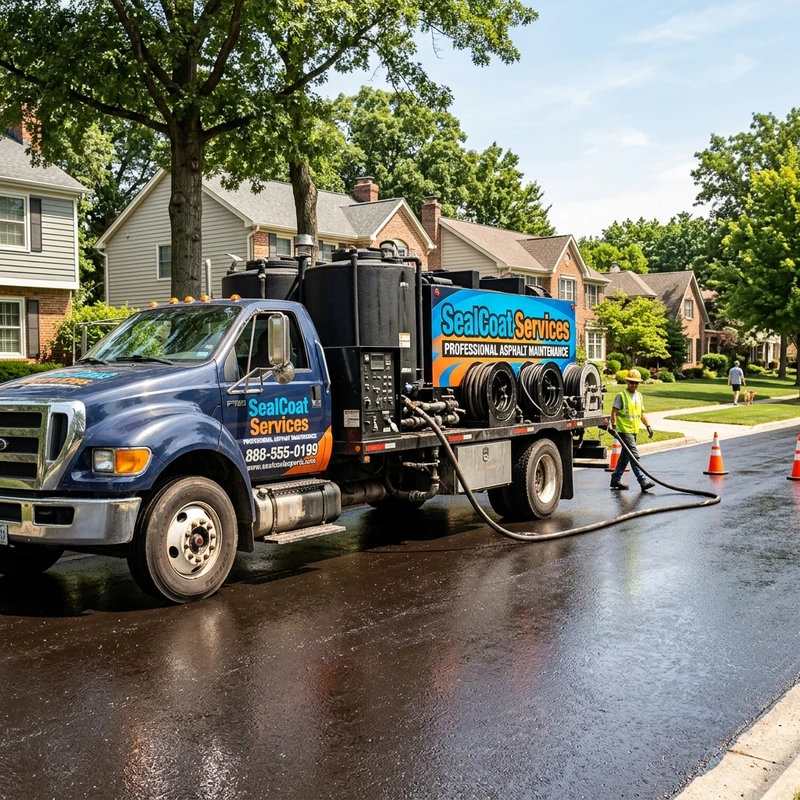
What to Know Before You Buy a Sealcoat Truck
Quick answer: A sealcoat truck is a specialized piece of paving equipment used to apply protective sealant to asphalt surfaces. Buying the right one depends on tank capacity, spray system type, engine condition, and whether the unit matches your job volume. The wrong purchase costs you more in repairs and downtime than you saved on the sticker price.
Sealcoating is a high-margin service. The materials are relatively cheap, the labor is manageable, and the demand—from parking lot owners, municipalities, and property managers—is consistent. The machine you use to deliver that service determines how efficiently you can run jobs, how many square feet you cover per day, and how often you're stuck on the side of the road instead of on a job site.
Most buyers make the same mistake: they search for "sealcoat truck for sale," find one in their price range, and move fast before someone else grabs it. That approach skips the questions that actually matter. What's the tank condition? How does the spray system perform under load? What does the pump look like after years of abrasive sealant?
This guide covers what a sealcoat truck is, how the key systems work, what to inspect before you buy, and how to match a unit to your actual business needs. Read it before you make an offer.
What Is a Sealcoat Truck and How Does It Work?
A sealcoat truck is a purpose-built or converted vehicle that carries, agitates, and applies liquid asphalt sealer to pavement surfaces. The core components are a storage tank (typically mounted on a truck or trailer), an agitation system to keep the sealer mixed, a pump to move the material, and a spray bar or hose-and-wand setup for application.
Most units fall into one of two categories: spray systems and squeegee/brush systems. Spray trucks atomize sealant through nozzles across a spray bar—fast, efficient, and well-suited to large open lots. Squeegee-equipped units apply material manually or mechanically with a rubber or brush attachment, which produces a thicker, more uniform coat on rough or aged surfaces.
Some trucks carry both. That flexibility costs more upfront but expands the jobs you can take.
What tank sizes are common on sealcoat trucks?
Tank capacity typically ranges from 500 to 3,000 gallons. Here's how to think about sizing:
- 500–800 gallons: Small crews, residential driveways, tight commercial lots. Lower cost, easier to maneuver.
- 1,000–1,500 gallons: Mid-size commercial work. A practical range for most regional contractors.
- 2,000+ gallons: High-volume operations—large parking structures, municipal contracts, multi-lot commercial accounts.
Bigger tanks mean fewer refill runs. But they also mean a heavier truck, higher licensing requirements in some states, and a longer list of components that can fail. Match the tank to your typical job size, not your most optimistic scenario.
Key Systems to Evaluate on Any Used Sealcoat Truck
What should you inspect on a sealcoat truck's pump and spray system?
The pump is the highest-wear component on the truck. Sealant is abrasive. It eats seals, impellers, and diaphragms over time. A truck with a neglected pump will spray unevenly, lose pressure mid-job, or fail entirely on a hot afternoon when you're halfway through a shopping center.
Before you buy:
- Ask for the pump model and check part availability. Obscure pumps mean expensive downtime.
- Run the spray system loaded—not just with water, with actual material if possible.
- Inspect the spray bar nozzles for clogging, uneven wear, or missing tips.
- Look at hose connections for sealant buildup, cracking, or makeshift repairs.
A pump rebuild on a commercial unit runs $1,500–$4,000 depending on the system. That's not disqualifying, but it should factor into your offer.
How do you assess the condition of a sealcoat truck's tank?
The tank holds sealer—coal tar emulsion, asphalt emulsion, or water-based product. Each leaves residue. What you're looking for is structural integrity and cleanliness of the agitation system.
Check for:
- Cracks or delamination on the interior lining, especially near the agitator shaft
- Agitator blade condition—bent or missing paddles reduce mixing efficiency and lead to uneven application
- Baffles (internal dividers that prevent sloshing)—missing or damaged baffles affect stability on the road and material consistency
- Cleanout access—a well-maintained tank should have accessible cleanout ports, and the interior should show evidence of regular flushing
Hardened sealant buildup inside the tank is a red flag. It signals inconsistent maintenance and makes agitation less effective over time.
What engine and chassis factors matter most on a sealcoat truck?
The truck chassis carries everything. Engine hours, transmission condition, and the state of the undercarriage determine how long the unit stays on the road between costly repairs.
A few specifics:
- Mileage and hours: Both matter. A low-mileage truck that sat idle for two seasons may have more internal corrosion than a high-mileage unit that ran regularly.
- PTO (power take-off) condition: The PTO drives the pump and agitator on most units. A worn or slipping PTO translates directly to inconsistent performance. Ask how it engages and listen for grinding or hesitation.
- Frame condition: Look underneath. Rust, welds, or modifications around the tank mounting brackets signal previous stress or repair.
- Hydraulic system (if equipped): Some units use hydraulic drives for the spray system. Fluid condition, hose integrity, and cylinder operation all need inspection.
Request maintenance records. A 2017 unit with documented engine service and pump rebuilds tells a more honest story than a newer truck with no paperwork.
New vs. Used Sealcoat Trucks: How to Decide
New sealcoat trucks from manufacturers like Crafco, SealMaster, or Stepp start around $40,000 for entry-level units and climb well past $120,000 for fully equipped, high-volume rigs. You get a warranty, current components, and no inherited maintenance problems.
Used units in working condition typically range from $12,000 to $65,000 depending on age, tank size, and system configuration. A well-maintained used truck with verifiable service history can run for years without major investment. A poorly maintained one becomes a parts bill before the end of your first season.
The math is straightforward: a used truck saves $30,000–$80,000 upfront but carries unknown wear history. A new truck costs more but reduces the risk of early failure on commercial jobs where showing up without equipment means losing the contract.
Choose new if: You're scaling quickly, can't afford downtime, or need manufacturer support for warranty repairs.
Choose used if: You have the mechanical knowledge to evaluate condition, can absorb some repair risk, or are entering the market and need to limit initial capital outlay.
How to Match a Sealcoat Truck to Your Business Volume
Buying too much truck is a real problem. A 2,500-gallon unit costs more to insure, requires a CDL in many states, and burns more fuel on short residential routes. Buying too little truck forces you to make extra supply runs, limits your bid capacity, and pushes you out of larger commercial contracts.
Start with your current job profile:
- Average lot size in square feet
- Typical gallons-per-job based on application rate and number of coats
- Daily job count and geographic spread
A standard application rate for coal tar emulsion is 0.10–0.15 gallons per square foot for a single coat. A 20,000-square-foot lot needs roughly 2,000–3,000 gallons total across two coats. A 1,500-gallon truck handles that in one or two loads; a 500-gallon truck makes four or five runs. At scale, those refill trips are hours lost.
Build the spec list from those numbers, then shop. Don't let the truck you find dictate the jobs you take.
What to Do Before Finalizing Any Purchase
Don't close on any unit without completing these steps:
- Inspect in person. Photos hide tank interiors, undercarriage rust, and PTO issues. If you can't get there, hire a local equipment inspector.
- Run it loaded. Water tests reveal pump flow; actual sealant tests reveal spray pattern, nozzle condition, and agitator performance.
- Pull the maintenance history. Service records, pump rebuild invoices, and any warranty documentation belong in the deal.
- Price in deferred repairs. If the pump needs work, the spray bar needs new tips, or the engine is due for service, subtract those costs from your offer. Get quotes first.
- Verify title and liens. A truck with an outstanding lien transfers that problem to you at closing.
The fastest way to overpay is to skip one of those steps because the price looks right. Do all five, then negotiate.
What Are the Ongoing Costs of Operating a Sealcoat Truck?
Owning the truck is only part of the cost structure. Buyers who don't model operating costs accurately end up underbidding jobs or running thin margins.
Key ongoing expenses:
- Sealant material: Coal tar emulsion runs $1.00–$1.50 per gallon in bulk. Asphalt emulsion is typically cheaper. Water-based products vary. Material cost is your largest variable per job.
- Pump maintenance: Annual seal and impeller inspection at minimum. Budget $500–$1,500/year for routine maintenance on an active unit.
- Fuel: A loaded sealcoat truck on a diesel chassis consumes significantly more than an empty run. Factor loaded-weight fuel economy into your per-job cost.
- Insurance: Commercial vehicle insurance for a sealcoat truck typically runs $3,000–$6,000/year depending on coverage level, state, and your driving record.
- CDL requirements: Trucks over 26,001 lbs GVWR require a CDL in most states. Factor in licensing costs if you or your driver don't already hold one.
Model those numbers against your average job revenue before you finalize the purchase. The unit that looks affordable at purchase can become unprofitable at scale if the operating costs don't pencil out.
Make the Right Call on Your Next Sealcoat Truck
The sealcoating market rewards operators who show up with the right equipment and run it correctly. A well-matched, properly maintained sealcoat truck covers more square footage per day, holds up through a full season, and keeps you bidding competitively on commercial accounts.
Get the inspection done. Run the numbers. Verify the maintenance history. Then make an offer based on what the data supports—not the asking price.
Browse current sealcoat truck listings and apply what you've read here before you call a seller.
Frequently Asked Questions About Sealcoat Trucks
What is the difference between a sealcoat truck and a sealcoat trailer?
A sealcoat truck integrates the tank and spray system onto a dedicated vehicle chassis. A sealcoat trailer carries the same equipment but attaches to a separate tow vehicle. Trailers cost less upfront and are easier to swap between vehicles, but they're less maneuverable on tight commercial lots and require a capable tow vehicle rated for the loaded weight.
How long does a sealcoat truck typically last?
With consistent maintenance, a commercial-grade sealcoat truck runs 10–20 years. The pump and spray system components wear faster than the chassis and typically need rebuilding or replacement every 3–7 years depending on job volume and material type.
What type of sealant do most sealcoat trucks apply?
Most commercial sealcoat trucks are designed for coal tar emulsion or asphalt emulsion. Some newer units are purpose-built for water-based or rubberized products. Confirm compatibility before switching material types—some pumps and spray systems require modification to handle different viscosities.
Do I need a CDL to operate a sealcoat truck?
It depends on the gross vehicle weight rating (GVWR). In most U.S. states, vehicles over 26,001 lbs GVWR require a Class A or Class B CDL. A fully loaded 1,500-gallon truck can easily exceed that threshold. Check your state's DOT requirements before purchasing a unit that puts you over the limit without the right license.
What's a fair price for a used sealcoat truck in good working condition?
A used sealcoat truck in verified working condition ranges from $15,000 to $65,000 depending on tank size, age, spray system configuration, and chassis condition. Units at the lower end typically need pump work or have high mileage. Pay for an inspection before you pay for the truck.