
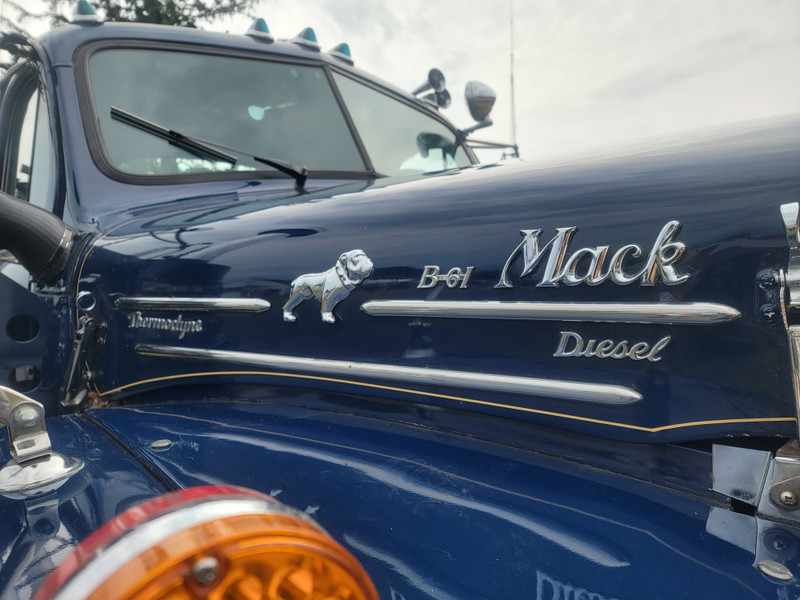
Selling a vintage truck comes down to three things: pricing it correctly, presenting it honestly, and getting it in front of the right buyers. When those pieces line up, trucks move faster and sell for stronger money. A clean presentation, solid documentation, and realistic pricing do more to attract serious buyers than hype ever will.
In this guide, we’ll walk through how to set a fair asking price, prepare your truck for sale, and choose listing channels that reach collectors, owner-operators, and commercial buyers. You’ll also learn what photos and paperwork matter most, how shipping and legal details affect deals, and how to avoid low-ball offers that waste your time.
If you want help marketing your truck beyond a single listing site, our team at IronmartOnline can handle multi-platform exposure, buyer screening, and transportation coordination - so you stay in control while your truck gets real visibility with qualified buyers.
The Vintage Trucks Market
The vintage truck market really depends on what buyers want, the condition of your truck, and how rare it is. There’s a lively scene for both pristine restorations and project trucks, with prices driven by which models are hot and their story.
Vintage Truck Sales
Classic pickups and heavy-duty trucks have picked up steam—more people want period-correct rides, whether for shows or light work. Trucks from the 1940s through the ‘80s with original beds, badges, and drivetrains usually fetch more. If you’ve got proof of history, matching numbers, and a solid restoration, you’ll sell quicker and deal with less haggling.
Online listings, auctions, and specialty brokers help get your truck in front of motivated buyers. Detailed photos, service records, and clear shipping options make a difference. Expect things to heat up in spring and early summer, and watch for bidding wars on rare models in forums and social groups.
Popular Models Among Collectors
Mack R-models, Autocar dump trucks, and International KB-11s pop up a lot among collectors. Mack B- and R-series are popular for their solid build and classic looks, while Autocar and International trucks are valued for their rarity and workhorse appeal.
Ford F-series pickups from the ‘50s to ‘70s, Chevy C/K lines, and Dodge D-series are always in demand for restoration projects. Vans and cab-overs draw buyers who want something a little different. If your truck has original parts, a cool engine, or a unique backstory, highlight that in your listing.
Regional Hotspots for Vintage Truck Sales
The Midwest and South are strongholds for vintage trucks, thanks to their farming and hauling roots. Texas, Ohio, and Pennsylvania are known for big inventories and truck shows that keep local sales moving. California and Florida attract buyers searching for show-quality restorations and lifestyle rigs.
Rural areas are gold mines for barn finds and parts trucks, while cities tend to have more restored trucks and buyers ready to pay a premium. Use targeted platforms and local transport options to reach buyers in these places. IronmartOnline’s broad reach and hauling help can connect you with distant buyers and simplify delivery.
How to Prepare Vintage Trucks for Sale
Give your truck a solid clean, gather its paperwork, and make it presentable. Fix stuff that boosts value, collect records, and do a quick inspection to catch any big red flags.
Restoration Tips and Guidance
Focus on what buyers notice: engine, brakes, tires, and looks. Fix leaks, swap out worn brakes, and service the fuel and cooling systems. If it runs rough, tune it up—maybe it’s just the carb or injectors needing love.
Don’t go overboard on restorations unless it’s a rare model or you know you’ll get the money back. Cosmetic fixes like paint touch-ups and shining up chrome help with first impressions. Stick to period-correct parts when you can; authenticity matters to buyers.
Keep receipts and photos of everything you do. Snap before-and-after pics, jot down mileage, and save shop invoices. These details help justify your price.
Documentation and Vehicle History
Start with the basics: title, registration, and any transfer paperwork. Most buyers won’t even look without a clean, transferrable title.
Gather up maintenance records, restoration receipts, and photos showing the truck’s journey. If you’ve got proof of engine work or a brake rebuild, show it off. Notes about rare parts or who owned it before help build trust.
Make a simple buyer packet—engine serials, known mods, rust or accident history, recent service dates, and shop contacts. It makes life easier for buyers and cuts down on endless questions.
Pre-Sale Inspection Checklist
Check if it’s road-ready: battery, lights, horn, brakes, steering, tires. Note tire size and tread, and swap them out if they’re sketchy.
Look over the engine and driveline: oil and coolant, exhaust smoke, transmission shifts. Check for leaks underneath and tighten or replace gaskets if needed.
Inspect the body and frame for rust, welds, or damage. Test doors, windows, gauges, and heater. Take photos of any issues and estimate repair costs so buyers know what they’re getting.
Let serious buyers arrange their own inspection if they want. It builds trust and can help close the deal—especially on pricier trucks. If you worked with a trusted heavy-equipment broker like IronmartOnline, mention it to reassure buyers.
Where to Sell Vintage Trucks
Selling a vintage truck successfully comes down to reach, presentation, and buyer quality. We focus on getting your truck in front of serious buyers, pricing it correctly, and managing the process so you stay in control from start to finish.
Our Online Marketing Approach
We market vintage trucks across multiple high-traffic platforms where collectors, owner-operators, and commercial buyers are actively searching. Every listing we create includes clear photos, VIN details, drivetrain information, condition notes, and recent service history so buyers know exactly what they are considering.
We write strong, straightforward listings that highlight pickup or shipping options, payment terms, and inspection details. By distributing your truck across multiple channels at once, we increase visibility, reduce time on market, and filter out low-quality inquiries without you having to relist or respond to time-wasters.
How We Handle Buyer Screening and Negotiations
We handle buyer communication from the first inquiry through the final offer. Every buyer is screened so you are only dealing with serious parties who understand the value of vintage trucks. We manage pricing discussions, negotiations, and next steps while keeping you informed and in control of every decision.
You keep ownership of your truck until funds are secured. There are no surprises, no pressure, and no handing your truck over before payment is verified.
Transportation and Closing Support
Once a deal is in place, we coordinate hauling and transportation based on the buyer’s location and your timeline. We help line up insured transport and make sure pickup details are clear so the transfer goes smoothly.
From marketing and buyer qualification to logistics and closing, IronmartOnline provides a clear, professional path to selling your vintage truck without the usual headaches.
Pricing Your Vintage Truck
Set a price that’s realistic for your truck’s condition, rarity, and local demand. Aim low enough to attract buyers, but leave yourself a little room to negotiate.
Factors That Impact Value
Condition is everything. A solid, rust-free body, good frame, and a running engine are worth a lot. Original parts, matching numbers, and maintenance records make collectors pay more.
Model and rarity count too. Trucks from Mack, International, or Autocar in good shape bring stronger offers than common work trucks. Year, drivetrain, and factory extras (like PTOs or heavy axles) also matter.
Location affects price. Trucks in areas with active restorers or hauling needs usually get better offers. Proof of repairs, a clean title, and maintenance records boost buyer confidence.
Using Price Guides and Comparable Sales
Look up price guides and recent sales of similar trucks. Check classifieds, auctions, and specialist sites for the same make, model, year, and condition. Adjust your price based on things like rebuilt engines or new interiors.
Make a quick comparison table—project, mid-restored, and top-restored. List prices, mileage, and any issues. It helps you back up your asking price.
Use local comps if you can. Distant buyers have to budget for shipping, which can lower their offer. If you’re using a broker or IronmartOnline, factor in their reach and services when setting your price.
Negotiation Strategies
Start with a fair price and leave a 5–15% cushion for negotiation, depending on how hot the market is. Be ready to show your records, photos, and title to back up your number.
Screen buyers early. Ask about their plans, financing, and timeline. Focus on buyers who can show they have funds—no tire-kickers.
Use small concessions to close deals. Offer a discount for quick pickup or toss in spare parts. Stay in control: lay out your non-negotiables like title transfer and payment method, and never release the truck before you have secured funds.
Marketing Vintage Trucks Successfully
Strong marketing is what brings real buyers to the table. We create clean, accurate listings, take professional-quality photos, and present your vintage truck in a way that highlights its value. Our goal is to get your truck in front of the right collectors and commercial buyers while keeping the process simple for you.
How We Create Attractive Listings
We write every listing with a clear headline that includes the year, make, model, and a key detail that sets your truck apart. Your listing begins with the features buyers care about most, such as engine type, transmission, mileage, title status, and any recent work.
We organize the information so it is easy to scan. Service history, upgrades, and known issues are listed in clean bullet points. We confirm pricing with you and present it clearly, along with notes about whether you are open to offers. We also describe how the truck can be used so buyers understand its potential, whether that is restoration, fleet use, or collecting.
We handle all communication details, including availability for viewing and shipping options. If buyers need inspections or financing support, we help coordinate that as part of the listing process.
How We Handle Photography
We take or guide high-quality photos that show your vintage truck accurately. This includes daytime exterior shots from every angle, interior views, and close-ups of key components such as the engine, frame, odometer, and tires. We remove background clutter, use consistent angles, and provide clear, high-resolution images.
We label photos when necessary so buyers know what they are looking at. A clean presentation builds trust and helps your truck rise above competing listings.
How We Highlight Unique Features
We document and present any factory options, rare parts, or upgrades that make your truck stand out. If you have original paperwork, build sheets, restoration notes, or receipts, we organize that information for the listing and reference it clearly.
We make sure buyers know what is original, what has been restored, and how each detail affects value. Collectors and operators appreciate transparency, and a well-documented vintage truck consistently attracts stronger offers.
When you list through IronmartOnline, your truck is promoted across multiple platforms and sent to our established buyer network. This brings your listing more visibility and helps connect you with serious collectors and commercial buyers who are ready to make real offers.
Ready to Sell Your Vintage Truck the Right Way?
Selling a vintage truck does not have to be complicated, time-consuming, or risky. With the right pricing, proper presentation, and access to serious buyers, you can move your truck with confidence and protect its value. The key is having a process that filters out time-wasters, avoids low offers, and keeps you in control from the first inquiry to final payment.
At IronmartOnline, we handle the work that matters most. We market your vintage truck across multiple platforms, screen buyers, manage negotiations, and coordinate transportation when it is time to close. You keep ownership until funds are secured, and you stay informed every step of the way. No hidden fees. No pressure. No surprises.
If you are ready to find out what your vintage truck is worth and put it in front of qualified buyers, reach out today. A clear plan and the right exposure can make all the difference in getting your truck sold smoothly and for the right price.
Frequently Asked Questions
Here you’ll find practical answers about buying, selling, and checking vintage trucks—specific tips on where to look, what to inspect, and what papers to check.
What tips should I consider when buying a vintage truck?
First, decide what you want: daily driver, showpiece, or a project for parts. That choice sets your budget, repair expectations, and search focus.
Look for rust on the frame, floors, and cab corners—structural rust means big repair bills.
Check if the engine and transmission are original. Matching numbers boost value; swaps and rebuilds change what you’ll need for maintenance.
Ask for maintenance records and receipts for recent work—especially brakes, fuel, and cooling. Honest sellers usually have them.
Where can I find affordable vintage trucks for sale?
Try local classifieds and niche heavy-equipment sites for deals. Smaller markets sometimes hide gems.
Auctions and estate sales can turn up project trucks at a discount, but be ready to handle repairs and shipping.
Specialized truck marketplaces list show trucks and cab-and-chassis models. IronmartOnline has a wide range of older trucks and can get your listing in front of more buyers.
How can I evaluate the condition of an old truck before purchasing?
Start with a walkaround: check body lines, paint bubbles, and welds—these hint at past accidents or rust repairs.
Fire up the engine and listen for odd noises. Pay attention to smoke: blue means oil, white signals coolant, black is too much fuel.
Look underneath for frame damage, leaks, and worn suspension. Push on steering and suspension parts to check for play.
Bring a mechanic or a friend who knows trucks for a test drive. They’ll catch drivetrain or brake issues you might overlook.
What are the best online platforms to buy or sell vintage trucks?
Use major equipment marketplaces—they attract buyers who know trucks.
Check out forums and Facebook groups for leads and part swaps. These communities can offer real advice and trusted sellers.
List your truck on several platforms for more exposure and better offers. The more eyes, the better your chances.
Are there any common issues to be aware of when dealing with vintage trucks?
Rust on frames, cab mounts, and beds is everywhere—and expensive to fix. Always check these spots.
Brakes, old fuel lines, and rubber parts usually need replacement. Plan to budget for hoses, seals, and brake work.
Electrical gremlins pop up a lot—corroded connectors and patched wiring are common. Test all lights, gauges, and starter circuits.
Parts for rare models can be tough to find. Make sure you can get what you need before you commit to something really obscure.
What documentation should I check when buying a vintage truck privately?
Start by making sure the title is clear and actually lists the seller’s name. Double-check that the VIN, year, and model on the title match the truck in front of you—sometimes folks overlook that, but it matters.
Ask if they’ve got maintenance records, receipts, or any paperwork from restorations. Even a shoebox of old invoices can give you a sense of how well the truck’s been cared for, or what might need attention soon.
Get a bill of sale and jot down a simple written agreement about the truck’s condition and any included parts. It doesn’t have to be fancy, but having something in writing protects both sides. IronmartOnline always recommends it, honestly.
Don’t forget to look for liens or salvage branding on the title. If there’s a salvage brand or an active lien, it can really complicate things—sometimes even make the deal not worth it.