
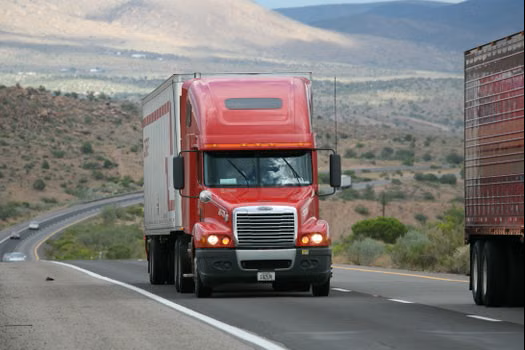
Sleeper Tractors: A Buyer's Guide for Long-Haul Trucks
Sleeper tractors are built around a simple idea: the truck needs a place for the driver to rest. A sleeper tractor pairs a tractor unit with a sleeper cab, a compartment attached behind the cabin and used for rest or sleeping. That added space shapes how the truck is specified, priced, and used. For buyers shopping used or new inventory, knowing the basic layout and the questions to ask can make the search much more efficient.
What Is a Sleeper Tractor?
A sleeper tractor is a tractor unit fitted with a sleeper cab, designed with a sleeping compartment for drivers and ideal for long-haul deliveries. The sleeper, often called a truck sleeper, is a compartment attached behind the cabin of a tractor unit and used for rest or sleeping. That definition comes from the standard description of a truck sleeper, and it explains the main feature that separates a sleeper tractor from a day cab tractor. The sleeper is not just extra cab space. It is a dedicated rest area behind the driver's compartment.
The term shows up in dealer inventory in several forms: sleeper, sleeper cab, sleeper tractor, and sleeper truck. Shoppers may see inventory filters for sleeper tractor alongside day cab tractor, dry van, dump, flatbed, reefer, and buses. Those filters help narrow a large inventory to tractors built with a rest area. They also make it easier to compare trucks by make, model, year, mileage, price, and gross weight.
Sleeper Cab vs. Day Cab
A day cab is intended for work that returns to a terminal or home base, and regular tractors in this setup do not have a sleeper compartment or sleeping quarters for drivers. That makes day cab tractors better suited for short-haul operations and short-distance trips rather than driving long distances. The difference affects the truck's layout and how it fits a route. A buyer who needs a rest area will usually start with sleeper tractors, while a buyer who runs local or regional work may find a day cab sufficient.
A sleeper can save on hotel costs and benefit trip planning by letting drivers stay on the road without finding lodging.
It also provides a place to rest, which helps with federal hours-of-service compliance.
Dealer inventory in the research pack separates day cab tractors from sleeper tractors, which makes the distinction easy to see in live listings. Shoppers can filter by cab style and body style, then compare sleeper trucks against other tractor options. That is useful when a fleet needs a specific configuration or when an owner-operator wants to understand how sleeper-equipped trucks are priced against day cab units.
Common Configurations and Features
Sleeper tractors are not one uniform spec. Heavy-duty truck manufacturers offer a variety of sleeper tractor models for long-haul trucking, from a 525 HP Kenworth T880 tractor with a kitchen and bathroom to a 600 HP on-highway semi and a Freightliner Cascadia long-haul semi with an ARI Legacy Sleeper and a 168 in. sleeper. Those examples show how far sleeper specifications can move beyond a basic bunk. Some sleepers are compact rest areas that provide more comfort, while others include amenities designed with driver comfort in mind to ensure a more comfortable stop on the road.
Sleeper cabs can range from about 44 to 80 inches and may include double-bunk layouts for drivers taking extended trips.
Brand coverage is broad. Dealer inventory references Peterbilt, Kenworth, Freightliner, Volvo, International, and Mack, and Freightliner, International, and Volvo are among the most popular sleeper truck brands, with model names such as 579, Cascadia 126, LT625, PT126, and T680 appearing in filters. A Mack Vision 427 sleeper cab also appears as an example of a sleeper compartment behind the driver's compartment. Shoppers can compare trucks by make, model, year, mileage, price, gross weight, tandem axle setup, and wheelbase length.
-
Sleeper compartment behind the cab, used for rest or sleeping.
-
Cab style and sleeper size, including examples with a 168 in. sleeper and flat roof options.
-
Engine ratings such as 525 HP and 600 HP in listed trucks, showing available power.
-
Interior amenities, including a kitchen and bathroom in one Kenworth T880 example, though many modern sleeper cabs do not include bathrooms or showers and available heating and cooling systems vary by truck.
-
Make and model filters covering Peterbilt, Kenworth, Freightliner, Volvo, International, and Mack.
-
Mileage, price, year, and gross weight filters for comparing inventory.
What to Check Before Buying a Used Sleeper Tractor
Used sleeper tractors can offer a lower entry point than new units, but condition matters. Start with the sleeper compartment itself. Check the bunk, interior panels, storage, and any installed amenities. Then inspect the cab, controls, seats, and access steps. Confirm the sleeper size and layout match how the truck will be used. A sleeper that looks clean in photos can still need work in the interior or behind the cab.
Mechanical checks matter as much as the living space. Review engine and drivetrain condition, transmission type, axle configuration, and any available service records. Verify mileage through the listing and the truck's paperwork. The research pack shows used listings with 586,289 miles at 68,000 USD and 718,464 miles at 64,250 USD in one Indianapolis search. Used sleeper truck prices can range from around $20,000 to nearly new prices, depending on mileage and wear. Those figures illustrate why mileage and price should be read together. Use them as examples, not as a price guide for every truck.
-
Sleeper compartment: bunk condition, storage, interior panels, and installed amenities.
-
Cab and controls: seats, dash, steps, visibility, and general wear.
-
Engine and drivetrain: rating, condition, transmission type, and service records.
-
Mileage and price: listing mileage, asking price, and comparable units.
-
Documentation: confirm title, service records, and availability with the seller.
-
Weight and hauling: check how much weight the truck is rated to handle, and note the base vehicle commonly weighs about 17,500 to 23,000 lbs, an industry benchmark that helps when reading GVW and payload details.
New vs. Used Sleeper Tractors
Dealer inventories in the research pack include new and used on-highway and severe duty trucks, trailers, parts, service, and financing. Some sites let shoppers filter by condition, make, model, price, mileage, and year. That range matters because a new sleeper tractor and a used sleeper tractor serve different budgets and risk profiles. A new unit may offer a different spec and financing path for your business, while a used unit may already have a sleeper build, installed amenities, and a known history.
New sleeper trucks typically cost about $150,000 to $225,000.
The research pack also shows a wide range in pricing. One sleeper cab inventory page listed a selling price of $189,950. That figure shows why buyers should confirm specs, condition, and time in service rather than comparing price alone. A high-mileage used sleeper tractor and a newer or higher-spec unit are not direct substitutes, and pricing varies with mileage and wear, especially on used units. Review the listing details, ask for records, and compare the total cost of the truck before committing.
Where to Find Sleeper Tractors for Sale
Shoppers can find sleeper tractors through dealer inventories and marketplaces. The research pack points to RWC Group, Doggett Freightliner, Penske Used Trucks, Comvoy, and Ironmartonline, and typical dealer stock often includes Freightliner and Volvo sleeper trucks. Each source organizes inventory differently. Some emphasize new and used dealer stock, while others focus on used semi trucks or a broader equipment marketplace. Many sleeper trucks are added daily, so inventory can change quickly.
Penske also advertises up to 25% off list price on some sleeper tractors.
Ironmartonline lists sleeper trucks alongside heavy equipment, trucks, and machinery. Its sleeper page includes listings such as a Sterling LT9500 roll-off truck, and the broader marketplace covers construction, forestry, aggregate, paving, and utility equipment. If you're interested in sleeper semi trucks, check the current location details before arranging a visit. Other sellers in the market include TLG Peterbilt for a variety of sleeper truck options and Maxim Truck & Trailer for used Peterbilt and Kenworth sleeper trucks. That mix can help buyers who need a tractor and related equipment from one source. Browse the sleeper truck listings to see current inventory and compare configurations.
Buying Tips for Long-Haul and Commercial Use
Start with the route profile. Fleets and owner operators making long haul trips may justify a larger sleeper with more storage and amenities, while shorter runs may not need the same layout. Confirm the sleeper size, cab type, and engine rating before you compare price, especially since these trucks are built with driver comfort in mind over long distances. A truck that looks like a bargain at a distance may need costly work in the cab or sleeper. The research pack includes both high-mileage used listings and higher-priced sleeper cab inventory, so there is no single price point that fits every buyer.
Ask for detailed photos of the sleeper compartment, cab, and interior amenities. Request the mileage, model year, make, model, and any service information the seller has. Checking available vehicles, features, and specifications ahead of time can save time when comparing listings. If the listing includes financing, review the terms with the lender. If it does not, confirm payment and pickup details with the seller before making a trip. Compare several listings before deciding. The research pack shows a wide spread in mileage, price, horsepower, and sleeper features. That spread is normal in used truck inventory and helps buyers set a realistic budget.
Frequently Asked Questions
What is a sleeper cab on a tractor?
A sleeper cab is a built-in sleeping compartment for drivers behind the cab of a tractor unit and used to sleep. It is also called a truck sleeper. A tractor with this compartment is a sleeper tractor. The sleeper separates it from a day cab, which does not have that behind-cab rest area.
How much do used sleeper tractors cost?
Prices vary by make, model, year, mileage, horsepower, sleeper size, and condition. In the research pack, one Indianapolis search showed a 586,289-mile unit at 68,000 USD and a 718,464-mile unit at 64,250 USD. A separate sleeper cab page listed a selling price of 189,950 USD. Treat these as examples and confirm current pricing with each seller.
Are sleeper tractors only for long-haul work?
Sleeper tractors are closely associated with long-haul and over-the-road work, but they can appear in commercial logistics and other trucking applications. The right choice depends on the route, rest needs, and cargo. A day cab may suit local work, while a sleeper tractor may fit operations that need a rest area between runs.
Which brands make sleeper tractors?
The research pack references Peterbilt, Kenworth, Freightliner, Volvo, International, and Mack. Dealer filters list models such as 579, Cascadia 126, LT625, PT126, and T680. Availability changes by dealer and by day, so search current inventory by make, model, year, mileage, and price rather than assuming a specific unit is in stock.
What should I inspect first on a used sleeper tractor?
Start with the sleeper compartment and cab, including the bunk, storage, interior panels, seats, controls, and installed amenities. Then review engine and drivetrain details, transmission type, mileage, and service records. Compare the asking price with similar listings. Ask the seller for close-up photos and any documentation before you schedule an inspection or purchase.