
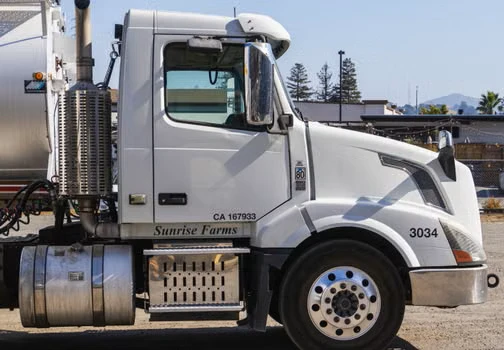
Tandem Axle Tractors: Buying, Renting, and Understanding the Setup
Tandem axle tractors are a common sight on American highways, and for good reason. They combine powerful engines, multiple drive axles, and the kind of weight capacity that single-axle trucks cannot always offer. For anyone who moves freight, hauls equipment, or runs a fleet, the tandem axle tractor is often the workhorse of choice.
This article looks at what a tandem axle tractor is, how the axle setup differs from other configurations, and what buyers and renters should think about before adding one to their operation. The focus stays on practical information for people shopping for a used truck, looking for a rental, or trying to understand the difference between tandem and single-axle designs.
Trucks vary widely in condition, specifications, and availability. The details in this article reflect the general capabilities and common configurations of tandem axle tractors, and every specific truck should be evaluated on its own condition and specifications before a purchase or rental decision is made.
What Is a Tandem Axle Tractor?
A tandem axle tractor is a semi truck that uses two powered drive axles in the rear instead of one. The two axles are placed close together, and both work to drive the truck forward and carry the weight of the load. This configuration is widely used in the United States, where freight demands and operating conditions often favor the extra capacity that a second drive axle provides.
Tandem axle tractors are designed to handle heavy loads with ease. Many are built with an 80,000 lb gross combined weight capacity, which means the tractor, trailer, and cargo together can reach that total weight rating. That capability makes the tandem axle tractor a strong match for applications ranging from over-the-road trucking to hauling heavy equipment and refrigerated freight.
Trucks in this category are sold by dealers, rental companies, and used equipment marketplaces. Some buyers start with a tandem axle tractor because they need more capacity for daily operations, while others are building a fleet from the ground up and want a dependable platform that can grow with their freight volume.
How the Tandem Axle Setup Works
To understand the tandem axle design, it helps to compare it with a single-axle arrangement. A single-axle semi truck uses one drive axle in the rear, while a tandem-axle setup uses two powered axles placed close together. Both axles in the tandem configuration are drive axles, which means they receive power from the engine and help propel the truck.
The close placement of the two axles is an important part of the design. By spreading the load across two axles instead of one, the weight of the truck and trailer is distributed over a larger area under the tractor. This can improve stability and reduce the amount of weight carried by any single set of tires and suspension components.
Because both rear axles are powered, a tandem axle tractor also tends to have better traction in difficult conditions than a truck with only one drive axle. That extra grip can make a real difference when starting under a heavy load, driving on wet or uneven surfaces, or working in environments where traction is limited. The combination of weight distribution and added traction is one of the main reasons this configuration is so popular for heavy-duty work.
Single Axle vs Tandem Axle: The Core Difference
The most straightforward way to understand the difference between these two types of tractors is to count the drive axles. A single-axle semi truck uses one drive axle in the rear, while a tandem-axle setup uses two powered axles placed close together. That single difference creates a ripple effect across the rest of the truck's capabilities.
With one drive axle, a truck can handle lighter loads and tends to weigh less overall. This can translate to better fuel economy and lower operating costs for operations that do not need maximum payload capacity. Single-axle trucks also have fewer components in the rear suspension and drivetrain, which can simplify maintenance and lower the initial purchase price.
A tandem axle tractor, on the other hand, is the better choice when the job demands more weight capacity. The second powered axle allows the truck to carry heavier loads and distribute that weight more evenly. For fleets that pull refrigerated trailers, haul equipment, or run over-the-road trucking routes, the added capacity of a tandem setup is often worth the extra cost and complexity.
Why Tandem Axles Dominate American Trucking
If you have ever compared American trucks with European trucks, you have probably noticed a clear difference in axle configuration. American trucks commonly use tandem axles, while many European trucks are built with just one drive axle, and some use a tag or pusher axle instead. Tag and pusher axles add an extra axle to help with weight distribution, but they are not powered drive axles.
Several factors explain why the tandem axle is so common on American trucks. Freight loads on U.S. highways tend to be heavy, distances tend to be long, and the infrastructure is built around trucks that can carry substantial weight. The tandem axle configuration provides the right balance of weight capacity, durability, and traction for these conditions.
That does not mean tandem axles are the only option. Single-axle trucks still have a place, especially for lighter loads where a second drive axle is not needed. But for heavy loads and demanding work, the tandem axle tractor is usually the better fit, which is why it shows up so often in fleet yards, rental fleets, and used truck listings.
Who Uses Tandem Axle Tractors
Tandem axle tractors show up across a wide range of industries and applications. Ryder used truck sales, for example, offers used tandem-axle day cab tractors for buyers who are ready to start a fleet for daily transportation operations. These are trucks built for regular, dependable service rather than occasional use.
Over-the-road trucking is another major application. Companies like Adelman's stock tandem axle day cabs specifically for over-the-road trucking applications, and they carry tractor day cab trucks in a variety of makes and price points. That variety helps buyers find a truck that matches their budget and their hauling needs.
Refrigerated freight is also a natural fit for tandem axle tractors. A tandem-axle tractor from Mendon, for instance, is described as a high-performance unit that is ideal for pulling heavy-duty refrigerated trailers. It combines a powerful engine, excellent fuel economy, and a comfortable cab, which is exactly what a driver needs on long trips with temperature-sensitive cargo.
Rental companies also serve a broad customer base. Custom Truck One Source offers a variety of all-wheel drive highway tractors with a tandem axle for renting needs, and the chassis on those tractors are described as industry-leading. That makes tandem axle tractors accessible to operations that need extra capacity for a limited time.
Key Benefits of Tandem Axle Tractors
Tandem axle tractors offer several advantages that make them a popular choice for fleets and owner-operators. Here are the main benefits to keep in mind:
- Higher weight capacity: The 80,000 lb gross combined weight capacity found on many tandem axle tractors allows them to handle heavier loads than single-axle trucks.
- Two powered axles: With two drive axles in the rear, power delivery and traction are improved compared with a single-axle setup.
- Better weight distribution: Spreading the load over two axles reduces strain on any single axle and helps with stability.
- Versatility: Tandem axle tractors work well for over-the-road trucking, daily transportation operations, refrigerated trailers, and other heavy-duty applications.
- Strong resale market: Used tandem axle tractors are widely listed on equipment marketplaces, giving buyers plenty of options to compare.
The Mendon tandem axle tractor is a clear example of what this configuration is built for. It is described as a high-performance tandem-axle tractor unit that is ideal for pulling heavy-duty refrigerated trailers, with a powerful engine, excellent fuel economy, and a comfortable cab. That combination of power, efficiency, and driver comfort is what many operators look for when they choose a tandem axle tractor.
Tandem Axle Day Cab Tractors
Day cabs are one of the most common body styles in the tandem axle tractor market. A day cab does not include a sleeper compartment, so it is designed for daily transportation operations where drivers return home or to a terminal at the end of their shift. For fleets running regional routes and local freight, a tandem axle day cab tractor can be a practical and cost-effective choice.
Adelman's stocks tandem axle day cabs because they carry more weight than a single axle. Their inventory is geared toward over-the-road trucking applications, and they regularly carry tractor day cab trucks in a variety of makes and price points. This gives buyers the chance to compare different options before making a decision.
Ryder also offers used tandem-axle day cab tractors for sale. These trucks are positioned as reliable options for buyers who are ready to start a fleet for daily transportation operations. Buying a used day cab from a fleet seller can be a way to add capacity at a lower cost than purchasing new equipment, and it can be especially appealing for new fleet owners who want to manage their startup expenses.
Day cab tractors also keep the overall length of the truck shorter than sleeper models, which can make them easier to maneuver in urban areas and loading docks. For operations that do not need overnight accommodations, the space and weight saved by skipping the sleeper can be put to better use elsewhere.
Buying a Used Tandem Axle Tractor
The used market is a major source of tandem axle tractors, and marketplaces like Ironmartonline make it easy to compare listings from multiple sellers. Ironmartonline lists used tandem axle tractors in a dedicated category, with roughly 39 products available in the segment at any given time. Buyers can browse the inventory and narrow down their options based on the specifications that matter most to them.
One example from the Ironmartonline inventory is a Peterbilt 348 cab and chassis in a tandem axle 6x4 configuration. The listing includes important details such as 350 horsepower, 24 inch rails, and a 266 inch wheelbase. The truck shows 204,000 miles and is described as running and operating strong. Details like these give buyers a clear picture of what they are considering before they ever inspect the truck in person.
When shopping the used market, it pays to look closely at a few key areas:
- Horsepower and engine condition: Make sure the engine has enough power for the loads you plan to haul.
- Mileage and service history: Higher mileage is not automatically a problem, but regular maintenance matters.
- Frame and rails: Look for straight, solid frame rails without signs of cracking or major previous repairs.
- Wheelbase: Longer wheelbases can offer a smoother ride, while shorter wheelbases are easier to maneuver.
- Axle condition: Inspect the drive axles, suspension, and tires for uneven wear or damage.
Buying through a broad marketplace connects buyers with sellers from multiple platforms, which increases the chances of finding the right truck. This is especially useful when you have specific requirements like a particular make, a target horsepower range, or a desired wheelbase. A well-matched used tandem axle tractor can deliver years of dependable service at a fraction of the cost of a new unit.
Renting and Leasing a Tandem Axle Tractor
Not every operation needs to own a tandem axle tractor. For short-term projects, seasonal work, or fleet expansion without a long-term commitment, renting or leasing can be a smart alternative. Several established providers offer tandem axle tractors through rental programs.
Penske Truck Rental offers a tandem-axle day cab truck rental option for commercial customers. Daily rental availability like this gives contractors and fleet managers a way to move freight without tying up their capital in a purchase. It is also a practical way to test a tandem axle configuration before deciding whether to buy one.
Custom Truck One Source takes a different approach by offering tandem axle all-wheel drive diesel highway tractors for rent. These trucks combine the weight capacity of a tandem axle with the added traction of an all-wheel drive system. The company notes that the chassis on these tractors are industry-leading, which is an important consideration for vocational and heavy-duty work in demanding environments.
For longer-term needs, leasing is another option. The Mendon tandem axle tractor is available through a leasing arrangement and is positioned as a high-performance unit with excellent fuel economy. Leasing can provide the benefits of a newer tractor without the large upfront cost of ownership, and it can help fleet managers keep their equipment budgets more predictable.
Common Tandem Axle Configurations and Variations
Tandem axle tractors are not a one-size-fits-all category. Several variations exist in how these trucks are configured, and the right choice depends entirely on the application.
The 6x4 configuration is common among tandem axle tractors. The first number in this designation refers to the total number of wheel positions, and the second number refers to the number of drive wheels. In a 6x4 tandem axle tractor, the front steering axle and two rear drive axles combine for six wheel positions, with four of those wheels receiving power from the drivetrain. The Peterbilt 348 example mentioned earlier is a tandem axle 6x4 truck.
All-wheel drive is another variation worth considering. Custom Truck One Source offers tandem axle all-wheel drive diesel highway tractors, which add drive power to the front axle as well. This setup is particularly useful for operations that need highway capability plus off-road traction, such as utility work, oil field support, and construction applications.
Frame and rail specifications also vary from one truck to the next. Some tandem axle tractors are built with double frames or heavy-duty rails to handle punishing loads. Rail width, like the 24 inch rails listed on the Peterbilt 348, is a common specification in used truck ads because it affects the kinds of bodies and equipment that can be mounted on the chassis. Wheelbase is equally important, and a 266 inch wheelbase is a typical measurement for many tandem axle tractors.
Questions to Ask Before You Commit
Whether you are buying or renting, taking the time to evaluate a tandem axle tractor before committing is worth the effort. Start with the basics: the make, model, year, and hours or mileage. From there, move to the drivetrain and ask about the condition of the engine, transmission, and rear axles.
The frame is one of the most important areas to inspect on any used truck. Look for signs of cracks, bends, or repairs, especially around the suspension and axle mounts. Rail width matters as well, because it affects what kind of bodies and auxiliary equipment can be fitted to the chassis. A truck with damaged rails is rarely worth the risk, no matter how good the engine looks.
Wheelbase is another factor that influences how the truck feels on the road. A 266 inch wheelbase, like the one on the Peterbilt 348 example, is a common measurement for tandem axle tractors. Longer wheelbases tend to ride more smoothly on the highway, while shorter ones are easier to maneuver around job sites and city streets.
Do not overlook the small details. Check the tires for even wear, inspect the suspension for damaged bushings or air springs, and review maintenance records if they are available. These details can tell you a lot about how a truck was treated by its previous owner and what kind of repairs might be coming soon.
Frequently Asked Questions
What is a tandem axle tractor?
A tandem axle tractor is a semi truck with two powered drive axles in the rear, positioned close together. The tandem configuration gives the tractor more weight-carrying capability than a single-axle truck. Many tandem axle tractors are rated with an 80,000 lb gross combined weight capacity and are used for daily transportation, over-the-road freight, and heavy loads.
What is the difference between a single-axle and a tandem-axle semi truck?
A single-axle semi truck uses one drive axle in the rear, while a tandem-axle setup uses two powered axles placed close together. The extra axle gives the tandem truck more capacity to carry weight, which is why tandem axle day cabs are often chosen when a truck needs to handle heavier loads than a single axle can support.
What is the gross combined weight capacity of a tandem axle tractor?
Many tandem axle tractors are designed to handle heavy loads with ease and boast an 80,000 lb gross combined weight capacity. That rating combines the weight of the tractor, the trailer, and the cargo together. It makes these trucks a fit for demanding work like pulling heavy-duty refrigerated trailers and hauling substantial freight.
Can you rent a tandem axle tractor?
Yes. Several providers offer tandem axle tractors for rent. Penske Truck Rental offers a tandem-axle day cab truck rental, and Custom Truck One Source rents tandem axle all-wheel drive diesel highway tractors built on industry-leading chassis. Renting is a practical way to add capacity for a specific job without committing to a purchase.
Where can you buy a used tandem axle tractor?
Marketplaces like Ironmartonline list used tandem axle tractors for sale, with listings that include details like horsepower, wheelbase, frame condition, and mileage. Ryder also sells reliable used tandem-axle day cab tractors. Buyers can compare makes, price points, and overall condition across multiple sellers when shopping the used market.