

Tri Axle Tractors: Configurations, Uses, and Buying Tips
A tri axle tractor is a truck tractor with three axles, typically sold in day cab or sleeper configurations and built for heavy-duty hauling where axle layout, steering, drive position, and weight rating affect the job it can handle. In used truck listings, these units appear under several labels, including Tri/A Day Cab Truck Tractor, Tri/A Sleeper Truck Tractor, and 3 axle semi truck. For equipment buyers and sellers—contractors, fleet managers, dealers, and construction or agricultural companies—those differences matter when evaluating a truck for hauling capacity, operational fit, and compliance. This guide uses current marketplace listings and reference material to explain how tri axle tractor configurations are labeled, how cab types and axle setups differ, what weight ratings and inspection points to verify before purchase, where to shop, and how to sell used tri axle tractors more effectively.
What a Tri Axle Tractor and Tri Axle Trucks Are
A tri axle tractor is a truck tractor with three axles. Reference material notes that tractors with three axles or more can have more than one steering axle, which can also be driven. That detail matters because a tri axle tractor is not defined by a single layout. Two trucks with the same axle count can have different driven axles, different steering setups, and different weight ratings.
Used truck listings separate Tri/A tractors from T/A and S/A tractors, so read the axle code before you assume the truck has three axles. A Tri/A label points to a tri-axle unit, while T/A and S/A indicate other axle configurations. Photos can help, but the build sheet and data plate are stronger evidence. If the listing does not show the axle configuration clearly, ask the seller for it in writing.
One used truck marketplace describes tri-axle trucks as built for pulling serious weight, citing 46,000-pound rears, full lockers, and the power to move anything you hook to them. That is a seller description, not a universal specification. Treat those features as selling points to confirm on the individual tractor. Ask for the rear axle rating, locker configuration, and any supporting documentation before you make an offer.
Day Cab and Sleeper Truck Tractor Tri Axle Tractors
Tri axle tractors come in day cab and sleeper forms. Day cab trucks are mostly heavy-duty Class 7 and 8 tractors with a gross vehicle weight of 26,001 pounds or more. That definition comes from a day cab listing page, and it helps explain why day cab tractors are common in heavy-duty applications. Sleeper versions add a bunk for over-the-road work, and because tri-axle tractors are often used in construction and heavy hauling, both day cab and sleeper versions appear in listings. In one auction inventory, tri-axle sleeper semi tractors were grouped under truck tractors, with both upcoming and sold listings.
The cab type affects how you use the truck, but your use case also matters, including whether the truck will stay local or run longer trips, and tri-axle setups usually cost more to run because of the extra components. A day cab and a sleeper can both carry a Tri/A label. The important questions are whether the axle count matches your work, whether the GVW and axle ratings fit your load, and whether the cab configuration suits your routes. Use the listing label as a starting point, then confirm the details on the data plate.
Common used listing labels
|
Listing label |
What it tells you |
What to confirm |
|---|---|---|
|
Tri/A Day Cab Truck Tractor |
Three-axle tractor with a day cab |
Axle count, GVW, rear axle rating, hours, inspection records |
|
Tri/A Sleeper Truck Tractor |
Three-axle tractor with a sleeper |
Axle count, bunk condition, GVW, rear axle rating, title |
|
T/A Day Cab or Sleeper |
Tandem axle listing |
Confirm axle count if you need a tri axle tractor |
|
Quad/A Day Cab Truck Tractor |
Four axle listing |
Confirm configuration and weight ratings |

Photo by Kamus Cheung on Pexels
Why Buyers Choose Tri Axle Tractors
Buyers searching tri axle tractors usually need more axle capacity than a single axle or T/A listing provides. The research pack does not give a universal payload chart, so avoid promising a specific tonnage. Instead, compare the rear axle rating, GVW, tire ratings, and trailer combination on each listing. A truck marketed for heavy haul may have 46,000-pound rears and full lockers, but those features need to match the work you plan to do.
If a seller advertises a tri axle tractor as ready to work, ask for the data plate, service records, and a walkaround video. The goal is to confirm the truck is actually specified for your load. A clean photo set and a detailed description are useful, but they do not replace the build sheet. When a listing is thin on details, treat the missing information as a reason to ask questions, not as a reason to assume the best.
Axle Configurations and Steering Axles
Three-axle tractors can be more complex than a simple axle count. Reference material notes that tractors with three axles or more can have more than one steering axle, which can also be driven. Most 6x2 units allow the undriven rear axle to be raised. Those details affect turning, traction, and how the truck is used. A 6x2 label is not the same as a 6x4 label, and an auction listing may not spell out the difference.
Ask for the axle configuration, the location of the driven axles, and whether any axle can be raised. If the seller cannot provide the build sheet, treat the listing as incomplete. This is especially important when you are shopping from a distance. A truck that looks right in photos can still have the wrong axle setup for your trailer, route, or weight requirements.

Photo by K on Pexels
What to Check and Ironclad Assurance in a Used Tri Axle Tractor Listing
Start with the axle code and work outward. The listing label, the data plate, and the photos should all agree. Then check the details that affect the truck's ability to do the work you have in mind.
-
Axle count and configuration: confirm Tri/A, T/A, or S/A and identify which axles are driven.
-
GVW and axle ratings: day cab trucks are mostly Class 7 and 8 tractors with a GVW of 26,001 pounds or more, but confirm the rating for the specific truck.
-
Rear axle features: ask whether the tractor has 46,000-pound rears, full lockers, or a raiseable axle if those features appear in the listing.
-
Cab type: confirm whether the truck is a day cab or sleeper and inspect the cab condition.
-
Brand and model: used truck tractor listings include Kenworth, Peterbilt, Volvo, Western Star, Mack, and other brands.
-
Condition and history: request inspection records, a walkaround video, and the data plate before you travel.
-
Paperwork and costs: get the title status, fees, and transportation costs in writing before you commit.
Buying Channels and Marketplace Tips
Tri axle tractors are sold through truck auctions, dealer inventories, and online marketplaces. Auction listings can include both upcoming and sold units, which helps you see what has traded. Dealer listings may describe 3 axle semi trucks as rust-free, fully inspected, or loaded and built for dependable hauling power, but those are seller descriptions. Verify them against the data plate and inspection records.
Online marketplaces like Ironmartonline connect buyers and sellers of used heavy equipment and trucks. Sellers can list across multiple platforms to reach more buyers, and the site says there are no contracts or hidden fees. Buyers should compare total cost, not just the asking price. Ask about fees, transportation, and inspection before you commit. A lower purchase price can disappear quickly if you have to pay for unexpected repairs or transport.
Set a budget that includes the truck, any needed repairs, and delivery. Then compare listings on the details that matter: chassis spec, axle configuration, GVW, rear axle rating, cab type, brand, and documentation. A tri axle tractor with a clear build sheet and a honest description is easier to evaluate than one with a low price and missing details.
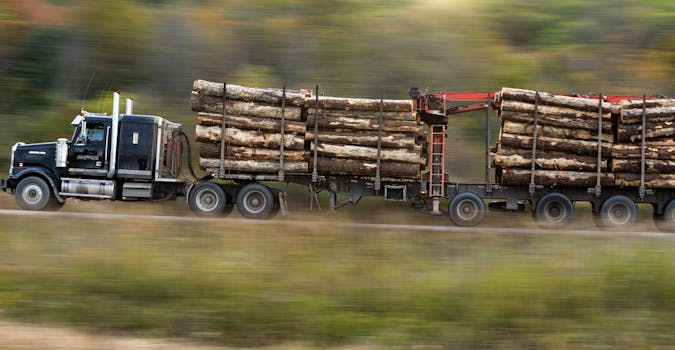
Photo by Aslam Athanikkal on Pexels
Selling a Tri Axle Tractor
If you are selling a tri axle tractor, the listing needs to answer the questions buyers ask. Put the axle configuration in the title. State whether it is a day cab or sleeper. List the GVW, rear axle rating, brand, model, and any lockers. Use clear photos of the cab, frame, axles, fifth wheel, and chassis, and include the related specs when relevant. If the truck has 46,000-pound rears or full lockers, say so, but be ready to document it.
A marketplace that reaches a broad buyer audience can shorten the time between listing and sale. Ironmartonline gives sellers a web-based route to list used trucks and heavy equipment, with no contracts or hidden fees. Clear specs and honest condition notes help buyers act faster. If the marketplace shows listing dates prominently, include the posting month when relevant, such as September. They also reduce the back-and-forth that can stall a sale after the first inquiry.
Frequently Asked Questions
These are the questions buyers ask most often about tri axle tractors.
What is a tri axle tractor?
A tri axle tractor is a truck tractor with three axles. Used listings may call it a Tri/A Day Cab Truck Tractor or Tri/A Sleeper Truck Tractor. Reference material notes that tractors with three axles or more can have more than one steering axle, which can also be driven. Confirm the exact configuration on the build sheet or data plate.
Are tri axle tractors available as day cabs and sleepers?
Yes. Auction and marketplace listings include both Tri/A Day Cab Truck Tractors and Tri/A Sleeper Truck Tractors. Day cab trucks are mostly heavy-duty Class 7 and 8 tractors with a GVW of 26,001 pounds or more, and they are generally more maneuverable in city traffic than sleeper trucks. Sleeper versions include a bunk for longer runs. Check the specific listing for axle count, cab type, weight ratings, and whether the truck fits local, regional, or overnight use.
Which brands of tri axle tractors can I find used?
Used truck tractor listings from major manufacturers include Kenworth, Peterbilt, Volvo, Western Star, Mack, and other brands. Availability changes by auction, dealer, and marketplace. Compare the build spec and service history rather than relying on the brand name alone. A well-documented tractor from a less popular brand may fit your work better than a poorly documented unit from a popular one.
How much weight can a tri axle tractor handle?
There is no single answer from the research pack. One used truck marketplace describes tri-axle trucks with 46,000-pound rears, full lockers, and heavy pulling power, but that is a listing description, not a universal rating. Check the data plate, axle ratings, tire ratings, and trailer combination for the specific tractor, and confirm legal limits with the proper authority.
What should I verify before buying a used tri axle tractor?
Verify the axle count and configuration, GVW, rear axle ratings, cab type, brand, model, and whether any axle can be raised. Ask for inspection records, a walkaround video, and the data plate. If the listing uses a vague label such as T/A, confirm whether it is a tandem or tri-axle unit before you travel to see it. Get fees and transportation costs in writing.