
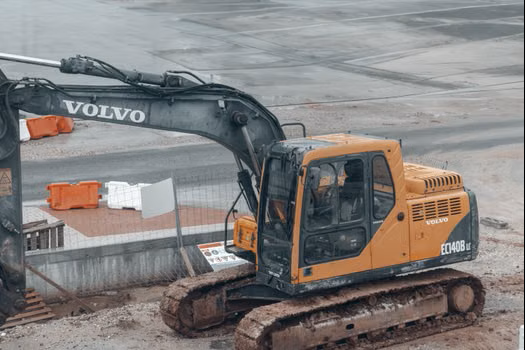
Used Compact Excavators for Sale: Specs and Pricing

Photo by Valentin Angel Fernandez on Pexels
Compact excavators sit in a strange spot in the used equipment market. They are small enough to be sold as consumer-adjacent products on general retail sites, yet powerful enough to anchor a contractor's fleet. That split shows up in pricing. A quick scan of current listings turns up compact diggers advertised between roughly $4,999 and $135,000, and the gap is not random. It comes down to size class, engine brand, hours on the meter, attachments, and where the machine is sitting.
This guide walks through what the current listing data shows about used compact excavators for sale, which specifications actually drive the asking price, and what to check before you wire money for a machine you may have only seen in photos.
What Buyers Mean by Compact Excavator
Compact excavator and mini excavator get used interchangeably across dealer sites, auction listings, and classified platforms. The naming varies by seller, but the machine category is consistent: a tracked digger small enough to work in a residential backyard, along a fence line, or inside a building shell where a full-size excavator cannot fit or would tear up the surface.
Listing filters usually separate these machines by size class rather than by name. One Texas listing set on Equipment Trader filters specifically to mini size and shows a used 3.5-ton compact excavator as an example of the category. That tonnage range is typical of what most buyers picture, light enough to move with a tag trailer and heavy enough to do real production work.
Typical buyers in the listing data include landscaping crews, small contractors, property managers, private landowners, and farm operators. The work ranges from drainage and trenching to land clearing, stump work, foundation prep, and residential improvements. Many of the newest listings are described as attachment-ready, which matters because a compact excavator with a small attachment package can replace several single-purpose machines on a jobsite.
Compact Excavator Price Ranges in Current Listings
The table below summarizes asking prices reported across the listing sources reviewed for this article. Treat these as snapshots of advertised prices, not as appraisals. Inventory turns over quickly and asking prices change with condition, hours, and region.
|
Listing source |
Reported price range |
Notes from the listing data |
|---|---|---|
|
TractorHouse mini excavator listings, Louisiana |
$14,900 to $135,000 |
Inventory counts reported in the 122 to 128 listing range across two snapshots of the same state search |
|
NeedTurfEquipment mini excavator listings, Alabama |
$12,500 to $122,750 |
95 listings shown at the time of the snapshot |
|
Retail compact digger listings for construction and landscaping |
$4,999 to $6,063 |
Entry-level machines aimed at farming, landscaping, and small construction work |
|
eBay industrial excavator category |
New units at $7,124.05 and $10,449.05 |
The mini excavator count in the category was reported near 2,107 listings |
|
Equipment Trader, Texas |
Used example at $30,799 |
Listed as a New Generation 3.5T compact excavator |
|
Colorado mini excavator listings |
Monthly figures starting at $1,868 |
Monthly pricing appears on listings that mix sale and rental-style terms, so read the terms line by line |
The spread is wide because these are not the same product. A $4,999 machine and a $135,000 machine may both carry the mini excavator label, but they differ in weight class, build quality, engine, hydraulic system, and how many hours of hard commercial work they can absorb. Before comparing two listings, compare the specification lines first and the price second.
Specifications and Weight Class That Move the Asking Price
Several specification details show up repeatedly in how compact excavators are listed and priced. These are the lines worth reading closely on any listing you are considering.
-
Operating weight and size class. A 3.5-ton class machine sits in a different pricing tier than the lightest compact diggers. Weight class affects trailer requirements, transport cost, and how much production the machine can deliver.
-
Engine brand. Listings name engines directly. Kubota and Briggs & Stratton both appear in compact excavator listings, and engine brand influences parts availability and resale appeal.
-
Hours on the meter. Hours are the closest thing to an odometer on a compact excavator, and they show up in pricing decisions everywhere. Low-hour machines command more, but hours without maintenance records tell only part of the story.
-
Attachments included. A machine sold with a bucket only is not priced the same as an attachment-ready unit that comes with additional tooling.
-
Model year and generation. Chicago market listings show 2025 models from AGT and ECE Industrial with attachment-ready builds, and recent model years generally price above older equivalents.
-
Undercarriage and track condition. Tracks, rollers, and idlers wear with use, and replacement cost is real money on a compact machine.
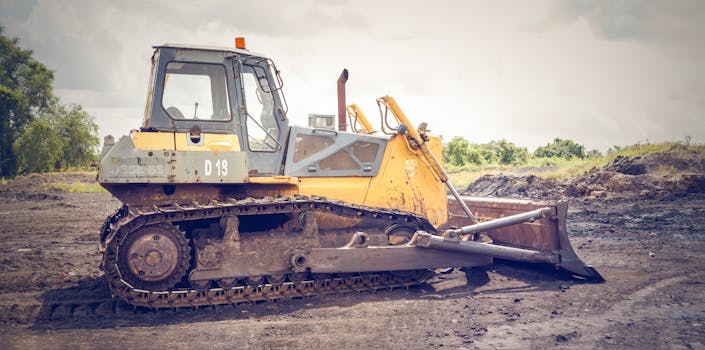
Photo by Dapur Melodi on Pexels
Brands Like John Deere You Will See in Used Compact Excavator Listings
Brand concentration varies by region, which is useful when you are shopping outside your home market. Colorado mini excavator listings break down across Caterpillar, John Deere, Komatsu, Yanmar, Cat, Bobcat, and more. Kentucky listings show Caterpillar, John Deere, XCMG, and Kubota among the brands available from owners and dealers, and used-market comparisons often favor trusted brands that hold resale strength better. Volvo also comes up in market discussions around newer compact excavator technology, though the main comparison here is still how used units from different makers trade.
That mix tells you something practical. If you are loyal to one brand for fleet consistency, you may need to widen your search radius or accept a longer haul. If you are flexible, regional inventory differences create real negotiating room, because a machine that is common in one state may be scarce 500 miles away. Kubota mini excavators retain about 58% of original MSRP after 5 years. Dealer network density and parts access can also affect long-term value.
Regional Availability and How It Affects Price
Inventory depth is not uniform. The listing numbers reviewed here include roughly 122 to 128 mini excavator listings in Louisiana, 95 in Alabama, 230 in Kentucky, 154 in Colorado, and 107 excavators in a Texas search filtered to mini size. In the Southeast, high listing volume in states like georgia and florida can shape availability, while a simple location tag such as pa can matter to nearby buyers. Across the U.S., the average asking range can shift by roughly 10%–18% from one region to another. Chicago market coverage highlights a separate inventory of new compact excavators for buyers in that metro.
More listings in a state does not automatically mean lower prices, but it does mean more comparison shopping without freight costs. A deep local market lets you walk away from a machine with a questionable hydraulic seep or a worn undercarriage because another one is 40 minutes down the road. In a thin market, buyers often pay more or travel farther, and the transport line item can erase the savings from a lower purchase price. Even so, moving a machine from the Southeast to the Pacific Northwest can still save $4,000–$6,000. For example, a used Kubota mini excavator can sell for about $28,500 in Alabama versus roughly $34,000 in California auctions for the same model.
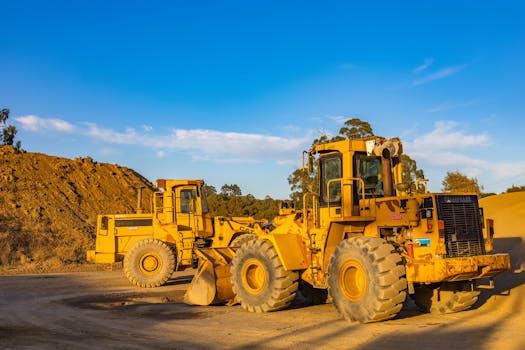
Photo by Robert So on Pexels
Pricing also tends to trend lower in the fourth quarter, which can help with budget planning.
New Versus Used Compact Excavators
New compact excavators appear in the same search results as used ones, sometimes at surprisingly low advertised prices. The eBay industrial excavator category showed new mini excavators at $7,124.05 and $10,449.05, well below many used listings. That overlap confuses a lot of first-time buyers.
The explanation is usually size and build class. The least expensive new machines tend to be the lightest units, often aimed at homeowners, small landscaping jobs, and light-duty digging. A used 3.5-ton class machine listed at $30,799 is a different animal, built for repeated commercial use and priced accordingly. Match the machine class to the work before you compare dollars. If you only need a machine occasionally, renting may pencil out better than ownership, but buyers who expect to operate it regularly across smaller projects may find owning easier to justify than rentals. If you expect steady work, it can make sense to invest in a machine you can inspect and test rather than rely on repeated rentals.
What to Inspect Before You Buy
Photos and spec sheets do not reveal mechanical condition. Work through a consistent inspection list on every machine, whether you see it in person or send someone on your behalf. A pre-purchase inspection typically costs $150–$300.
-
Confirm the serial number and model year against the listing, and ask whether the machine has a prior lien or is still financed.
-
Check the hour meter and ask for service records covering hydraulic fluid, filters, and engine maintenance.
-
Inspect the undercarriage: tracks, sprockets, rollers, and idlers are the expensive wear items.
-
Look for hydraulic leaks at cylinders, hoses, fittings, and the swing area, and check for fresh fluid or cleaned spots that may hide a seep.
-
Check pins, bushings, and bucket linkage for play, which indicates how hard the machine has been worked.
-
Operate the machine through a full cycle: boom, arm, bucket, swing, and travel in both directions.
-
Verify the attachments included in the sale and their condition, check whether a hydraulic thumb is included, and make sure each attachment matches the machine’s hydraulic setup and coupler.
-
Ask about prior use. Utility work and other high-cycle tasks can create different wear patterns, and a rental fleet machine and a one-owner machine may show that in different ways.
An independent inspection can save buyers thousands on a used purchase.
If a seller cannot answer basic questions about maintenance history, factor that uncertainty into your offer. Proper maintenance is a major factor in whether a machine will remain reliable over time.
How to Compare Listings Side by Side
Build a simple comparison table before you make calls. Browse and explore listings in the same comparison format instead of casually scanning titles. Use the same columns for every machine: asking price, size class or operating weight, engine brand, hours, model year, attachments included, location, and seller type. When the columns are consistent, the outliers become obvious. Assess each listing against comparable machines in the same weight class before judging price. A machine priced well below its size class peers usually has a reason, and the reason is often hours, undercarriage wear, or a missing service history.
Also verify the terms behind any advertised monthly figure. Some listings mix sale prices with rental or financing numbers, and a low monthly payment can look like a bargain until you read the terms. For mini excavators for sale and used mini excavators, auction data is a reliable way to assess market value. Online auctioneers often show prices that average 12%–18% below dealer prices, but demand can still swing results by 25%–30%. For example, a 2019 Takeuchi TB290C sells for $60,829, which is why direct model-to-model comparison matters.
Photo by Vadym Alyekseyenko on Pexels
Selling a Used Compact Excavator
If you are on the other side of the transaction, the pricing data works in your favor when you present it clearly. Position compact excavators as equipment with real utility and versatility, and list the size class, engine brand, hours, year, and attachments up front, because buyers often shop by intended tasks and job sites as much as by specs. A complete listing with real photos of the undercarriage, cab, and hydraulic components saves time and reduces lowball offers driven by uncertainty, and listings that show a wide selection from trusted brands can attract more serious buyers faster.
Ironmartonline connects sellers of used heavy equipment with buyers through a web-based marketplace, listing equipment across nine platforms with no contracts or hidden fees. For a compact excavator, that reach matters, because the right buyer for a 3.5-ton machine may be in a different state than the seller, and access to financing options through a dealer or marketplace can also help move qualified buyers forward.
Frequently Asked Questions
How much does a used compact excavator cost?
Advertised prices across the listings reviewed here run from about $4,999 for entry-level compact diggers to $135,000 at the top of the range. Mainstream used inventory clusters between roughly $12,500 and $122,750 depending on region and seller. Size class, hours, engine brand, and included attachments explain most of the difference, so compare specifications before comparing price.
What is the difference between a mini excavator and a compact excavator?
In practice, the two terms describe the same category of machine. Dealers and listing platforms use mini excavator and compact excavator interchangeably, and search filters usually separate them by size class or operating weight instead. When you shop, pay attention to weight class and specifications rather than the label in the listing title. They’re valued because they can work in confined spaces and handle a wide range of tasks with the right attachments.
How many hours are too many on a used compact excavator?
There is no universal cutoff, and the listing data reviewed here does not establish one. What matters more is how those hours were accumulated and whether maintenance was documented. A high-hour machine with service records and a sound undercarriage can outperform a low-hour unit that sat unused or worked in abrasive conditions.
Where can I find compact excavators for sale near me?
Availability of mini excavators for sale varies sharply by state. Use nearby dealer, auction, and marketplace inventory to browse options with easier transport and service access. Current listing counts reviewed here include roughly 230 in Kentucky, 154 in Colorado, 122 to 128 in Louisiana, 107 in a Texas mini-size search, and 95 in Alabama. Checking your home state first reduces freight costs, but widening the radius often surfaces better-equipped machines at lower prices.
Should I buy a new or used compact excavator?
It depends on the work. Financing options can change the real cost comparison between new and used machines. New entry-level compact excavators have appeared in listings at $7,124.05 and $10,449.05, but those are typically the lightest machines. Dealer financing can be as low as 0% APR, while third-party lenders may accept credit scores down to 620. Used 3.5-ton class units, such as one listed at $30,799 in Texas, are built for sustained commercial use. Match machine class to your workload, then compare new and used pricing within that class. Lease terms often run 36–48 months with a $1 buyout, and credit scores below 650 can raise APR by 4–7 points.