
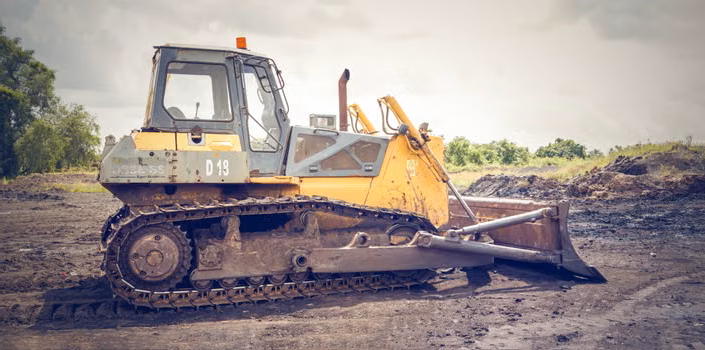
Used Heavy Equipment Sales: Finding Quality Pre-Owned Machines

Photo by Daniel Wells on Pexels
A machine does not have to come off a dealer lot brand new to earn money on a job site. Used heavy equipment sales exist because contractors need iron that starts, digs, lifts, and hauls without paying new-machine money for every unit in the fleet. The same logic applies to the seller side: when a project wraps up or a fleet gets refreshed, there is a buyer somewhere who wants that machine working again.
What separates a good pre-owned purchase from a costly mistake is not luck. It is knowing where inventory is listed, what to verify before money changes hands, and how to compare a machine against the work you actually have lined up. This guide walks through the market as it exists today, from dealer lots and online marketplaces to auctions and government surplus, and it covers the questions buyers and sellers should be asking at each stage.
Why Used Heavy Equipment Sales Matter to Working Contractors
New equipment carries new-equipment expectations. Payments are larger, depreciation starts immediately, and lead times can lag behind a project schedule. A pre-owned machine changes that math. Buyers can often find a unit with useful life remaining, put it to work on the next job, and avoid tying up capital that could go toward labor, materials, or a second machine.
The used market is also broad enough to fit different budgets and risk tolerances. A contractor who needs a specific model for a long-term contract can buy from a dealer who has inspected and serviced the unit. A buyer who is flexible about brand and attachment package can work through listings and auctions to find something that fits. Rental is another option for short-term needs, and several of the major platforms combine equipment for sale with equipment for rent in the same search interface.
Sellers benefit from the same depth. A machine that no longer fits one operation frequently fits another, and the pool of potential buyers is not limited to the local area. Listing to a wide audience turns a parked asset into capital that can be reinvested in equipment that matches current work.
Where Used Heavy Equipment Sales Happen
Inventory is spread across several distinct channels, and each one carries a different level of convenience, inspection detail, and pricing structure. Most buyers eventually use more than one.
Dealer Inventories and Rotating Stock
Construction equipment dealers keep rotating selections of used machinery, and many of those units arrive fully inspected, serviced, and ready to work. A dealer in Indiana, for example, may offer reliable used construction equipment through official dealer used programs that often provide inspected machines and verified history reports before it hits the lot. The advantage is preparation and accountability. Certified used equipment can carry a premium because it comes with documented service history and often a 100+ point inspection. Someone with a service department has already looked at the machine, and a reputable dealer may also provide warranty options, parts support, and after-sale support while protecting its reputation on the sale.
Dealers also tend to specialize. Some focus on earthmoving, others on lifting equipment, and others on compaction or paving. Working with a specialist shortens the search because the inventory matches the category you care about.
Online Marketplaces and Classified Listings
Web-based marketplaces are where a large share of used heavy equipment sales take place now, and buyers comparing used equipment for sale should focus on established marketplaces and reputable sellers when browsing listings. Equipment Trader lets visitors sell, search, rent, or shop a wide variety of new and used heavy equipment including tractors, excavators, skid steers, and forklifts. Rock and Dirt covers new and used heavy equipment, cranes, trucks, attachments, trailers, dismantled machines, and parts. EquipmentShare lists used machine inventory from brands such as Genie, JLG, and Skyjack across nationwide listings that include excavators, skid steers, and lifts.
These platforms matter for a simple reason: reach. Ironmartonline operates as a web-based marketplace connecting buyers and sellers of used heavy equipment, trucks, and machinery, and sellers list across nine platforms to reach millions of potential buyers with no contracts or hidden fees. Buyers can also source equipment through online marketplaces and auctions, then review historical auction results to judge market value more accurately. That kind of distribution is difficult to replicate with a sign on the machine and a phone number.
Brand-Specific Locators
Manufacturer-affiliated locators let buyers search used inventory by brand and model. MachineFinder, for instance, allows visitors to locate used construction equipment across the country and view an inventory of used excavators, with dealer locator tools, a certified program, parts, financing, and news sections built around the same brand ecosystem. Working through a brand locator is useful when a fleet standard, existing parts stock, or operator familiarity makes one manufacturer the practical choice.
Auctions and Government Surplus
Auction channels cover a wide range of used construction equipment, trucks, and government surplus, with bidding available online, on-site, buy-now options, and the ability to make an offer. Some auction platforms publish detailed inspection reports and back purchases with a buyer assurance program, which reduces the uncertainty that has historically come with bidding sight unseen. Used equipment prices also vary by US region due to local demand, and emissions-driven markets such as California often run higher.
Government surplus is its own niche. Sites such as GovDeals let buyers find and bid on heavy equipment including dozers, excavators, loaders, and cranes from manufacturers such as Caterpillar, Komatsu, and John Deere, alongside units sourced through online marketplaces and auctions. Surplus machines often come from municipalities, state, or agency fleets, and condition varies widely, so inspection detail matters more, not less. California has strict emissions rules that affect supply and push prices up, and EPA Tier 4 Final-compliant units can carry a 12%–22% price premium. Pre-Tier 4 machines face operational restrictions in some states, so bidders should verify where a machine can be operated before buying.
Equipment Categories Available on the Used Market
Almost every category of working iron, along with heavy machinery and heavy construction equipment, shows up for sale at some point. Knowing the category you need narrows the search faster than scanning every listing on a site.
|
Category |
Common machines |
Typical work |
|---|---|---|
|
Earthmoving |
Excavators, wheel loaders, dozers, backhoe loaders, motor graders, skid steers |
Digging, grading, loading, site prep |
|
Lifting and access |
Forklifts, telehandlers, scissor lifts, cranes, all-terrain cranes |
Material handling, aerial work, lifting |
|
Road and paving |
Asphalt and concrete pavers, compactors, asphalt rollers |
Paving, compaction, surface work |
|
Aggregate |
Crushers, screeners, conveyors, aggregate equipment |
Rock processing, material sizing |
|
Forestry and land clearing |
Forestry chippers, feller bunchers, log skidders, tub grinders |
Timber work, clearing, grinding |
|
Trucks and trailers |
Dump trucks, utility trailers, dump trailers, equipment trailers |
Hauling machines, materials, and supplies |
|
Attachments and parts |
Buckets, heavy equipment parts and attachments, dismantled machines |
Repair, upgrades, machine configuration |
Category listings on the large platforms are extensive. Equipment Trader, for example, organizes inventory across forklifts, bucket tractors, excavators, skid steers, utility trailers, dump trailers, telehandlers, scissor lifts, equipment trailers, car haulers, aggregate equipment, agriculture equipment, air compressors, and cranes. eBay's heavy equipment section breaks things down further into heavy equipment parts and attachments, antique and vintage farm equipment, asphalt and concrete pavers, backhoe loaders, combines and harvesters, compactors and asphalt rollers, and cranes. The breadth is a reminder that used heavy equipment sales cover far more than one machine type, and that large platforms offer an extensive selection of used construction machinery, including skid steer loaders and other steer loaders.
Brands and Models That Move in the Used Market
Brand recognition carries weight in resale. Buyers browsing listings consistently see equipment from Caterpillar, Komatsu, John Deere, Volvo, Bobcat, and a long list of other leading manufacturers, and those names appear across both dealer inventory and auction catalogs. A familiar brand usually means easier access to parts, service documentation, and operator familiarity, so buyers can rely on established parts and service networks over the life of the machine.
Within specific categories, certain models come up repeatedly in market discussion. Wheel loaders are a good example, and published coverage of used heavy equipment has highlighted top used wheel loader models including the Deere 544K, Cat 924K, Cat 930K, and Deere 624K. Model-level awareness helps a buyer compare listings apples to apples instead of judging on appearance alone.
Caterpillar equipment in particular holds a strong position in the used market, and brand-specific listing pages exist across multiple platforms to serve buyers who want to search that inventory directly. If a fleet already runs Cat machines, staying with that brand simplifies training, tooling, and parts inventory while supporting dependable performance and better long-term reliability.
How to Evaluate a Machine Before Buying
Condition is the whole ballgame in used heavy equipment sales. A machine with clean paint and a tired undercarriage is still a tired machine. Work through the evaluation in a consistent order so nothing gets skipped.
Start With Inspection Reports and Documentation
Where available, third-party or platform inspection reports give a buyer a structured view of condition before committing. Auction platforms such as IronPlanet publish detailed inspection reports and back purchases with an IronClad assurance program, letting buyers bid online, on-site, buy now, or make an offer with more confidence than a blind bid allows. When a report exists, read it line by line and note which items were flagged versus which were passed.
Check Hours, Undercarriage, and Wear Items
Hour meters tell part of the story, but they never tell all of it. Ask how the machine was used, whether it ran in abrasive material, and how often wear components were replaced. Undercarriage condition on tracked machines, tire condition and axle wear on wheeled machines, hydraulic hose condition, pin and bushing play, and bucket or cutting edge wear all indicate how hard the unit has worked.
Look for leaks, unusual smoke, damaged sheet metal, and signs of field repairs. A machine that has been maintained will typically show consistent fasteners, matching paint on service components, and clean fluid levels. A machine that has been run hard and put away wet often shows the opposite.
Confirm Service History and Ownership Paperwork
Ask for service records, repair invoices, and maintenance intervals. Request the machine's serial number and verify it against any documentation provided, especially on higher-value units. Also confirm the physical serial number plate matches the title or ownership documents. If the equipment came from a fleet, ask how it was maintained and why it is being sold. Straightforward answers are a good sign. Vague ones are a reason to slow down, and buyers should also complete a clean title check and confirm parts availability when verifying ownership and support.
View the Machine in Person or on Video
Photos hide a lot. Whenever possible, inspect in person, start the machine cold, run it through its functions, and watch for unusual noise or hydraulic hesitation. When distance makes an in-person visit impractical, request a walkaround video that shows a cold start, full function testing, and close-ups of the undercarriage, engine compartment, and cab. A seller who is unwilling to provide basic documentation or video is telling you something useful.
Auctions Versus Fixed-Price Listings
Both formats work, but they suit different buyers. The table below outlines the tradeoffs in general terms.
|
Factor |
Auction format |
Fixed-price listing |
|---|---|---|
|
Pricing |
Final price depends on bidding competition that day |
Price is known before you commit |
|
Timing |
Fixed closing window, you must be ready to act |
You can take time to inspect and decide |
|
Inspection |
Often relies on published reports and photos |
Usually allows direct questions, video, or a visit |
|
Best suited for |
Buyers with flexibility who can move quickly |
Buyers who need a specific machine and timeline |
Some platforms blur the line. IronPlanet, for example, offers bidding online, on-site, buy-now, and make-an-offer options in the same environment, which means a buyer can choose the approach that fits the machine and the schedule. That flexibility is worth knowing about before you assume an auction is the only route to a bargain.
Financing Used Heavy Equipment
Financing options exist for used machinery, and several platforms build financing into the buying process, including dealer programs, equipment-finance specialists, and other options beyond conventional bank loans. Brand-affiliated sites often include a financing section alongside inventory and parts, so a buyer can explore payment structures before committing to a machine. Section 179 can allow full deduction of qualifying used equipment costs, with a 2026 deduction limit of $1,220,000. It can also be combined with bonus depreciation to further reduce effective equipment costs. Dealer-backed financing can also be available on prepared used units.
Rates, terms, and approval requirements vary by lender, machine age, and buyer profile, so confirm current terms directly with the financing provider before you budget. What matters at the planning stage is that used equipment is not automatically a cash-only purchase. Treat financing as one more variable to compare alongside condition, transport, and expected work.
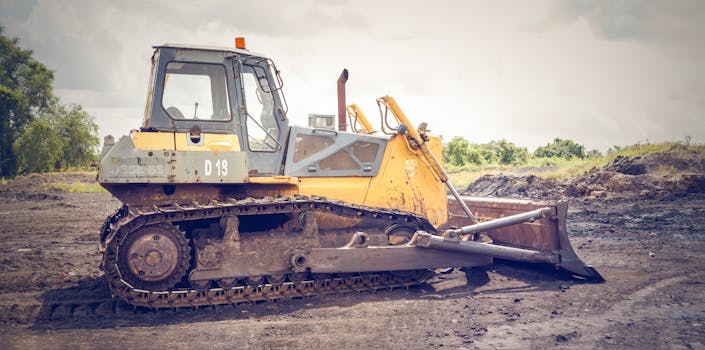
Photo by Dapur Melodi on Pexels
Government Surplus and Fleet Retirements
Government surplus is a steady source of used heavy equipment. Agencies and municipalities retire machines as contracts end, budgets shift, and fleet needs change, and those units reach the market through surplus auction channels. Buyers can find dozers, excavators, loaders, and cranes from major manufacturers listed on surplus auction sites.
Fleet retirements from private companies work similarly. When a large contractor or aggregate operation refreshes its fleet, multiple machines of the same model can appear at once. That can make sense for a buyer building or expanding a heavy equipment fleet who wants matching units, shared parts, and consistent operator training across a crew.
Surplus buying rewards patience and scrutiny. Records may be incomplete, and machines may have been sitting. Budget for a thorough inspection and for any deferred maintenance before the unit goes to work.
Matching the Machine to the Job
The right machine is the one that fits the work in front of you, not the one with the best listing photos. Category thinking keeps the search honest.
Construction and Earthmoving
Excavators, wheel loaders, dozers, backhoe loaders, motor graders, and skid steers cover most site work, and reliable machines in this category should match site demands for power and productivity, not just size. Consider reach, bucket capacity, transport weight, and whether the machine will primarily dig, load, grade, or clear. A backhoe loader offers flexibility on smaller sites, while a dedicated excavator usually outperforms it on production digging, with replacing an older multi-purpose machine often improving output on that work.
Forestry and Land Clearing
Forestry chippers, feller bunchers, log skidders, and tub grinders serve timber and clearing operations. These machines often live hard lives, so undercarriage, hydraulic systems, and cutting components deserve close attention. Match the machine to the material you are handling, whether that is standing timber, slash, or grinding material.
Aggregate, Paving, and Utility Work
Crushers, screeners, pavers, rollers, and trenchers serve specialized production work. In these categories, output capacity and setup time, along with machine output and fuel use, often matter more than raw machine size because they affect how efficiently the unit will perform on specialized work. Check that the unit's configuration matches your material and your site access.
Lifting and Material Handling
Forklifts, telehandlers, scissor lifts, and cranes handle lifting and access. Capacity ratings, lift height, and attachment compatibility drive the decision. Buyers should verify that the machine's rated capacity and configuration match the loads they intend to handle.
Selling Used Heavy Equipment
On the other side of every transaction is a seller who wants a fair return without a drawn-out process. A few basics make that easier.
What Buyers Want to See in a Listing
Buyers want accurate details up front: machine type, manufacturer, model, year, hours, condition notes, recent service, included attachments, location, and the specific used machine. Clear photos of the machine from multiple angles, the cab, the engine compartment, and the undercarriage do more to generate serious inquiries than any amount of sales language. Listings that include price, condition, hours, and location information attract buyers who already know what they are looking at. Documented service history and inspection details also help present it as reliable used construction equipment.
Reaching the Right Buyers
Reach determines outcome. Listing through a marketplace that distributes inventory across multiple platforms puts a machine, including construction equipment for sale, in front of far more potential buyers than a single local ad. Ironmartonline connects sellers of used heavy equipment, trucks, and machinery with buyers through web-based platforms, which is especially useful for an extensive selection of heavy machinery across categories, with no contracts and no hidden fees, and its inventory spans excavators, wheel loaders, dozers, motor graders, backhoes, forklifts, dump trucks, trailers, crushers, screeners, pavers, rollers, trenchers, forestry chippers, feller bunchers, log skidders, and tub grinders.
Setting Realistic Expectations
Sellers should compare their machine against similar listings in the same category, region, and condition band, since comparing by region makes more business sense than relying on a single national average, then price accordingly. Machines that are clean, documented, late model, and ready to work with clear records tend to attract stronger offers. Machines with known issues can still sell, but the listing should disclose them so the buyer can factor them into the offer instead of walking away after an inspection. Confirm current market conditions and any platform fees directly with the marketplace before listing, since realistic pricing depends on current market conditions across the industry.
Red Flags to Watch For
Certain patterns should slow a buyer down regardless of how good the price looks.
-
No serial number, or a serial number that does not match the documentation provided.
-
Refusal to provide a cold-start video or allow an inspection.
-
Hour meter readings that do not align with the stated use of the machine.
-
Fresh paint over heavy wear, corrosion, or repaired structural areas.
-
Missing service records on a machine that is described as well maintained.
-
Pressure to complete a sale before an inspection can be arranged.
None of these are automatic disqualifiers, but each one raises the level of scrutiny the machine deserves. Buying used equipment is a risk management exercise as much as a purchasing decision.
Plan the Purchase Beyond the Sale Price
The purchase price is only part of the cost of ownership. Transport, any deferred maintenance, replacement of wear components, attachment purchases, and insurance all factor in. Buyers should confirm machine weight and dimensions from the manufacturer's data before arranging transport, and they should verify licensing, registration, and hauling requirements with the appropriate authorities for their route and jurisdiction.
Building a maintenance schedule from day one protects the investment. Machines that are serviced on schedule hold value better and spend less time down. For contractors running several units, keeping records for every machine also makes future resale easier, because the next buyer will ask for exactly the documentation you wished the last seller had provided.
Frequently Asked Questions
Where can I find used heavy equipment for sale?
Inventory is available through dealer lots, online marketplaces, manufacturer-affiliated locators, and auction platforms. Buyers looking for used equipment for sale can also source machines through auctions in addition to dealer lots, marketplaces, and locators. Sites such as Equipment Trader, Rock and Dirt, MachineFinder, EquipmentShare, IronPlanet, and GovDeals cover different slices of the market, from dealer-prepared machines to government surplus. Most buyers search several channels before purchasing.
Is buying used heavy equipment at auction risky?
Auction risk depends on what information the platform provides. Some auctions publish detailed inspection reports and back purchases with a buyer assurance program, which reduces uncertainty considerably. Others offer limited detail. Read the inspection report, understand the terms, and confirm what recourse exists before you bid on any machine.
Which used heavy equipment brands hold up well?
Caterpillar, Komatsu, John Deere, Volvo, and Bobcat appear consistently across listings and auction catalogs, and parts and service networks for those brands are generally broad. Specific models matter too. In wheel loaders, for example, models such as the Deere 544K, Cat 924K, Cat 930K, and Deere 624K are frequently discussed in used market coverage.
Can I finance a used excavator or loader?
Financing options exist for used machinery, and many platforms and branded locator sites include financing sections alongside inventory. Terms depend on the lender, the machine's age and condition, and the buyer's profile. The tax benefits of financing a qualifying used purchase may include Section 179 and other benefits, but buyers should confirm eligibility with their tax adviser. Confirm current rates and requirements directly with the financing provider, since those details change and are not standardized across the market.
How do I sell my used heavy equipment quickly?
Accurate listings with clear photos, serial numbers, hours, service records, and support history, along with honest condition notes, generate the most serious inquiries and help buyers assess value. Listing across a distribution network that reaches many buyers shortens the timeline compared with a single local ad, with advantages for sellers who want faster exposure without relying on one local channel. Sellers should confirm current platform terms and fees directly with the marketplace before posting inventory.
Whether you are adding a machine to the fleet or moving one out, the used heavy equipment market rewards preparation. Know the category, verify the condition, compare the channel, and budget for what happens after the sale. That approach turns a pre-owned purchase into a working asset instead of a parked problem, and it helps sellers get a fair price from a buyer who understands exactly what they are getting.