
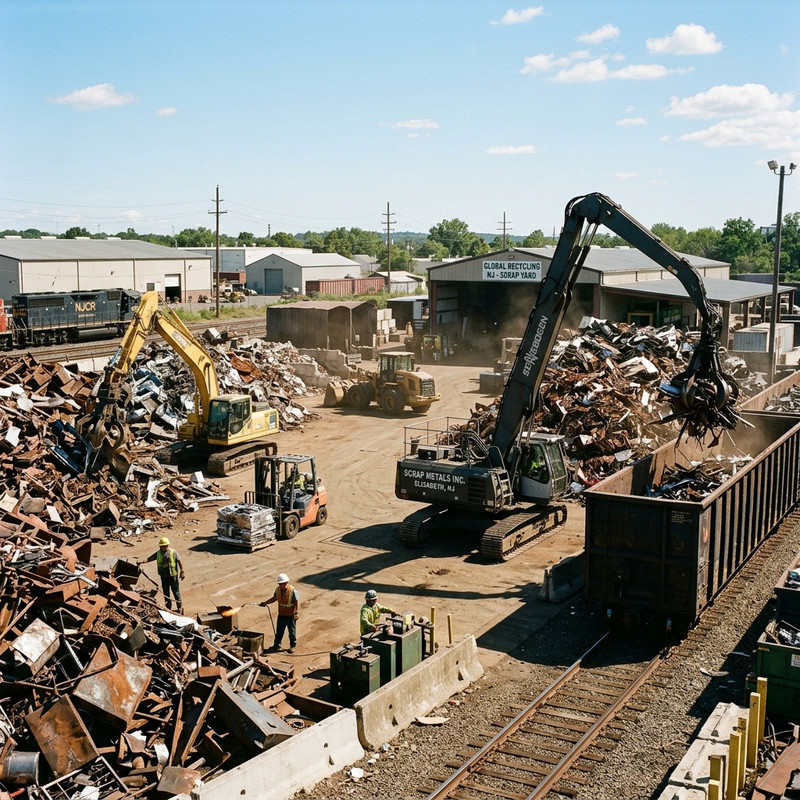
Where to Find Used Scrap Handling Equipment in NJ
Quick answer: Finding used scrap handling equipment in New Jersey means knowing the right sourcing channels—local dealers, auction houses, private sellers, and equipment brokers—and vetting each machine before you commit. The NJ market offers strong regional inventory due to its dense industrial base, but the right machine depends on your application, budget, and how fast you need it running.
New Jersey's scrap and recycling industry runs hard. Shredders, grapples, balers, cranes, material handlers, and scrap loaders move through the state's yards constantly—and so does the used equipment that keeps those yards profitable. That creates a real opportunity if you know where to look and what to avoid.
The wrong purchase in this category is expensive. A scrap handler sitting idle for parts costs you more per day than the deal you thought you were getting. This guide tells you where to source used scrap handling equipment in NJ, what to verify before buying, and how to avoid the mistakes that burn buyers in this market.
What Counts as Scrap Handling Equipment?
Before you start sourcing, narrow the category. "Scrap handling equipment" covers a wide range of machines:
- Material handlers — purpose-built for stationary or mobile scrap work, high-reach booms, large hydraulic attachments
- Hydraulic grapples and magnets — attachments that mount to excavators or material handlers
- Scrap balers — horizontal or vertical, for ferrous and non-ferrous metal compression
- Shredders and shears — industrial-grade, high-tonnage throughput
- Scrap cranes — overhead and mobile, for bulk material movement
- Wheel loaders and excavators — configured or reconfigured for scrap yard applications
Define which type you need and the specific capacity, reach, or tonnage requirement before you look at a single price tag. The fastest way to overpay is to start browsing before you know what you need.
Where to Find Used Scrap Handling Equipment in NJ
New Jersey Equipment Dealers
Local dealers are your most reliable starting point. A regional dealer knows the local regulatory environment, can provide limited mechanical histories, and often offers delivery and basic service support. NJ's industrial corridor—running from Newark through Elizabeth, Linden, and down into Middlesex County—concentrates several heavy equipment dealerships that carry or can source scrap-specific machines.
Ask each dealer directly: do they have scrap-configured material handlers in stock, or do they source them on request? Dealers who specialize in scrap yard equipment will know the difference between a machine that's been used for light demolition and one that's taken years of magnet cycling and grapple work. That distinction matters for hydraulic system wear and structural fatigue.
Industrial Auctions in NJ and the Mid-Atlantic Region
Auction houses move significant scrap handling inventory, particularly when scrap yards downsize, close, or upgrade fleets. Ritchie Bros. Auctioneers, IronPlanet, and Purple Wave all run listings in and around New Jersey regularly. You'll find everything from individual attachments to complete material handler packages.
The risk with auctions is inspection access. Buy-before-you-bid programs give you a machine condition report, but they are not a substitute for putting eyes—and ideally a mechanic—on the equipment yourself. Never bid on a scrap handler without reviewing hydraulic hours, boom wear points, and slew ring condition. These are the components that fail first and cost the most.
Private Sellers and Scrap Yard Liquidations
Some of the best prices in this market come from private sales. Scrap yards that are upgrading equipment or closing operations often sell directly, without auction fees on top of the price. Network within the NJ scrap industry—regional trade associations, the Institute of Scrap Recycling Industries (ISRI) Mid-Atlantic chapter, and direct outreach to yard operators can surface deals that never hit a public listing.
The tradeoff: no middleman means no buyer protection. Everything depends on your inspection.
National Equipment Brokers with NJ Inventory
Several national brokers maintain active NJ-area inventory or can locate specific machines through dealer networks. MachineryTrader, EquipmentTrader, and Mascus aggregate listings across the region. Filter by state, equipment type, and year range to work efficiently. Call the seller before traveling—confirm hours, configuration, and that the machine is still available.
How to Vet Used Scrap Handling Equipment Before You Buy
What to Check on Any Scrap Handler
One thousand hours on a machine used exclusively for magnet work tells a different story than one thousand hours on a machine used for light sorting. Ask for the specific application history, not just the total hours.
Inspect these components in person, or hire a third-party inspector:
- Hydraulic system: Hose condition, pump pressure readings, cylinder seals. Scrap handlers cycle hydraulics constantly; wear accumulates fast.
- Slew ring and swing drive: Play in the ring indicates wear. Replacement runs $15,000–$40,000 depending on machine size.
- Boom and arm: Cracks, weld repairs, and stress fractures at pin points. Scrap environments are abusive to structural steel.
- Undercarriage (if track-mounted): Sprocket wear, track tension, roller condition. Factor replacement cost—$20,000–$60,000—into your offer price if the undercarriage is below 50%.
- Engine hours vs. service records: A complete service binder is worth more than a low-hour claim with no documentation.
Red Flags That Should Stop a Deal
- No service history and a seller unwilling to let you run the machine
- Fresh paint on a used machine with no explanation
- Hydraulic leaks described as "minor" without repair documentation
- A slew ring with visible gap or grinding on rotation
- Attachments that don't match the boom's rated capacity
Any one of these alone warrants a price reduction or walking away.
What Does Used Scrap Handling Equipment Cost in NJ?
Prices vary by machine type, age, and condition. As a working reference:
- Compact material handlers (Fuchs, Liebherr, Sennebogen — smaller models): $80,000–$180,000
- Mid-range scrap handlers: $150,000–$350,000
- Large-scale material handlers and scrap cranes: $400,000–$900,000+
- Horizontal scrap balers: $50,000–$250,000 depending on size and tonnage
- Attachments (grapples, magnets): $8,000–$80,000
NJ's market runs competitive due to regional demand. Expect less negotiating room on well-documented machines with clean inspection results. More room exists on high-hour units or machines with deferred maintenance.
Should You Buy Local in NJ or Source Regionally?
Buying local reduces transport costs, which on large scrap equipment can run $3,000–$10,000 depending on distance and permit requirements. It also simplifies your pre-purchase inspection—you can visit in person rather than hiring a third party remotely.
That said, if the NJ market doesn't have the specific machine you need, the Mid-Atlantic corridor—Pennsylvania, Delaware, Maryland, New York—adds substantial inventory without dramatically increasing freight cost. Don't limit your search to one state when the right machine is two hours away.
Frequently Asked Questions
What types of scrap handling equipment are most commonly available in NJ?
Material handlers, hydraulic grapples, scrap balers, and excavators configured for scrap yard work appear most frequently. Industrial crane inventory exists but is thinner and tends to move quickly when listed.
Is it better to buy from a dealer or a private seller in NJ?
Dealers offer more accountability and occasional limited warranties; private sellers offer lower prices. Choose based on your inspection confidence. If you can bring a qualified mechanic to inspect the machine independently, private sales can deliver better value.
How do I verify equipment hours on a used scrap handler?
Request ECM (electronic control module) hour readouts where available, and cross-reference with maintenance records. On older machines without digital hour meters, service invoices over time are your best verification tool.
What are the biggest hidden costs in buying used scrap equipment?
Undercarriage replacement, hydraulic pump rebuilds, slew ring replacement, and transport. Build these into your budget before you set a maximum bid or offer price.
Are there financing options for used scrap equipment in NJ?
Yes. Equipment financing is widely available through regional lenders, national banks, and specialty agricultural and industrial equipment lenders. Prepare financial statements and a clear equipment description to accelerate approval.
Make a Calculated Purchase, Not a Rushed One
The NJ market has inventory. The question is whether that inventory matches what your operation actually needs at a price that leaves room for the repairs every used machine eventually requires.
Define your specs first. Inspect before you commit. Price in the likely maintenance costs. Then move fast when the right machine appears—well-documented scrap handlers at fair prices don't sit long.
Start with local dealers, run the auctions in parallel, and keep private sale networks active. That three-channel approach gives you the best odds of finding the right machine at the right price.