
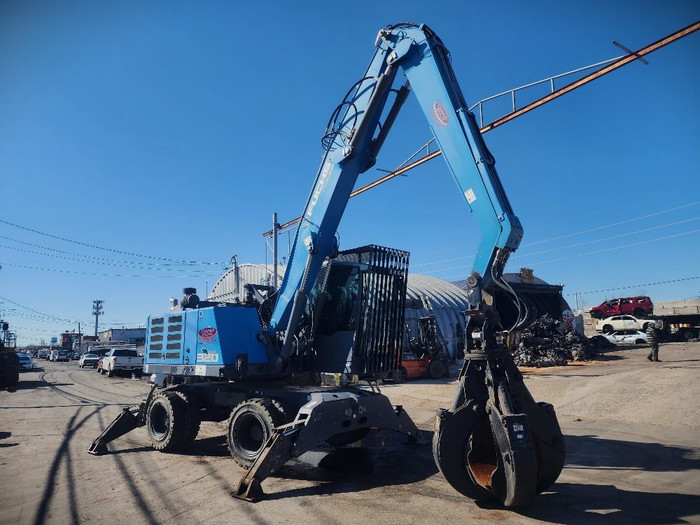
Fuchs 320 Scrap Handler: Uses, Specs, and Buyer Guide
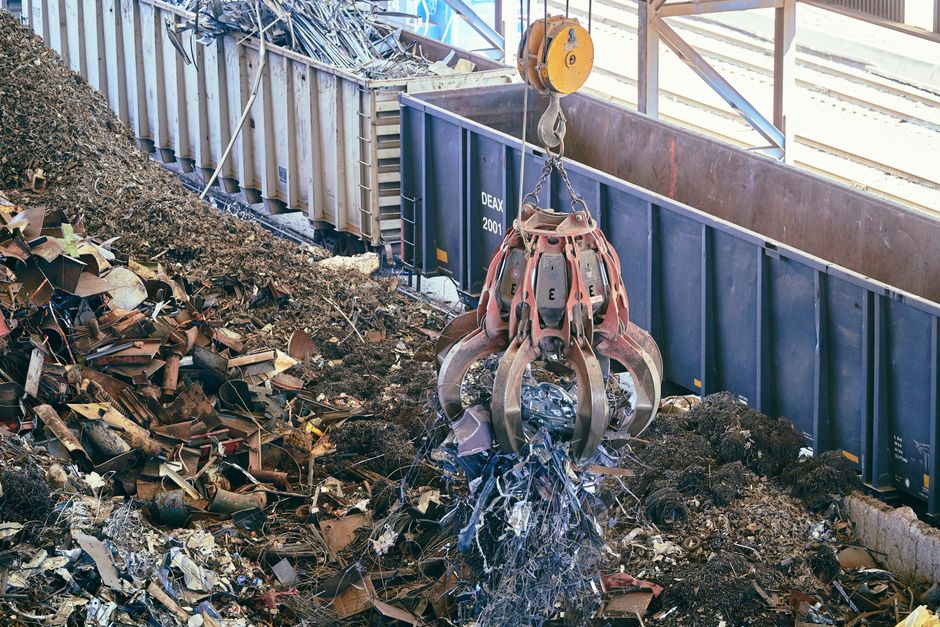
The Fuchs MHL320 is a material handler designed primarily for scrap metal processing, industrial waste recycling, and demolition work. Built by Terex Fuchs, this machine has earned a reputation as a benchmark in the recycling industry for many years. Its modular design, range of configurations, and multiple powertrain options make it a flexible choice for scrap yards, recycling centers, and demolition contractors. Understanding what the Fuchs 320 scrap handler can do helps operators, fleet managers, and buyers evaluate whether this machine fits their material handling needs.
What Is the Fuchs MHL320?
The Fuchs MHL320 is a material handler that comes in several versions to match different job site requirements. The main model is the Mobile MHL320, which rides on wheels for easy movement within a yard. Other configurations include the Crawler RHL320 for rough terrain, the Stationary AHL320 for fixed installations, and a Pylon version that can be mounted on a pedestal. The manufacturer refers to the current generation as the MHL320 MODULAR+, reflecting its ability to accept different upper structures and power systems. The machine has a maximum service weight of 46,297 lbs (21 t) without attachments, though specific weights vary by configuration and model year. For example, the earlier MHL320 D model had a maximum operating weight of 44,188 lbs, while some sources list the operating weight of certain configurations at 50,926 lb. These differences come from the choice of undercarriage, counterweight, and attachment package.
Primary Uses of the Fuchs 320 Scrap Handler
Scrap Metal Processing
The most common application for the Fuchs 320 is handling scrap metal. The long reach of up to 34 ft 1 in (10.4 m) allows operators to sort, lift, and load scrap from piles into containers, trucks, or shredder feeds. The machine is often equipped with a grapple attachment that grips irregular pieces of ferrous and non-ferrous metal. Its hydraulic system, with a maximum operating pressure of 5221 psi and a pump capacity of 73 gal/min, provides the force needed to manipulate heavy scrap efficiently. The double-edged cylinder bearings and high-performance cooling system help the machine withstand the dusty, high-cycle environment of a scrap yard.
Waste Recycling
Recycling facilities that handle industrial waste, municipal solid waste, or construction and demolition debris use the MHL320 to feed sorters, separate materials, and load out processed material. The bench-height cab and excellent visibility make it easier for operators to pick specific items from a conveyor or pile. The physically separated coolers prevent clogging from dust and small debris, which is a common issue in recycling settings. The model is described as a benchmark in industrial waste recycling, indicating its long-standing presence in that sector.
Demolition Work
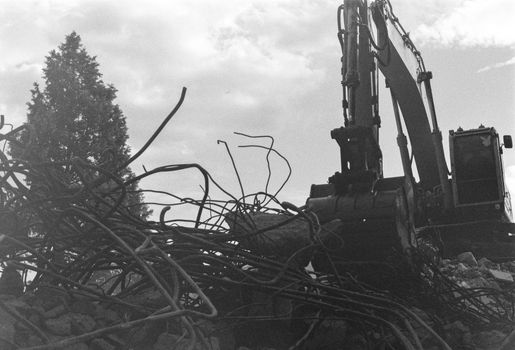
On demolition sites, the Fuchs 320 can be used to pull down structures, sort rubble, and load debris for removal. The optional boom and stick combinations allow reaches from 26.9 ft to 34.1 ft, giving operators flexibility to work at different heights. The machine’s swing speed of 8 rpm and travel speed of up to 12.4 mph allow it to reposition quickly between demolition zones. When equipped with a hydraulic shear or pulverizer, the handler can process concrete and steel onsite before loading out the materials.
Key Specifications and Features
The following table summarizes the most significant specs for the Fuchs MHL320, based on the MODULAR+ model and RitchieSpecs data:
| Specification | Value |
|---|---|
| Engine (diesel) | Deutz TCD 3.6 L04, 4-cylinder, 127 hp (95 kW) at 2000 rpm, 221 cu in displacement |
| Electric motor (optional) | 75 kW |
| Maximum service weight (without attachments) | 46,297 lb (21 t) |
| Operating weight (RitchieSpecs) | 50,926 lb |
| Maximum reach | 34 ft 1 in (10.4 m) |
| Wheelbase | 8.2 ft |
| Ground clearance | 1.4 ft |
| Overall height | 10.9 ft |
| Overall length | 15.7 ft |
| Overall width | 8.3 ft |
| Fuel capacity | 81 gal |
| DEF tank capacity | 5.3 gal |
| Max travel speed | 12.4 mph |
| Swing speed | 8 rpm |
| Hydraulic system max pressure | 5221 psi |
| Hydraulic pump capacity | 73 gal/min |
The MHL320 also features a double row ball bearing slewing ring for smooth rotation and extended service life. The high-performance cooling system keeps the engine and hydraulic oil at proper temperatures even during sustained heavy work. These design elements contribute to the machine’s durability in demanding applications.
Comparisons to Similar Material Handlers
When evaluating the Fuchs 320 against other material handlers, operating weight and reach are important factors. The table below compares the Fuchs MHL320 with three other models commonly found in scrap and recycling yards:
| Model | Operating Weight (approx.) |
|---|---|
| Fuchs MHL320 (RitchieSpecs) | 50,926 lb |
| Caterpillar M322D MH | 51,918.9 lb |
| Fuchs MHL331 | 53,351 lb |
| Liebherr A904CHD | 53,800 lb |
The Fuchs MHL320 sits at a slightly lower operating weight than the Caterpillar M322D MH and the larger Fuchs MHL331. This can be an advantage in yards with softer ground or weight restrictions, but it may limit lifting capacity at full reach. Buyers should verify the specific lifting chart for the configuration they are considering, as the research pack does not include exact capacities at various reaches.
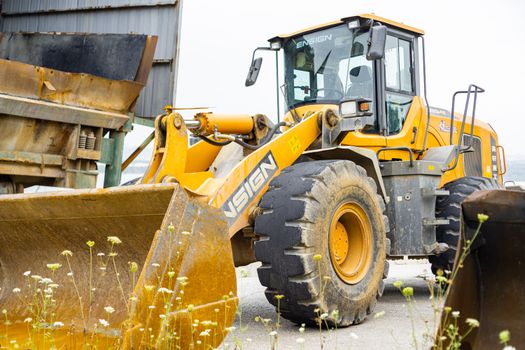
Available Configurations: Mobile, Crawler, Stationary, and Pylon
The MHL320 MODULAR+ can be ordered in four base configurations to suit different worksites:
- Mobile (MHL320): The wheeled version provides high mobility inside a yard. It can travel on paved or compacted surfaces at up to 12.4 mph and has an 8.2 ft wheelbase for stability.
- Crawler (RHL320): Fitted with tracks instead of wheels, this version offers better flotation and traction on soft ground, mud, or uneven demolition debris. It is ideal for sites where the machine must move over loose material.
- Stationary (AHL320): This configuration is bolted to a concrete pad or steel base. It eliminates the undercarriage weight and is used in fixed transfer stations, shredder feeding, or railcar unloading where movement is not required.
- Pylon: The machine is mounted on a tall pedestal, giving operators a high vantage point to feed crushers or load ships. Pylon mounts are common in ports and large recycling facilities.
Each configuration shares the same upper structure and attachments, so parts commonality is high. The modular approach allows a single base machine to be converted between types if the buyer plans for future changes.
Powertrain Options: Diesel, Electric, and Battery
The MHL320 MODULAR+ offers three powertrain options. The standard diesel engine is a Deutz TCD 3.6 L04 producing 127 hp (95 kW) and meeting EU Stage V and EPA Tier 3 emissions standards. For indoor facilities or emissions-sensitive sites, an electric motor rated at 75 kW can be installed. This eliminates exhaust and reduces noise. The third option is a fully battery-powered version, although the research pack does not specify battery capacity, runtime, or availability timeline. Buyers interested in the battery option should contact an authorized Terex Fuchs dealer for current availability and specifications.
The choice of powertrain affects not only emissions and noise but also operating costs and maintenance. Diesel machines require fuel, DEF fluid (5.3 gal tank), and regular engine service. Electric machines need a dedicated power supply and have lower hourly energy costs in many regions. Battery-powered units offer zero-emission operation with the flexibility of movement, but their higher initial cost and limited runtime may not suit every shift length.
What You Should Know Before Buying a Used Fuchs MHL320
Used Fuchs MHL320 machines are available on various equipment marketplaces. Based on listings from MachineryTrader, prices range from $24,641 to $316,608, with the wide spread reflecting differences in age, hours, condition, and configuration. Anecdotally, a 2012 MHL320 with 17,032 hours was listed for $18,000 OBO in non-running condition with a grapple included. That is not a typical price for a working machine, but it shows that older units can be bought cheaply for parts or rebuilds.
When inspecting a used MHL320, pay attention to:
- Hours and service history: High-hour machines (above 15,000 hours) may need major engine or hydraulic pump work. The Deutz engine is generally reliable, but injector and cooling system issues can arise.
- Undercarriage condition: On mobile versions, check tires, wheel bearings, and steering cylinders. On crawler versions, examine track chain wear and sprocket condition.
- Slewing ring: The double row ball bearing ring should turn smoothly without excessive play or noise. Replacing a slewing ring is costly.
- Hydraulics: Look for leaks, damaged hoses, and test the grapple or attachment functions. Verify that all circuits reach pressure.
- Attachments: If the machine comes with a grapple, magnet, or shear, factor the attachment’s condition into the price. A good grapple can cost thousands separately.
Because the MHL320 has been in production for years, parts availability is generally good through Terex Fuchs dealers and aftermarket suppliers. The mobile, crawler, stationary, and pylon variants share many common upper-structure parts, making it easier to source components for any configuration.
Frequently Asked Questions
What is the difference between the Fuchs MHL320 and the MHL331?
The MHL331 is a larger model with an operating weight of about 53,351 lb compared to the MHL320’s approximate 50,926 lb. The MHL331 generally offers higher lifting capacities and a longer optional reach. It is better suited for heavy scrap handling where the extra capacity justifies the higher price and larger footprint.
Can the Fuchs MHL320 be used with a magnet or shear?
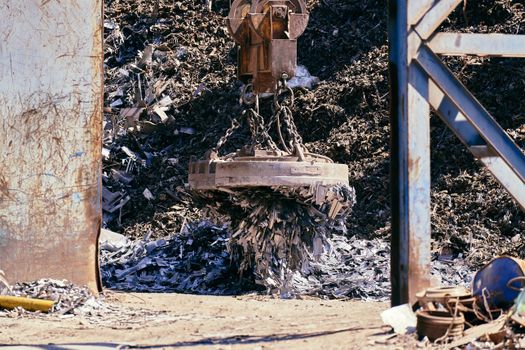
Yes. The MHL320’s hydraulic system can power rotating grapples, electro-magnets, hydraulic shears, and pulverizers. Many scrap yards use a magnet attachment for picking up loose ferrous scrap. The optional auxiliary hydraulics must be specified when ordering the machine to ensure proper flow and pressure for the intended attachment.
What is the fuel consumption of the MHL320 diesel?
The research pack does not include official fuel consumption figures. Fuel usage depends on load, cycle speed, and engine condition. Operators can expect consumption in the range of 3 to 5 gallons per hour under typical scrap handling duty, but this is an estimate and not a manufacturer specification. Checking with a dealer or operator forum can provide real-world numbers.
How long does the battery last on the battery-powered version?
Battery capacity and runtime data for the MHL320 MODULAR+ battery option are not provided in the available research. The battery-powered variant may have a limited operating window per charge, likely suitable for one shift in light to moderate duty. Anyone considering this option should request detailed specifications from Terex Fuchs.
Is the Fuchs MHL320 still in production?
The research pack does not confirm whether the MHL320 MODULAR+ is currently in production or has been replaced by a newer model. The machine is still listed on the official Terex Fuchs website as of the time of this article, which suggests it remains available. Contact an authorized dealer for the most up-to-date production status.
The Fuchs MHL320 scrap handler is a versatile machine that has proven itself in scrap yards, recycling centers, and demolition sites for many years. Its multiple configurations and powertrain options allow it to adapt to a wide range of material handling tasks, from feeding shredders to sorting metal. Whether you are buying new or evaluating a used unit, understanding the specifications, options, and common applications helps you make an informed decision for your operation.