
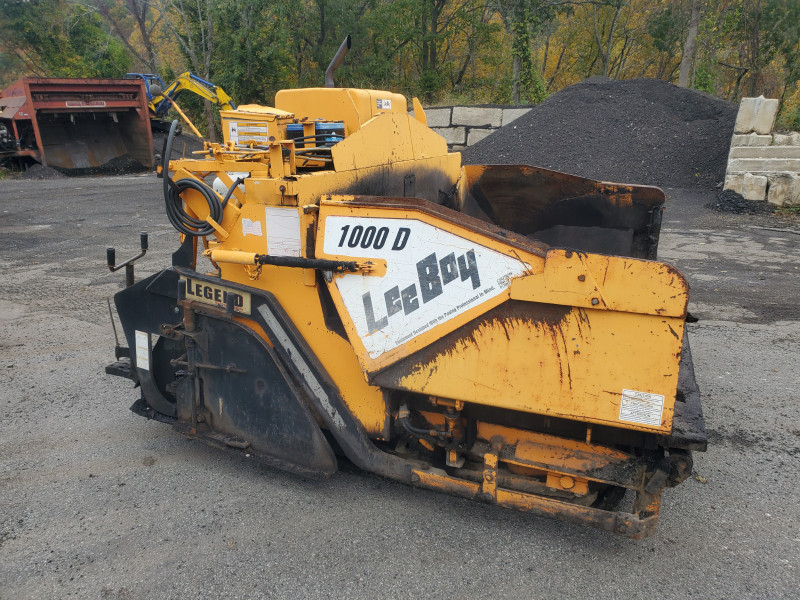
When you ask, “What is my paving equipment worth?”, you need a valuation that reflects real market conditions — not guesses or outdated book numbers. The value of your paver, milling machine, or roller depends on hours, condition, attachments, and how many similar machines are selling right now.
IronmartOnline helps contractors and equipment owners understand these factors with clear, practical guidance. By comparing recent sales, documenting service history, and assessing key systems, you gain a realistic number you can defend to buyers.
This guide shows you how to appraise your machines, identify the features that drive value, and prepare equipment for sale. With straightforward steps, you can set a competitive asking price and attract serious buyers faster.
Understanding Paving Equipment Value
Paving equipment value depends on machine condition, hours, model, and market demand. You will learn what most affects price, which valuation method suits your needs, and how current market trends change offers.
What Factors Affect Equipment Valuation?
Age and total operating hours strongly affect price. A 2014 asphalt paver with 4,000 hours sells for more than a similar 2002 unit with 10,000 hours. Service history, recent rebuilds, and working hydraulics add clear dollar value.
Attachments and wear parts matter. Screeds, conveyors, augers, and milling teeth change usefulness and resale price. Tires, tracks, and engine condition also factor in. Machine type and size drive buyer interest.
High-value machines — large pavers, milling rigs, or hooklift trucks — attract contractors doing driveways, parking lots, and roadwork. Document unique features and any recent parts replacement to support a higher asking price.
How Market Cycles Influence Equipment Pricing
Paving equipment values rise and fall with broader construction activity. According to the Federal Highway Administration, infrastructure spending cycles directly affect demand for asphalt pavers, rollers, and milling machines.
When road funding increases, buyer competition grows, and used equipment sells at higher prices.
Seasonal factors also matter. During peak paving months, contractors face tight deadlines and prioritize ready-to-run machines. This can create short-term price spikes for popular models with documented maintenance histories.
Tracking these external indicators gives you more accurate pricing expectations. You can decide whether to list now, hold, or target buyers in regions experiencing higher project volume.
Choosing the Right Valuation Method
Pick a method that fits your goal: quick sale, loan collateral, or brokerage listing. Market-comparison uses recent sales of similar models and is best for pricing to sell now. Cost-approach suits insurance or replacement questions — it estimates today’s replacement minus depreciation.
Income or use-value works when a machine generates revenue for a contractor. Calculate expected earnings and subtract operating costs to find the value in-use. For official needs, get a certified appraisal that combines approaches and includes written documentation.
Use photos, service logs, and hours to back up the chosen method. If you plan to market to national buyers, a broker or multi-platform listing can widen your reach and often improves final price.
Role of Market Trends
Local and national demand shift prices. Busy paving seasons raise offers for pavers and milling machines. Slow construction periods lower prices and lengthen time-to-sell.
Fuel costs and interest rates affect buyer budgets. Higher fuel or borrowing costs can reduce what contractors will pay for used machines. Watch commodity cycles and municipal paving budgets; city and county projects can create sudden regional demand spikes.
Auction activity and inventory levels also move value. If many similar machines flood the market, prices dip. Conversely, scarcity of well-maintained high-value units pushes prices up. Track recent sale prices for your specific models to set realistic expectations.
How to Appraise Asphalt Pavers
You need a clear, market-based value that buyers in driveway, asphalt, seal-coating, parking lot, and roadwork sectors will trust. Focus on hours, key systems, attachments, and recent local sales to set a defensible price.
Key Considerations for Asphalt Paver Appraisal
Start with make, model, year, and serial number. Those identify parts and emissions status and link to recently sold prices for similar units. Record engine hours and material conveyor hours separately if possible.
Engines, hydraulics, and screed systems drive value more than cosmetic wear. Check service history and receipts. Buyers pay more for documented oil changes, conveyor repairs, and screed rebuilds.
Factor region and season. Local paving booms or municipal projects raise demand. Include transport cost estimates for remote buyers.
Adjust for attachments and extras: auger extensions, heated screeds, GPS grade control, or material hoppers all add value. Note any rebuilt major components and include proof.
Assessing Condition and Features
Inspect the engine, hydraulics, and conveyor for leaks, smoke, or irregular noise. Take dated photos and a short video of the paver running under idle and load. Measure and note screed condition: crown adjustment, tamper bars, and heating elements.
Scratched plates or mismatched sections reduce the price more than surface dents. Check tracks, tires, and undercarriage wear. Undercarriage rebuilds are costly; include replacement status in your listing and valuation.
List all electronics and controls: GPS, material feed rate controls, and operator displays. Functional grade control and modern operator aids increase buyer interest, especially with contractors working to tight tolerances.
Document recent repairs with invoices. A recent hydraulic pump, new augers, or a fresh engine tune-up support a higher appraised value.
Identifying Popular Models
Note common models buyers seek: highway and commercial contractors often favor well-known full‑size pavers with heated screeds and wide pave widths. Smaller power-box pavers and towable units appeal to driveway, seal-coating, and small parking-lot contractors. These sell faster in local markets.
List brand and model variants clearly so appraisers and buyers can match comps. Include options like variable-width screeds, high-capacity conveyors, and Tandem or rubber-track undercarriages.
Compare recently sold listings for the exact model, year, and hour range. Use those comps to justify your asking price and to position the paver for either quick sale or higher-value targeting of larger contractors.
Valuing Milling Machines: Step-by-Step
Focus on the machine’s condition, hours, and market demand. Gather service records, photos, and serial numbers before you compare sales or get an appraisal.
Milling Machine Valuation Criteria
Look at the model, cutting width/depth, and power rating first. These specs determine which contractors will buy your unit for driveway, parking lot, or roadwork projects. Check attachments and accessories: cutting drums, teeth types, hydraulic controls, and conveyor belts.
Replaceable parts and availability matter to buyers and affect price. Inspect the control systems and wear items. Track condition, bearings, conveyors, and hydraulic pumps wear faster than the frame. Note recent parts replacements and any upgrades like GPS or telematics.
Document title, lien status, and transport needs. A clean title and easy hauling reduce buyer risk and can raise offers. List exact dimensions and weight for hauling quotes.
Evaluating Age, Usage, and Maintenance
Record total operating hours and major overhauls. Low-hour units with recent engine or gearbox work sell higher than older, high-hour machines.
List routine service history: oil/filter changes, belt replacements, drum rebuilds. Show receipts and dates to prove maintenance. Buyers in paving and seal-coating value machines with documented downtime control.
Note visible wear and functional tests. Take clear, dated photos of the drum, conveyor, engine bay, and electrical panels. Describe any leaks, smoke, or vibration during operation.
Adjust the value for regional demand. In busy paving seasons or where roadwork projects spike, you can price higher. If you plan to sell multiple high-value units, stagger listings to avoid flooding the market.
Recent sale comparisons
Find sold listings for the exact make, model, and year when possible. Match hours, attachments, and condition—these factors significantly affect price. Use auction results and dealer sales as benchmarks.
Note the final sale price, not the asking price, and record transport or rebuild costs that affected the net price.
Create a short comparison table you can show buyers:
- Model / Year
- Hours
- Condition (Good/Fair/Poor)
- Attachments included
- Final sale price
Lean on three to five close comps to set a realistic range. If comps are weak, get a professional milling machine valuation or broker pricing to back your asking price.
Working with Professional Appraisers
Professional appraisers give a verifiable number for your paving machines. They inspect the condition, review service records, and compare recent sales so you can set a price that appeals to driveway, asphalt, seal-coating, parking lot, and roadwork buyers.
Benefits of Accredited Appraisers
An accredited appraiser provides a written, defendable value you can use for sale listings, fleet decisions, or financing. They check engine hours, undercarriage wear, screed condition on pavers, and cutter drum hours on milling machines.
That level of detail matters when you’re selling 10–12 high-value paving units and need buyers who pay for reliability. Appraisers also document attachments and options—GPS, conveyor upgrades, restriping kits—and note transport costs and regional demand.
This reduces low-ball offers and helps you negotiate with contractors of all sizes. If you need a number for insurance, loans, or taxes, a certified appraisal carries more weight than an online calculator.
What to Expect from the Appraisal Process
A typical appraisal starts with an on-site inspection or detailed photo/video review. Expect the appraiser to record serial numbers, run the engine, test hydraulics, and review maintenance logs. You should provide invoices, emissions papers, and recent rebuild records to improve accuracy.
The final report lists condition ratings, comparable sales, and a clear market value for items like asphalt pavers and milling machines.
It may offer separate values for attachments and trailers. Use the report to price listings, justify asking prices to buyers, or support financing and hauling arrangements. Some services also offer Equipment Appraisal Services (EAS) add-ons for faster turnaround and broader market checks.
Maximizing Your Equipment’s Resale Value
Make small fixes, gather full records, and sell when demand is high for driveway, parking lot, and roadwork contractors. Focus on clean presentation, clear paperwork, and timing to reach buyers ready to pay top dollar.
Preparing Paving Equipment for Sale
Clean machines inside and out. Power-wash the paver, milling machine, and attachments to remove oil, asphalt, and dirt. Replace worn rubber, torn seats, broken lights, and cracked mirrors. Buyers notice first impressions.
Do routine maintenance before listing. Change engine oil, hydraulic fluid, filters, and belts. Lubricate pivot points and check tracks or tires. Fix minor leaks and tighten loose bolts so buyers see a machine ready to work.
Take clear photos of key areas: engine bay, undercarriage, screed, conveyor, controls, and wear parts. Add short captions with hours, recent repairs, and include attachments. Offer a video of the machine running and a short walkaround to prove the condition.
Documentation and Records
Collect service logs showing scheduled maintenance, part replacements, and major repairs. Include dates, hours, invoices, and VIN or serial numbers. Buyers in paving, seal-coating, and parking-lot crews want proof the machine was cared for.
Provide ownership documents, minutes of any major rebuilds, and emissions or safety certs if available. List recent parts you installed, like augers, cutting teeth, or screed plates. That transparency reduces buyer questions and raises trust.
Create a one-page spec sheet for each unit. Show model, year, hours, axle info, attachments included, and a short note on remaining wear items. Attach photos and maintenance highlights to every listing to speed up qualified offers.
Timing Your Sale for the Best Price
Sell when your target buyers are most active. Spring and early summer bring demand from roadwork, municipal, and paving contractors starting projects. Aim to list high-value pavers and milling machines several weeks before peak season.
Watch local project schedules and government bidding cycles. A municipal paving season or large parking-lot contract in your region can lift prices. If you can wait a few months, align listings with known busy periods for contractors.
Use market signals to decide quick sales vs. holds. If bids are weak, fix presentation or expand exposure across multiple platforms. If you get several inquiries fast, keep control: vet buyers, request proof of funds, and hold until you get a secure payment.
Setting a Confident, Market-Based Equipment Value
Valuing paving equipment becomes far easier when you compare recent sales, document condition, and understand the trends shaping contractor demand. With clear records and accurate comps, you can price machinery in a way that reflects true market conditions.
IronmartOnline offers clear guidance to help sellers understand and communicate value effectively. Reliable valuations build buyer trust and support faster, more profitable sales.
If you’re preparing to price your paver, milling machine, or roller, start by gathering service records and pulling recent comps. Get started today. With a strong valuation process, you can list with confidence and attract qualified buyers quickly.
Frequently Asked Questions
This section answers common value questions for high-value paving machines and related gear. It covers real steps to get market value, where to get trusted appraisals, and key factors that affect price.
How can I estimate the market value of my asphalt paver?
Check recent sale prices for your paver’s make, model, year, and hours. Compare similar listings, auction results, and adjust for condition, location, attachments, and current demand. Service records and fresh parts also impact value. Use 3–5 comps to set a fair range.
Where can I find a reliable appraisal for my heavy construction equipment?
Look for an appraiser who specializes in paving and roadwork equipment. Choose someone who uses sales-comparison, cost, and income approaches and provides a written report.
You can also use broker-led valuation services that combine market data, multi-channel exposure, and buyer screening. These services often help price machines to sell fast without low-ball offers.
What factors should I consider when calculating the worth of my milling machine?
Check engine hours, cutter condition, and hydraulic system health first. Milling drums and teeth condition greatly affect value. Also include model year, control system upgrades, recent maintenance, and availability of spare parts. Consider transport and mobilization costs for large machines.
Is there a trusted source similar to Blue Book for heavy equipment valuation?
There is no single universal "Blue Book" that covers every machine perfectly. Rely on a mix of recent comparable sales, certified appraisals, and broker pricing guides.
Use multiple data points so you don’t underprice or overprice. Trusted brokers and appraisers will explain adjustments and back their numbers with market evidence.