
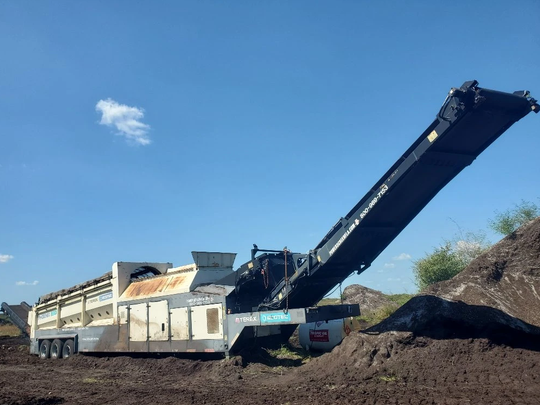
The Most Versatile Screener for Recycling? It's the Terex Ecotec Phoenix 3300
TL;DR: The Terex Ecotec Phoenix 3300 is the most versatile screener on the recycling market. It handles C&D debris, green waste, compost, topsoil, and scrap metal fines without a configuration overhaul between jobs. Interchangeable screen media, a hybrid power option, and a compact transport footprint let one machine cover jobs that would otherwise require two or three dedicated units.
Recycling operations don't fail because of bad intentions. They fail because the screener on-site can't handle the material actually showing up that week. You buy for construction debris, then a green waste contract lands on your desk, and suddenly the machine you own can't do the job you need it to do. Buy the wrong screener and you're renting a second machine within six months.
This is the problem versatility solves. A screener that adapts to multiple material streams protects your capital investment and keeps your equipment utilized instead of parked. Below is why the Phoenix 3300 earns that distinction, and what specifically to check before you commit.
See 2021 TEREX ECHOTEC PHOENIX 3300 Trommel Screener.
What makes a screener versatile in recycling applications?
A versatile screener processes multiple material types — C&D debris, organics, topsoil, mulch, and scrap — without requiring a different machine or a costly rebuild for each one. Three factors determine versatility: interchangeable screen media (mesh, punch plate, finger screens), adjustable screen angle for fine or coarse separation, and a power source flexible enough to run efficiently whether the job calls for diesel horsepower or electric efficiency.
A screener locked into one screen type or one fixed angle is a single-purpose machine wearing a general-purpose price tag. That's the trap. Specificity in design, not marketing language, is what tells you whether a machine can actually pivot between job types.
Why does the Terex Ecotec Phoenix 3300 outperform other screeners on versatility?
The Phoenix 3300 is built as a 2-deck incline screener, which means it separates material into three distinct fractions in a single pass — oversize, mid-size, and fines. That single-pass capability matters because it cuts handling time and reduces the number of passes needed to hit spec, regardless of whether the feedstock is crushed concrete or shredded green waste.
Key specs that drive its versatility:
- Screen area: Large double-deck screen box accepts mesh, punch plate, or finger-style media depending on material.
- Hopper capacity: Oversized hopper reduces loader cycle time on high-volume jobs like topsoil and compost.
- Power options: Diesel-direct or diesel-electric hybrid configurations, letting operators run on genset or mains power to cut fuel costs on stationary recycling sites.
- Transport footprint: Folds down to road-legal dimensions without major disassembly, which matters for contractors moving between multiple recycling yards or job sites in a single month.
- Tracked mobility: Self-propelled tracks reposition the unit within a yard without a separate loader or crane, a detail that saves real labor hours on C&D and demolition sites where material piles shift daily.
Choose the diesel-electric hybrid configuration if your site has grid power access and fuel costs are a bigger concern than mobility. Choose diesel-direct if you're moving the unit between remote sites where mains power isn't guaranteed.
How does the Phoenix 3300 compare to single-application screeners?
A dedicated topsoil screener can out-produce the Phoenix 3300 on pure topsoil volume. A dedicated C&D trommel might outlast it on pure concrete and rebar separation. But neither of those machines flexes when your material stream changes — and in recycling, the material stream changes constantly depending on contracts, seasons, and regional demand.
The tradeoff is straightforward: a single-application screener costs less upfront and may process its one material type faster, but it leaves you exposed the moment your business takes on a new waste stream. The Phoenix 3300 costs more initially but eliminates the need for a second or third machine, which is the real cost comparison most buyers skip. Run the numbers on total fleet cost, not just sticker price, before deciding.
What recycling material types can the Phoenix 3300 process?
The Phoenix 3300 is rated for the following applications:
- Construction and demolition (C&D) debris
- Green waste and yard trimmings
- Compost and finished mulch
- Topsoil and aggregate
- Scrap metal fines (post-shred separation)
- Biomass and wood waste
That range is what separates a genuinely versatile screener from one with a versatile marketing sheet. If a screener's spec sheet lists only one or two material types with confidence and hedges on the rest, that's your signal to keep looking.
What should you check before buying a screener for recycling?
Before signing on any screener, verify these five items — regardless of brand:
- Screen media interchangeability. Confirm how long it takes to swap screen types and whether that swap requires special tools or a service call.
- Hours and maintenance history. A 2019 unit with 3,000 hours and a documented service record beats a 2021 unit with 1,800 hours and no paperwork. Paperwork proves the machine was maintained, not just operated.
- Power configuration fit. Match the power source to your site's actual infrastructure, not the configuration that happened to be in stock.
- Transport and setup time. If you're moving the screener between sites monthly, setup time compounds into real labor cost over a year.
- Local parts and service support. Versatility on paper means nothing if a worn screen panel takes three weeks to replace.
Verify these in person or request documented service records before any purchase.
The bottom line on screener versatility
The Terex Ecotec Phoenix 3300 earns its reputation as the most versatile screener in recycling because its design — double-deck separation, interchangeable media, flexible power, and road-legal transport — matches the reality of recycling operations where the material stream never stays the same for long. A single-purpose screener might win on one job. The Phoenix 3300 wins across a full year of unpredictable contracts.
If your recycling operation handles more than one material type, or you expect it will within the next two years, the math favors one versatile machine over two or three specialized ones. Check current Phoenix 3300 availability and request full spec documentation before you buy.
Frequently Asked Questions
How much does a Terex Ecotec Phoenix 3300 cost?
Pricing varies by configuration (diesel-direct vs. hybrid), screen media included, and whether the unit is new or used. Contact a Terex Ecotec dealer for current pricing specific to your region and configuration.
How long does it take to switch screen media on the Phoenix 3300?
Screen changeovers are designed for minimal downtime, though exact swap times depend on the specific media type and operator experience. Confirm changeover time directly with a dealer or current owner before purchase.
Is the Phoenix 3300 a good fit for a small recycling operation?
It's best suited for operations processing multiple material streams or handling high volumes across several job types. A smaller operation running a single, consistent material type may be better served by a dedicated single-application screener at a lower cost.
What's the biggest risk in buying a used Phoenix 3300?
The same risk as any used heavy equipment: unclear maintenance history. Insist on documented service records and verify screen media wear in person before finalizing a purchase.
What are the alternatives to the Phoenix 3300 for recycling screening?
Other multi-material screeners worth comparing include trommel screens for C&D-heavy operations and dedicated topsoil screeners for landscaping supply yards. The right choice depends on whether your material stream is fixed or variable.