
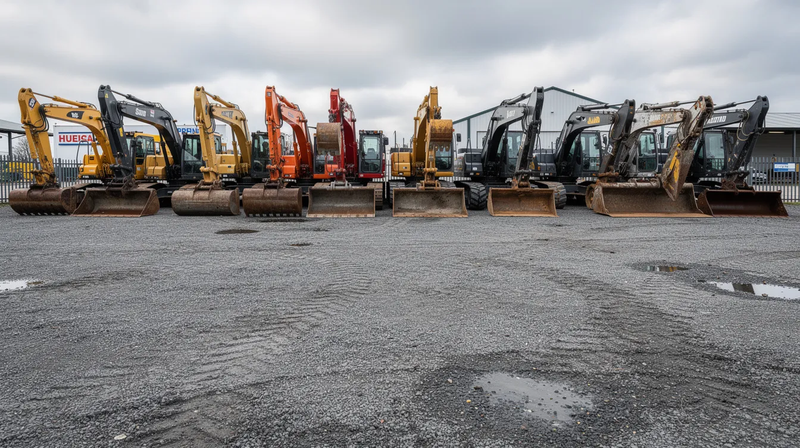
Where Can I Buy Used Heavy Equipment & Heavy Duty Commercial Trucks in New Jersey?
If you have a used sleeper, dump truck, day cab, or excavator sitting idle in your yard, you already know that every week it stays unsold costs you money. New Jersey offers several strong paths for moving heavy duty commercial trucks and construction equipment, each with different trade-offs in speed, price, and effort. This guide walks through your best options, how to prepare, and how to avoid the mistakes that leave sellers waiting months for a deal.
New Jersey has several dealers for purchasing used heavy equipment and commercial trucks, but knowing exactly where to look saves time and money. This guide walks you through the steps to find the right machines, from dealer corridors and auction houses to online platforms, so you can make a confident purchase.
Quick Answer: Best Places in New Jersey for Used Heavy Equipment & Trucks
If you need to find used heavy equipment or heavy duty commercial trucks in New Jersey, your best options are specialized dealerships, government auctions, and fleet liquidation sales. Used heavy equipment includes trucks, machinery, and trailers spread across the state's industrial corridors. Here are concrete examples of where to start:
-
Major dealer corridors: Route 1 from North Brunswick to Lawrence Township, Route 22 from Union to Somerville, and the I-95 corridor near Turnpike Exits 8A–10 all host clusters of equipment and truck dealers.
-
Key cities: Newark, Elizabeth, Jersey City, South Plainfield, and Vineland serve as primary hubs for people seeking excavators, loaders, day cabs, and vocational trucks.
-
Auction hotspots: Industrial auctions in Middlesex, Essex, and Gloucester counties run regular monthly equipment and truck sales.
-
Rural yards: Salem, Cumberland, and Warren counties are the place to search for farm equipment, older excavators, and vocational trucks at lower price points.
Most serious buyers in 2024–2026 shortlist 3–5 dealers within a 75-mile radius, then physically inspect machines before committing. The rest of this article compares dealers, auctions, private sales, and online marketplaces in detail.
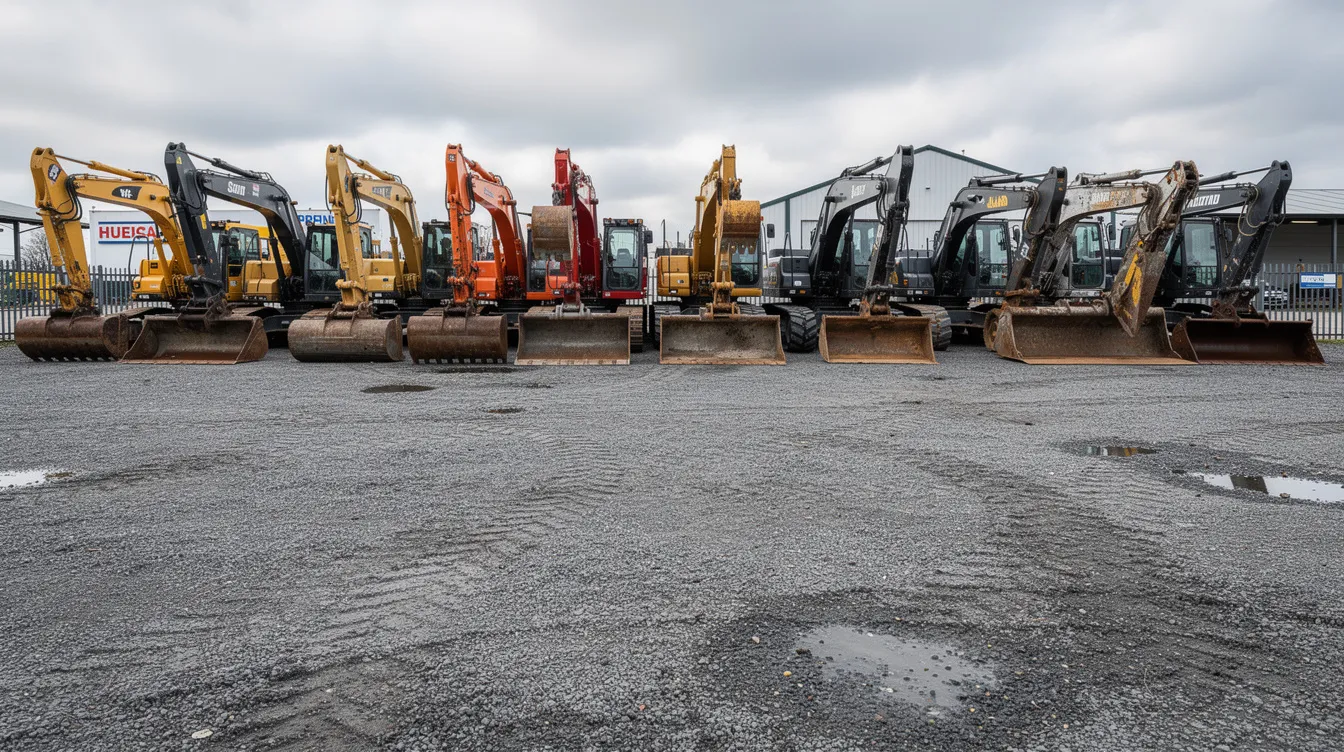
Top New Jersey Dealership Hubs for Used Heavy Equipment
New Jersey's used heavy equipment market grew around specific highways and industrial parks, making a single-day shopping loop practical. IronMartOnline specializes in used heavy equipment sales and is one resource where buyers can browse curated inventory of used equipment. Machinery Trader is a key resource for locating used construction equipment in New Jersey as well. Here is how the state's geography breaks down:
-
North Jersey (Newark, Kearny, Jersey City): Proximity to Port Newark–Elizabeth and major rail yards means faster equipment turnover and broader inventory. You will commonly find excavators, wheel loaders, and skid steers in this location. Thomas International LLC in Irvington is one dealer in this town that stocks dozers and excavators.
-
Central Jersey (South Plainfield, Piscataway, I-287 belt): Peak Equipment LLC in South Plainfield sells low-hour construction equipment with clear specifications. Route 1 and Route 130 near North Brunswick and Cranbury are areas where fleets store surplus telehandlers and older loaders.
-
South Jersey (Vineland, Millville, Bridgeton): More agricultural and vocational in nature-older dozers, farm tractors, and rear dump trucks. Prices tend to be lower, though condition varies more. Hook Equipment & Sales in Pennsville handles forestry and bucket trucks.
The word "where" has deep roots, akin to old english hwǣr and old high german hwār, literally meaning "at what place." Its pronunciation has shifted over centuries, but the meaning remains the same noun concept: a position in space. That linguistic direction points to exactly what every buyer needs-a real, physical location to inspect gear.
Where to Find Used Heavy Duty Commercial Truck Dealers in New Jersey
Heavy duty commercial trucks-Class 7 and 8 units including day cabs, sleepers, and vocational rigs that can weigh over 26,000 pounds-are sold by specialized truck dealers and fleet remarketing centers. There are various types of commercial trucks available for purchase, and commercial trucks include models like box trucks and flatbeds. Some commercial trucks are designed for specific industries like construction.
-
Newark–Elizabeth area: Concentrations of used highway tractors, port drayage trucks, and refrigerated units sit near the Turnpike and airport. Correa Trucking Services on Pacific Street in Newark handles heavy duty sales, parts, and financing.
-
North Bergen: DRS Truck Sales on Tonnelle Avenue offers Freightliner, Volvo, Kenworth, and Mack trucks. Buying from an established dealer often includes warranties or service support-DRS, for instance, provides warranties and DOT inspections.
-
Exit 8A–10 of the NJ Turnpike: Business parks here host fleet remarketing operations disposing of off-lease tractors and day cabs with documented service records.
Used heavy-duty commercial truck dealers include Coast Cities Truck and Equipment Sales and Penske Used Truck Center, both of which serve the region. Verify dealer reliability by checking reviews and their established history, and bear in mind that inspection compliance and DOT inspection status are crucial for commercial trucks. Always ask about prior use-port dray, regional haul, or construction-because each situation creates related but distinct wear patterns on parts like frames, suspension, and emission systems.
The english word "where" traces back to english hwǣr, referring to a specific place. For truck buyers, the questions are concrete: which lot, which dealer, which condition with respect to your budget.
Auction Houses & Fleet Liquidations: Buying in Batches
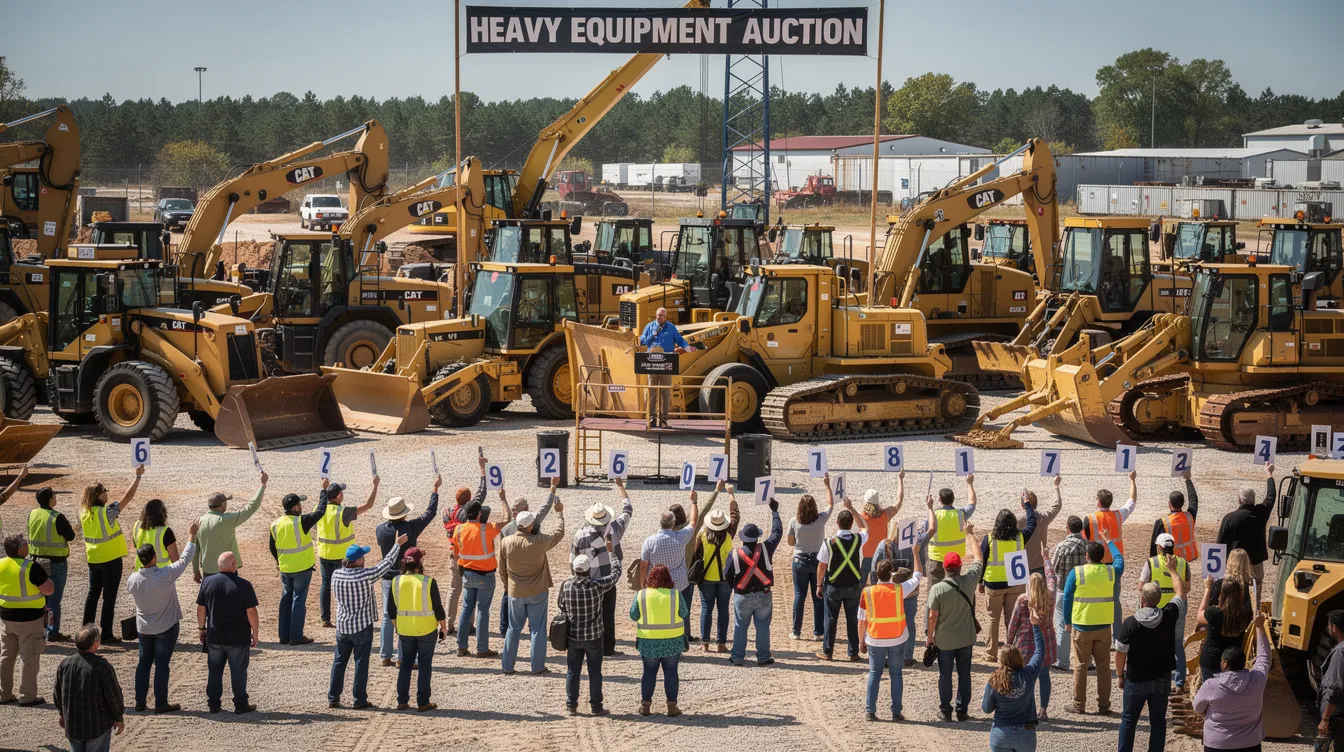
Auctions are a major source of used equipment when people have decided to downsize or when municipalities rotate fleets. Heavy equipment auctions are held by firms like Ritchie Bros. and IronPlanet. In New Jersey, the state's Distribution and Support Services holds scheduled auctions at 1620 Stuyvesant Ave in Trenton, with a heavy equipment auction expected in circumstances like the August 2026 cycle.
Here is how they typically work:
-
Equipment is consigned from contractors, rental houses, and government agencies. Inspection windows open the day before the sale, giving you time to act on evaluating each unit.
-
Bidding happens live on-site or online. Buyers receive support through inspections and logistics at many of these events.
Pros: Lower prices compared with retail, and wide variety-you might learn about 2016–2022 excavators, tandem dumps, and service trucks all in one yard. A contractor who needed three service trucks and two dump bodies could pick them all up in a single sale.
Cautions: Most lots are sold "as-is, where-is," which is no small matter. There is limited recourse if hidden defects surface. Pre-bid due diligence-checking undercarriage, frame rails, hydraulic leaks, and title status-is not optional. Attend at least one auction as an observer before bidding with serious money, and set maximum bids in advance based on comparable retail prices. That single action can save you real trouble down the line.
Online Marketplaces vs. Local Yards: Choosing How to Search
Buyers now combine online searching with in-person inspections-a practical workflow that every person in this market should remember. Cross-referencing local yards with nationwide listing platforms helps secure the best pricing and gives you a broader view of what is available across the state.
Advantages of online searches:
-
Filter New Jersey inventory by year, hours, mileage, and axle configuration. Detailed listings include clear specs and photos, making it easier to read through options before driving anywhere.
-
IronMartOnline specializes in used heavy equipment sales, providing secure transaction facilitation for buyers. The platform targets equipment owners wanting a professional sales experience, and IronMartOnline provides support through inspections and logistics. Buyers require reliable listings for used equipment with detailed condition information, and buyers can browse curated inventory with clear specifications on these platforms.
Advantages of visiting local yards:
-
You can physically check boom pins, undercarriage integrity, and signs of rust from winter road salt-problems that no page of photos fully reveals.
-
Test-drive heavy duty trucks on local roads and verify they can pass New Jersey safety inspection before you stay committed to a purchase.
Practical workflow: Start online, shortlist 5–10 machines or trucks within driving distance. Call ahead for service records and to confirm availability. Then schedule a single "loop day"-hit North Jersey in the morning, Central Jersey by midday, South Jersey by late afternoon.
A short linguistic aside adds context here: the very question "where can I buy…?" uses where as an adverb of place, functioning in sentences much like a pronoun or conjunction depending on the phrases around it. Its lineage goes back to high german hwār and old high german hwār, where it served as both a verb modifier and a speech marker. That same word, pronounced similarly to how it rhymes with "care," now drives every modern search query about direction and source. The plural forms and book entries for "where" show it as a versatile part of speech in english-a home for questions about location in every context.
What to Look for When Inspecting Used Heavy Equipment & Trucks
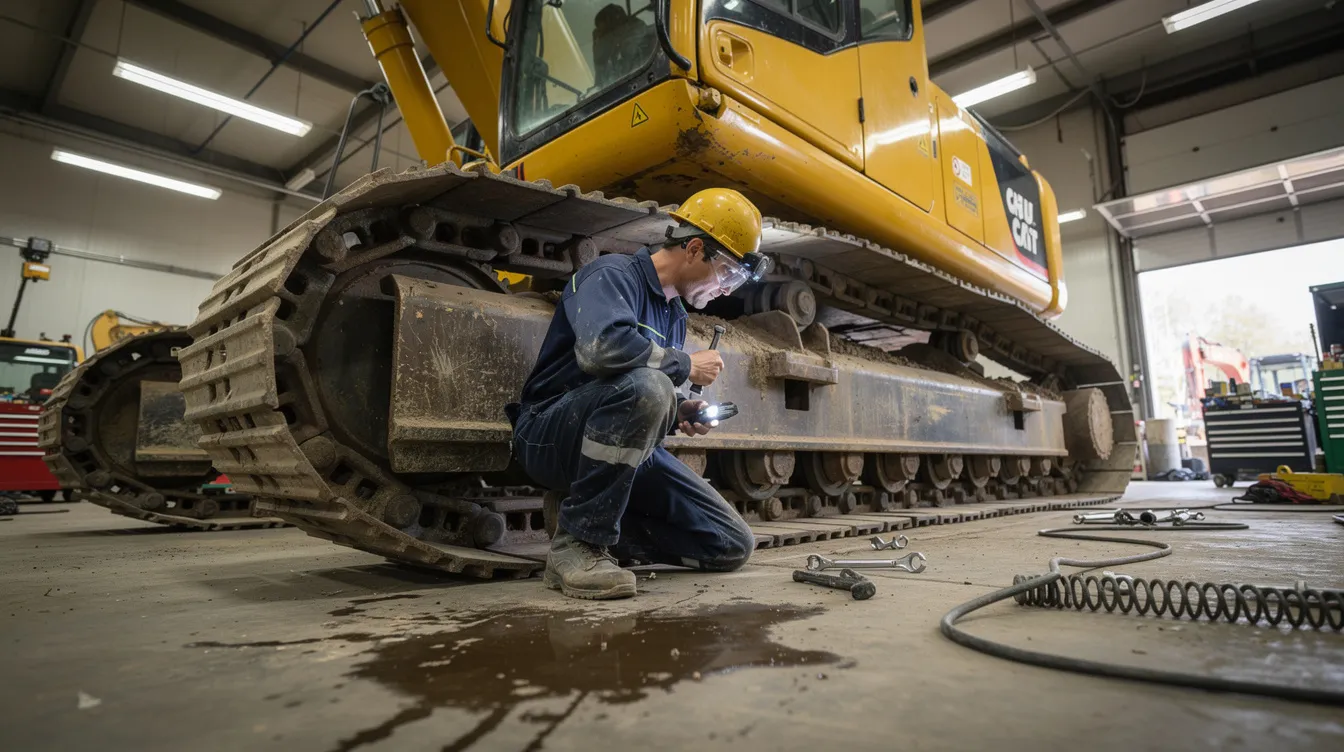
Knowing what to inspect can matter more than where you buy. Inspect before buying used machinery and check for heavy wear on the undercarriage-this single point of failure can cost tens of thousands to repair. Review maintenance records to minimize future downtime when buying used equipment, because a service history tells the story of how a machine actually lives.
Heavy equipment checklist:
-
Hours vs. condition: A well-maintained 7,000-hour excavator may meet your needs better than a neglected 4,000-hour unit. Hours are the object you measure, not just age.
-
Structural integrity: Look for cracks and welds on booms, sticks, and loader arms. Clothing on hydraulic hoses-blistering or dry-rot-signals deferred maintenance.
-
Hydraulics: Check for cylinder leaks and jerky movements under load, especially on a cold night or early morning when seals are stiff.
-
Undercarriage: Assess track wear on dozers and excavators. Replacement costs in New Jersey shops are high, so factor that into your bid.
Heavy duty truck checklist:
-
Engine and drivetrain: Listen for blow-by at startup, check active fault codes, and inspect transmission shifting.
-
Frame and suspension: Rust from NJ road salt accelerates corrosion on crossmembers-look for previous repairs, welds, and evidence children of overloading on dump and roll-off trucks.
-
Brakes and tires: Verify remaining brake life and tread depth against New Jersey's safety inspection standards.
Paperwork: Confirm clean title, lien release, and recent DOT inspection stickers. Port work and coastal exposure create hidden corrosion, so maintenance records are particularly valuable in this case.
Budgeting, Financing & Timing Your Purchase in New Jersey
Price is only one piece of total ownership cost. Consider comparing financing rates from dealers with outside lenders before a purchase-this step alone adds clarity to what you will actually spend.
Budget planning:
-
Calculate purchase price plus transport, initial repairs, registration, insurance, and NJ sales tax. A house-sized piece of equipment on a lowboy requires permits on NJ highways.
-
Set aside 10–20% of the machine's value as a reserve for early maintenance. That way you do not sit with a broken unit and no capital to fix it.
Financing options:
-
Equipment finance companies, local New Jersey credit unions, and in-house dealer financing are the most common. Lenders typically require invoices, serial numbers or VINs, and proof of business use.
Timing your purchase:
-
Late fall and early winter bring more used dump trucks and snow-ready units to market as fleets rotate. A july or early summer purchase often yields more excavators, skid steers, and pavers as contractors upgrade before peak season.
-
Each week brings new listings, so staying active in your search pays off.
Understanding where to buy and when to buy work together. "Where" links place, opportunity, and cost in every real-world purchasing decision. Start your search online this week, plan your loop day, and inspect everything in person before you sign.