
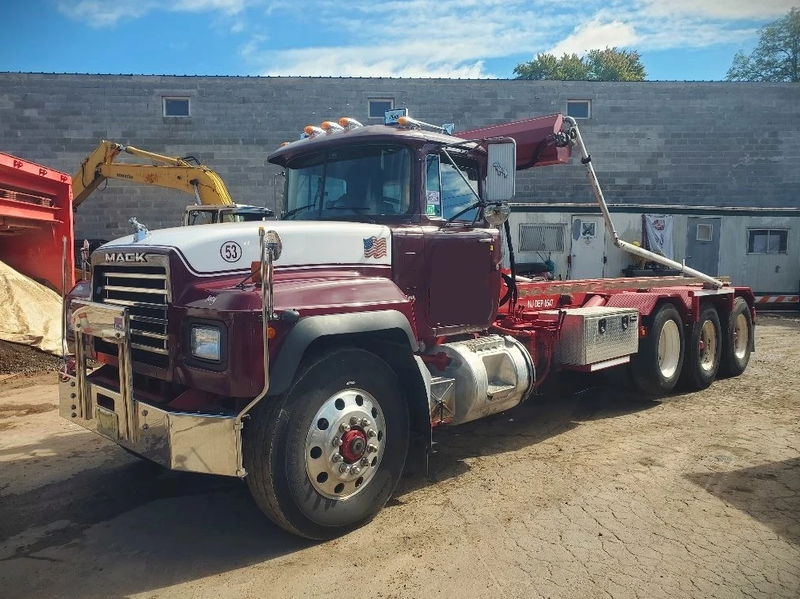
Why Used Mack Trucks Still Hold Their Value in 2026
TL;DR: Used Mack trucks hold value because of proven mechanical durability, strong parts availability, and a used truck market that still prices Mack reliability at a premium. Buyers get the biggest return by matching the right Mack model — Pinnacle, Anthem, or Granite — to the job, verifying maintenance history, and buying from a dealer who stands behind the inspection.
Buying a used truck is a bet on uptime. Every day that truck sits in a shop instead of running a route is money you don't make. That's why Mack trucks keep showing up on used lots and auction results with asking prices that don't collapse the way other brands do. The Mack name carries weight in the secondary market because the trucks earn it — mile after mile, haul after haul.
This guide breaks down why used Mack trucks retain value, which models hold up best, what to check before you buy, and how to avoid the mistakes that turn a "good deal" into an expensive lesson.
Why Do Used Mack Trucks Hold Their Value?
Three things drive resale strength: build quality, parts and service network, and reputation among fleet buyers who've run them for decades.
Build quality. Mack engineers trucks for vocational and heavy-haul work first, over-the-road comfort second. That means thicker frame rails, heavier-duty axles, and powertrains built to survive constant load cycling — construction sites, dump routes, regional freight. A truck engineered for abuse ages slower than one engineered for comfort.
Parts and service network. Mack Trucks has operated in North America since 1900, and that history built a dealer and parts network most competitors can't match in rural and industrial markets. A truck is only as valuable as your ability to keep it running. Buyers pay more for a brand where parts show up in two days instead of two weeks.
Fleet reputation. Mack trucks are a known quantity to the buyers who matter most in the used market: owner-operators and small fleets who need a truck that starts every morning. When a brand has a reputation for low total cost of ownership, used buyers compete for it, and that competition keeps resale prices firm.
Which Used Mack Models Hold Value Best?
Not every Mack model depreciates the same way. Match the model to your use case before you shop price.
- Mack Anthem — Mack's on-highway flagship, built for regional and long-haul freight. Strong resale on trucks with mid-range mileage (300,000–600,000 miles) and a documented service history.
- Mack Pinnacle — The workhorse for vocational and heavy-haul applications. Holds value especially well in axle-back and set-forward configurations used for dump, mixer, and heavy-equipment hauling.
- Mack Granite — Built for construction and severe-duty work. High resale demand because buyers know a Granite that's still running has already survived the conditions that kill lesser trucks.
- Mack TerraPro — Purpose-built for refuse and vocational routes. Narrower buyer pool, but strong value retention within that niche because there's no cheap substitute for the job.
Choose the Anthem if you need over-the-road comfort and fuel efficiency. Choose the Pinnacle or Granite if the truck's going to take a beating on job sites or off-road hauls.
What Should You Check Before Buying a Used Mack Truck?
A used truck's sticker price tells you what the seller wants. It doesn't tell you what the truck is worth. Verify these five things before you negotiate.
1. Engine hours vs. mileage — which tells the real story?
Mileage alone is a weak indicator of wear. A regional truck with 500,000 miles of highway running has an easier life than a vocational truck with 150,000 miles of stop-and-go, PTO-heavy work. Ask for engine hours alongside mileage, and weigh them against the truck's actual job history.
2. Is there a documented maintenance record?
A truck with a complete service binder — oil changes, DPF cleanings, clutch and brake replacements — is worth more than an identical truck with no paperwork, even if the second truck looks cleaner. Buyers who skip this step are the ones who get burned six months later with a $15,000 engine repair they didn't see coming. Request maintenance records before you schedule a viewing, not after you've already fallen for the truck.
3. What's the condition of the MP engine?
Most Mack trucks built in the last 15 years run the MP7, MP8, or MP10 engine family. Ask specifically about DPF and EGR system history — these components are common failure points and expensive to replace. A clean emissions system history is one of the strongest value indicators on a used Mack.
4. Does the frame and undercarriage match the use case?
For Pinnacle and Granite models used in vocational work, inspect the frame for cracks or repair welds, and check the condition of the suspension and axles. A truck that saved you $20,000 upfront but needs a $10,000 frame repair wasn't actually cheaper.
5. Who's selling it, and will they stand behind the inspection?
A dealer who provides a documented pre-purchase inspection is worth more than a private seller offering a lower price with no verification. If something goes wrong in the first 30 days, you want a seller who answers the phone.
How Much Should You Expect to Pay for a Used Mack Truck?
Pricing depends heavily on model, mileage, hours, and condition, so treat any number as a starting range, not a quote. In general, expect older vocational Macks (Granite, Pinnacle) with higher hours to sell at the lower end of the used heavy truck market, while well-maintained Anthems with moderate mileage and complete service records command a premium relative to comparable competitor trucks. The gap reflects the resale advantage discussed above — buyers pay more for a brand they trust to keep running.
Negotiate based on verified condition, not list price. A truck advertised at a competitive number but missing maintenance records should come down in price to offset your inspection and repair risk. A truck with full documentation and a clean emissions history justifies paying closer to asking.
How Do You Avoid Overpaying for a Used Mack Truck?
The fastest way to overpay is to shop by price before you know your spec requirements. Define your job first — payload, terrain, route type, PTO needs — then filter listings against that spec. This stops you from chasing a "deal" on a truck that's wrong for your operation.
Once you've narrowed the field:
- Pull the VIN and run a title and lien check.
- Request maintenance records and engine hour logs.
- Have a qualified diesel mechanic inspect the engine, transmission, and frame — not just the seller's shop.
- Compare the asking price against three to five comparable listings with similar mileage and hours.
- Negotiate using the inspection findings, not emotion.
Skip any one of these steps and you're gambling, not buying.
Used Mack Trucks Are a Calculated Bet, Not a Gamble
Used Mack trucks hold value because the brand earns trust the hard way — through decades of trucks that keep running past the point where cheaper builds quit. That reputation benefits you as a buyer, but only if you do the legwork to confirm the specific truck in front of you lives up to it.
Match the model to the job. Verify the maintenance history. Inspect the engine, frame, and emissions system before you sign anything. A truck that passes all three checks isn't just a good deal today — it's a Mack that'll still be worth buying used five years from now.
Ready to find your next Mack? Browse current listings or call a dealer today.
Frequently Asked Questions
Are used Mack trucks reliable?
Yes, used Mack trucks are known for strong mechanical durability, particularly in vocational and heavy-haul applications where the trucks are engineered to handle constant load cycling. Reliability depends heavily on maintenance history, so always verify service records before buying.
How many miles can a used Mack truck last?
Many Mack trucks, particularly those running the MP7, MP8, and MP10 engine families, can exceed 500,000 to 750,000 miles with proper maintenance. Engine hours and maintenance history matter more than mileage alone when assessing remaining lifespan.
What's the difference between a Mack Granite and a Mack Pinnacle?
The Mack Granite is built for construction and severe-duty applications like dump and mixer trucks. The Mack Pinnacle is a broader vocational and heavy-haul platform, available in configurations suited to regional freight as well as off-road work. Choose based on the terrain and load type you'll run most often.
Is it cheaper to buy a used Mack truck from a dealer or a private seller?
Private sellers often list lower prices, but dealers typically provide documented pre-purchase inspections and warranty support that reduce your risk. Factor inspection and potential repair costs into any private-sale price before comparing it to a dealer's asking price.
What should I check first when buying a used Mack truck?
Start with engine hours and maintenance records, not the odometer. A truck with complete service documentation and a clean emissions system history is a safer purchase than a lower-mileage truck with no paperwork.