

Table of Contents
- Why Use an Equipment Broker for Fleet Management
- Understanding Heavy Equipment Liquidation Strategies
- The Role of Brokerage Services in Fleet Lifecycle Management
- Used Machinery Brokerage Commission Structures Explained
- Evaluating Equipment Brokerage Platforms: Key Criteria
- How Brokers Handle Vehicle Acquisition and Procurement
- Maximizing ROI Through Strategic Equipment Disposal
- Integration With Fleet Management Systems and ERP Software
- Vetting a Fleet Broker: Essential Checklist for Fleet Managers
- Conclusion
Last Updated: August 22, 2026
Why Use an Equipment Broker for Fleet Management
Why use an equipment broker for fleet management? That's the question fleet managers face when sitting on surplus equipment, moving aging trucks, or hunting for reliable used machinery without overpaying. The answer matters because the difference between selling through a broker versus handling it yourself can mean tens of thousands of dollars in recovered value. A Heavy Equipment Broker connects your surplus equipment with qualified buyers across multiple platforms simultaneously, handling the entire disposition process from valuation through closing. Why use Ironmartonline as your equipment broker? Ironmartonline leverages nine specialized web-based selling platforms to ensure your equipment reaches millions of potential buyers with maximum efficiency. Our service is designed to be seamless and hassle-free, providing a professional marketplace without the burden of contracts or hidden fees.
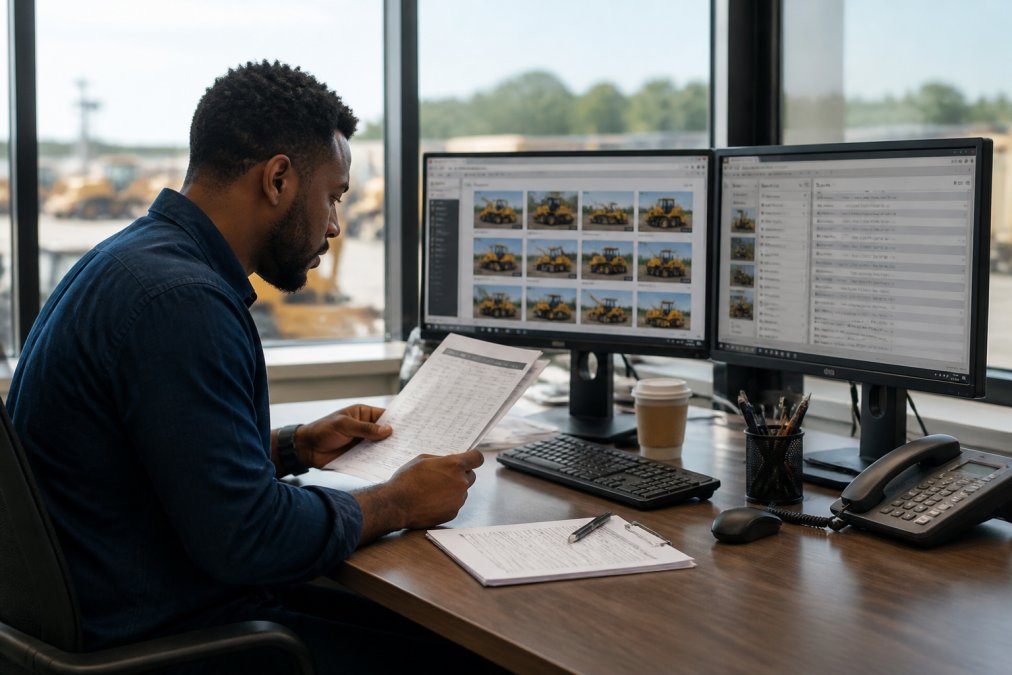
Fleet managers face mounting complexity. According to the 2026 State of Fleet Management survey by Fleetio, 54.4% of fleet managers cite rising costs as their top concern, while 30.8% still rely on spreadsheets to track assets. Managing vehicle acquisition, maintenance, compliance, and disposition demands expertise most internal teams lack. An equipment broker handles this specialized function, connecting surplus equipment with qualified buyers across multiple platforms simultaneously.
The used construction equipment market reached $142.60 billion in 2026 and is projected to grow to $243 billion by 2035, according to the Used Construction Equipment Market Report. That scale means buyers exist, but finding them without professional distribution channels is nearly impossible. Brokers leverage nine specialized web-based selling platforms to connect equipment with millions of potential buyers globally and locally, eliminating the fragmentation problem most fleet managers face selling independently.
The real value lies in expertise. Brokers handle the entire disposition process: photography, detailed descriptions, buyer qualification, price negotiations, and paperwork. They understand seasonal demand patterns, fair pricing for current market conditions, and optimal timing for sales. For fleet managers managing end-of-lease vehicles, aging equipment, or surplus machinery, that expertise translates directly into higher sale prices and faster turnaround times, making brokerage services essential infrastructure for managing total cost of ownership.
Understanding Heavy Equipment Liquidation Strategies
Heavy equipment liquidation isn't one-size-fits-all. The strategy for a construction contractor disposing of 50 dozers differs fundamentally from an owner-operator selling two trucks or a rental company managing quarterly fleet refreshes. Understanding which approach fits your situation determines whether you recover maximum value.
Three primary liquidation strategies dominate the market. Direct sales to individual buyers offer the highest potential price but require significant time and expertise. Auction platforms like Ritchie Bros. provide speed and guaranteed liquidity but typically involve higher buyer premiums and lower net proceeds. Brokerage services occupy the middle ground: they combine the pricing power of direct sales with the efficiency of professional marketing across multiple channels.
The choice depends on three variables: volume, timeline, and risk tolerance. A fleet manager disposing of 20-50 end-of-lease trucks might use an auction for speed. A contractor with specialized equipment needs brokerage expertise to find niche buyers willing to pay fair market value. An owner-operator benefits from a broker's ability to market across nine platforms simultaneously without running their own sales operation.
Research from the Fleet Management Market Report projects the global fleet management market will reach $88.49 billion by 2032, growing at 12.5% annually. That growth reflects a fundamental shift: fleet managers now treat equipment disposition as a critical component of total cost of ownership rather than an afterthought.
The Role of Brokerage Services in Fleet Lifecycle Management
Fleet lifecycle management spans acquisition, operation, maintenance, and disposition. Most fleet managers focus on operation and maintenance while neglecting the bookends: finding the right equipment at the right price and recovering maximum value when done with it.
A vehicle acquired for $45,000 might depreciate to $18,000 over five years if handled poorly, or retain $24,000 if strategically managed. That $6,000 difference per vehicle compounds across a fleet of 100 trucks into $600,000 in recovered capital. A broker's role is understanding where each piece of equipment sits in its lifecycle and positioning it to the right buyer at the right moment.
Equipment brokers operate within this lifecycle framework by managing both ends. On acquisition, brokers source used equipment meeting your specifications without dealer markup. On disposition, they handle the entire sale process from valuation and marketing through buyer qualification and closing. This full-cycle approach reduces operational burden while improving outcomes.
Consider the data: TSC Contracting saved 30% in overall fleet costs through managed vehicle programs including professional brokerage services. Kubota Tractor Corporation recovered over $365,000 in vehicle resale gains through strategic disposition. The City of Wausau saved $482,000 over four years by optimizing fleet lifecycle with professional support. These results reflect treating fleet lifecycle management as strategic rather than administrative.
Used Machinery Brokerage Commission Structures Explained
Commission-based pricing aligns broker incentives with yours: they make more money when they sell your equipment for more money. That's fundamentally different from fixed-fee platforms that profit regardless of your outcome.
Most brokers operate on a commission-only model with no upfront listing fees or long-term contracts. This approach exemplifies the best practice: you pay nothing until equipment sells, and the broker's fee comes from the sale price. This eliminates the risk of paying marketing costs for equipment that doesn't move and motivates the broker to price competitively and market aggressively.
Commission percentages vary by equipment type, condition, and market demand. The key question isn't whether commission is high or low, but whether the broker's marketing reach justifies the percentage by achieving a higher sale price than you'd get independently.
If you sell a $30,000 truck through a broker at 7% commission ($2,100), you net $27,900. If you sold it yourself and achieved a 10% lower price due to limited reach, you'd net $27,000 while spending 40 hours managing the listing. The broker's commission effectively paid for itself plus saved your time. That's the ROI calculation most fleet managers miss.
Transparency matters. Reputable brokers disclose commission structure upfront and explain what services are included: photography, descriptions, buyer screening, negotiations, and paperwork. Hidden fees or surprise charges are red flags.
Evaluating Equipment Brokerage Platforms: Key Criteria
Not all equipment brokerage platforms operate the same way. Evaluating which platform fits your needs requires assessing five core criteria.
Reach and Distribution Channels. How many platforms does the broker use to market your equipment? Leading brokers leverage nine specialized web-based selling platforms, multiplying exposure compared to brokers using one or two channels. Ask for specifics: which platforms, what's the geographic reach, and how often does your listing get refreshed?
Commission Structure and Transparency. Get the fee structure in writing before committing. Does the broker charge commission only, or are there additional fees for photography, inspections, or title transfer? Transparent brokers provide this information without hesitation.
Speed of Sale. How quickly does equipment typically sell? Industry average is 30-90 days depending on condition and demand. Brokers with strong buyer networks move equipment faster, reducing carrying costs and accelerating capital recovery.
Buyer Quality and Vetting. Does the broker screen buyers to ensure serious, qualified purchasers? Poor vetting leads to deals that fall through. Ask how the broker qualifies buyers and handles payment security.
Support for Your Equipment Type. Some brokers specialize in construction equipment, others in trucks, some in mixed fleets. Match the broker's specialty to your equipment. A broker with deep expertise in excavators will achieve better pricing than a generalist.
Leading brokers score well across these criteria: nine platforms provide exceptional reach, commission-only pricing eliminates surprise costs, and their focus on heavy equipment and trucks aligns with most fleet manager needs. asset finance options.
How Brokers Handle Vehicle Acquisition and Procurement
Acquiring the right equipment at the right price is half the fleet lifecycle challenge. Most fleet managers approach acquisition through dealers (adding 15-25% markups), auctions (requiring cash on hand), or private sellers (demanding significant due diligence).
Equipment brokers flip the acquisition model. Instead of you hunting for equipment, brokers actively source machines matching your specifications from a network of sellers. They handle inspections, verify title and condition, negotiate pricing, and manage logistics. For fleet managers needing multiple units or specialized equipment, this saves enormous time and typically achieves better pricing than dealer channels.
The sourcing advantage comes from broker networks. Connected to rental companies, contractors, and other fleet managers, brokers get first access to equipment before it hits public markets. They understand fair market pricing from tracking thousands of transactions annually and negotiate volume discounts with sellers.
Procurement through a broker also reduces risk. The broker has already verified equipment condition, title status, and mechanical soundness. For fleet managers acquiring used equipment, that third-party verification adds confidence that you're not inheriting hidden problems.
A broker handling both acquisition and disposition understands your entire fleet lifecycle. They can advise on optimal timing for equipment sales, help you plan refreshes, and ensure you're maximizing recovery value on older units while acquiring replacements. That holistic approach treats your fleet as a managed asset rather than a collection of individual transactions.
Maximizing ROI Through Strategic Equipment Disposal
Equipment disposal is where fleet managers leave the most money on the table. A truck worth $18,000 at end-of-life might be worth $24,000 if disposed strategically. That $6,000 difference per vehicle compounds across a fleet into six-figure gains.
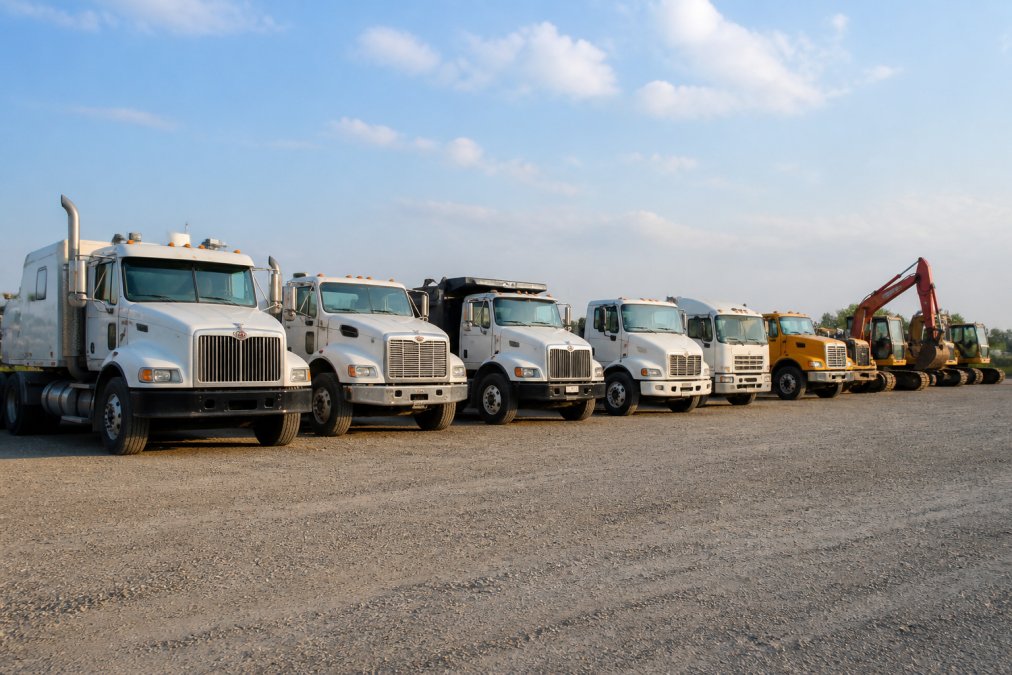
Three practices drive better disposal outcomes. First, timing matters. Equipment sold during peak demand seasons commands higher prices. A truck sold in spring when construction activity peaks might fetch 8-12% more than the same truck sold in winter. Brokers understand seasonal patterns and advise on optimal sale windows.
Second, condition preparation yields disproportionate returns. A $1,500 investment in reconditioning, detailing, and minor repairs can add $3,000-$5,000 to sale price. Mike Albert Fleet Lease Remarketing reports that strategic reconditioning typically returns $2-$3 for every $1 invested.
Third, buyer matching determines price. A specialized piece of equipment sold to a buyer who specifically needs it commands premium pricing versus liquidation to a generalist buyer. A broker's network of industry-specific buyers ensures your equipment reaches buyers willing to pay fair market value.
Professional brokers leverage all three. By marketing across nine platforms, they reach diverse buyer pools. By handling condition assessment and photography, they present equipment in its best light. By managing negotiations, they ensure pricing reflects actual market value.
If a broker's commission results in a 12% higher sale price due to better positioning and buyer reach, the math is simple: you net more money after commission than you would have without the broker. For a fleet of 50 trucks, that's substantial incremental value.
Integration With Fleet Management Systems and ERP Software
Modern fleet management isn't siloed. Your acquisition, maintenance, compliance, and disposition data needs to flow seamlessly through integrated systems. A broker who understands this integration becomes an extension of your operational infrastructure rather than an external vendor.
The integration challenge is real. Many fleet management platforms track vehicle operations and maintenance but lack strong disposition modules. ERP systems handle financial data but don't integrate directly with equipment sales platforms. That gap means manual data entry, duplicate records, and lost visibility into how disposition outcomes affect total cost of ownership calculations.
Brokers who work with fleet management systems understand this pain point. They can provide data exports in formats that integrate with your existing platforms and track disposition outcomes with reporting that feeds back into your cost analysis.
For large fleets managing hundreds of vehicles, manual tracking becomes impossible. When disposition data doesn't integrate with your fleet management system, you lose visibility into whether your sale timing, pricing, and buyer selection strategies are actually optimizing total cost of ownership.
The best brokers recognize this and work to integrate their services into your operational workflow. They provide regular reporting, export data in usable formats, and coordinate with your fleet management team to ensure disposition outcomes inform procurement and maintenance decisions.
Vetting a Fleet Broker: Essential Checklist for Fleet Managers
Choosing the wrong broker can cost you thousands in lost value or delayed sales. Vetting a fleet broker systematically protects your interests.
The Essential Vetting Checklist:
-
Commission Structure: Get written confirmation of all fees. Confirm there are no hidden charges for photography, inspections, or title transfer. Ensure commission is paid only after sale closes.
-
Platform Reach: Ask which platforms the broker uses. Request examples of recent sales across different channels. Verify they market to a global audience.
-
Track Record with Your Equipment Type: Request case studies or references specifically for equipment you plan to sell.
-
Buyer Vetting Process: How does the broker qualify buyers? Do they screen for payment capability? What happens if a buyer defaults?
-
Timeline and Speed: What's the average time-to-sale for equipment like yours? Is there a maximum holding period after which equipment is returned unsold?
-
Payment Security: How does the broker handle payment? Do they use escrow? What's the payment timeline after sale?
-
References and Verification: Request three references from fleet managers who've sold similar equipment in the last 12 months. Call them directly.
-
Contract Terms: Review the broker agreement carefully. Confirm no long-term lock-in or exclusivity clauses. Verify you can terminate if dissatisfied.
-
Communication and Reporting: How often will you receive updates? What information will they provide? Can you access listings in real-time?
-
Industry Credentials: Is the broker a member of industry associations? Do they carry errors and omissions insurance?
-
Specialization Alignment: Does the broker specialize in your equipment type? Specialists often outperform generalists.
-
Scalability: If you plan to sell equipment regularly, can the broker handle increasing volume?
This checklist covers critical factors. A broker who hesitates to answer these questions directly is signaling that transparency isn't their priority. The best brokers answer each question clearly and provide documentation backing their claims.
The fleet management market is evolving rapidly. According to the 2026 Fleet Technology Trends Report from Verizon Connect, 46% of fleets now use AI-enabled video telematics, and GPS fleet tracking adoption has reached 80%. That technological advancement is reshaping how fleet managers approach the entire lifecycle. Professional brokerage services have become essential infrastructure for managing total cost of ownership effectively. A multi-platform approach, transparent commission structure, and focus on heavy equipment and trucks align directly with how modern fleet managers optimize equipment decisions. Start with the vetting checklist, compare brokers systematically, and choose the partner who demonstrates clear commitment to maximizing your equipment value.
=== FAQ ANSWERS (audit these too, same rules) ===
Frequently Asked Questions
What are the primary benefits of using a fleet equipment broker?
A fleet equipment broker simplifies the acquisition and disposal process by managing multiple sales channels simultaneously, reaching millions of potential buyers across nine specialized web-based platforms. Brokers handle photography, detailed equipment descriptions, buyer qualification, price negotiations, and paperwork, reducing administrative burden on fleet managers. They also provide market expertise on fair pricing and seasonal demand patterns. For fleet managers disposing of end-of-lease units, brokers eliminate the 'fragmentation problem' of managing listings across multiple platforms independently, saving time and increasing the likelihood of optimal pricing.
How do used machinery brokerage commission structures typically work?
Most equipment brokers operate on a commission-only model, meaning no upfront listing fees, hidden charges, or long-term contracts. The broker's fee is typically a percentage of the final sale price, aligning their incentive with achieving the highest possible price for your equipment. This structure eliminates the financial risk of listing your machinery, you only pay when equipment sells. Commission percentages vary by broker and equipment type, so it's essential to request a detailed fee breakdown before listing.
How long does it typically take to sell equipment through a broker?
Timeline varies based on equipment type, condition, market demand, and pricing strategy. Well-maintained, in-demand equipment often sells within 30-60 days when listed across multiple platforms. However, specialized or niche machinery may take 90-180 days. Brokers with access to nine web-based selling platforms typically achieve faster sales than single-platform listings because they reach a wider buyer pool. For fleet managers needing faster liquidation, some brokers offer auction platforms, which can liquidate large quantities quickly, though auction buyers often pay premiums that reduce net proceeds compared to negotiated brokered sales.
What should fleet managers look for when evaluating equipment brokerage platforms?
Evaluate brokers on platform reach (how many sales channels they access), fee transparency (commission structure clearly disclosed upfront), buyer vetting (whether they screen for serious, qualified buyers), and service scope (photography, descriptions, negotiations, paperwork handling). Check references from similar-sized fleets and request examples of recent sales prices for equipment comparable to yours. Verify whether the broker handles international logistics if you plan global sales. Confirm they integrate with your existing ERP or fleet management software to streamline data flow. Finally, assess their market expertise, brokers who understand seasonal demand patterns and fair pricing for current market conditions deliver better results than those using outdated valuation methods.
This article was written using GrandRanker