
Table of Contents
- Why Choose an Equipment Sales Alternative Over Direct Sales?
- Equipment Sales Alternatives: Overview and Comparison
- Online Marketplaces for Used Machinery
- Heavy Equipment Auctions: Speed and Transparency
- Equipment Consignment Services for Hands-Off Selling
- Sell Heavy Equipment Fast: Direct Purchase Options
- Key Factors for Choosing Your Equipment Sales Alternative
- Inspection, Documentation, and Building Buyer Confidence
- Conclusion: Finding Your Best Equipment Sales Alternative
Equipment Sales Alternatives: Quick Selling Methods
Last Updated: July 31, 2026
When you need to move heavy equipment fast, the traditional route of finding a buyer yourself can take months. A machinerycash alternative for quick sales offers a fundamentally different approach, one that connects your machinery to millions of potential buyers across multiple platforms simultaneously. Construction contractors, fleet managers, agricultural business owners, and equipment rental companies face the same challenge: how do you liquidate assets without sacrificing value or waiting endlessly for the right offer?
Why use a Heavy Equipment Broker when you're sitting on surplus excavators, dozers, trucks, or other heavy machinery? The answer lies in reach and efficiency. Professional heavy equipment brokers use specialized web-based selling platforms to ensure your equipment reaches a global and local audience without the friction of managing multiple listings yourself. Unlike posting on a single marketplace and hoping for qualified buyers, a machinerycash alternative for quick sales through a heavy equipment broker means your asset gets maximum exposure across channels designed specifically for heavy equipment transactions. This isn't about listing and waiting, it's about strategic placement where serious buyers already search.
The real difference between equipment sitting idle and equipment selling within weeks comes down to three factors: visibility, credibility, and transaction support. Most sellers underestimate how much time they'll spend fielding unqualified inquiries, managing negotiations, handling inspections, and coordinating logistics. That's where a machinerycash alternative for quick sales becomes invaluable. Below, we'll explore the specific selling methods available to you, from online marketplaces and auctions to consignment services and direct purchase options, so you can choose the approach that matches your timeline, equipment type, and acceptable commission structure.
Why Choose an Equipment Sales Alternative Over Direct Sales?
Selling heavy equipment privately sounds straightforward until you're managing it yourself. The equipment sits in your yard, you field calls from tire-kickers and international inquiries you can't fulfill, and months pass with no real offer. A machinerycash alternative for quick sales solves this by shifting the burden from you to a professional platform or broker.
Direct sales require you to handle marketing, inspections, negotiations, title transfers, and logistics coordination. Each step introduces delays. International buyers add customs paperwork and shipping complexity. Equipment condition questions require documentation you may not have organized. By contrast, a structured machinerycash alternative for quick sales, whether through an online marketplace, auction house, or consignment service, brings three immediate advantages: aggregated buyer access, standardized transaction processes, and professional credibility that accelerates decision-making.
The speed difference is measurable. Equipment listed through professional channels typically sells faster than private sales because the platform has already filtered and pre-qualified the buyer pool. Auction houses create urgency through bidding. Consignment services handle marketing and showings. Online marketplaces connect you to buyers actively searching for your exact equipment type. None of these require you to be a salesperson or logistics coordinator.
There's also the matter of net proceeds. Yes, commission structures vary across alternatives, but a faster sale often yields better results than a slow private sale where you're forced to drop price just to move inventory. The time cost of managing a private sale, weeks of your attention, follow-ups with unqualified leads, coordination with mechanics for inspections, has real value. A machinerycash alternative for quick sales shifts that cost to professionals trained to handle it.
Equipment Sales Alternatives: Overview and Comparison
A machinerycash alternative for quick sales comes in four primary forms, each designed for different timelines, equipment types, and seller preferences. Understanding the differences between them helps you match your situation to the right approach.
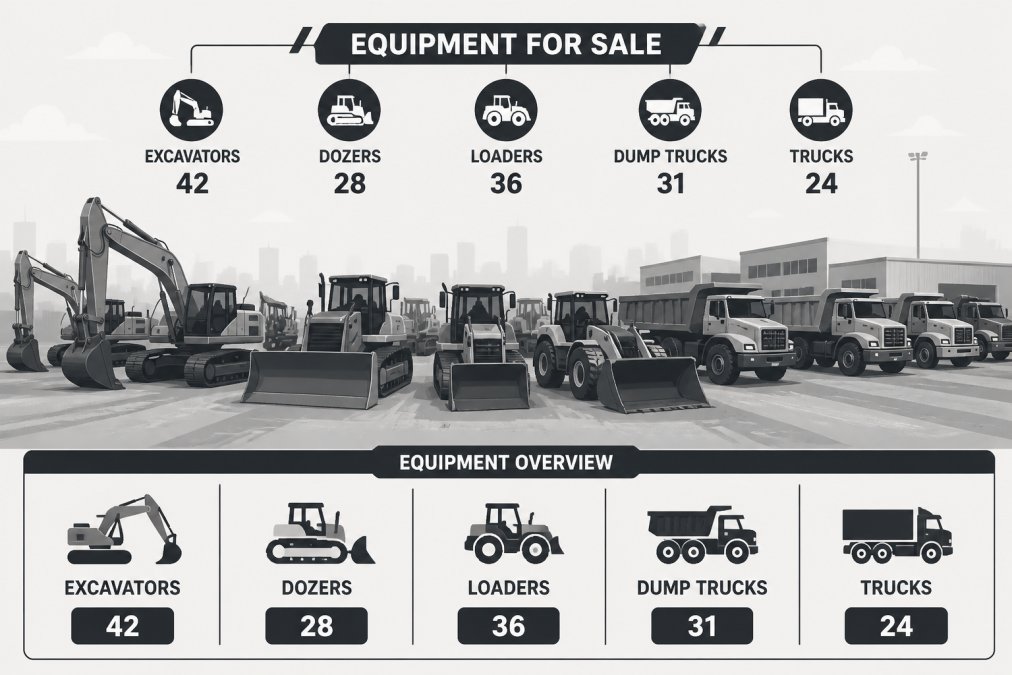
Online Marketplaces like Ironmartonline's network, Mascus, and Aucto connect sellers directly to a global audience of qualified industrial buyers. You list your equipment with photos, specifications, and asking price, then manage inquiries. These platforms charge listing fees or take a commission on the sale. The advantage is control, you set the price and terms. The trade-off is that you handle negotiations and inspections yourself.
Heavy Equipment Auctions conducted by firms like Ritchie Bros. and IronPlanet use competitive bidding to establish market value. The auctioneer handles marketing, inspection coordination, and transaction logistics. You receive payment quickly after the auction closes. Commission rates are higher, but the speed and certainty appeal to sellers who need liquidity fast.
Consignment Services place your equipment on a dealer's lot or listing under their management. They handle all marketing, showings, and negotiations. You pay commission only when the equipment sells. This is ideal if you want hands-off selling but don't need immediate payment.
Direct Purchase Options like Allset Machinery buy your equipment outright for fair market value. Payment is immediate, and they handle removal. You sacrifice some upside but eliminate all uncertainty and effort. Best for sellers prioritizing speed and simplicity over maximum price.
Quick Comparison Table
| Sales Method | Timeline | Commission/Fee | Best For | Your Involvement |
|---|---|---|---|---|
| Online Marketplaces | 4-12 weeks | Varies | Specific buyers, premium pricing | High - manage inquiries and negotiations |
| Heavy Equipment Auctions | 2-6 weeks | Varies | Quick liquidation, broad reach | Low - auctioneer handles logistics |
| Consignment Services | 6-16 weeks | Varies | Hands-off selling, diverse inventory | Minimal - drop off and wait |
| Direct Purchase | 1-2 weeks | Negotiated discount | Speed, certainty, simplicity | Very low - one transaction |
Online Marketplaces for Used Machinery
Online marketplaces represent the modern standard for equipment sales. They aggregate millions of active buyers searching for specific machinery types, creating a concentrated pool of qualified prospects. A machinerycash alternative for quick sales through online marketplaces works because the platform does the heavy lifting of visibility, your equipment appears in search results, category filters, and automated alerts to buyers tracking equipment like yours.
Ironmartonline operates nine specialized web-based selling platforms designed to connect buyers and sellers globally and locally without contracts or hidden fees. The approach is straightforward: you list your equipment once, and it reaches millions of potential buyers across multiple channels. This distributed reach is the core advantage. Rather than hoping the right buyer finds your single listing, you're present wherever qualified buyers search.
Mascus serves as an international electronic marketplace with a broad range of equipment categories across agriculture, construction, and transportation. The platform connects sellers to a global audience, though you manage your own sales process and negotiations. Listing packages vary in cost and visibility.
Aucto operates as a technology-driven platform connecting sellers to pre-qualified industrial buyers in over 70 countries. They emphasize simplified asset resale with access to real-time market valuations, helping you price competitively.
Surplus Record offers a no-commission alternative, you keep 100% of the sale price. The trade-off is that sellers manage their own negotiations and transactions. The platform provides free customized seller web pages and high search engine visibility, which can drive significant traffic if you're willing to handle inquiries directly.
How to Optimize Your Listings for Maximum Reach
A machinerycash alternative for quick sales through online marketplaces lives or dies on listing quality. Serious buyers evaluate equipment based on three things: photos, specifications, and documentation. Weak listings get passed over, no matter how well the platform markets them.
Photography matters more than most sellers realize. Take photos in natural daylight from multiple angles, front, sides, rear, and close-ups of the engine, hydraulics, and any wear. Include photos of the operator station, controls, and any attachments. Photos of maintenance records and service logs build confidence. A listing with high-quality photos gets more inquiries than one with blurry images.
Write detailed specifications. Include make, model, year, hours of operation, engine size, bucket capacity, attachments, and any recent repairs or maintenance. Buyers search by these specs, so completeness matters for discoverability. Use standard terminology, if you're unsure what to call something, search similar listings to match the language.
Document everything. Attach scans of the bill of sale, maintenance records, service invoices, and inspection reports. International buyers especially want proof of maintenance because it reduces their perceived risk. If you've replaced the engine, transmission, or major components, document those upgrades. This documentation justifies your asking price and accelerates negotiations.
Price strategically. Research comparable equipment on the same platform, filter by year, hours, and condition to find true comparables. Overprice and you'll get no inquiries. Underprice and you're leaving money on the table. Most successful listings price within the market range for that equipment type and condition. If your equipment has unique features or lower hours, price at the higher end. If it needs work or has higher hours, price more aggressively.
Respond quickly to inquiries. Serious buyers contact multiple listings simultaneously. The first seller to respond and answer questions thoroughly wins the negotiation. Aim to reply within 24 hours, ideally within 4 hours.
Heavy Equipment Auctions: Speed and Transparency
Auctions represent the fastest path to a sale when you need to move equipment quickly. The auction format creates urgency through competitive bidding, which often drives prices higher than private negotiations. A machinerycash alternative for quick sales through auctions appeals to sellers who prioritize speed, certainty, and professional transaction handling over maximum price negotiation.
Ritchie Bros. Auctioneers operates as the largest global auctioneer of heavy equipment, conducting worldwide public auctions both online and on-site. Their extensive buyer network and established reputation mean your equipment gets exposure to serious, pre-qualified bidders. Auctions are scheduled weeks in advance, giving them time to market your equipment and attract competition.
IronPlanet combines auction and "Buy Now" options, offering flexibility. Their IronClad Assurance® inspection reports reduce buyer risk and can accelerate sales. The platform manages listing, inspection, and marketing, so you're largely hands-off.
Both auction houses charge commission on the sale price, which is higher than some marketplace listing fees. However, the speed and certainty often justify the cost, especially if you need capital quickly or manage a fleet liquidation.
Reserved vs. Unreserved Auctions
The choice between reserved and unreserved auctions affects both the timeline and final price. A reserved auction allows you to set a minimum acceptable price, the equipment won't sell below that threshold. This protects you from undervaluation but may result in a failed auction if bidding doesn't reach your reserve. Failed auctions require relisting, adding 2-4 weeks to your timeline.
An unreserved auction means the equipment sells to the highest bidder, regardless of price. This guarantees a sale, which appeals to sellers who prioritize speed and certainty. The final price may be lower than expected, but you know exactly when you'll have payment and the transaction is final.
For a machinerycash alternative for quick sales, unreserved auctions work best if you've priced your reserve competitively, research comparable equipment and set a reserve at or slightly below market value. This increases the likelihood of a sale while still protecting you from fire-sale pricing. Auction houses can advise on appropriate reserve levels based on equipment condition and current market demand.
Equipment Consignment Services for Hands-Off Selling
Consignment represents the least demanding path to a sale. You deliver your equipment to the consignor's lot or listing, they handle all marketing, showings, and negotiations, and you receive payment when the equipment sells. A machinerycash alternative for quick sales through consignment appeals to sellers who want to avoid the sales process entirely but don't need immediate payment.
Ultimate Equipment Brokers exemplifies the full-service consignment model. They manage appraisals, handle marketing and sales, coordinate inspections, and manage logistics. Their network and expertise mean your equipment gets professional presentation and serious buyer attention. Payment comes after the sale closes, typically within 30 days.
Consignment timelines vary, equipment typically sells within 6-16 weeks depending on type, condition, and market demand. Commission structures vary. The trade-off is clear: you pay more in commission but invest zero effort in selling.
Consignment works best for sellers with multiple pieces of equipment, those managing fleet reductions, or anyone who values their time above the commission cost. If you're selling a single excavator and need payment within 30 days, consignment may be too slow. If you're liquidating 20 pieces of equipment and want professional representation, consignment is ideal.
The consignment agreement should specify the listing period (typically 60-90 days), reserve price if applicable, commission percentage, and payment terms. Read the contract carefully, some consignors require exclusive listing, meaning you can't sell the equipment elsewhere during the consignment period.
Sell Heavy Equipment Fast: Direct Purchase Options
When speed is the absolute priority, direct purchase eliminates all uncertainty. A machinerycash alternative for quick sales through direct purchase means a broker or dealer buys your equipment outright for fair market value. Payment is immediate, and they handle removal and logistics. You sacrifice some upside but gain certainty and simplicity.
Allset Machinery buys used industrial equipment directly, offering fair market value and quick removal. They specialize in fabrication, metalworking, plant support, and chip processing machinery. The process is straightforward: you contact them, they evaluate your equipment, they make an offer, and if accepted, they remove it and pay you. Timeline: 1-2 weeks from initial contact to payment.
Direct purchase prices are typically below what you'd receive through auction or marketplace sale, reflecting the buyer's assumption of risk and effort. However, if you need cash within days and want to avoid managing a sales process, that discount is worth the trade-off.
Direct purchase works best for equipment that's older, has high hours, or needs repairs. Buyers in this category expect to refurbish or part out the equipment, so they price accordingly. If your equipment is in excellent condition and you have time to wait, an auction or marketplace sale will yield better returns.
Key Factors for Choosing Your Equipment Sales Alternative
Selecting the right machinerycash alternative for quick sales depends on four variables: timeline, equipment condition, effort tolerance, and financial return priority.
Timeline is the primary driver. If you need payment within 2 weeks, direct purchase is your only option. If you can wait 4-6 weeks, auctions are ideal. If you can wait 8-12 weeks, online marketplaces or consignment offer more flexibility and potentially better pricing.
Equipment condition affects which channels are viable. Equipment in excellent condition with complete documentation sells well through online marketplaces, you can command premium pricing. Equipment needing repairs or lacking documentation may not attract serious marketplace buyers. Auctions accept any condition but will note defects prominently. Direct purchase is always an option regardless of condition.
Your effort tolerance shapes the practical choice. If you want zero involvement, consignment or direct purchase eliminates your workload. If you're willing to manage some inquiries and negotiations, online marketplaces give you more control. If you want professional handling with moderate involvement, auctions are a middle ground.
Financial return priority determines acceptable commission levels. Direct purchase is cheapest in terms of effort but yields the lowest price. Online marketplaces with listing fees cost less in commission but require your time. Auctions and consignment take higher commission but handle everything professionally.
Pricing Strategies and Commission Structures
A machinerycash alternative for quick sales requires understanding how different channels monetize and what that means for your net proceeds. Commission structures vary significantly.
Online marketplaces typically charge commission on the sale price, or flat listing fees depending on visibility tier. Some platforms like Surplus Record charge no commission but ask subscription fees for premium listings. Calculate your net return by subtracting commission from your asking price. If you list a $50,000 excavator on a platform charging commission, your net is less than the asking price before any transportation or title transfer costs.
Auction houses charge commission on the sale price. Additionally, they may charge inspection fees or marketing fees. Your net return is the hammer price (final bid amount) minus all fees.
Consignment services charge commission, sometimes on a sliding scale, higher commission for slower-moving equipment, lower for quick sales. Some also charge storage fees if equipment sits beyond a certain period.
Direct purchase involves negotiation, but expect to receive a percentage of fair market value depending on equipment condition and market demand.
To compare channels fairly, calculate your net proceeds under each scenario. A $100,000 excavator might yield:
- Marketplace sale at $100,000 with commission = lower net
- Auction sale at $95,000 with commission = lower net
- Consignment sale at $98,000 with commission = lower net
- Direct purchase offer = cash immediately
The marketplace option yields a potentially higher return but requires your involvement. The direct purchase yields the lowest but gives you certainty and speed. Your choice depends on whether you prioritize return or simplicity.
Timeline and Speed of Sale
Speed varies dramatically across a machinerycash alternative for quick sales channels. Understanding realistic timelines helps you plan cash flow and inventory management.
Direct purchase is fastest, 1-2 weeks from contact to payment. Buyers move quickly because they're committed to purchasing.
Auctions typically take 4-8 weeks. The auctioneer needs 2-3 weeks to market and schedule the auction, then 1-2 weeks for the auction to occur, then 1-2 weeks for payment processing.
Online marketplaces vary widely, 2-12 weeks depending on equipment type, condition, and asking price. Popular equipment (standard excavators, common dozers) sells faster. Niche or specialized machinery takes longer. Overpriced equipment may never sell.
Consignment typically takes 8-16 weeks. The consignor lists your equipment and waits for a buyer. Some equipment moves in 4-6 weeks; older or less desirable machinery may take 4+ months.
If you need payment within 30 days, your only realistic options are direct purchase or an auction already scheduled within that window. If you have 60-90 days, online marketplaces become viable. If you have 6+ months, consignment allows you to avoid active selling while still pursuing market pricing.
Handling International Sales and Logistics
A machinerycash alternative for quick sales gains significant advantage when you can access international buyers. Heavy equipment demand varies by region, what's worth more in one country might command higher value in another due to local supply constraints.
International buyers add complexity. They require export documentation, bill of sale translation, and customs clearance in their country. Shipping costs are substantial. Currency conversion and payment methods (wire transfer, letter of credit) add friction.
Online marketplaces and auction houses handle this. Ironmartonline's nine platforms include international marketplaces where buyers from many countries search actively. Ritchie Bros. and IronPlanet manage international logistics, including customs documentation and shipping coordination. You don't handle the paperwork, the platform does.
Direct purchase and local consignment typically don't include international logistics. If an international buyer inquires about equipment listed locally, you'd need to coordinate export yourself, which is time-consuming and requires knowledge of customs regulations.
For sellers prioritizing international reach, list through platforms that explicitly serve global buyers. For sellers who want to avoid international transaction complexity, specify "domestic sales only" or list through local-focused platforms.
Inspection, Documentation, and Building Buyer Confidence
The fastest sales happen when buyers feel confident in equipment condition and history. A machinerycash alternative for quick sales accelerates when you provide comprehensive documentation and allow professional inspections.
Maintenance records are your strongest selling tool. Buyers pay premium prices for equipment with documented service history. If you have invoices showing regular oil changes, filter replacements, and component repairs, organize them chronologically and attach scans to your listing. This documentation justifies your asking price and answers the buyer's primary concern: "Will this equipment last?"
Pre-sale inspections accelerate decisions. Offering a third-party inspection report (often called a "condition report" or "equipment appraisal") removes uncertainty. Buyers see the inspection results upfront and don't need to hire their own inspector, which speeds negotiations. Inspection costs vary depending on equipment size and complexity, but the investment often results in faster sales and higher final prices.
Transparency about condition matters. If your equipment has wear, damage, or needed repairs, disclose it upfront with photos. Buyers will discover issues anyway during their own inspection. Hiding problems delays sales when inspections reveal them. Honest disclosure builds trust and allows you to price accordingly, slightly lower but with certainty of sale.
Title and lien clarity is non-negotiable. Ensure the title is clear and in your name. If there are liens against the equipment, disclose them and confirm they'll be released at sale. A lien search (available through your state's UCC database) provides proof that the equipment is unencumbered. International buyers especially want proof of clear title.
Bill of sale documentation should be prepared in advance. A simple bill of sale lists the equipment, serial number, purchase price, buyer and seller names, and date. Have it ready to sign at closing. Some platforms provide templates; you can also use generic versions available online.
Finding the right machinerycash alternative for quick sales requires matching your situation to the channel that delivers your priorities. If you need speed, auctions and direct purchase close deals in weeks. If you want maximum return, online marketplaces and consignment offer more control over pricing. If you want simplicity, consignment and direct purchase eliminate your involvement entirely.
Ironmartonline specializes in connecting equipment sellers to millions of qualified buyers across nine web-based platforms without contracts or hidden fees. Our approach combines the reach of online marketplaces with professional transaction support, giving you visibility without forcing you to manage every negotiation. Whether you're liquidating a single piece of surplus equipment or managing a fleet reduction, the right channel exists for your timeline and goals. The key is choosing based on your specific constraints, not on generic "best practices."
Frequently Asked Questions
What are the fastest equipment sales alternatives to sell heavy machinery quickly?
Direct purchase services and online marketplaces for used machinery offer the fastest routes. Direct buyers eliminate negotiation delays, while auction platforms and consignment services leverage established buyer networks. Speed depends on equipment condition, market demand, and documentation completeness. Auction houses typically complete sales within weeks, while online platforms may take 1-3 months. Heavy equipment auctions with unreserved formats often generate faster sales through competitive bidding.
How do commission structures differ between equipment consignment services and auction houses?
Equipment consignment services typically charge a percentage of the final sale price (often 10-20%), while auction houses charge seller commissions that vary by auction type and equipment category. Online marketplaces may charge flat listing fees or subscription models. Direct purchase services pay a single agreed price with no additional fees. Understanding each platform's fee structure is critical, lower commissions don't always mean higher net returns if the platform reaches fewer qualified buyers.
What documentation do I need to sell heavy equipment internationally?
International sales require a bill of sale, proof of ownership, maintenance records, and equipment specifications. Export documentation varies by destination country and may include customs forms, phytosanitary certificates (for agricultural equipment), and export licenses. Some equipment sales alternatives handle logistics and customs paperwork, while others place that responsibility on the seller. Verify what your chosen platform provides before listing, especially for high-value machinery destined for overseas buyers.
Which equipment sales alternative works best for niche or specialized machinery?
Specialized machinery sells best on platforms with targeted buyer networks and industry expertise. Online marketplaces for used machinery with category filters, industry-specific auction houses, and equipment brokers excel at connecting niche equipment with qualified buyers. Direct purchase services may offer limited options for specialized items. Consignment services with sector expertise (agricultural, forestry, manufacturing) often achieve better prices for niche equipment than general platforms.
How important are pre-sale inspections and certifications in accelerating equipment sales?
Pre-sale inspections and certifications significantly accelerate sales by reducing buyer risk and building confidence. Equipment with documented maintenance records, third-party inspection reports, and relevant certifications commands premium prices and attracts serious buyers faster. Many platforms offer inspection services or require condition documentation. Certified equipment sells 20-40% faster than uncertified machinery, making the inspection investment worthwhile for most sellers seeking quick turnaround.
This article was written using GrandRanker