
Table of Contents
- Why Getting Heavy Equipment Ready for Sale Matters
- Step 1: Conduct a Thorough Mechanical Inspection
- Step 2: Gather and Organize Heavy Equipment Maintenance Records
- Step 3: How to Clean Construction Equipment for Resale
- Step 4: Repair Minor Defects and Address Fluid Leaks
- Step 5: Verify Title Documentation and Legal Compliance
- Step 6: Photograph Your Equipment Professionally
- Step 7: Write Accurate Equipment Descriptions and Specifications
- Step 8: Determine Market Valuation and Pricing Strategy
- Step 9: Selling Heavy Equipment Through a Broker
Last Updated: August 13, 2026
Why Getting Heavy Equipment Ready for Sale Matters
Getting heavy equipment ready for sale is the difference between a quick transaction at fair value and months of listing frustration. Equipment that looks neglected, runs questionably, and lacks documentation creates doubt in buyers' minds. They'll either walk away or demand deep discounts to cover the risk of unknown repairs.
The real opportunity sits in preparation. When you invest time upfront in mechanical verification, cleaning, documentation, and professional presentation, you're not just selling a machine, you're selling confidence. Buyers pay premiums for equipment they trust.
But here's what many sellers miss: preparation isn't just cosmetic. It's a systematic process that touches every aspect of how potential buyers evaluate your asset. From title clarity to market positioning, each step compounds the next.
Why use a Heavy Equipment Broker like Ironmartonline? Because getting heavy equipment ready for sale correctly requires coordination across multiple platforms and buyer pools. A broker connects your prepared equipment to millions of potential buyers across nine specialized web-based selling platforms, eliminating the friction of managing listings yourself. You handle preparation; the broker handles reach and efficiency. That separation of concerns is where real value emerges, your equipment gets in front of qualified buyers without the overhead of managing your own marketplace presence.
This guide walks you through all nine steps to prepare heavy equipment for sale the right way. Whether you're moving a single dozer, a fleet of excavators, or specialized construction machinery, these steps apply. Follow them, and you'll maximize your selling position before any buyer ever sees your listing.
Step 1: Conduct a Thorough Mechanical Inspection
Start with a complete mechanical inspection. This isn't a quick walk-around; it's a detailed assessment of every system that affects whether the equipment runs safely and reliably.
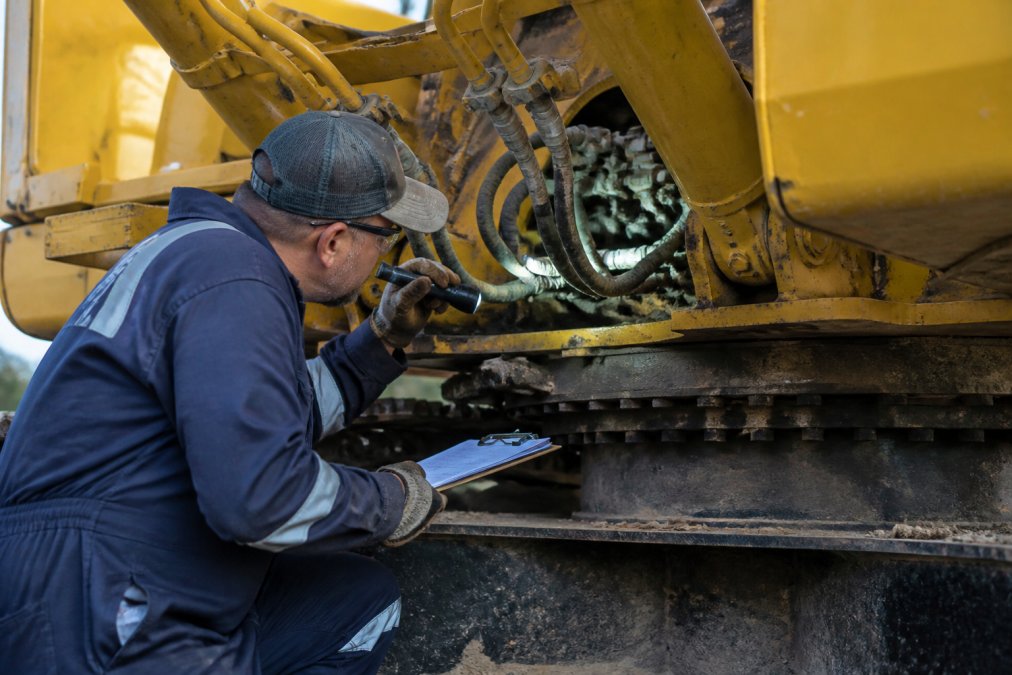
Check the engine first. Listen for abnormal sounds during cold start and warm-up. Look for oil leaks around gaskets, seals, and the pan. Verify coolant level and condition. Pull the dipstick and assess oil color and viscosity, dark, thin oil signals overdue maintenance.
Hydraulic systems demand equal attention. Inspect all visible hoses for cracks, leaks, or separation from fittings. Operate all hydraulic functions, boom, bucket, blade, or bucket rotation, and note any sluggish response, jerking, or loss of pressure. Hydraulic failure is expensive and deters buyers immediately.
Undercarriage condition matters more than most sellers realize. For tracked equipment, examine track tension, roller condition, and sprocket wear. For wheeled machinery, inspect tire condition, tread depth, and sidewall integrity. Buyers scrutinize undercarriage because replacement costs are substantial.
Test all attachments. If you're selling with a bucket, grapple, or blade, verify it operates smoothly and locks securely. Check cab controls, gauges, and warning lights. Document any that don't function.
A common mistake is assuming "it still runs" means it's ready to sell. Buyers want specifics: engine hours, last service date, known issues, and recent repairs. If you don't have detailed maintenance records yet, move to Step 2 immediately.
Step 2: Gather and Organize Heavy Equipment Maintenance Records
Heavy equipment maintenance records are your credibility foundation. They prove the machine was maintained properly and signal to buyers that you took ownership seriously.
Collect every document: service receipts, oil change logs, repair invoices, parts replacements, and inspection reports. If records are scattered across email, filing cabinets, or contractor files, consolidate them into one organized folder. Digital copies work best; scan physical documents if needed.
Organize chronologically. Start with the earliest service and work forward to the most recent. Include the date, service type, cost, and service provider name. This timeline tells a story: consistent maintenance intervals show responsible operation; long gaps between services raise red flags.
Heavy equipment maintenance records should highlight major work: engine overhauls, transmission service, hydraulic system flushes, or undercarriage repairs. These expensive services prove the equipment has been invested in, not just run into the ground.
If records are incomplete, don't fabricate them. Instead, document what you know and note what's missing. Transparency about gaps is better than suspicious claims. Many buyers expect some record loss, especially on older equipment.
Create a summary document listing total engine hours (if available), major service dates, and any recurring issues that have been addressed. This becomes part of your equipment description when listing.
A critical insight: buyers and brokers cross-reference maintenance records against equipment history reports. Inconsistencies between your records and third-party databases damage credibility. If a discrepancy exists, address it directly in your listing or with the broker before listing.
Step 3: How to Clean Construction Equipment for Resale
Cleanliness signals care. Dirty equipment suggests poor maintenance and deters serious buyers before they even inspect mechanics.
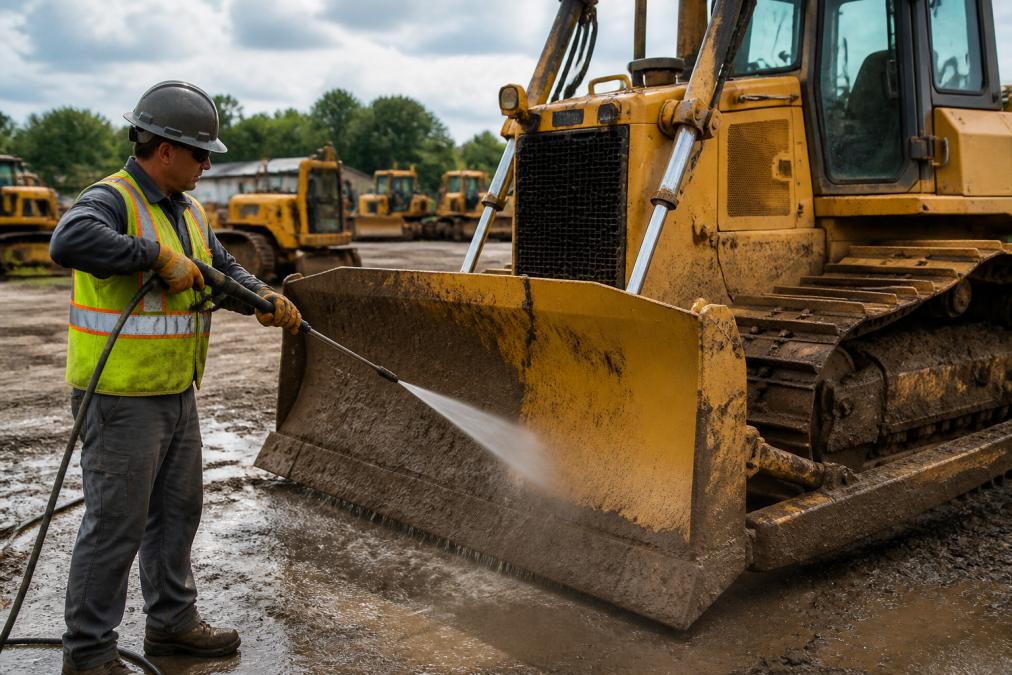
Start with pressure washing. Use moderate pressure; high-pressure spray can damage seals and force water into engine compartments. Focus on the exterior first: cab, hood, undercarriage, and all exposed surfaces. Remove accumulated dirt, mud, and debris. Pay special attention to crevices where dirt accumulates.
For construction equipment, rust remediation is essential. Light surface rust can be wire-brushed and painted over. Deep rust pitting requires more aggressive treatment. Use a wire wheel on a drill to remove loose rust, then apply rust converter to stabilize remaining oxidation. Follow with touch-up paint matching the original color.
Clean the cab thoroughly. Pressure wash the exterior, then detail the interior: sweep out dirt and debris, wipe down controls and dashboard, clean windows inside and out. A clean cab makes the equipment feel newer and more valuable.
Inspect paint and apply touch-ups where needed. Small paint chips and scratches are inevitable on used equipment, but addressing visible damage shows attention to detail. Use spray paint or brush-applied enamel matching the original finish.
Don't overlook hydraulic hoses and attachment points. Clean these areas carefully; they're where buyers look to assess maintenance quality. Visible oil residue or dirt suggests neglect.
For equipment with decals or branding, decide whether to remove or refresh them. Faded decals look unprofessional; clean, intact branding looks maintained. If decals are damaged, removal is often better than leaving them partially intact.
A practical tip: clean equipment photographs dramatically better than dirty equipment. Professional photos of spotless machinery convert browsers into serious inquiries. The investment in cleaning pays dividends when photos drive buyer interest.
Step 4: Repair Minor Defects and Address Fluid Leaks
Minor defects and fluid leaks create doubt. Buyers assume small problems signal larger hidden issues. Addressing these proactively removes objections before negotiations start.
Begin with fluid leaks. Identify the source: engine oil, hydraulic fluid, coolant, or fuel. Small seeps are often simple fixes, replace gaskets, tighten connections, or reseal fittings. These repairs are inexpensive relative to the buyer confidence they create.
For engine leaks, identify whether they're coming from the valve cover, oil pan, or transmission. Many are gasket replacements, straightforward jobs for a mechanic. Hydraulic leaks at hose connections often require new hoses or fitting tightening. Address these before listing.
Inspect all belts and hoses. Replace cracked or frayed belts. Hoses showing age or damage should be replaced; they're cheap insurance against buyer concerns about reliability.
Check all lights and electrical components. Replace burned-out bulbs, repair loose connections, and verify all warning lights function. A cab light that doesn't work is a minor detail; multiple non-functional lights suggest electrical problems.
Test all gauges. Fuel, temperature, and pressure gauges should read accurately. If a gauge is stuck or erratic, have it serviced or replaced.
For attachment equipment, repair or replace damaged pins, latches, or hydraulic connections. A bucket with a broken tooth can be repaired; a grapple with bent arms may need replacement depending on severity and cost.
Document all repairs. Keep receipts and notes on what was fixed and when. This becomes part of your selling story, proof that you addressed issues rather than hiding them.
A common pitfall: attempting DIY repairs on complex systems. If you're not confident in a repair, hire a professional. A properly done repair by a qualified technician carries more credibility than a questionable DIY fix.
Step 5: Verify Title Documentation and Legal Compliance
Title clarity is non-negotiable. Without it, a sale stalls or collapses entirely.
Locate the equipment title or bill of sale. Verify your name matches the registered owner. If the title is in a business name, ensure you have authorization to sell. If the equipment was financed, confirm the lien has been paid off and released; a lien holder's claim supersedes your ability to sell.
For heavy equipment, some states require equipment registration; others don't. Verify your state's requirements. If registration exists, ensure it's current and in your name. Check for any outstanding tax liens or judgment liens against the equipment. These must be satisfied before sale. Contact your state's tax authority or county clerk to verify no liens exist.
Document the equipment's origin. If it was purchased new, locate the original bill of sale. If acquired used, gather the previous owner's title transfer. This chain of ownership matters to buyers, especially for international sales or high-value equipment.
For equipment with attachments, verify ownership of each attachment. Some attachments may be leased or subject to separate financing. Clarify ownership before selling.
Serial number verification is critical. The equipment's serial number should match all documentation. Discrepancies raise red flags and can stall sales. Verify the serial number on the equipment itself matches titles and records.
If selling internationally, research import/export regulations. Different countries have different equipment standards, emissions requirements, and import duties. Understanding these upfront prevents post-sale complications. A Heavy Equipment Broker can guide you through international logistics, but understanding the basics protects you.
Document everything. Create a file with title, bill of sale, lien release, registration (if applicable), and any legal clearances. This organized documentation accelerates the sale process and builds buyer confidence.
Step 6: Photograph Your Equipment Professionally
Professional photography converts browsers into buyers. Poor photos kill interest before mechanics are even discussed.
Invest in quality images. Use a camera or smartphone with good resolution. Shoot in natural daylight, ideally on a clear day. Avoid harsh shadows and overcast conditions that make equipment look dull.
Photograph from multiple angles: front, rear, sides, and elevated views showing the full profile. Include close-ups of the cab, controls, and any visible wear or damage. Transparency about condition builds trust.
For tracked equipment, photograph the undercarriage from multiple angles. Show track condition, roller wear, and overall structural integrity. Buyers scrutinize undercarriage, so clear images prevent surprises.
Include photos of the cab interior, dashboard, and controls. Clean, functional cabs photograph well and attract serious buyers. Show any wear honestly; don't hide damage in shadows.
Photograph any attachments separately and attached. Show how they function and their condition. A bucket in action or a blade fully extended demonstrates functionality.
Avoid cluttered backgrounds. Clean work areas or neutral backgrounds make the equipment stand out. If photographing on-site, position equipment away from distracting elements.
Create a photo sequence that tells a story: overall condition, specific features, attachments, and details. This narrative helps buyers understand the machine's value and condition progression.
For getting heavy equipment ready for sale, professional photos are your first sales tool. They determine whether a prospect clicks through to your full listing or scrolls past. Invest time and quality here; it directly impacts inquiry volume.
Step 7: Write Accurate Equipment Descriptions and Specifications
Your equipment description is your sales pitch. It must be accurate, detailed, and compelling without being misleading.
Start with the basics: equipment type, model, year, and condition. Example: "2018 Caterpillar 336 Excavator, Good Condition, 3,200 Engine Hours."
List specifications: engine horsepower, operating weight, bucket capacity, maximum reach, and any other relevant metrics. Include attachments and their condition.
Describe the equipment's history honestly. "Well-maintained fleet equipment with consistent service records" is more credible than vague claims. Specify maintenance intervals and recent major work.
Detail any known issues or wear. "Undercarriage shows normal wear for hours; bucket has minor tooth wear" is transparent and prevents buyer surprises. Honesty here actually increases credibility.
Highlight features that add value: recent engine overhaul, new hydraulic hoses, upgraded cab, or specialized attachments. These justify pricing and attract buyers seeking specific capabilities.
Avoid exaggeration. "Excellent condition" means different things to different people. Instead, be specific: "Paint is faded but no rust; hydraulics respond smoothly; cab interior is clean with minor seat wear."
For international buyers, include metric and imperial specifications. Engine horsepower, operating weight, and bucket capacity in both systems expand your buyer pool.
Include equipment specs: fuel type, transmission type, drive type (tracked, wheeled, articulated), and any emissions certifications. Buyers filter by these specs when searching.
Proofread carefully. Spelling and grammar errors undermine credibility. Use clear, professional language without marketing hyperbole.
A practical tip: let the equipment's actual condition and maintenance history be your strongest selling point. Buyers trust sellers who acknowledge minor issues and back claims with documentation.
Step 8: Determine Market Valuation and Pricing Strategy
Pricing wrong kills sales. Price too high and listings languish; price too low and you leave money on the table.
Research comparable equipment. Look at similar models, years, and condition across the market. Note selling prices, not asking prices; actual sales reveal true market value.
Factor in condition. Equipment in excellent condition with full maintenance records commands premiums. Equipment requiring repairs or with incomplete records trades at discounts.
Consider market timing. Seasonal demand affects heavy equipment pricing. Construction season typically drives higher prices; winter slowdowns reduce demand and prices.
Account for specialization. Standard equipment like dozers and excavators have broader buyer pools and more stable pricing. Specialized or niche equipment may have limited buyers and greater price volatility.
Evaluate your equipment's unique features. Recent major repairs, specialized attachments, or exceptional maintenance history justify higher pricing. Conversely, known issues or high hours warrant discounts.
Set a realistic asking price based on research. Price slightly above your acceptable minimum to allow negotiation room. Buyers expect to negotiate; pricing too low leaves no margin.
Be prepared to justify your price. Documentation of maintenance, recent repairs, and comparable sales support your valuation. Buyers respect sellers who can explain pricing rationally.
Consider your timeline. If you need to sell quickly, competitive pricing accelerates sales. If you can wait, holding firm on price attracts serious buyers willing to pay for quality.
For getting heavy equipment ready for sale at the right price, transparency about condition and maintenance history is your strongest negotiating tool. Buyers pay premiums for confidence.
Step 9: Selling Heavy Equipment Through a Broker
Once your equipment is prepared, a broker amplifies your reach exponentially. Selling heavy equipment through a Heavy Equipment Broker like Ironmartonline connects your asset to millions of potential buyers across nine specialized web-based selling platforms simultaneously.
Brokers handle the marketplace complexity you'd manage alone. Instead of maintaining your own listings, managing inquiries across multiple platforms, and coordinating with buyers, you prepare the equipment and the broker handles distribution and buyer connections. This division of labor is where efficiency gains emerge.
When you list through a broker, your equipment appears across multiple vertical marketplaces, each with its own buyer audience. A dozer reaches construction contractors on one platform, fleet managers on another, and equipment dealers on a third. You reach all three simultaneously without duplicating effort.
Brokers also handle buyer vetting. They connect serious, qualified buyers to your equipment, filtering out tire-kickers and unqualified prospects. This saves you time in conversations that won't convert.
For international sales, brokers manage logistics complexity. Export documentation, customs clearance, and international shipping are handled by professionals who do this daily. You avoid the learning curve and mistakes that cost money.
Transparency matters when selecting a broker. Verify their platform reach and ask for examples of recent sales. Understand their fee structure clearly; no hidden fees means you know exactly what you're paying. A broker's value is measured in actual sales, not promises.
The preparation you've completed, mechanical inspection, documentation, cleaning, and professional photography, becomes the foundation for the broker's marketing. Quality preparation means better photos, more confident descriptions, and faster sales at better prices.
Getting heavy equipment ready for sale through a broker is the modern approach. You handle preparation and condition; the broker handles reach and efficiency. Together, you maximize value and minimize the time your equipment sits listed without selling.
Selling used heavy equipment doesn't have to be complicated. When you prepare systematically, inspecting mechanics, gathering documentation, cleaning thoroughly, and pricing competitively, you create confidence in buyers and accelerate sales. A Heavy Equipment Broker connects your prepared equipment to millions of potential buyers across nine specialized platforms, eliminating the overhead of managing multiple listings yourself. The combination of thorough preparation and professional brokerage reach delivers results: faster sales, better prices, and less administrative burden on your end.
Frequently Asked Questions
What documents are needed to sell heavy equipment?
You'll need the original bill of sale, title certificate, maintenance records, and proof of ownership. If the equipment was financed, obtain a lien release. For interstate sales, verify the title is clear of any liens. Having all documentation organized speeds up the transaction and builds buyer confidence. Professional brokers like Ironmartonline can guide you through the specific requirements for your equipment type and sale location.
How does cleaning heavy equipment affect its resale value?
A professionally cleaned piece of equipment typically commands 10-15% higher bids than dirty or neglected machinery. Buyers perceive clean equipment as better maintained, which reduces their perceived risk. Removing rust, repainting worn areas, and ensuring all fluids are clean signals that preventative maintenance was performed. The investment in cleaning and aesthetic preparation almost always returns more than its cost through faster sales and better pricing.
Should I perform major repairs before selling heavy equipment?
Minor repairs (fluid leaks, worn hoses, safety issues) should be addressed before listing. Major engine or transmission work is typically not cost-effective, buyers often factor in repair costs themselves. The exception: if a major repair is documented in your maintenance records and the equipment still functions reliably, transparency about that repair history actually builds buyer trust. Focus on preventative maintenance and minor fixes that demonstrate good stewardship.
Why use Ironmartonline as your equipment broker instead of selling independently?
Ironmartonline connects your equipment to millions of potential buyers across nine specialized web-based platforms, dramatically expanding your reach beyond what you could achieve alone. The brokerage handles listing management, buyer inquiries, and transaction support, saving you time and reducing the risk of fraud or scams. With no contracts and no hidden fees, you maintain control while benefiting from professional marketing expertise and a trusted reputation in the industry.
This article was written using GrandRanker