

Last Updated: October 23, 2026
Quick Summary
Heavy equipment appraisal services cost typically runs between $500 and $2,500 per machine, with the final number driven by complexity, location, and the type of machine being valued. Desktop appraisals generally cost less than on-site inspections, and rush requests usually carry a premium. Treat any published range as a planning figure and get a written proposal before committing.
- Desktop appraisals typically run $300 to $800 and turn around in 2 to 5 business days.
- On-site single-asset inspections typically cost $800 to $2,500 and take 1 to 2 weeks.
- Fleet appraisals of 5 to 20 units typically run $3,000 to $12,000 over 2 to 4 weeks.
- Rush or expedited service commonly adds 25 to 50 percent to the base fee.
- Bundling machines into one engagement shares travel, setup, and reporting costs across units.
Table of Contents
- Heavy Equipment Appraisal Services Cost: What to Expect
- Equipment Appraisal Cost Factors That Move the Number
- Heavy Equipment Appraisal Services Cost Comparison
- How Long Does an Equipment Appraisal Take?
- Used Equipment Valuation Methods
- Equipment Appraisal vs. Broker Valuation
- How to Evaluate and Compare Appraisal Quotes
- Cost-Saving Preparation and Bundled Fleet Pricing
- Conclusion
- Frequently Asked Questions
Heavy Equipment Appraisal Services Cost: What to Expect
Heavy equipment appraisal services cost typically runs between $500 and $2,500 per machine, according to AppraiseItNow's heavy equipment appraisal guide, with the final number driven by complexity, location, and the type of machine being valued. That range is a starting point, not a quote. At Ironmartonline, we talk to sellers every week who assumed an appraisal would be a fixed, predictable expense and found something very different.
So what does that money actually buy? An equipment appraisal is an independent, documented opinion of what a machine is worth on a given date, prepared by a qualified appraiser and delivered as a formal appraisal report. It is not a guess, a listing price, or a dealer's trade-in offer.
Before you budget for one, ask the question we hear constantly: why use Ironmartonline equipment broker instead of paying for a separate valuation first? Here is the honest answer. A broker valuation tells you what the market will actually pay, based on live buyer demand across nine web-based selling platforms and millions of potential buyers. An appraisal tells you what a credentialed third party says the asset is worth for a lender, insurer, or accountant. Most sellers need the first number to make a decision and the second only when a specific party demands it. Below, we break down what drives appraisal fees, how to compare quotes, and where a broker valuation saves you the expense entirely.
Equipment Appraisal Cost Factors That Move the Number
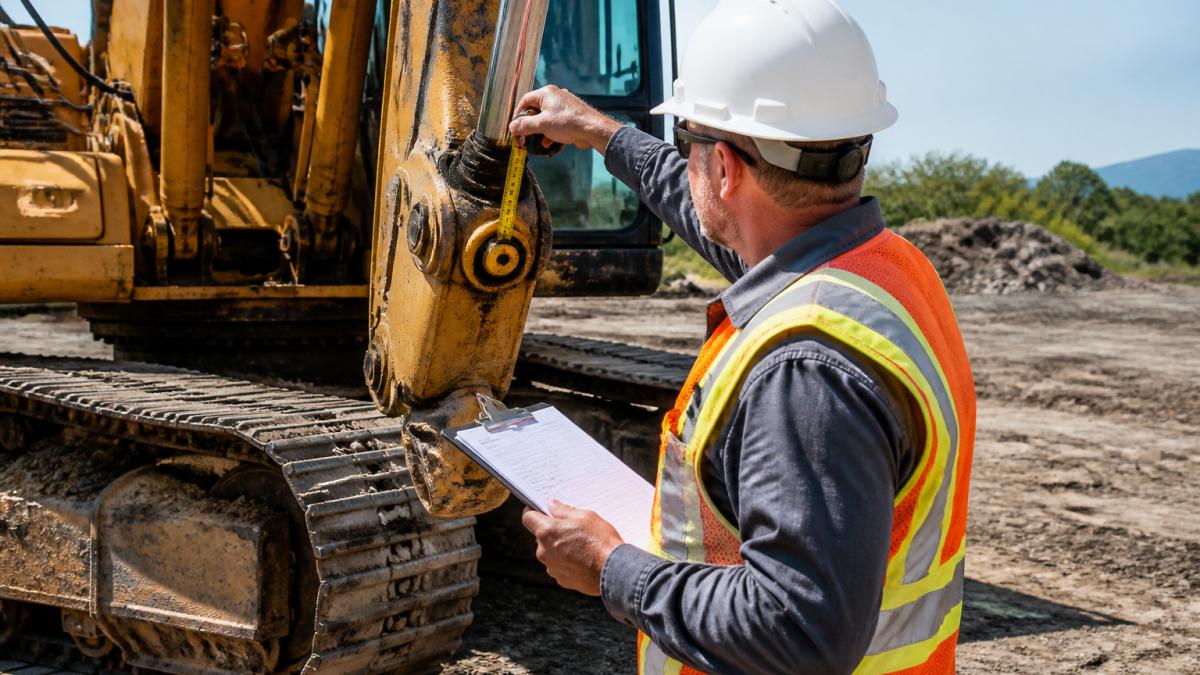
Equipment appraisal cost factors explain why two identical excavators can generate wildly different quotes. Appraisers price the work, not the machine. A desktop appraisal built from photos and serial numbers takes far less time than an on-site inspection with a full condition report, and the fee reflects that gap.
Here is what moves the number:
- Equipment type and asset complexity. A standard skid steer is straightforward. A production line with dozens of linked components is not.
- Age, usage, and condition. Hours on the meter, maintenance records, and visible wear all shape the research required.
- Make, model, and serial number accuracy. Missing records mean the appraiser has to reconstruct history, which costs time.
- Location and travel expenses. Remote sites add appraiser travel to the invoice.
- Report scope and appraisal purpose. A one-page letter for internal planning is not the same document as a defensible report for lending collateral.
- Turnaround time. Rush requests usually carry a premium.
Market conditions sit underneath all of it.
One contrarian note worth taking seriously: not every appraiser publishes a fee range at all. Some firms argue there is no standard fee, because asset type, quantity, and available information vary too much to quote a number before a conversation. Treat any published range as a planning figure and get a written proposal.
Heavy Equipment Appraisal Services Cost Comparison
Pricing models differ sharply across appraisal providers, and that difference matters more than the headline number. Some quote per machine, some per project, and some will not quote until they understand the purpose of the valuation. To give you a practical budget framework, here is how appraisal types typically compare on turnaround and suitable use case, based on common industry patterns, not a single firm's rate card.
| Appraisal Type | Typical Cost Range (USD) | Turnaround | Accuracy / Defensibility | Best For |
|---|---|---|---|---|
| Desktop appraisal (single asset) | $300-$800 | 2-5 business days | Moderate; relies on photos and records | Internal planning, preliminary lender conversations |
| On-site inspection (single asset) | $800-$2,500 | 1-2 weeks | High; physical verification | Lending collateral, insurance coverage, litigation |
| Fleet appraisal (5-20 units, on-site) | $3,000-$12,000 | 2-4 weeks | High; consistent methodology across units | End-of-lease disposal, portfolio valuation, financial reporting |
| Rush / expedited service | Add 25-50% to base fee | 24-72 hours | Same as base scope | Time-sensitive closings or court deadlines |
Most appraisers will not commit to a number until they understand asset count, location, and report purpose.
Beyond the base fee, expect potential add-ons that can materially change the final invoice:
- Travel and mobilization: Often billed at actual cost or a per-mile rate beyond a set radius.
- Additional assets: Per-machine fees usually decline with volume, but the total still rises. Ask for the bundle rate in writing.
- Records research: If serial numbers, service logs, or prior titles are missing, appraisers may charge hourly to reconstruct history.
- Specialized inspections: For cranes, aerial lifts, or equipment with safety certifications, a specialist may be required.
- Rush delivery: Expedited reports commonly carry a premium over standard turnaround.
When comparing providers, note that only one of the firms below advertises a free, no-obligation fee proposal, which makes it a natural first call if you are still deciding whether an appraisal is worth it. None publish a full fee schedule, so every quote requires a conversation. That is normal in this industry, but it means you cannot comparison-shop on price alone, use the checklist later in this article to compare scope.
| Provider | Pricing Model | Free Proposal | Notable Detail |
|---|---|---|---|
| Peak Business Valuation | Project-based, scoped by consultation | No | Uses sales comparison, cost, and income methods |
| Bid Equip | Request-based, priced to appraisal intent | No | Guide covers multiple valuation methods |
| Sencer Appraisal Associates | Not published | No | Specializes in heavy and construction equipment |
| National Equipment Appraisal | Quote-based | Yes | Identifies a Master Certified Machinery and Equipment Appraiser |
How Long Does an Equipment Appraisal Take?
A desktop appraisal usually turns around in a few business days, while an on-site inspection of a single machine commonly takes one to two weeks from engagement to delivered report. Fleet appraisals take longer, and travel to a remote site adds scheduling time on top of the actual inspection.
The honest answer is that turnaround is the least standardized part of the process. Ask three appraisers how long an equipment appraisal takes and you will get three answers, because each defines "start" differently. Some count from the signed engagement letter, others from the site visit, and a few from receipt of your equipment records.
What you can control:
- Have documentation ready. Service records, hour meter readings, and serial numbers cut research time.
- Bundle machines. One site visit covering ten units beats ten separate appointments.
- Ask for the delivery date in writing. A promised report date belongs in the proposal, not a phone call.
If cash flow is the real concern, a broker valuation is faster by design. Our selling process puts equipment in front of active buyers immediately rather than waiting on a report.
Used Equipment Valuation Methods
Three approaches underpin almost every appraisal you will receive. The sales comparison approach benchmarks your machine against recent sales of comparable equipment. The cost approach builds value from replacement cost less depreciation. The income approach capitalizes what the asset earns.
Which one an appraiser leans on depends on the appraisal purpose. Lenders financing a purchase usually want sales comparison data. Insurers setting replacement coverage lean on the cost approach. Owners valuing a revenue-generating production asset may see income figures.
The output is a defined value standard, and the definitions are not interchangeable:
- Fair market value assumes a willing buyer and seller, neither under pressure.
- Orderly liquidation value assumes a reasonable marketing period.
- Forced liquidation value assumes a compressed timeline and typically lands lowest.
If you want to understand what actually drives resale value on a specific machine, proven specs and parts support hold value, and what to inspect before you overpay.
Equipment Appraisal vs. Broker Valuation
An appraisal answers "what is this worth?" A broker valuation answers "what will a buyer pay, and how fast?" These are different questions, and confusing them costs sellers money.
An appraisal is backward-looking and standards-driven. It relies on market data, comparable sales, and professional credentials such as USPAP compliance, and it exists to satisfy a third party: a lender, an insurer, an accountant, or a court. You pay for the document whether or not you ever sell.
A broker valuation is forward-looking and demand-driven. At Ironmartonline, we price equipment against what buyers are actively offering across our selling platforms right now. There is no contract and no hidden fees, and you are not paying for a report you may never use. For a seller deciding whether to move a machine, that live read is usually the more useful number.
The practical split looks like this:
- Need financing, insurance coverage, or financial reporting? Order an appraisal.
- Need to know what your excavator will actually fetch? Get a broker valuation.
- Need both? Start with the broker. If a lender later requires an appraisal, you will already know whether the deal is worth pursuing.
If you are still weighing channels, our guide to trusted platforms to sell used heavy equipment online covers what separates a legitimate marketplace from a listing site that wastes your time.
How to Evaluate and Compare Appraisal Quotes
Comparing appraisal quotes means comparing scope, not price. Two proposals with different report scopes are not competing bids, they are different products. The cheapest proposal is rarely the least expensive appraisal once you account for what it excludes.
Use this checklist on every quote you receive, and pay attention to how each item ties back to cost and turnaround:
- Fee structure: Is the fee a flat project rate or per machine? What is the bundle rate for multiple units? A per-machine quote that looks low on one asset can balloon on a fleet if the bundle discount is weak.
- Inspection scope: Does it include an on-site inspection, or is it desktop only? Desktop is cheaper and faster but may not satisfy a lender requiring physical verification. Confirm the required scope in writing before paying for more than the purpose demands.
- Value standard: Which value standard will the report state, fair market value, orderly liquidation, or forced liquidation? A report written to forced liquidation can be materially lower, and switching standards after delivery is an expensive surprise.
- Travel and add-ons: Is travel billed separately, and is it capped? Are rush fees, extra copies, or records research itemized? Ask for a not-to-exceed estimate on travel.
- Delivery date: What is the guaranteed delivery date, and does it start from engagement, site visit, or receipt of records? Get the date in the proposal, not a phone call.
- Credentials and standards: Are the appraiser's credentials named, including accreditation such as USPAP compliance? For lending collateral, confirm the report will be defensible to the specific lender.
- Exclusions: What is explicitly not included? A low quote that excludes travel, rush delivery, or a physical inspection is not comparable to an all-in quote.
A quote that answers all seven in writing is worth more than one that undercuts it by a wide margin and answers three. When you have two quotes side by side, if a quote falls far below what you expect for its scope, ask what is missing.
Cost-Saving Preparation and Bundled Fleet Pricing
Preparation is the only lever that reliably lowers an appraisal bill without lowering quality. Appraisers charge for time, and disorganized records consume it.
Gather these before you request a quote: serial numbers for every unit, hour meter readings, maintenance and service logs, purchase documentation, and clear photos of each machine including any damage. Sellers who hand over a complete package routinely get tighter scopes and faster turnaround than sellers who make the appraiser chase records.
Bundling is the second lever. Appraisers who quote per machine usually discount a fleet engagement because travel, setup, and reporting are shared across units. If you are disposing of end-of-lease machinery or surplus dozers, appraising the whole lot in one engagement beats piecemeal orders.
A third option deserves mention: skip the appraisal entirely when no third party requires one. If your goal is simply to sell, browse our used heavy equipment inventory to see how comparable machines are positioned, then let a broker valuation tell you what yours will bring. That route carries no appraisal fee at all.
Conclusion
The real challenge with heavy equipment appraisal services cost is that the number you are quoted reflects scope far more than it reflects your machine, and most sellers only discover that after they have paid. Get the purpose and report scope settled first, and the fee stops being a mystery.
Where the goal is selling rather than satisfying a lender or insurer, Ironmartonline removes the appraisal expense from the equation. Our brokerage connects your equipment to millions of potential buyers across nine web-based selling platforms, with no contracts and no hidden fees, and a process built to be hassle-free from listing to close. Join our email list to see current market activity and get your equipment in front of buyers who are ready to move.
Frequently Asked Questions
How much does a heavy equipment appraisal cost?
The final number for heavy equipment appraisals depends on complexity, location, and equipment type. Some appraisers charge flat fees per machine, others bill hourly plus travel, and many quote per project. Ask for an itemized proposal so you can see what drives the cost.
What factors affect the cost of a heavy equipment appraisal?
Equipment appraisal cost factors include the number of machines, asset complexity, inspection requirements, location and travel expenses, report scope, and turnaround time. An on-site inspection costs more than a desktop appraisal because it requires an appraiser's time and travel. Older or modified machines with incomplete records take longer to value. Reports prepared for lending or financial reporting often need more documentation than a simple fair market value estimate, which adds to the fee. Bundle multiple units to spread fixed costs.
How long does an equipment appraisal take?
A desktop appraisal for a single machine can be completed in a few business days once records are received. On-site inspections typically take one to three weeks from scheduling to report delivery, depending on travel distance and fleet size. Large multi-unit fleets or appraisals tied to financing can run four to six weeks. Turnaround time affects cost: rush requests usually carry a premium, while flexible scheduling can reduce the fee. Confirm the delivery date in writing before you commission the work.
What is the difference between an equipment appraisal and a broker valuation?
An equipment appraisal is an independent, documented opinion of value prepared to professional standards such as USPAP, often for financing, insurance, or financial reporting. A broker valuation is a market estimate from a dealer or broker who may also handle the sale, based on recent transactions and buyer demand. Appraisals cost money and carry formal defensibility; broker valuations are often free but less rigorous. If you need a number for a lender or insurer, use an accredited appraiser. If you are deciding whether to sell, a broker valuation gives you a faster read on the market.
