
Table of Contents
- Step 1: Run a Used Dozer Inspection Checklist Before You List
- Step 2: Assemble Dozer Maintenance Records and Service History
- Step 3: Write a Dozer Condition Report Buyers Can Trust
- Step 4: Clean, Repair, and Present the Machine
- Step 5: Take Heavy Equipment Auction Photos and Video That Sell
- Step 6: Choose an Auction Method and Set Realistic Expectations
- Common Dozer Auction Mistakes That Cost Sellers Money
- Transport, Access, and Post-Sale Handoff
- Frequently Asked Questions
Last Updated: October 6, 2026
Step 1: Run a Used Dozer Inspection Checklist Before You List
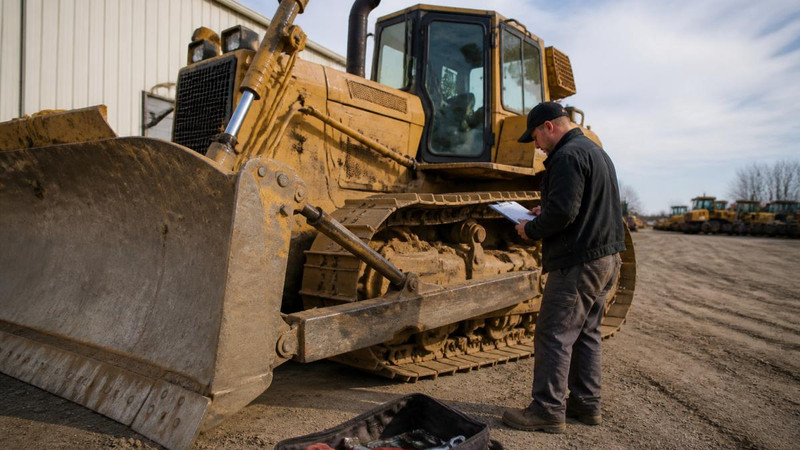
Start with a full walkaround before you touch a hose or a wrench, because knowing how to prepare a dozer for auction begins right here. A used dozer inspection checklist is the backbone of how to prepare a dozer for auction, because every flaw you find now is a flaw a buyer would have found later with a lower bid. At Ironmartonline, we have watched machines sit unsold for one reason: the seller never looked underneath.
Why use an Ironmartonline equipment broker at this stage? Because we see hundreds of listings and know which defects kill bids. Here is the short list of what buyers check first:
- Undercarriage wear and track tension
- Engine blow-by and exhaust color
- Hydraulic leaks and cylinder condition
- Blade edges, cracks, and weld repairs
- Transmission, steering, and final drives
- Cab, controls, gauges, and seat
- Service history and operating hours
A pre-auction inspection report gives buyers confidence. It also protects you from claims after the sale.
Undercarriage, Tracks, and Rollers
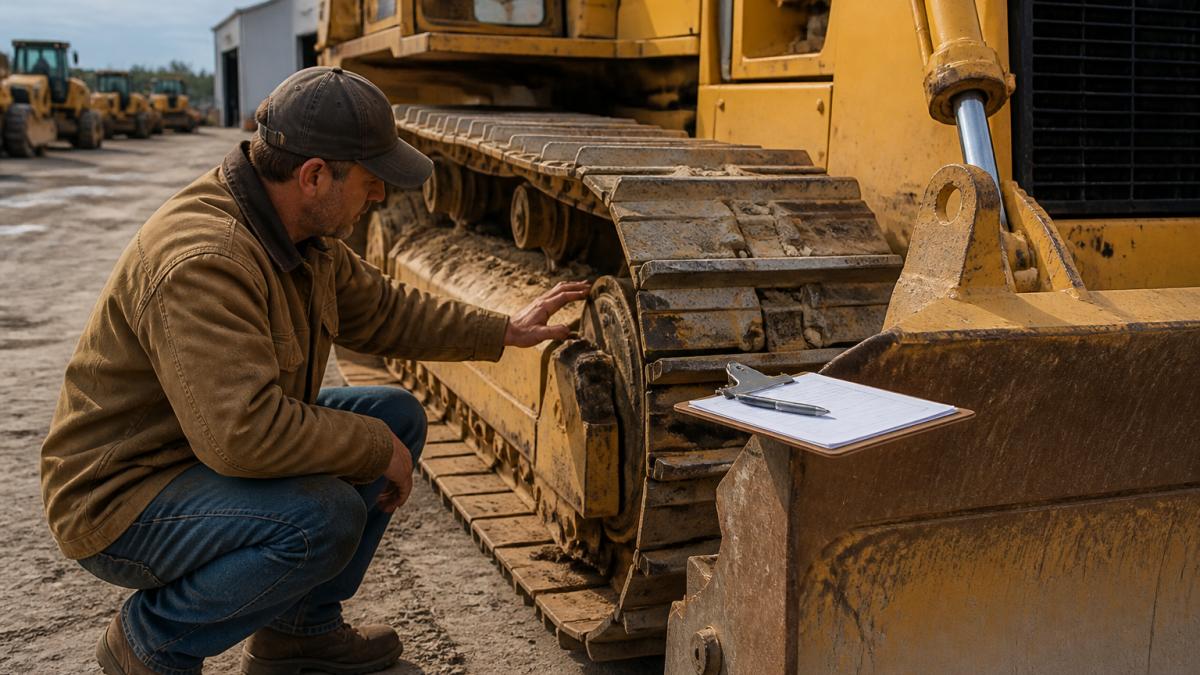
The undercarriage is the most expensive part of a dozer to fix, so buyers inspect it first. Track wear, roller condition, and sprocket teeth tell a buyer how many hours of life remain.
Check these points on each side:
- Track tension and sag
- Track link height and bushing wear
- Roller and idler play
- Sprocket tooth shape
- Pins and bushings
A worn undercarriage cuts resale value fast. Document it honestly. A buyer who finds an undisclosed problem walks away, and word travels.
Engine, Hydraulics, and Blade Operation
Engine condition and hydraulic health decide whether a machine sells at a strong number or sits. Start the dozer cold and watch the exhaust. Blue smoke suggests oil burning. Black smoke points to fuel delivery issues. White smoke can mean coolant trouble.
Then test the hydraulics and blade:
- Raise and lower the blade through its full range
- Tilt and angle the blade both ways
- Watch for hydraulic leaks at cylinders and hoses
- Check steering clutches and brakes under load
- Listen for unusual noise in the transmission and final drives
Run a short test operation. Note any delay in blade response. Buyers pay for machines that work, not machines that might work.
Step 2: Assemble Dozer Maintenance Records and Service History
Dozer maintenance records do more for your final price than a fresh coat of paint. Buyers and auction houses treat paperwork as proof of care, and a machine with a clean file outsells an identical machine without one.
Gather what you have:
- Oil and filter change logs
- Undercarriage replacement dates
- Major repair invoices
- Operating hours and meter readings
- Serial number and model details
- Attachment records
If records are thin, say so. A seller who admits gaps reads as honest. A seller who hides them reads as a risk. Missing documentation is one of the most common reasons a strong machine underperforms at auction.
Step 3: Write a Dozer Condition Report Buyers Can Trust
A dozer condition report is a written summary of the machine's real state, including flaws. Write it like a mechanic, not a salesperson. List what works, what needs repair, and what you are unsure about.
Cover these items:
- Overall condition rating
- Known repair needs and repair costs
- Recent parts replaced
- Rust, cracks, or welding on the frame and blade
- Tire or track status
- Hours and usage type
Vague reports invite low bids. Specific reports invite serious buyers. If a hydraulic cylinder weeps, write that down. If the seat is torn, write that down too. Buyers respect a seller who tells the truth up front.
American Society of Appraisers machinery valuation guidance
Step 4: Clean, Repair, and Present the Machine
Cleaning is the cheapest upgrade you can make. Mud hides leaks. Grease hides cracks. A dirty dozer signals neglect, even when the machine is sound.
Wash the undercarriage, blade, and cab. Fix small items that cost little but look bad:
- Replace missing bolts and caps
- Repair torn seats
- Fix broken lights and mirrors
- Top off fluids
- Clear debris from the engine bay
Do not hide major damage with paint. Buyers and inspectors see through it, and a cover-up destroys trust. Minor repairs that improve presentation are worth the effort. Major repairs should be disclosed, not disguised.
Step 5: Take Heavy Equipment Auction Photos and Video That Sell
Heavy equipment auction photos decide whether a buyer clicks or scrolls. Shoot in daylight, clean the machine first, and cover every angle a buyer cares about.
Capture these shots:
- Full machine from all four sides
- Undercarriage close-ups on both tracks
- Engine compartment and exhaust
- Blade edges and corners
- Cab, controls, and gauges
- Serial number plate
- Any damage or repair area
Add a short video. Start the machine, walk around it, and show the blade moving. Video builds buyer confidence faster than any written description. List the machine size, blade type, attachments, and hours in the listing details.
Step 6: Choose an Auction Method and Set Realistic Expectations
Auction method is not a coin flip. Each format changes who sees the machine, how long the sale takes, and how much control you keep over the final number. Match the method to the machine, the timeline, and your tolerance for risk.
Onsite vs. Online Auctions
An onsite auction puts the dozer in front of a live crowd. Bidders can walk the undercarriage, start the engine, and watch the blade move. That physical inspection builds confidence, and local contractors who already know the machine often bid strongest. The trade-off is reach: you are limited to buyers who can travel to the site on auction day.
An online auction reaches a national pool of buyers without moving the machine. Listings stay open for days or weeks, so bidders can review photos, video, and your condition report on their own schedule. The trade-off is that remote buyers discount for uncertainty. A thorough listing with clear video narrows that gap, but it rarely closes it completely.
A broker can run both channels at once, which is why many sellers ask why use an Ironmartonline equipment broker before choosing a format. The right answer depends on your machine and your market.
Reserve vs. No-Reserve
A reserve is a minimum price below which the machine will not sell. It protects you from a bad day, but it can also scare off bidders who do not want to waste time on a machine that may not trade. No-reserve sales attract more bidders because everyone knows the machine will sell to the highest offer. That competition can push the final number higher than expected, or it can expose a weak market.
Most sellers set a reserve at or slightly below the number they would accept privately. Setting it too high is the most common reason a dozer goes unsold and has to be relisted.
Seller Fees and Timelines
Auction fees vary by format and by house. Expect a seller's commission, possible listing or photography charges, and sometimes a fee if the machine does not sell. Ask for the full fee schedule in writing before you sign. Timeline also varies: an online listing may run for a set number of days, while an onsite sale may be scheduled weeks out to allow for advertising and inspection.
Setting Realistic Expectations
Final price is driven by condition, hours, undercarriage life, records, and current demand for that size and class of machine. A clean dozer with documented service history will outperform a rough one in any format. Before you list, review recent sale results for comparable machines in your region. That gives you a grounded range instead of a hopeful number.
Pick the format that matches your machine and timeline, set a reserve you can live with, and get the fee schedule in writing. The method matters less than the preparation behind it.
Equipment Dealers Association industry resources
Common Dozer Auction Mistakes That Cost Sellers Money
The biggest mistake is listing before the machine is ready. A dirty dozer with no records and a vague description invites low bids and no-shows.
Other costly errors:
- Hiding known repair needs
- Skipping the undercarriage inspection
- Using poor photos
- Setting an unrealistic reserve
- Ignoring parts availability questions
Each mistake chips away at buyer confidence. Fix them before you list, not after.
Transport, Access, and Post-Sale Handoff
Most seller guides stop at the sale. That is a mistake. Transport and handoff problems can delay payment, damage the machine, or create liability after the auction closes. Plan the logistics before you list, not after the hammer falls.
Know the Machine's Transport Profile
A crawler dozer is heavy and wide. Before the auction, record the machine's operating weight, overall length, width, and height with the blade and any attachments in place. Buyers and haulers need those numbers to choose the right trailer and secure permits if the load is oversized. If you do not have the spec sheet, measure the machine and note the results in the listing.
Access and Loading
Walk the route a hauler will use. Check gate widths, bridge weight limits, overhead wires, and turning radius. A machine that cannot be loaded safely will sit, and a buyer who arrives with the wrong trailer will not return quickly. If you have a loading ramp or dock, say so in the listing. If the buyer must bring their own ramps or a lowboy, say that too.
Who Pays for Transport
Transport responsibility is negotiable. Some sellers include delivery within a radius, some load for free and let the buyer arrange the rest, and some sell strictly as-is, where-is with the buyer handling everything. State your terms clearly in the listing so there is no argument later. If you agree to load, confirm the date and time in writing.
Pickup Deadlines and Storage
Auctions usually require the buyer to remove the machine within a set number of days. If the buyer is slow, you may be stuck storing a machine you no longer own. Set a clear pickup deadline in the listing and note any storage terms. If the machine sits past the deadline, you need a written policy for what happens next.
The Handoff Itself
A clean handoff protects both sides:
- Provide the title, bill of sale, and any lien release
- Hand over service records, manuals, and spare parts
- Confirm the pickup date, time, and location in writing
- Note any loading equipment on site and who operates it
- Walk the buyer around the machine and note its condition at pickup
- Record the hour meter reading at the moment of handoff
A signed condition note at pickup prevents later disputes about damage that occurred after the sale. It also gives the buyer a clear record of what they received.
Do not release the machine until payment has cleared. A handshake and a promise are not a cleared funds transfer.
A smooth handoff earns referrals and repeat business. A messy one earns complaints that follow your listing name for years.
Frequently Asked Questions
What should I check before selling a dozer at auction?
Start with the undercarriage: track links, rollers, idler, and sprocket wear tell buyers the most about cost of ownership. Then check engine condition and exhaust, hydraulic leaks, blade edges and operation, transmission and final drives, and the cab, controls, and gauges. Document operating hours and serial number. A used dozer inspection checklist keeps the process consistent and gives you a dozer condition report you can stand behind when the machine rolls onto the auction block.
Should I repair a dozer before putting it up for auction?
Fix anything that raises doubt for the least money: hydraulic leaks, cracked hoses, missing guards, dead batteries, and non-working lights or gauges. Major repairs like a full undercarriage rebuild or transmission work rarely return their cost at auction, and buyers often discount a machine that looks freshly patched. Disclose known repair needs in the listing instead. Buyers bid with more confidence when the dozer condition report is honest and complete.
What photos should I take for a dozer auction listing?
Shoot 20 to 30 clear, well-lit heavy equipment auction photos: all four sides, the undercarriage from track level, blade edges and corners, the engine compartment, hydraulic cylinders and lines, the cab interior with the instrument panel, the serial number plate, and the hour meter. Add a short walkaround video with the engine running and the blade cycling. Buyers who can see the machine clearly before bidding tend to bid closer to its real value.
What documents should I provide when selling a dozer?
Have the certificate of title or proof of ownership, bill of sale, serial number verification, and dozer maintenance records ready before the listing goes live. Service history, oil sample results, and any repair invoices give buyers a reason to trust the machine. If the dozer is financed, clear the lien first. Sellers who post complete documentation usually see fewer inspection requests and faster closings after the auction ends.
Selling a dozer takes more than a listing. It takes a clean machine, honest records, and the right buyer pool. Ironmartonline connects sellers to millions of buyers through nine web-based selling platforms, with no contracts and no hidden fees. We handle the marketplace so you can focus on your next machine. Join our email list and get your dozer in front of serious buyers.