

Table of Contents
- Why Use an Equipment Broker for Heavy-Duty Truck Sales
- Understanding Heavy-Duty Truck Specifications Buyers Need
- How to Describe a Truck for Sale: The Core Framework
- Used Truck Listing Description Examples and Templates
- Truck Listing Photo Checklist for Maximum Impact
- Matching Truck Specifications to Buyer Job Applications
- Optimize Your Listing for Marketplace Search
- Common Mistakes to Avoid in Heavy-Duty Truck Listings
- Frequently Asked Questions
Last Updated: October 14, 2026
Why Use an Equipment Broker for Heavy-Duty Truck Sales
Writing effective heavy-duty truck listings requires more than just uploading photos and a description. The heavy-duty truck market was estimated at USD 308.3 billion in 2025, with a projected compound annual growth rate of 4.8% from 2026 through 2035, according to Global Market Insights Heavy Duty Trucks Market Report. That scale means competition is fierce, and your listing needs to stand out.
But here's the real question: Why use a Heavy Equipment Broker like Ironmartonline for heavy-duty truck sales?
Most sellers list on a single platform and hope for the best. They write vague descriptions, post grainy photos, and wait weeks for serious inquiries. The problem isn't effort, it's reach. At Ironmartonline, we understand that effective truck listings need visibility across multiple channels, not just one marketplace. We use nine specialized web-based selling platforms to connect your equipment with millions of potential buyers globally and locally. That's the difference between a listing that sits and one that sells.
A professional broker handles the heavy lifting. We know what buyers actually search for. We know how to describe specifications in ways that match buyer intent. We handle the marketplace optimization so your listing appears in front of the right audience at the right time. No contracts. No hidden fees. Just results.
The rest of this guide walks you through exactly how to write listings that work, whether you're selling through us or any marketplace. You'll learn the framework we use, the specifications buyers demand, the disclosure standards that protect you, and the photography that closes deals.
Understanding Heavy-Duty Truck Specifications Buyers Need
Buyers don't just want to know what truck they're buying. They want to know what it can do. Specifications tell that story.
Heavy-duty trucks serve specific jobs. A vocational truck built for dump work has different needs than one configured for hauling refrigerated cargo. Your listing must match truck specifications to the buyer's actual job application. When you skip this step, you attract tire-kickers instead of serious buyers.
Engine, Horsepower, and Powertrain Details
Start with the engine. This is where buyers evaluate capability.
List the engine model, displacement, and horsepower. Include the transmission type and gearing ratio. State whether it's manual or automatic. If the truck has a recent engine rebuild or overhaul, mention the mileage since that work was done.
Powertrain matters because it determines what the truck can pull and how efficiently it moves. A Cummins 15L with 600 horsepower handles different work than a Duramax with 445 horsepower. Buyers know these differences. You need to state them clearly.
Include fuel type: diesel, gasoline, natural gas, or hybrid. Fuel efficiency and operating costs are top concerns for fleet managers. If you have maintenance records showing average fuel consumption, reference them.
Payload Capacity and Weight Requirements
Payload capacity is the amount of weight the truck can carry safely, including cargo and any equipment mounted on the frame. This is a critical specification.
State the Gross Vehicle Weight Rating (GVWR) and the actual empty weight of the truck. Calculate the payload capacity by subtracting empty weight from GVWR. Be accurate here, overstating capacity creates legal and safety liability.
If the truck has been modified or had equipment added, the payload capacity may have changed. Disclose this. A dump truck with a heavy steel bed and hydraulic lift system carries less payload than the factory specification suggests.
Weight requirements also determine licensing and permitting. Trucks over 26,001 pounds GVWR require a commercial driver's license. State this clearly so buyers understand the regulatory requirements.
Chassis, Frame, and Suspension Construction
The frame and suspension are the truck's foundation. Describe the chassis type: conventional, cab-over, or custom configuration.
State the frame material and construction method. High-strength steel frames are standard. Some vocational trucks use aluminum or composite materials for weight savings. Name the suspension type: air suspension, leaf spring, or independent. Air suspension offers a smoother ride and better load handling. Leaf springs are durable and require less maintenance.
Mention any reinforcements or modifications. If the frame has been welded, straightened, or repaired after an accident, disclose it. Buyers will inspect this during their own evaluation, and transparency builds trust.
How to Describe a Truck for Sale: The Core Framework
The best truck listings follow a simple structure: lead with the job, then prove the truck can do it.
Lead with Job Application and Intended Use
Start your description by stating what the truck does best. Don't say "2015 Peterbilt 389." Say "2015 Peterbilt 389 configured for long-haul flatbed work, 600 HP Cummins, 18-speed manual, 80,000 miles, excellent condition."
The intended use tells buyers instantly whether to keep reading. A construction contractor looking for a dump truck will skip a listing for a refrigerated box truck. A fleet manager needing highway tractors won't waste time on a vocational unit.
Describe the truck's primary application. Then list secondary uses if relevant. A dump truck can also haul aggregate or recycled materials. A flatbed can handle machinery or lumber. These flexibility points matter to buyers.
Disclose Condition, Mileage, and Maintenance History
Condition is everything. Be honest about wear and tear.
State the overall condition: excellent, very good, good, fair, or poor. Define what you mean. "Excellent" means minimal wear, no major repairs needed, and ready to work. "Good" means normal wear for the mileage, no active issues, but some cosmetic damage. "Fair" means the truck runs but has visible wear and may need repairs soon.
Mileage tells a story. Lower mileage generally means less wear, but a well-maintained high-mileage truck can outperform a neglected low-mileage one. Provide service records if available. Buyers want to see regular oil changes, filter replacements, and major maintenance documented.
Disclose any accidents, frame damage, or major repairs. If the truck was in a collision but the frame was straightened and the truck passes inspection, say so. If the transmission was rebuilt at 200,000 miles, note it. These disclosures protect you and set buyer expectations.
Used Truck Listing Description Examples and Templates
A template only works if you can see how the fields get filled. Below is a reusable structure followed by a completed example you can adapt. Every field exists for a reason: buyers scan for the numbers first, then read the condition notes, then decide whether to call.
The Reusable Listing Template
[Year] [Make] [Model] - [Primary Job Application] - [Key Spec] - [Mileage]
Headline formula: Year + Make + Model + vocational body or configuration + one standout spec + mileage. Example: "2016 Freightliner Cascadia 125 - Sleeper Tractor - Detroit DD15 505 HP - 612,000 Miles." The headline is the only field some buyers see in search results, so it must carry the make, model, year, and job application. Providing this level of detail upfront prevents confusion regarding the vehicle configuration, which remains just as critical when you are buying used parts to maintain your fleet's operational readiness.
Opening paragraph (2-3 sentences): State the primary job the truck is configured for, the headline specs, and the single strongest selling point. Do not open with "For sale is a...", open with the application.
Specifications block (bulleted):
- Engine: make, model, displacement, horsepower, torque
- Transmission: make, model, speeds, automated or manual
- Rear axle ratio and configuration (single, tandem, tri-drive)
- Suspension: type and capacity
- GVWR and estimated payload capacity
- Wheelbase and cab-to-axle measurement
- Fuel capacity and tank configuration
- Tire size, brand, and remaining tread
- Brake type and recent service
Condition block: Overall rating (excellent / very good / good / fair), cosmetic notes, mechanical notes, and any active faults.
Maintenance and service history block: Most recent oil and filter service, DOT inspection date, major repairs with mileage, and records available on request.
Disclosure block: Accidents, frame repairs, rebuilt components, aftermarket modifications, emissions status, and any known defects.
Equipment block: Vocational body, liftgate, winch, crane, reefer unit, plow, or other mounted equipment with make and model.
Call to action: State exactly how to inquire, what information to include, and whether an inspection is welcome.
Completed Example
2016 Freightliner Cascadia 125 - Sleeper Tractor - Detroit DD15 505 HP - 612,000 Miles
2016 Cascadia 125 set up for long-haul dry van and refrigerated work. Detroit DD15 at 505 HP, Eaton Fuller 10-speed automated manual, 3.42 rear axle ratio, air ride suspension. Fleet-maintained with records since new. Ready to pull.
Specifications:
- Engine: Detroit DD15, 14.8L, 505 HP, 1,750 lb-ft torque
- Transmission: Eaton Fuller 10-speed automated manual, clutch replaced at 540,000 miles
- Rear axle: 3.42 ratio, tandem
- Suspension: Air ride, 40,000 lb capacity
- GVWR: 80,000 lb
- Wheelbase: 230 in
- Fuel: Dual 120-gallon tanks
- Tires: 11R22.5, drive tires at 60% tread, steer tires at 40%
- Brakes: Air drum, front brakes serviced at 590,000 miles
Condition: Very good. Interior clean, no rips in seats, dash fully functional. Exterior has normal road wear and two small dents on the driver-side fairing. No active warning lights. APU works.
Service history: Oil and filter changed every 25,000 miles. DOT inspection passed in March. EGR cooler replaced at 480,000 miles. Records available.
Disclosures: Minor collision in 2019, driver-side fender and mirror replaced, no frame damage. No rebuilt title. Emissions system intact and functional.
Equipment: Thermo King APU, air slide fifth wheel, cab guard.
Contact: Reply with your name, company, and intended use. Inspection welcome by appointment.
Why This Structure Works
Buyers searching a marketplace filter on year, make, model, mileage, and GVWR. If those values are buried in prose, your listing disappears from filtered results. The template puts every filterable value in a labeled field, which helps both human readers and marketplace search algorithms.
The disclosure block is not optional. A buyer who discovers an undisclosed repair after a deposit is a dispute, a refund, and a damaged reputation. A buyer who reads the disclosure up front and still calls is a qualified lead.
Truck Listing Photo Checklist for Maximum Impact
Photos do more work than any other part of a listing. Buyers scroll images before they read a single spec, and marketplaces use image data to rank and categorize listings. A complete photo set is 20 to 30 images, shot in daylight, in a consistent order.
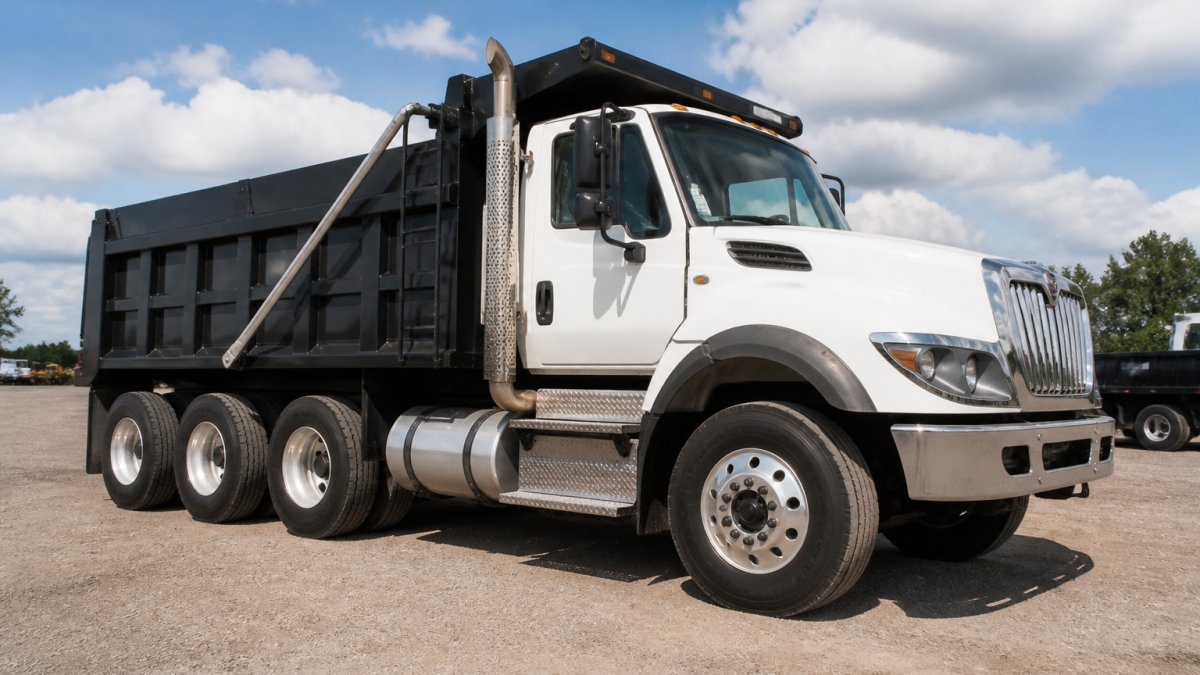
The Shot List, In Order
- Three-quarter front driver side, the hero shot. Full truck in frame, clean background, no shadows across the cab.
- Three-quarter rear driver side, shows the rear of the cab, the frame, and the body or fifth wheel.
- Direct front, grille, bumper, headlights, hood fitment.
- Direct rear, taillights, mud flaps, rear frame, hitch or fifth wheel.
- Driver side profile, full length, wheels visible.
- Passenger side profile, full length, wheels visible.
- Engine bay, hood open, overall engine, then close-ups of the turbo, injectors, belts, hoses, and any leaks.
- Cab interior, driver side, steering wheel, dash, gauge cluster with odometer visible.
- Cab interior, passenger side, seats, door panel, floor.
- Sleeper interior (if equipped), bunk, storage, climate controls.
- Frame rails, both sides, look for rust, cracks, welds, or repairs.
- Suspension, both sides, air bags or leaf springs, shocks, hangers.
- Undercarriage, oil pan, transmission, driveshaft, differential.
- Tires and wheels, each corner, tread depth visible, sidewall condition.
- Brakes, each corner, drum or rotor thickness, pad or shoe remaining.
- Vocational body or equipment, dump bed raised, reefer unit, crane, liftgate, plow, winch.
- Data plate / VIN sticker, door jamb or frame sticker.
- Documentation, service records, DOT inspection report, title (redact personal information).
How to Shoot Each One
Shoot in daylight, ideally in open shade or on an overcast day. Direct sun creates harsh shadows that hide rust and dents. Wash the truck first, a clean truck photographs as better maintained, and buyers read dirt as neglect.
Use a modern phone or a DSLR at the widest reasonable focal length. Stand back and zoom in rather than walking close with a wide lens, which distorts proportions. Keep the horizon level. Shoot landscape orientation for exterior shots and portrait for interior and document shots.
For defects, photograph them directly and label them in the caption or description. A close-up of a dent with the note "driver-side fairing, cosmetic only" builds more trust than a photo that hides it. Buyers who find hidden damage after a deposit walk away.
Image Alt Text and Search
Marketplaces and search engines read image file names and alt text. Rename files before upload using the same terms buyers search: 2016-freightliner-cascadia-sleeper-tractor.jpg, not IMG_4471.jpg. Write alt text that describes the shot and includes the make, model, and configuration. This is a small step that improves how your listing surfaces in image and marketplace search.
Documents to Photograph or Attach
- Service and maintenance records
- DOT annual inspection report
- Emissions or opacity test results, where applicable
- Title and registration (redact personal information)
- Warranty documents still in force
- Equipment manuals for mounted vocational bodies
Matching Truck Specifications to Buyer Job Applications
The best listings match specifications to buyer needs. A dump truck listed for dump work sells faster than the same truck listed generically.
Identify the primary job application. Is it hauling, dumping, refrigerated transport, flatbed work, or specialized vocational use? State this clearly in the title and opening.
Then prove the truck is suited for that job. Cite the specifications that matter:
- For dump work: payload capacity, lift system condition, bed durability
- For refrigerated transport: unit age and condition, insulation integrity, temperature control
- For long-haul: engine efficiency, cab comfort features, axle configuration
- For construction: GVWR, suspension type, equipment mounting points
When you match specs to job, you attract buyers ready to buy. You reduce inquiry time and close faster.
Optimize Your Listing for Marketplace Search
Marketplaces use search algorithms. Your listing needs to be discoverable.
Use keywords that buyers search for. Include the truck make, model, year, and job application in your title and description. If it's a Peterbilt 389 dump truck, use those exact terms.
Write in plain language. Avoid jargon unless it's industry standard. "Air suspension" is standard; "pneumatic load-leveling apparatus" is not.
Fill every field the marketplace provides. Don't skip optional sections. The more data you provide, the better the algorithm can match your truck to buyer searches.
Use the description to reinforce keywords naturally. Mention the job application, specifications, and condition multiple times. This helps the algorithm understand what you're selling.
Common Mistakes to Avoid in Heavy-Duty Truck Listings
Vague titles lose buyers. "Truck for sale" tells nothing. "2015 Peterbilt 389 dump truck, 600 HP, 80K miles, excellent condition" tells everything.
Overstatement kills deals. If you claim "mint condition" and the truck shows normal wear, buyers feel misled. Honesty builds trust.
Missing specifications frustrate serious buyers. They want engine details, payload capacity, maintenance history, and condition. If you don't provide this, they move to the next listing.
Poor photos cost sales. Grainy, dark, or incomplete photos suggest the truck is hidden for a reason. Invest in clear daylight photography.
Not disclosing accidents or major repairs creates legal risk. Buyers will discover these during inspection. Full transparency protects you and closes deals faster.
Listing on a single platform limits reach. The heavy-duty truck market is large and fragmented. Multiple platforms mean more visibility. That's why working with a Heavy Equipment Broker like Ironmartonline, which distributes across nine specialized platforms, maximizes your exposure to qualified buyers.
Writing effective heavy-duty truck listings takes precision and honesty. You're not just describing a truck, you're matching capability to buyer need. Follow this framework, disclose condition transparently, and photograph professionally. Your listing will attract serious buyers ready to negotiate. If you're selling multiple trucks or want maximum reach across global and local markets, Ironmartonline connects your equipment with millions of potential buyers through nine specialized web-based selling platforms, no contracts, no hidden fees, just results.
Frequently Asked Questions
What details should a heavy-duty truck listing include?
A complete listing must include engine specifications (horsepower, displacement, fuel type), transmission type, payload capacity, chassis construction, suspension details, mileage, service records, vocational equipment installed, current condition, and intended job application. Buyers evaluate trucks based on how well specifications match their specific work requirements, so precision matters. Include maintenance history, warranty status if applicable, and any recent repairs or replacements.
How do you write a compelling truck description?
Start by identifying the truck's primary job application and intended use, then organize your description around what buyers in that market actually need. Lead with the most relevant specifications first. Use clear, accurate language without exaggeration. Disclose condition honestly, including any defects, wear, or needed maintenance. End with a call to action and contact information for serious inquiries.
Which truck specifications matter most to buyers?
Buyers prioritize specifications based on their job application. Payload capacity and weight requirements determine if the truck can handle their loads. Engine horsepower and powertrain affect performance and operating costs. Chassis and suspension construction indicate durability under heavy use. Mileage and fuel efficiency impact total cost of ownership. Vocational equipment and truck body configuration must match the intended work. Always lead with the specs that solve the buyer's specific problem, not a generic list.
How should you disclose a truck's condition and maintenance history?
Be transparent about condition and maintenance from the start. Document mileage, service records, and any major repairs completed. Disclose defects, wear, cosmetic damage, and needed maintenance clearly. Explain the context: a truck with high mileage but full service records is more valuable than one with low mileage and no documentation. Provide warranty information if available. Buyers trust listings that acknowledge flaws alongside strengths. Accurate disclosure builds credibility and attracts serious, qualified buyers who won't dispute condition after purchase.