Description
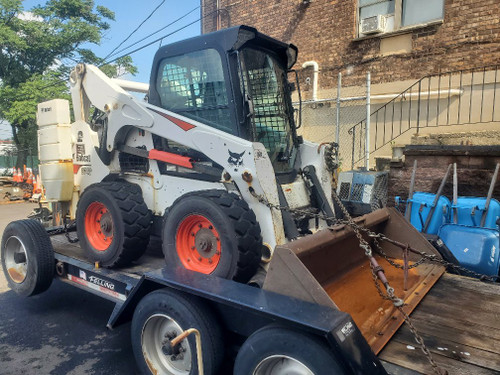
2021 JOHN DEERE 333G TRACK STEER - 84'' Bucket, High-Flow Aux, 100hp Turbo w/Only 2169hrs, 12,000 lbs, Enclosed Cab Heat/AC, Excellent Condition One Owner. Located in Bernardsville, NJ 07921
Specs and Dims
Description Continued...
John Deere 333G Track Steer: Specs, SmartGrade, Buying Used
John Deere lists the 333G as a compact track loader, but the machine turns up in classified ads under several labels: track steer, skid steer, CTL, compact loader. All of them point to the same G-Series platform. The 333G carries a 100 gross horsepower engine, a rated operating capacity of 3,700 pounds, and it holds a notable place in the category as the first compact track loader to offer fully integrated 3D grade control through its SmartGrade configuration. This article covers the published numbers, the grade control story, the undercarriage, and the questions that come up most often when a used 333G changes hands.
What the 333G Is and Why the Name Varies
Deere builds the 333G as part of its G-Series line of compact track loaders, and the company sells the category under that exact name. The mechanical difference between a compact track loader and a skid steer comes down to the running gear. A skid steer rolls on tires. A compact track loader rolls on rubber tracks. The 333G runs tracks, which puts it in the compact track loader family despite the loose use of the term skid steer in marketplace listings and auction catalogs.
The phrase track steer is a common piece of shorthand that combines both names. It shows up in search bars, for-sale ads, and shop talk more than it shows up in official Deere literature. When a listing says skid steer 333G, check the photos for tracks before assuming the seller has the model wrong. The number, the cab, and the general machine are the same. Deere has since added the 333 P-Tier to the compact track loader lineup, and both names appear in the used market.
John Deere 333G Specs at a Glance
The figures below come from Deere-published spec material and from aftermarket track suppliers that build replacement components for the machine. They give a buyer a quick way to compare a 333G against other loaders in the class.
| Specification | Published figure |
|---|---|
| Gross power | 100 hp (74.6 kW) |
| Net power | 96.6 hp (72.0 kW) |
| Rated operating capacity | 3,700 lb (1,680 kg) |
| Operating weight | 5,493 as listed, with the unit designation varying by source |
| Rubber track size | 450x86x58 |
The rated operating capacity is the number most buyers care about first. At 3,700 pounds, the 333G sits in the larger end of the compact track loader class, which matters for loading trucks, feeding material handling equipment, and moving pallets or pipe. Gross and net power differ because net power is measured with the engine's accessories and exhaust aftertreatment in the loop. On the operating weight row, some reprints of the spec sheet drop the unit label, so confirm pounds or kilograms on the official Deere datasheet before using that figure in a calculation.
G-Series Design Priorities
Deere built the G-Series around feedback from owners and operators who run compact track loaders every day. The requests that shaped the platform included more power under the hood, plus increased lift height, reach, stability, and breakout force. Those five items drove changes across the G-Series, and the 333G sits at the top of the range for size and capacity.
The equipment list reflects the same operator-first thinking. Optional LED side lighting helps with visibility in tight quarters and after dark. A rearview camera supports jobsite awareness when the loader is working near ground crews. An anti-vibration undercarriage system is available to reduce the pounding that comes with track-on-ground work. Grade-control solutions range from simple to fully integrated, with SmartGrade as the most advanced option.
SmartGrade and Slope Control on the 333G
The 333G SmartGrade holds a specific distinction in the category. Deere describes it as the first compact track loader to feature fully integrated 3D-grade-control technology. Fully integrated means the grade system works through the machine's own electronics and hydraulics rather than through a bolt-on aftermarket kit that operates on top of the machine's controls. For contractors doing finish grading, pads, and drainage work, that integration changes how the operator works the load.
Deere also notes that a laser option helps make Slope Control even more productive. Slope Control handles the cross-slope side of grading while the operator manages the grade along the direction of travel. When both functions are working together, the machine does more of the correction and the operator does less of the guessing.
333 P-Tier: How It Compares to the 333G
Deere now markets the 333 P-Tier alongside the earlier G-Series machines. Deere's published material for the 333 P-Tier lists 108.5 hp and advanced grade control. The 333G carries a 100 hp gross rating, so the newer model steps up on horsepower while keeping the same general mission. Buyers comparing the two should treat them as separate model designations rather than interchangeable names, and confirm current specifications through a Deere dealer or the official product page before relying on any single number.
Undercarriage and Track Size
The 333G's rubber tracks are a wear item, and the machine's undercarriage is where a lot of long-term cost lives. Aftermarket suppliers list the track size for the 333G as 450x86x58, which gives a buyer a concrete number to work with when shopping replacements. The same suppliers offer tracks, rollers, and sprockets for the model, along with other undercarriage components.
Track wear usually shows up as tread depth loss, cuts, and torn edges. Sprockets and rollers wear in step with the tracks, so a machine with fresh tracks and tired sprockets is a different proposition than one that has had the full undercarriage serviced. The optional anti-vibration undercarriage system adds another set of components to inspect on machines that were ordered with it.
Used John Deere 333G Prices
Machinery Pete's data puts used 333G listings in a range from as low as $29,500 to as high as $162,500, drawn from a listing pool in the low 300s that shifts as machines sell. That spread is wide because the 333G is ordered in so many configurations. Hours, model year, undercarriage condition, attachments, high-flow hydraulics, and grade-control packages all move the number.
A basic machine with high hours and a worn undercarriage lands near the bottom of the range. A low-hour machine with a SmartGrade package, a mulcher or similar attachment, and a clean undercarriage can command a figure far above the median. Because attachments and grade control drive so much of the value, two 333G listings with comparable hours can sit tens of thousands of dollars apart. Asking the seller for the build sheet and the attachment history does more for a buyer than comparing raw hour counts alone.
What to Inspect on a Used 333G
An inspection walkthrough on a used 333G should cover the following, since each item can shift the price meaningfully.
- Track tread depth, cuts, and edge damage, along with sprocket and roller wear.
- Undercarriage condition, including anti-vibration components on machines ordered with that system.
- SmartGrade calibration and function, if the machine is equipped with grade control.
- Hydraulic leaks, hose condition, and lift and tilt cylinder operation.
- Rearview camera and LED side lighting operation.
- Attachment compatibility and whether the machine is plumbed for the high-flow work the buyer intends to do.
- Service records and the relationship between hours and visible wear.
A short demonstration in dirt tells a buyer more about a 333G than a parked walkaround. Watch track tension, listen for unusual noise from the undercarriage, and run the loader through its full lift and dump cycle.
Buying and Selling a 333G Through a Marketplace
Ironmartonline is a web-based marketplace that connects buyers and sellers of used heavy equipment, trucks, and machinery. Sellers list across nine platforms to reach millions of potential buyers, with no contracts and no hidden fees. For a 333G owner looking to sell, the model's name recognition helps, but listings still perform best when they include clear photos, published specs, hours, attachments, and the actual condition of the undercarriage.
For buyers, the same marketplace format means comparing several 333G listings side by side instead of relying on a single dealer lot. Confirm any machine-specific claim with the official Deere datasheet or a dealer before closing, especially on horsepower, operating capacity, and grade-control equipment.
Frequently Asked Questions
Is the John Deere 333G a skid steer or a compact track loader?
Deere builds and sells the 333G as a compact track loader, and it runs on rubber tracks rather than tires. Classified ads, auctions, and search terms often call it a skid steer or a track steer, which creates confusion. The mechanical difference is the running gear. If the machine has tracks, it is a compact track loader regardless of the label in the listing.
How much does a used John Deere 333G cost?
Machinery Pete's data shows used 333G listings ranging from as low as $29,500 to as high as $162,500 across a pool of listings in the low 300s. Hours, year, undercarriage condition, attachments, and whether the machine has SmartGrade explain most of the spread. Treat any single asking price as a starting point and verify the machine's configuration before comparing.
What size rubber tracks does the 333G use?
Aftermarket suppliers list the John Deere 333G rubber track size as 450x86x58. That figure gives buyers and owners a concrete number for replacement shopping. Track suppliers also offer rollers, sprockets, and other undercarriage parts for the model. Check the machine's own undercarriage condition alongside the track size when pricing replacement work.
What is SmartGrade on the 333G?
SmartGrade is Deere's fully integrated 3D-grade-control technology, and the 333G SmartGrade is described as the first compact track loader to feature it. The grade system runs through the machine's own electronics and hydraulics rather than an add-on kit. Deere notes that a laser option helps make Slope Control even more productive, which benefits finish grading and flatwork.
How does the 333 P-Tier compare to the 333G?
The 333 P-Tier is a newer Deere designation that lists 108.5 hp and advanced grade control, while the 333G carries a 100 hp gross rating. The two share a general mission but are separate models with separate names. Buyers comparing a used 333G against a new P-Tier should confirm current specifications through a Deere dealer.
Whichever way a buyer arrives at the 333G, the machine's published numbers give a solid starting point: 100 gross horsepower, a 3,700 pound rated operating capacity, a 450x86x58 track size, and an available SmartGrade package that brought integrated 3D grade control to the compact track loader class. Pair those figures with a careful undercarriage inspection and a check of the grade-control build, and the 333G becomes a much easier machine to value.